The Centre for Human Rights, University of Pretoria (the Centre), has played an important role in advancing human rights in Africa through education, research, advocacy, strategic litigation and engagement with regional and international human rights mechanisms.
The Centre's work has been shaped by its partnerships with human rights defenders, civil society organisations, academic institutions, alumni, donors and other stakeholders who share its commitment to advancing human rights, democracy and the rule of law across the continent.
The contemporary human rights landscape is, however, characterised by growing challenges to established human rights norms and institutions. Across Africa and globally, organised anti-rights movements, increasingly restrictive political environments and co-ordinated efforts to undermine hard-won protections threaten progress in areas including sexual and reproductive health and rights, the rights of sexual minorities, and the rights of migrants and other marginalised communities.
These developments highlight the importance of sustained collaboration, solidarity and strategic movement building to safeguard existing protections and advance human rights.
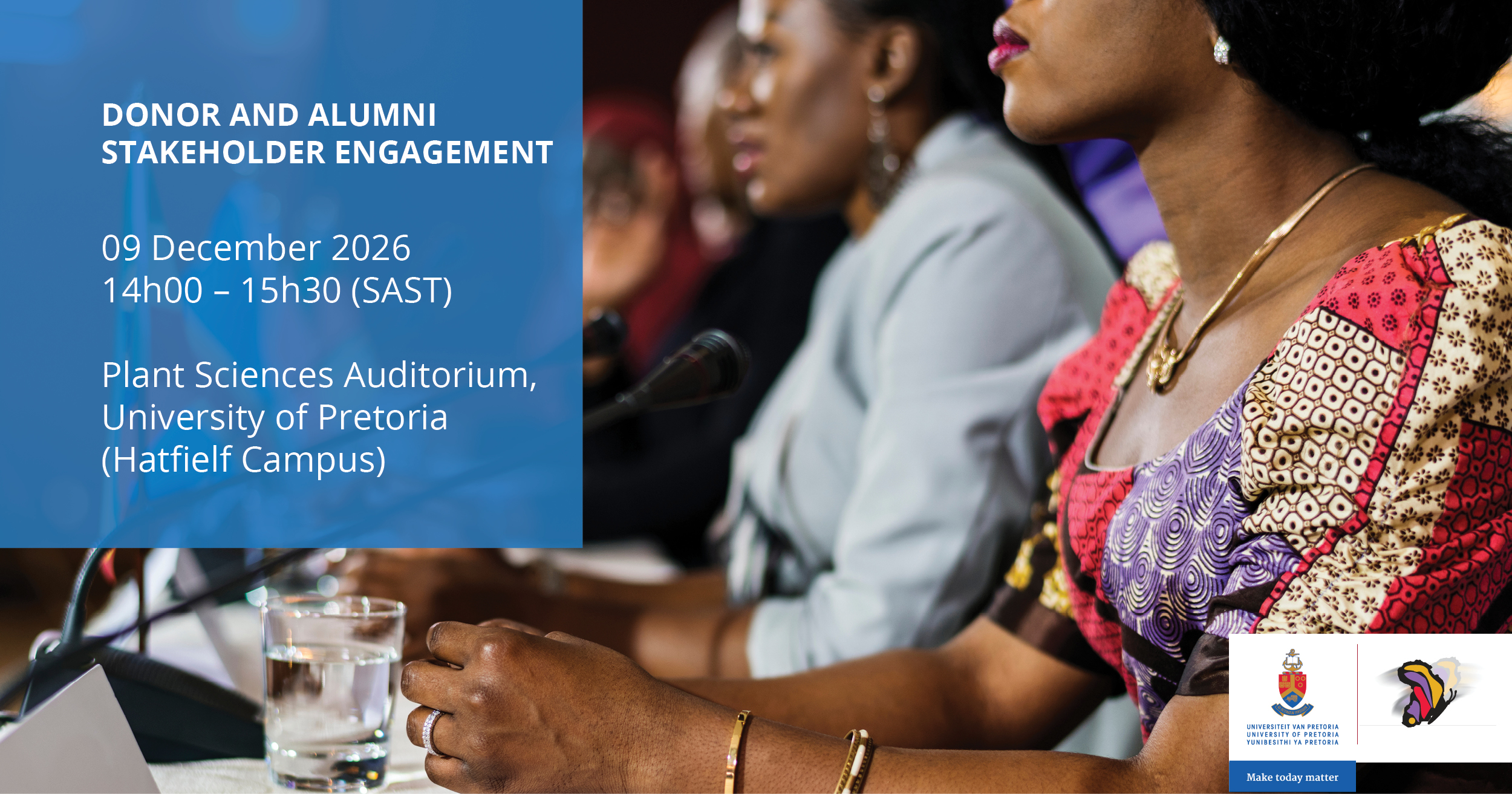
Against this backdrop, the Centre will host a donor and alumni engagement event on 9 December 2026. The event will provide an opportunity to examine the challenges confronting human rights movements today, consider collective strategies for responding to these challenges, and reflect on the Centre's contributions to advancing human rights in Africa.
The event will also provide an opportunity to recognise the importance of the Centre's community of alumni, donors and partners, whose contributions and continued engagement have been instrumental in shaping its work and impact.
Objectives
The event seeks to:
- Examine the rise and influence of anti-rights movements in Africa. Explore opportunities for collective action, solidarity and movement building to counter organised pushback against human rights.
- Reflect on the Centre's contribution and impact to human rights protection and advancement in Africa, drawing on perspectives from its institutional history, partnerships and areas of work.
- Consider the Centre's future role in responding to emerging human rights challenges and strengthening regional human rights systems.
- Foster engagement and strengthen relationships between the Centre, its alumni, donors, partners and broader human rights community.
- Highlight the critical role of sustained and flexible funding in supporting human rights work across Africa, particularly in the context of shrinking civic space and growing anti-rights movements, and explore opportunities to strengthen donor partnerships and mobilise resources to ensure the sustainability and continued impact of the Centre's work.
Proposed Panel Discussions
Panel 1: Countering the Anti-Rights Movement: Human Rights, Solidarity and Movement Building in Africa
Moderator: Prof. Nkatha Murungi, Director, Centre for Human Rights
Across Africa, anti-rights movements are increasingly challenging established human rights protections and seeking to influence public discourse, national legislation, policy processes and regional human rights frameworks.
Such movements have affected a range of human rights. Although the manifestations of these movements differ across contexts, they frequently share strategies that rely on exclusionary narratives, political mobilisation and challenges to the legitimacy of universal human rights principles.
This panel will examine the manifestations and implications of anti-rights mobilisation across different human rights issues, while exploring the strategies being developed by civil society, advocates and human rights defenders to respond to these challenges.
Particular attention will be given to opportunities for cross-movement solidarity, coalition building and coordinated advocacy at national and regional levels.
Key discussion questions:
- How are anti-rights movements manifesting across Africa, What common narratives, actors and strategies characterise these movements, and how are they influencing human rights protection?
- How are civil society organisations and human rights defenders responding to these developments?
- What opportunities exist for building stronger, more inclusive and coordinated movements to counter anti-rights mobilisation?
Panel 2: The Centre for Human Rights: Reflecting on Our Impact, Shaping Our Future
Moderator: Dr Sabelo Gumedze, Assistant Director, Centre for Human Rights
The Centre's contributions to human rights protection in Africa extend beyond its institutional programmes and activities. Through its alumni, partnerships, research, advocacy, litigation and engagement with African human rights mechanisms, the Centre has contributed to the development of human rights knowledge, institutions, networks and practice across the continent.
As the human rights landscape continues to evolve, it is important to reflect on the Centre's institutional journey, the impact of its work and the opportunities that lie ahead.
This panel will bring together individuals with different perspectives on the Centre's contributions, including its engagement with regional human rights institutions, its partnerships and networks, and its work advancing the rights of marginalised communities.
The discussion will consider the Centre's past achievements, present contributions and future priorities, with a particular focus on the role of collaboration and sustained partnerships in advancing human rights in Africa.
Key discussion questions:
- What have been the Centre's most significant contributions to advancing human rights in Africa?
- How has the Centre's work influenced human rights institutions, practitioners, civil society and communities?
- What role have alumni, partners and donors played in supporting and extending the Centre's impact?
- How should the Centre respond to emerging human rights challenges and opportunities?
- What should the Centre prioritise to strengthen its impact in the years ahead?