
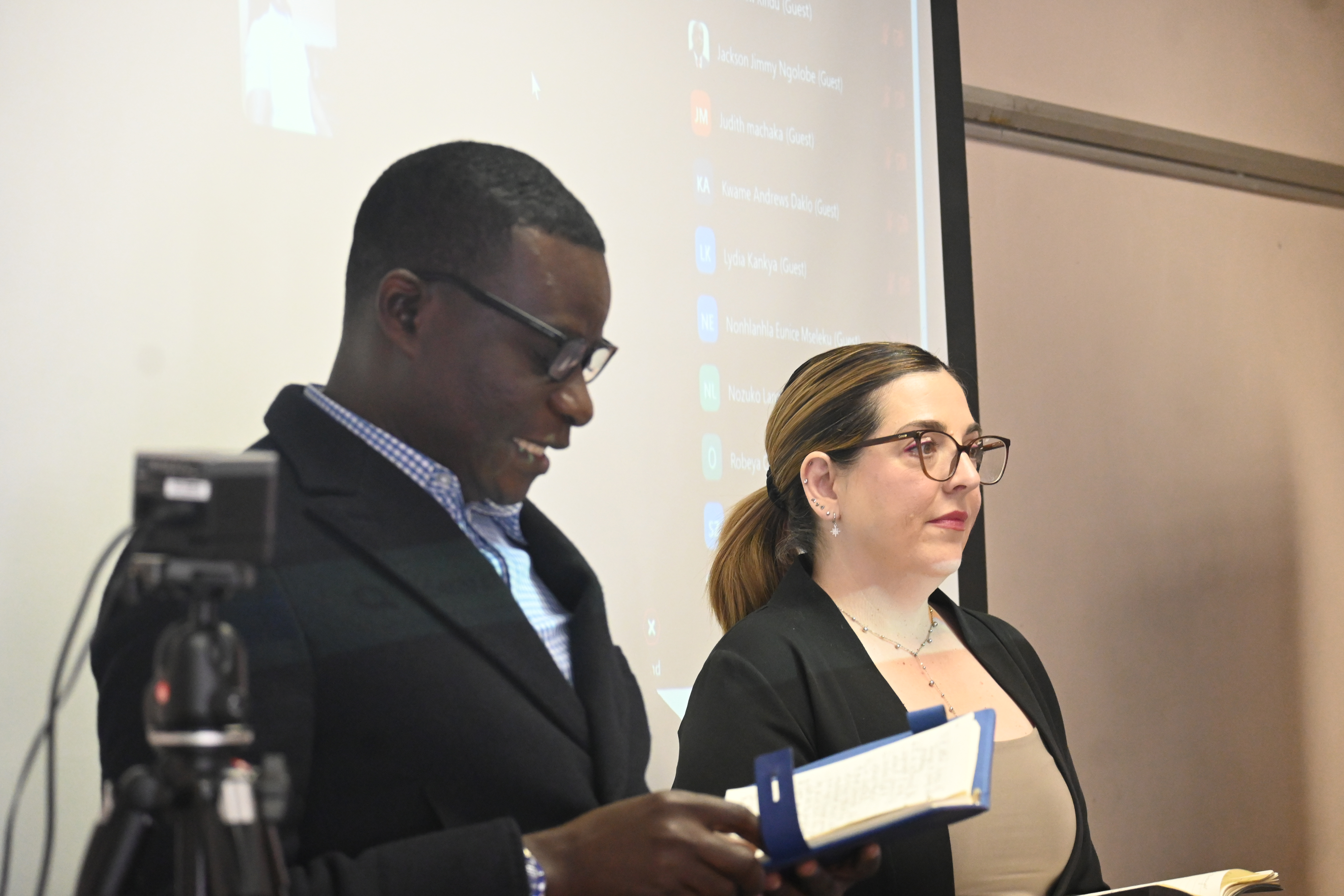
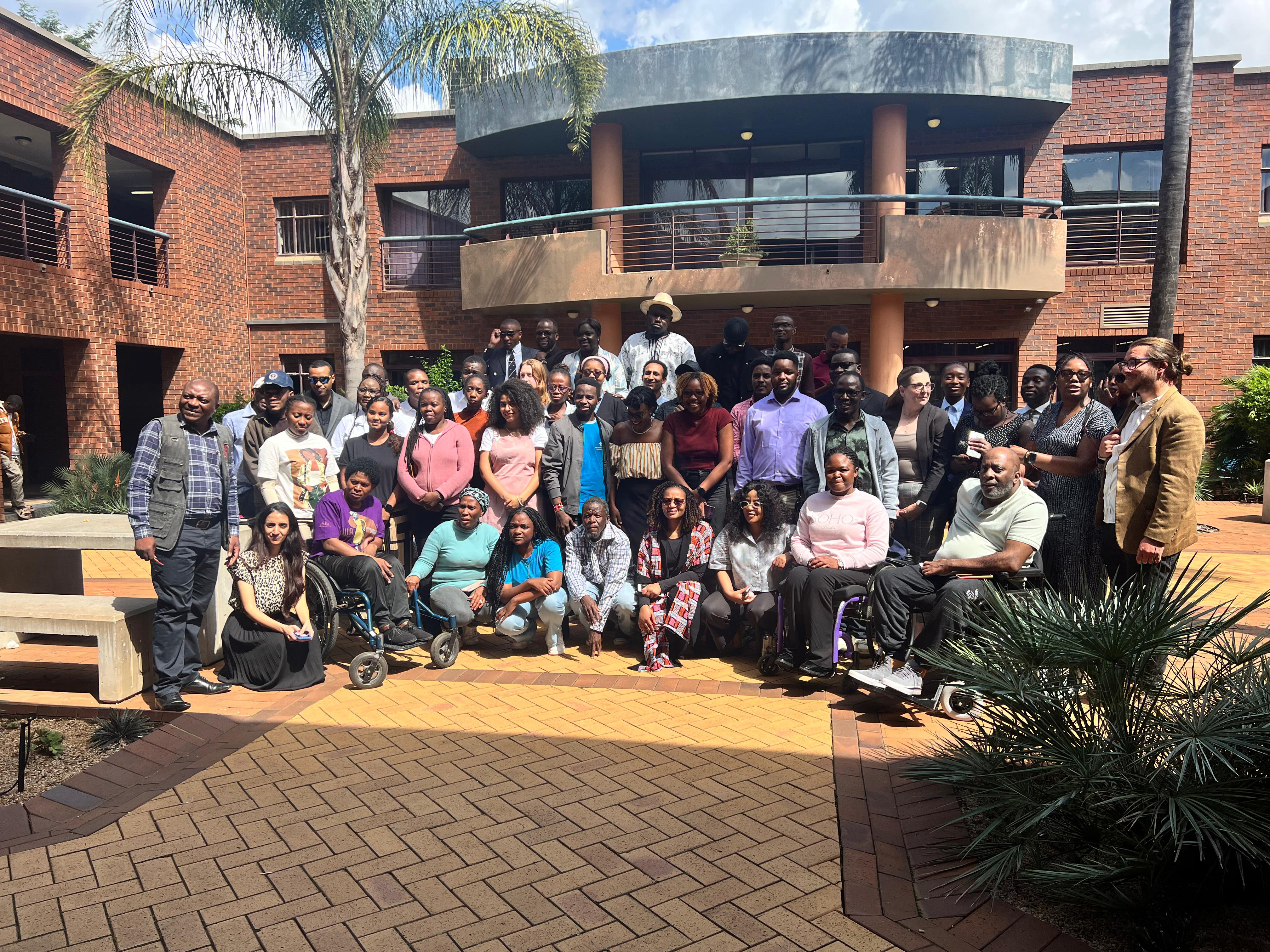
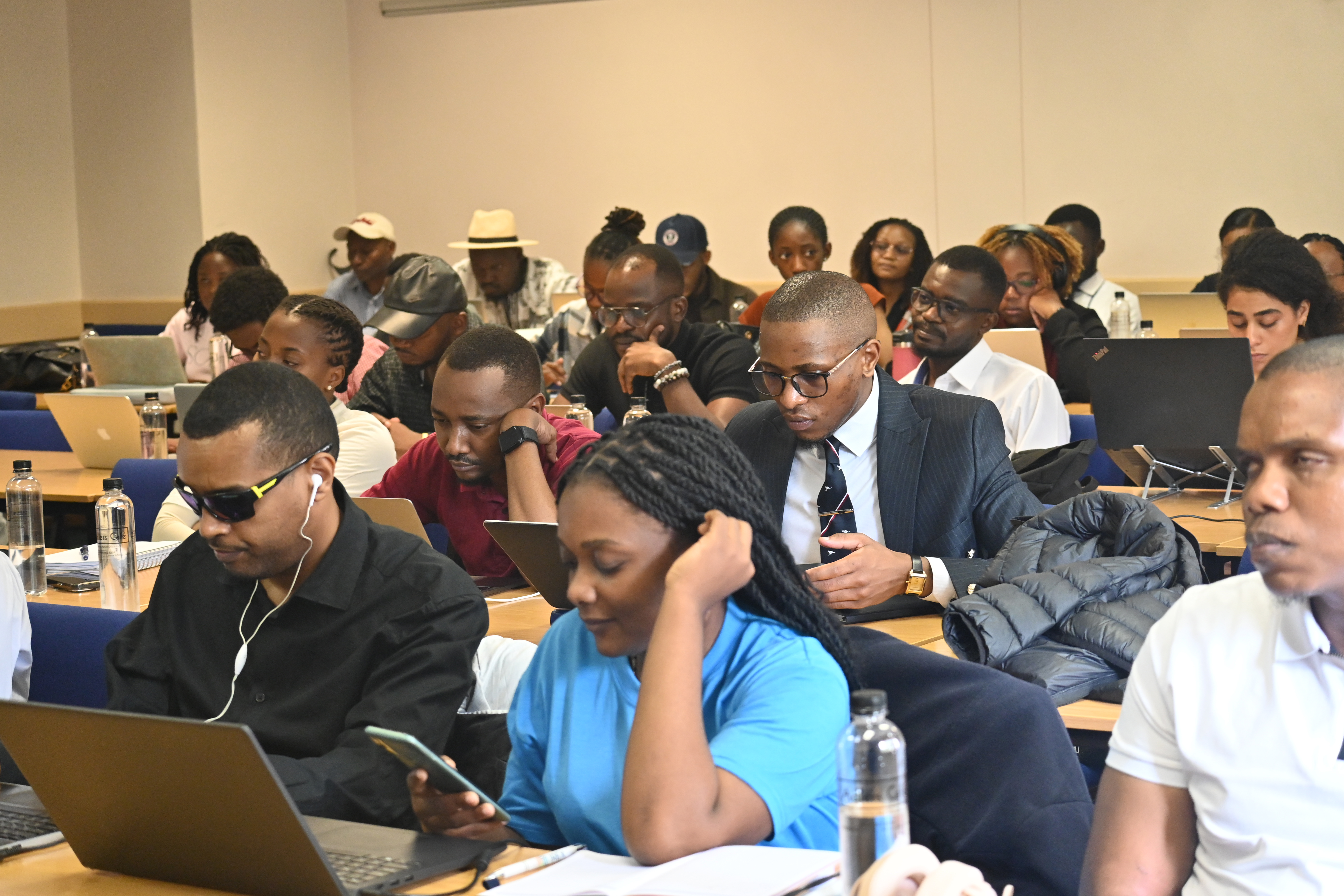
From 23 to 27 March 2026, the Centre for Human Rights, Faculty of Law, University of Pretoria hosted the Advanced Short Course on Disability Rights in an African context (short course). The short course was presented in hybrid format, with some participants attending in person at the University of Pretoria and others joining virtually via zoom. Participants at the short course were from various African countries and around the globe including Zambia, Zimbabwe, The Gambia, Nigeria, Ghana, Ethiopia, Namibia, Malawi, Mozambique, Sierra Leone, South Sudan, Sudan, Tanzania, Uganda, Egypt, Democratic Republic of Congo, South Africa, Lesotho, Eswatini, Botswana, Cameroon, Rwanda, Liberia, Mauritius, Australia and Belgium. They were drawn from various sectors including academia, national human rights institutions, civil society organisations and government.
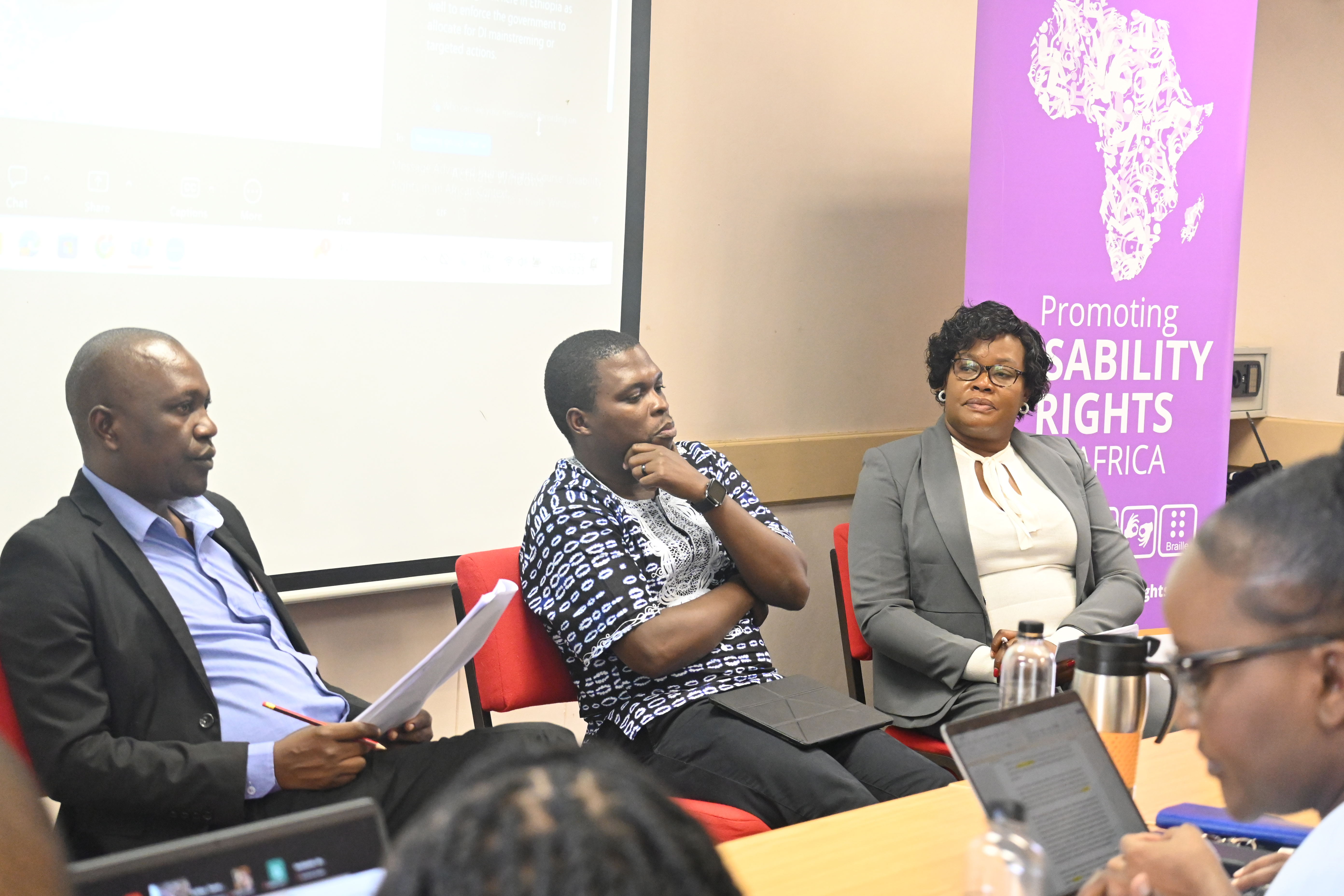
Each of the five days of the short course was dedicated to exploring a specific theme. Day one was dedicated to laying the foundation by introducing participants to the two global and regional human rights instruments on the rights of persons with disabilities, namely, the Convention on the Rights of Persons with Disabilities (CRPD) and the Protocol to the African Charter on Human and Peoples’ Rights on the Rights of Persons with Disabilities in Africa (African Disability Protocol). Furthermore, a panel discussion focusing on strategies for the implementation of the African Disability Protocol was also held on the first day.
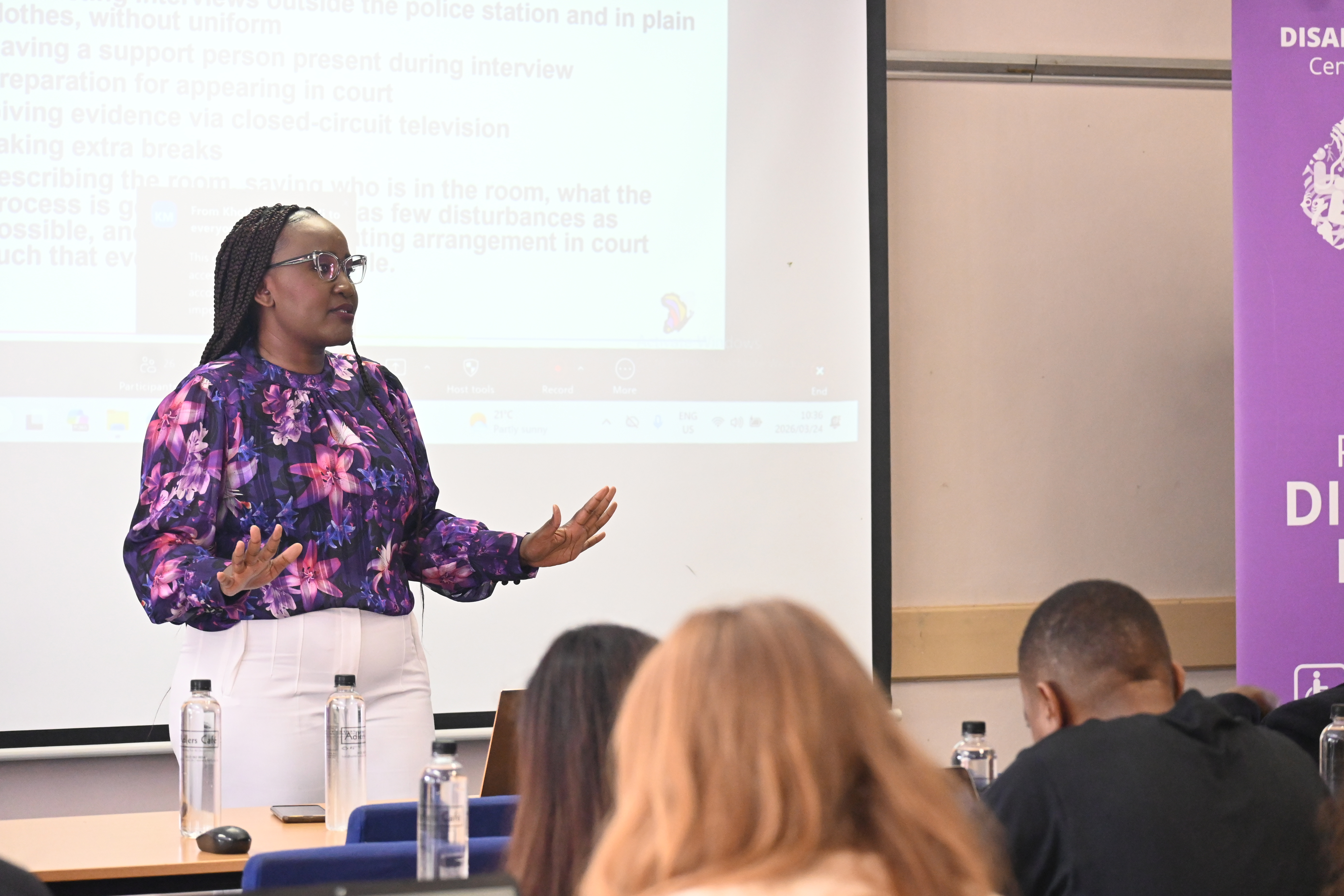
Day two focused on specific rights found (guaranteed) in both the CRPD and the African Disability Protocol including access to justice, the right to education, and the right to legal capacity.
Day three was dedicated to exploring the contemporary issues and impact of intersectional discrimination and how such discrimination affects people with disabilities. Accordingly, the situation of people with albinism in Africa, deinstitutionalisation, disability and climate change, right to participate in political and public life, and rights of children with disabilities were discussed on day three of the short course.
On day four, various workshops aimed at building the participants’ capacity to promote the rights of people with disabilities were presented. These include a workshop on advocacy for disability rights, reflections on self-advocacy, and workshop on technology and disability rights. Moreover, a panel discussion on strategic litigation was held on this day.
The final day of the short course was aimed at giving the participants an opportunity to apply the knowledge gained throughout the week by participating in group assignments and presentations.
For more information, please contact:
Dr Dianah Msipa
Manager: Disability Rights Unit
Centre for Human Rights, University of Pretoria
www.chr.up.ac.za
Tel: +27 (0)12 420 6398
dianah.msipa@up.ac.za