
The Centre for Human Rights, Faculty of Law, University of Pretoria participated in the 13th Forum on Internet Freedom in Africa (FIFAfrica26), held in Mauritius from 28 September to 1 October 2026. Hosted by the Collaboration on International ICT Policy for East and Southern Africa (CIPESA) in partnership with the Mauritius-based Halley Movement Coalition, the Forum brought together policymakers, regulators, civil society organisations, academics, journalists, technology practitioners, private sector actors and digital rights advocates from across Africa and beyond to engage on the continent’s evolving digital landscape. CIPESA highlighted Mauritius’ growing role in technology-driven governance and digital transformation, including its work on AI regulation and digital public services, noting it as one of the reasons for hosting FIFA.
Dr Avinash Ramtohul, Mauritius’ Minister of Information Technology, Communication and Innovation delivered the Forum’s keynote address. His Keynote centred on the emerging debate on responsible AI governance through his book, Safeguarding Democracy in the Age of Artificial Intelligence – AIRA: Who Serves Whom? The publication examines the expanding role of AI in public administration and democratic decision-making and considers regulatory approaches aimed at ensuring that AI systems are developed and deployed responsibly, with appropriate safeguards for rights, transparency and accountability.
FIFAfrica26 provided a platform for discussions on some of the most pressing questions facing Africa’s digital future, including digital democracy and civic participation, data governance and sovereignty, artificial intelligence and emerging technologies, platform accountability, digital inclusion, the digital economy and trade, movement building, and digital security and safety. The Forum also sought to strengthen African participation in global digital governance processes and shape the continent’s contribution to emerging debates on technology and rights.
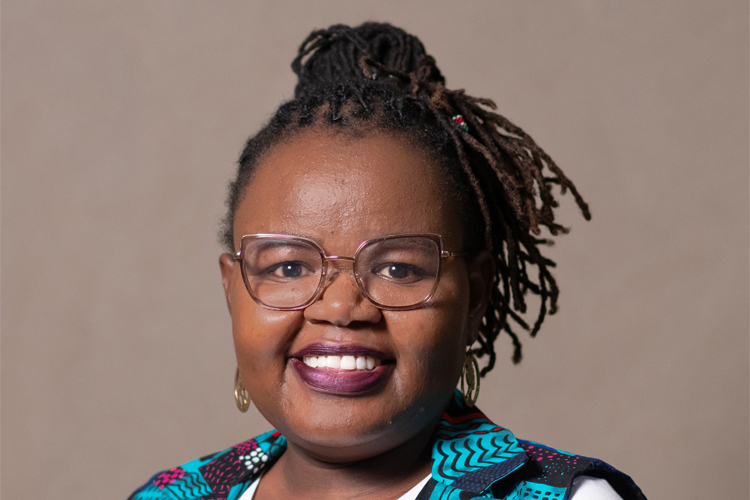
Our Belinda Matore participated as a panellist in a discussion on “Children, AI and the Age Debate in Africa,” alongside Adeboro Odunlami, Lillian Kariuki and Afia Asantewaa Asare-Kyei. The session examined the growing debate over restricting social media access for children under 16 and questioned whether blanket age restrictions are appropriate for African contexts. The discussion focused on the need to balance child protection with children’s rights to participation, expression, information, education and digital access. Panellists considered whether African countries should adopt emerging international approaches or develop regulatory responses that reflect local realities. The panel also explored the growing use of AI and conversational technologies by children, highlighting emerging concerns around privacy, safety, autonomy, discrimination and harmful content. This raised the need for regulatory frameworks that anticipate technological developments and address risks at the design and deployment stages, rather than responding only after harm occurs. A further focus was age assurance, including the tension between protecting children and safeguarding their privacy and personal data. The discussion emphasised that age-verification mechanisms should incorporate data minimisation and should not create additional risks through unnecessary collection of sensitive information. The session advocated for a rights-based and context-sensitive approach to child online safety. Rather than relying solely on restricting access, African regulatory approaches should promote safer digital environments, platform accountability and age-appropriate protections while recognising differences across the continent in connectivity, affordability, language, disability, digital literacy, identification and patterns of technology use.
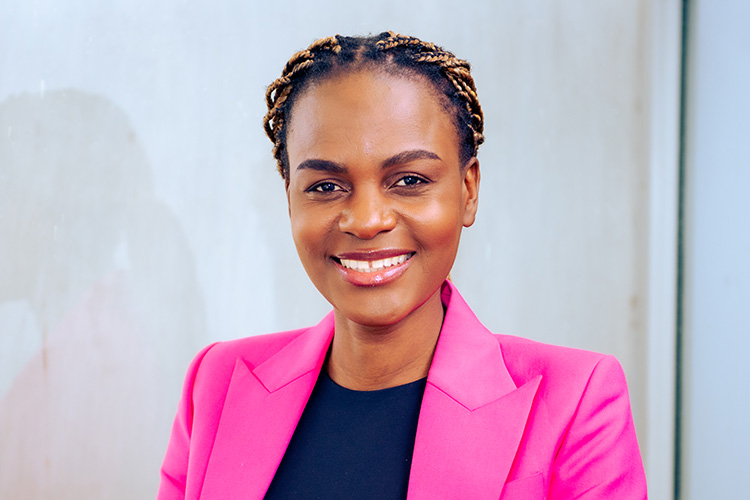
Michael Aboneka, also from the Centre for Human Rights, attended and participated as a panellist in two sessions starting with day zero’s panel discussion on AI governance in Africa where his major discussion revolved around meaningful participation of all communities of Africa in the framing of these governance frameworks. He further discussed the role of Civil Society, emphasizing advocacy and holding governments and tech platforms accountable to ensure that AI benefits all persons without exclusion and that its harms are checked and mitigated at every stage. The second panel, organised by the Digital Rights Alliance Africa, focused on the role of bar associations in protecting and promoting internet Freedom through challenging internet shutdowns. Michael emphasised that the greatest of all, is ensuring the promotion of rule of law which will ensure enjoyment of freedom of expression online without arbitrarily being gagged. Internet shutdowns should not happen at all and any state must demonstrate any internet throttling or shutdown through the law. He called upon bar associations in Africa to rise to the occasion and enhance research advocacy and strategic litigation to protect the freedoms both online and offline. He further called upon the judiciary to exercise their judicial power in accordance with the will of the people and the constitutions of Africa in protecting these freedoms.
For the Centre for Human Rights, participation in FIFAfrica26 provided an important opportunity to contribute to continental discussions at the intersection of children’s rights, digital rights, artificial intelligence and technology governance. It also reinforced the importance of ensuring that African voices remain central to debates about how emerging technologies should be regulated and how rights can be protected in increasingly digital societies.
As AI and digital platforms become increasingly embedded in children’s everyday lives, questions of age, access and protection will require continued engagement between human rights practitioners, policymakers, regulators, technology companies, researchers and, importantly, children themselves. The Centre for Human Rights was pleased to contribute its expertise to these important regional conversations at FIFAfrica26, working alongside CIPESA and ICNL, and to the Day Zero Forum on Regional AI Governance convened by the Global Centre on AI Governance. These spaces are critical to advancing rights-respecting approaches to AI and digital governance that are grounded in African realities and perspectives.
For more information, please contact: