

The South African Research Chair of International Constitutional Law and the Centre for Human Rights at the University of Pretoria, in collaboration with the University of Ghent, hosted the Evidence Matters Conference from 11 to 13 May 2026, to draw attention and analyse the critical role of evidence in regional human rights adjudication. While the Conference considered all three established regional human rights systems, its focus fell on the African Court on Human and Peoples' Rights. The event also served as an event marking 20 years since the Court started operating in 2006.
The Conference relates directly to the Horizon 2020 DISSECT initiative, funded by the European Research Council. Professor Marie-Bénédicte Dembour from the University of Ghent is the Director and Principal Investigator of this project.
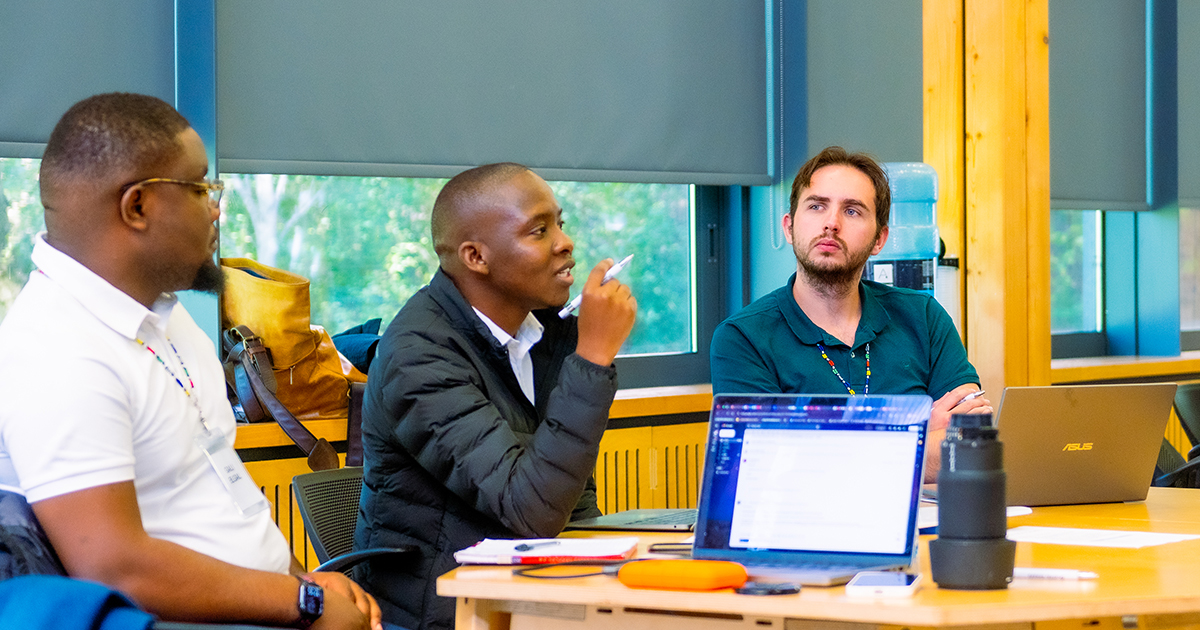
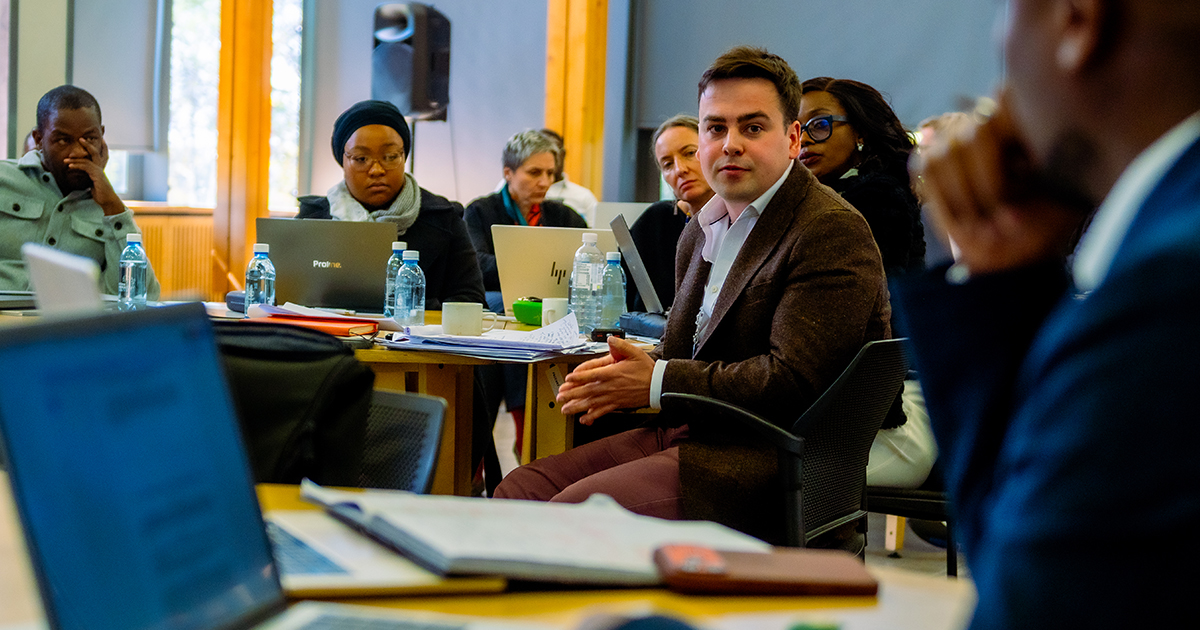
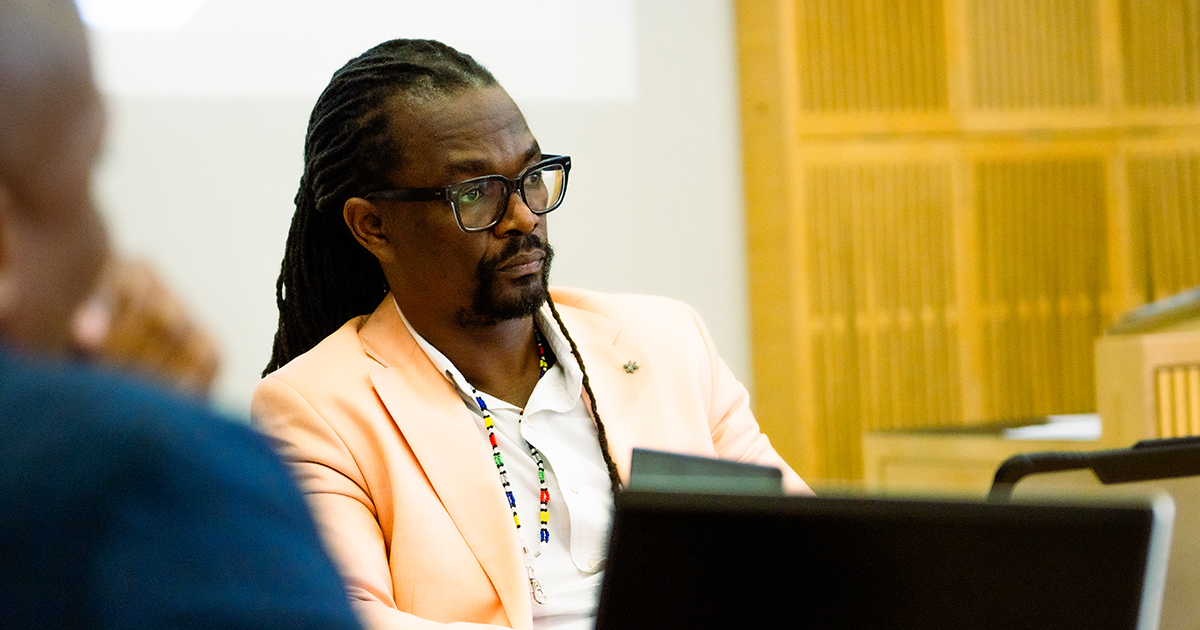
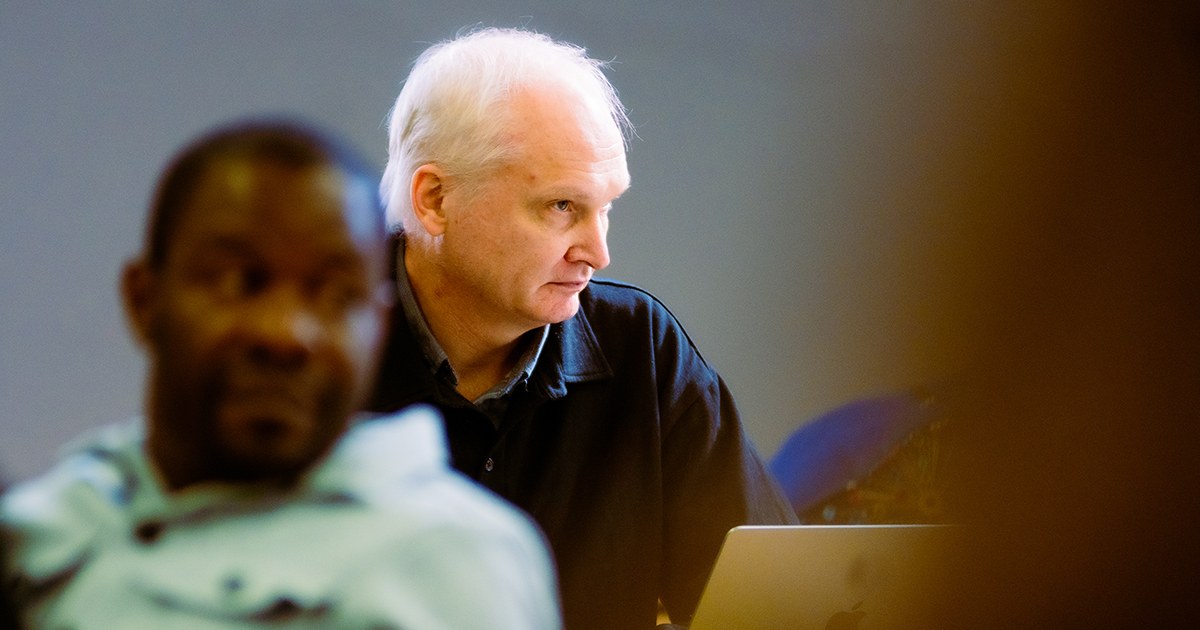
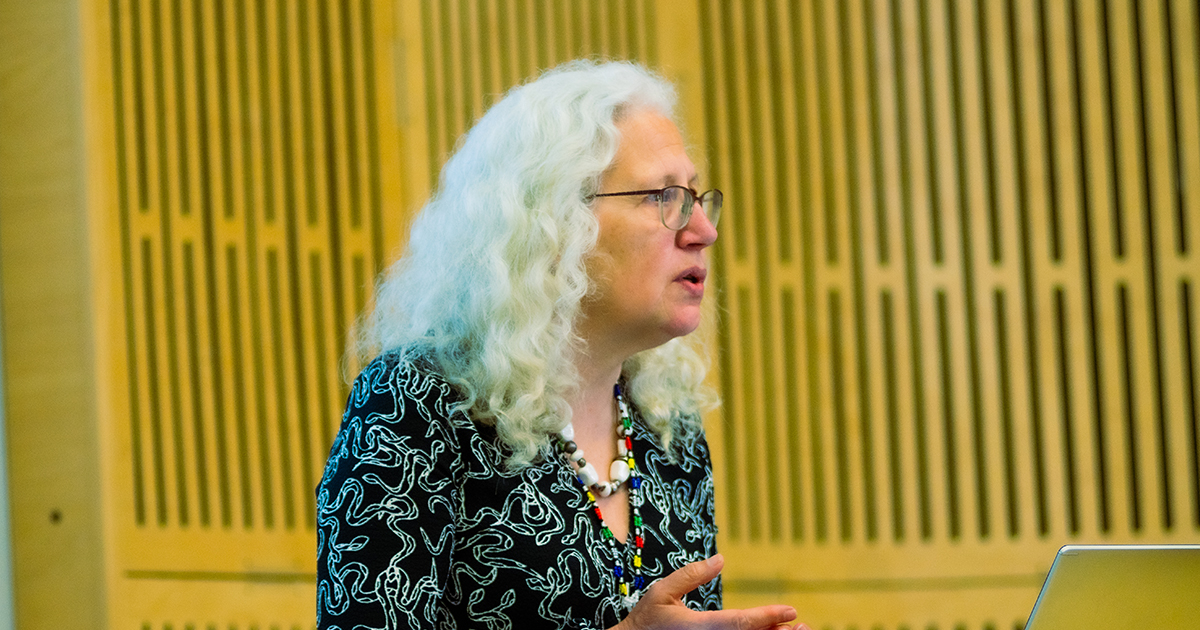
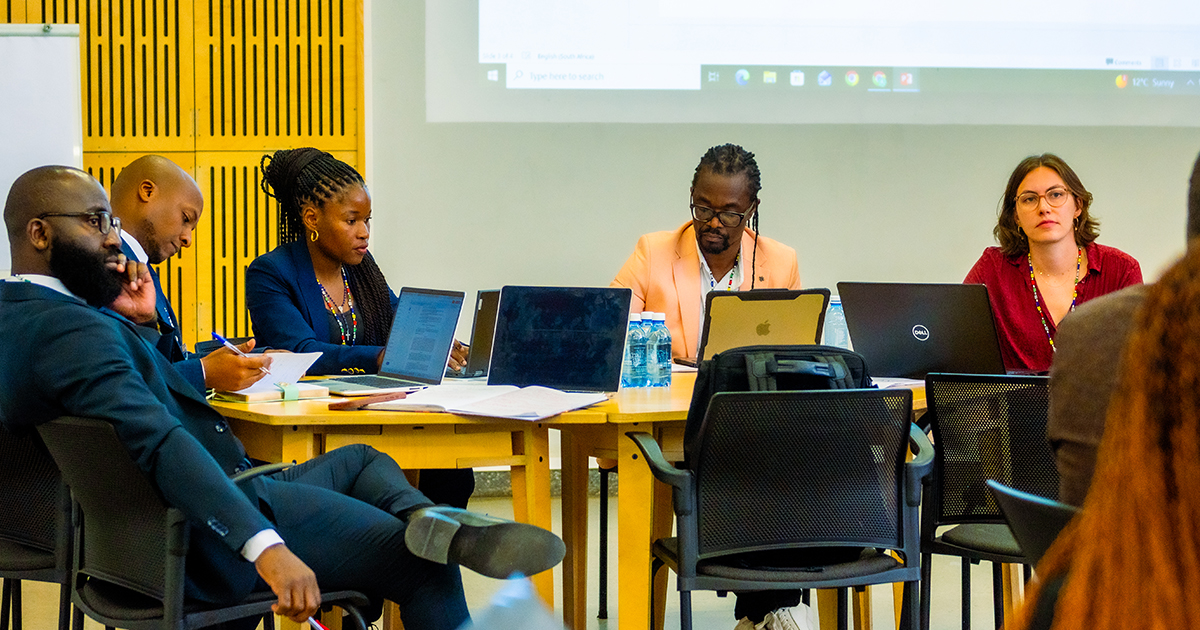
Following a global call for submissions, the Conference brought together a diverse, multicultural group of scholars, academics, judges, and legal professionals from Africa, Europe, Australia, and Asia. The Conference, which took place in a round-table setting, was opened with a welcoming remarks from Professor Frans Viljoen, the South African Research Chairs Initiative (SARChI) Chair, and Professor Dembour. Over the three days, deliberations were vibrant, with participants asking questions and contributing to debate, making for continuous interactive discussions.
Keynotes
Professor Dembour, Justice Ben Kioko, former Judge of the African Court, and Professor Christopher Roberts, from the Chinese University of Hong Kong and author of Alternative approaches to human rights, delivered three separate keynotes addresses.
In her keynote address, Professor Dembour outlined the rationale for the Conference. She highlighted how evidentiary hurdles often lead to human rights cases being declared inadmissible. She also contrasted, with reference to concrete illustrations from their case law, the evidentiary approaches of three major regional systems (the African, Inter-American, and European human rights systems).
Justice Ben Kioko explained how the Court approaches admissibility, noting how judges' domestic legal training influences their interpretation of evidence. The former judge indicated that disposal of cases at the African Court was slow initially but due to technological innovation the court improved on its efficiency. Touching on sensitisation of the Court, he noted that sensitisation is high with prisons but very low outside. He stressed that the withdrawal by States of their declarations under Article 34(6) were political decisions and the Court could have done nothing to stop them.
Professor Christopher Roberts explored the reversal of the burden of proof in criminal and human rights contexts, sparking constructive debate among scholars.
Papers and panels
Sixteen research paper were presented, exploring evidentiary complexities within regional contexts. The topics included complementarity in the African human rights system, evidentiary standards within the African Court, feminist approaches to evidence before the Court, unequal arms, the doctrine of ‘non-fourth instance’, Afrocentric approaches to evidence before the African Court and comparability of jurisprudence of the three sister courts. Some of the recurring themes were: the clash between Common Law and Civil Law evidentiary traditions; the distinction between prima facie proof versus a prima facie case, the procedural shifts in the burden of proof during trials.
The Conference also provided an opportunity for the group to comment on the contents of a proposed output of the DISSECT project, namely, a short guide titled ‘Which Burdens and Standard of Proof in International Human Rights Adjudication: A Short Guide for the Consideration of the Adjudicator. Participants were asked to comment on the recommendations provided in the guide, in respect of persuasiveness, appropriateness, omissions.
The final day featured concluding presentations and a closing roundtable panel. The panel consisted of Justice Ben Kioko, Professor Marie-Bénédicte Dembour, Professor Frans Viljoen, Professor Christopher Roberts, Professor Nkatha Murungi, Assistant Director of the Centre for Human Rights, and Dr Mwiza Jo Nkhata, Senior Legal Officer at the African Court. The panellists concluded that current evidentiary rules present an obstacle to justice. They called for a relaxation of evidence rules to make regional human rights courts more accessible to applicants seeking to adjudicate violations.
The Conference was held on the Future Africa Campus of the University of Pretoria. Social and networking events included a networking cocktail reception at the Future Africa Campus; a formal dinner at Stephanie's Restaurant, Pretoria; and a visit to Freedom Park and the Union Buildings to engage with South African history and heritage.
Acknowledgements and appreciation
The Chair extends its sincere gratitude to all collaborators who made this event possible. Special thanks go to Professor Marie-Bénédicte Dembour and the University of Ghent for their partnership through the DISSECT initiative, and to the DISSECT team, as well as local organisers. The Chair also thanks the distinguished keynote speakers, panellists, paper presenters, and international participants whose diverse insights ensured a highly fruitful, productive, and memorable conference.
Gallery









For more information, please contact:

Professor of International Human Rights Law
Tel: +27 (0) 12 420 3228
frans.viljoen@up.ac.za