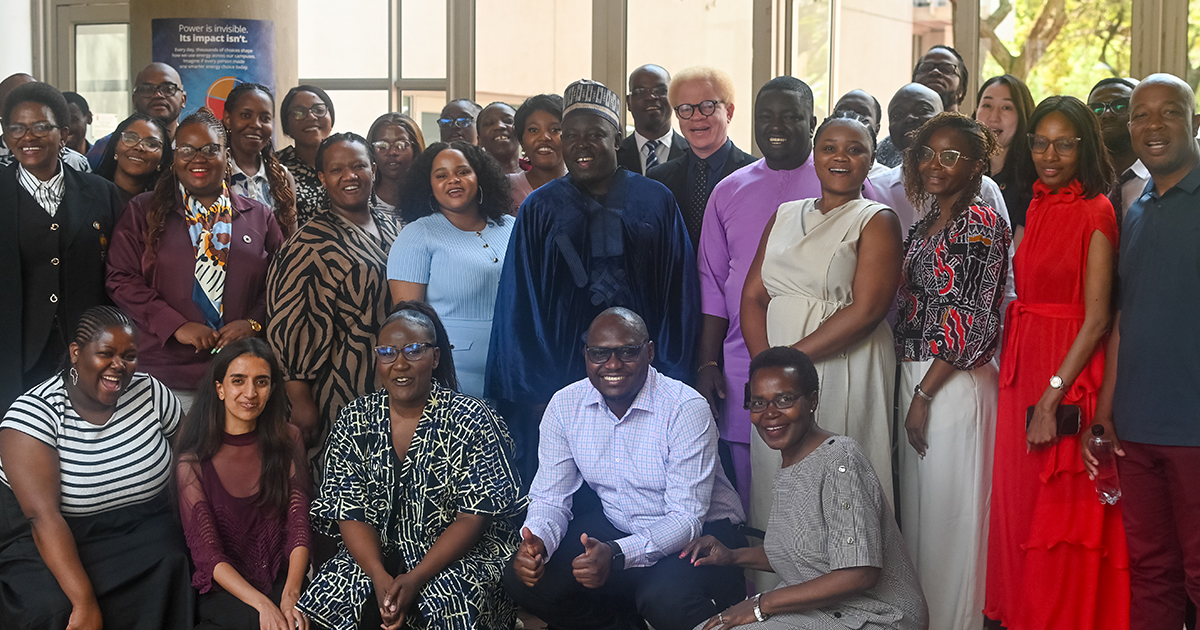
On the 5 - 5 November 2026, the Centre for Human Rights, Faculty of Law, University of Pretoria hosted the 14th edition of the Annual disability rights in Africa conference under the theme of ‘Equality and non-discrimination: Realising the rights of persons with disabilities in Africa’. The conference was held in hybrid format at the University of Pretoria and online via zoom. The aim of the conference was to critically examine existing frameworks, share best practices, and identify strategies for effective implementation of right to equality and non-discrimination at regional and national levels. This year’s participants of the conference were drawn from various African countries including Zimbabwe, Kenya, Uganda, South Africa, Malawi, Mozambique, Mauritius, Lesotho, Nigeria and Cameroon.
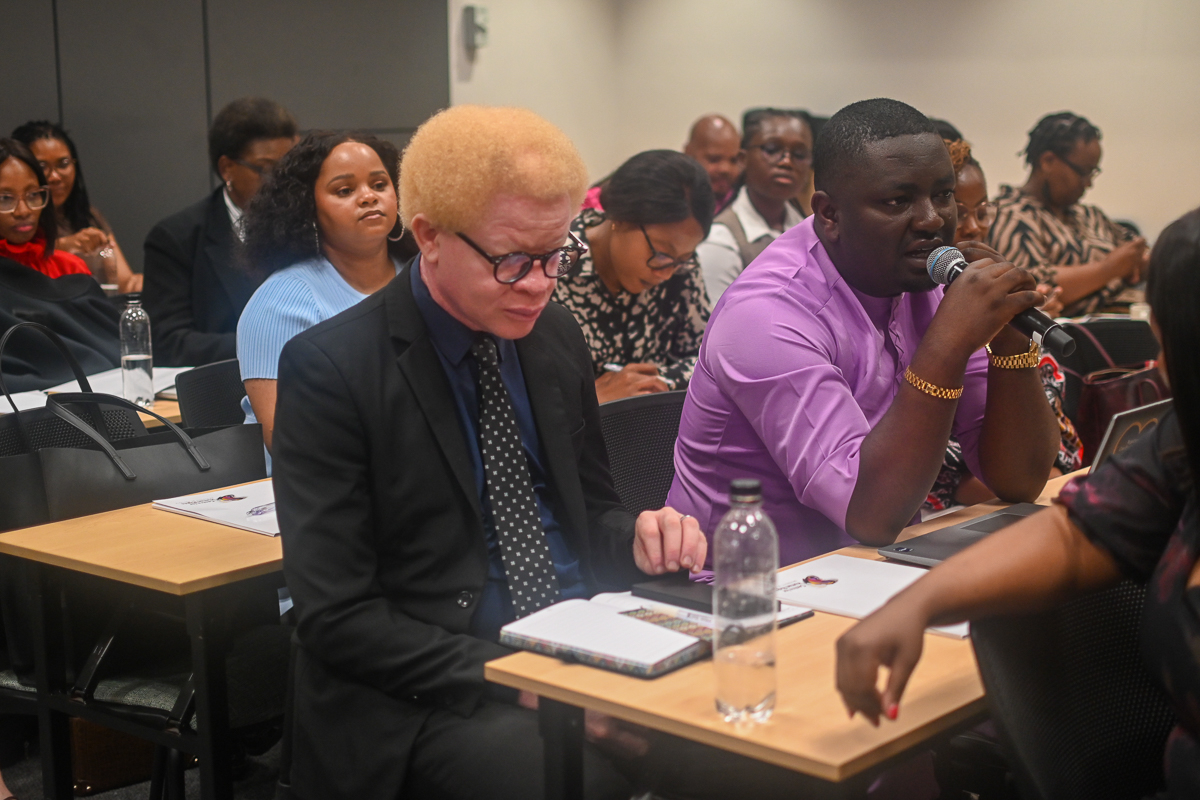 The first day of the conference explored how the rights to equality and non-discrimination are guaranteed under the Convention on the Rights of Persons with Disability (CRPD) and the Protocol to the African Charter on Human and Peoples’ Rights on the Rights of Persons with Disabilities in Africa (African Disability Protocol). Furthermore, discussions highlighted the role of African values in advancing the right to equality and non-discrimination for persons with disabilities in Africa, and the importance of using data in the promotion and protection of rights of persons with albinism in Africa.
In relation to the recognition of the right to equality and non-discrimination under the CRPD and the African Disability Protocol, the presenters underscored that although both instruments require States Parties to move from formal equality to substantive equality, African States continue to retain formal equality frameworks in their legislative and constitutional responses to disability. Participants noted that this can be changed only through coordinated efforts between all stakeholders including state actors, organisations of persons with disabilities (OPDs), academia as well as regional and sub-regional human rights bodies.
Presenters highlighted that African values, like Ubuntu, which is rooted in the philosophical proposition that personhood is constituted through relational interdependence, offer a more authentic and structurally coherent indigenous African foundation and can serve as a tool to realise substantive equality for persons with disabilities across the continent.
The role of data in promoting and protecting the rights of Persons with Albinism was also recognized. Participants noted that existing data on attacks against persons with albinism should not be viewed merely as criminological information. Instead, it should be taken as evidence indicating existing structural discrimination and failures by states to prevent, investigate, punish and remedy violence against persons with albinism and used to ensure the protection and promotion of the rights of persons with albinism and establish accountability for rights violations.
Extensive discussions on equality and non-discrimination in the context of contemporary issues like AI and education of children with disabilities, access to employment and digital accessibility, and discrimination faced by the families of persons with disabilities were also conducted.
The second day explored the exclusion of persons with disabilities from climate justice movements and the importance of having proper representation in such movements, as well as 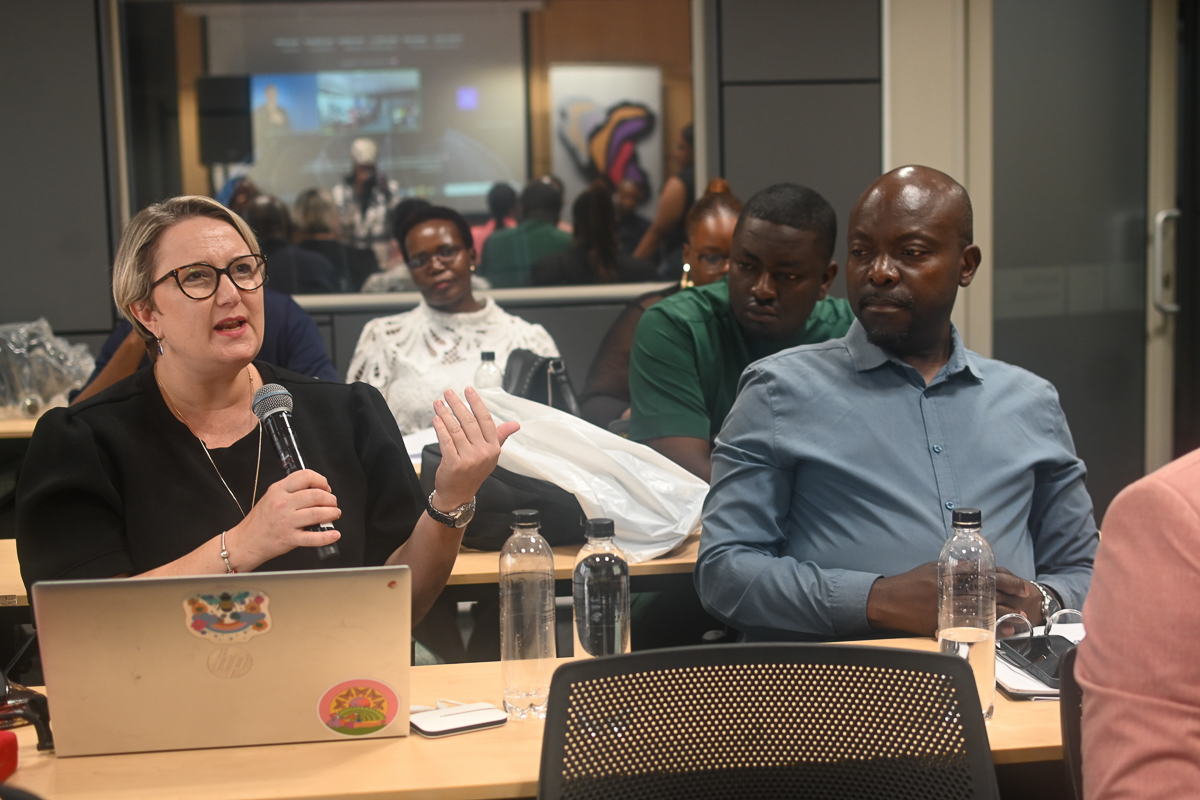 the need for inclusive and disability-responsive climate policies and initiatives in Africa. The importance of realising substantive equality and non-discrimination within African correctional systems was highlighted, emphasising the need to address systemic barriers and discriminatory practices affecting persons with disabilities in such settings. Furthermore, the conference explored the respective roles of National Human Rights Institutions, governments and non-governmental organisations in promoting, protecting and ensuring the effective implementation of the rights to equality and non-discrimination for persons with disabilities across the continent.
The annual disability conference is a flagship initiative of the Centre, aimed at providing a forum for intellectual debate and knowledge dissemination on emerging disability rights issues. This years conference put a spotlight on the right to equality and non-discrimination in Africa, identified existing challenges in the realisation of these rights and how these challenges can be eliminated or mitigated.
For more information, please contact: