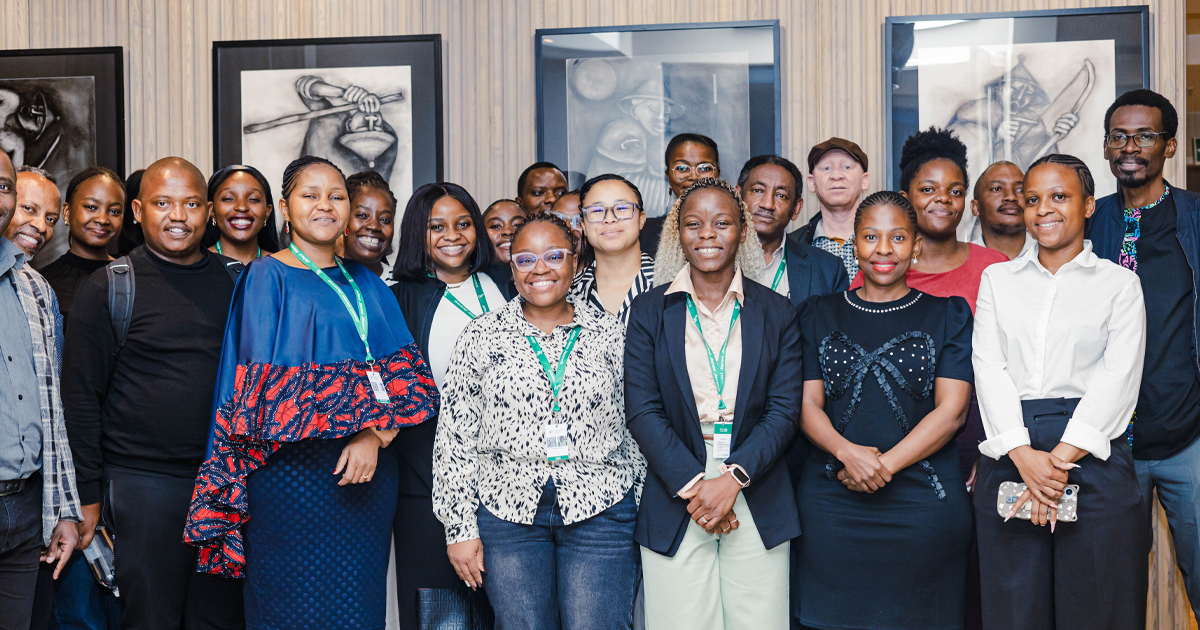
From 23 to 25 November 2025, the Centre for Human Rights, Faculty of Law, University of Pretoria, participated in the 27th meeting of the Civil Society Organisations Forum on the African Charter on the Rights and Welfare of the Child (CSO Forum), held in Maseru, Kingdom of Lesotho. The Forum took place ahead of the 46th Ordinary Session of the African Committee of Experts on the Rights and Welfare of the Child (ACERWC), and the Symposium commemorating the 35th anniversary of the African Children’s Charter.
Held under the theme ‘Budgeting for the Future,’ the CSO Forum created a platform for civil society organisations to highlight their advocacy efforts in advancing children’s rights in Africa. The Centre hosted a panel on children with intellectual disabilities during the Forum and emphasised the need for CSOs to meaningfully include children with intellectual disabilities in their work, including in the complementary reports to the ACERWC. The Centre also participated in a panel discussion hosted by the African Population and Health Research Centre on ‘Bridging evidence, policy and budgets to advance adolescent well-being in Sub-Saharan Africa.’ The panel discussion focused on how civil society can use the normative framework to push governments toward adolescent-responsive budgeting and highlighted the legal gaps and proposed reforms needed to ensure that vulnerable adolescents, especially pregnant and parenting adolescents, are meaningfully prioritised in budget processes.
 On 27 November 2025, the Centre for Human Rights delivered its statement at the 46th Ordinary Session of the ACERWC. The statement highlighted some of the Centre’s recent initiatives to advance children’s rights, including convening a continental conference on the implementation of ACERWC decision sand urged the Committee to facilitate follow-up on commitments made during the conference on the implementation of decisions, It further urged the ACERWC to adopt a more proactive approach to crises such as the conflict in Sudan by framing them as crises of children requiring urgent action, and to prioritise interventions aimed at mitigating the impact of armed conflicts on children and amplify the urgency and visibility of children and their plight in the peace and security agenda at the pan-African, sub-regional and national levels. The statement also drew attention to the persistent challenge of childhood statelessness in Africa and urged the Committee to nudge States to ratify the Protocol to the African Charter on Human and Peoples’ Rights Relating to the Specific Aspects of the Right to a Nationality and the Eradication of Statelessness in Africa, in their engagement with them.
On the sidelines of the 46th Ordinary Session of the ACERWC, and in partnership with the Centre for Child Law and Lawyers for Human Rights, the Centre co-hosted the side event on ‘Advancing the right to a nationality and ending childhood statelessness in Africa’. The event was aimed at to strengthening regional cooperation among civil society organisations, children’s rights institutions, and African Union mechanisms in addressing childhood statelessness through coordinated advocacy, capacity building and legal harmonisation all with the aim of raising awareness for the ratification of the African Union Protocol on the Right to a Nationality and the Eradication of Statelessness in Africa (‘the Protocol’) The event also marked the launch of a regional campaign to promote ratification and implementation of the Protocol to the African Charter on Human and Peoples’ Rights Relating to the Specific Aspects of the Right to a Nationality and the Eradication of Statelessness in Africa.
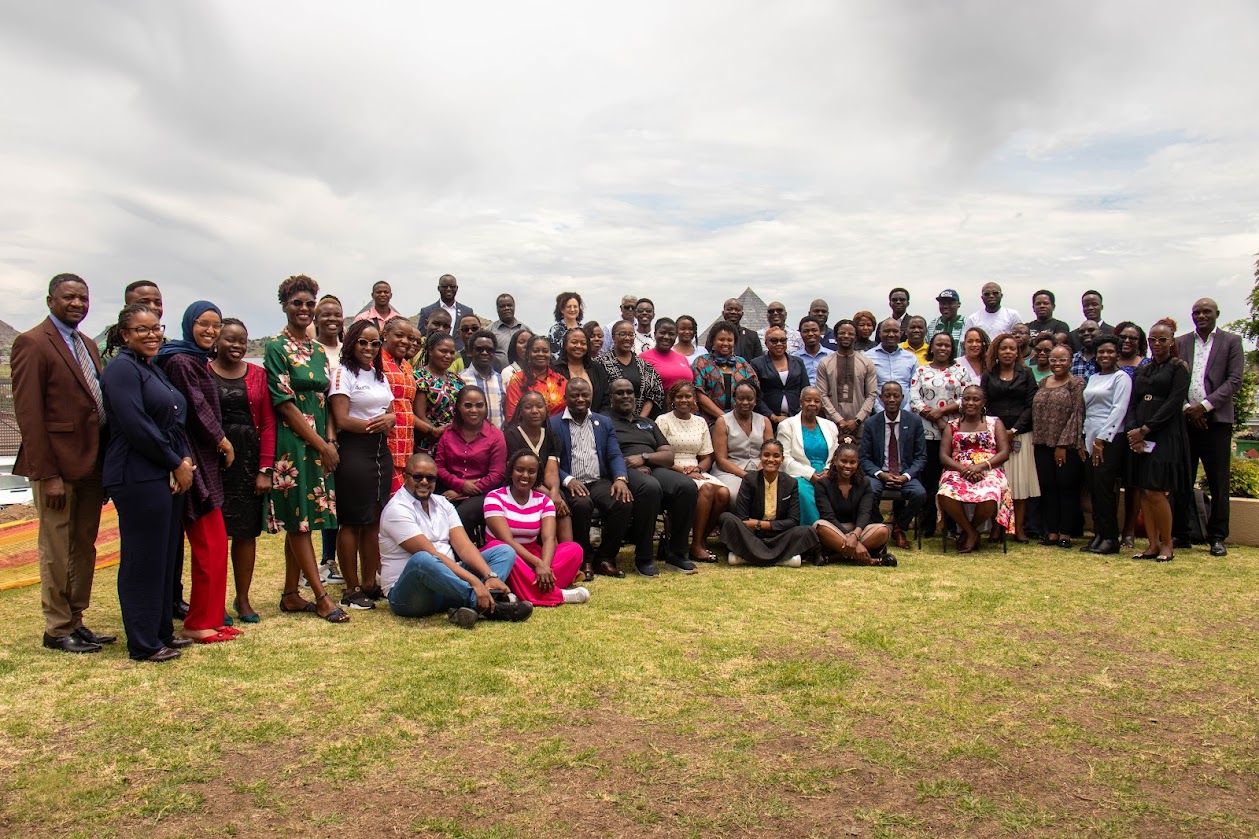 At the ACERWC’s Symposium commemorating the 35th anniversary of the African Children’s Charter, the Centre for Human Rights contributed to two panel discussions on ‘The Role of Parliamentarians in Upholding the Rights of Children,’ and ‘Children with Intellectual Disabilities: Lessons and Policy Directions.’ On the role of Parliament, the Centre highlighted the centrality of effective parliaments for effective human rights protection, and proposed strategies for holding parliaments accountable for actions that contravene human rights commitments. Regarding children with intellectual disabilities, the Centre’s engagement was aimed at spotlighting the unique circumstances of the group relative to other forms of impairment, and children more generally. The Centre for intentional reflection on the specific challenges and needs of children with intellectual disabilities to ensure that they are not left behind.
The Centre’s participation in these meetings advances its advocacy for the protection of human rights generally, and children’s rights in particular, through an effective African human rights system.
For more information, please contact:
Childrens Rights Unit
Tel +27 (0)12 420 6209
rotondwa.mashige@up.ac.za