- Details
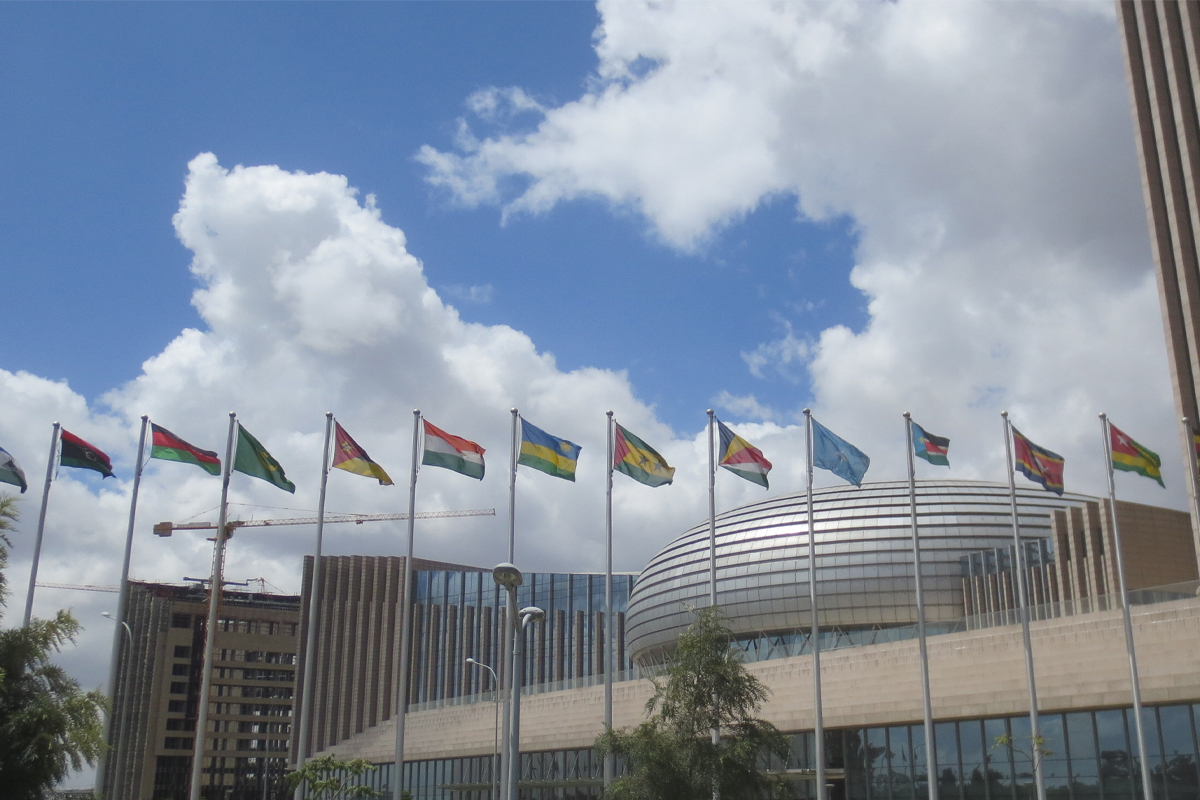
The Centre for Human Rights, Equality Now and International Commission of Jurists (Kenya Chapter) have drafted Shadow Reporting Guidelines in response to Resolution 436 by the African Commission on Human and Peoples' Rights. The resolution recognises the need to have a set of guidelines to guide non-state actors to submit appropriate shadow reports to the Commission. Please take a moment to go through the draft guidelines and fill out the accompanying questionnaire which will assist us to improve the draft guidelines.
- Details
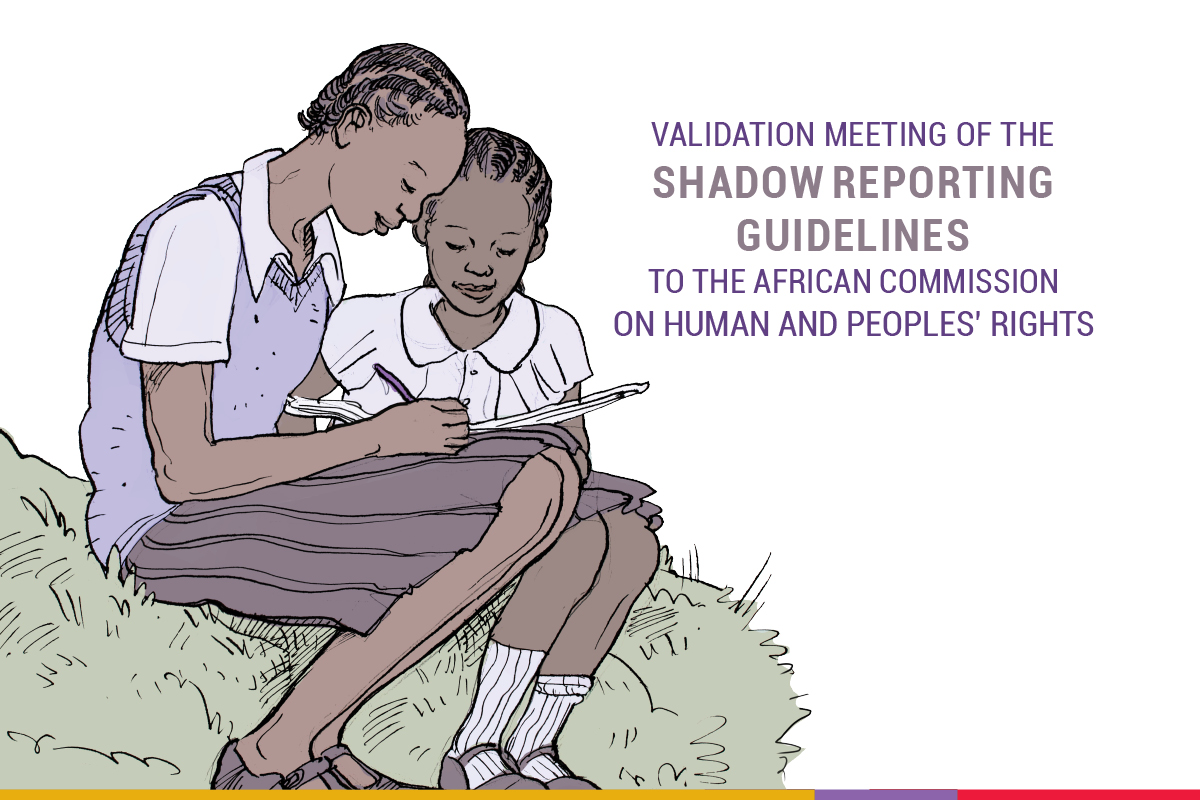
On 1 October 2020, the Women’s Rights Unit at the Centre for Human Rights, Faculty of Law, University for Pretoria, in partnership with International Commission of Jurists (Kenya) and Equality Now, conducted a webinar to garner the views of civil society organisations on the draft Shadow Reporting Guidelines they have developed.
- Details
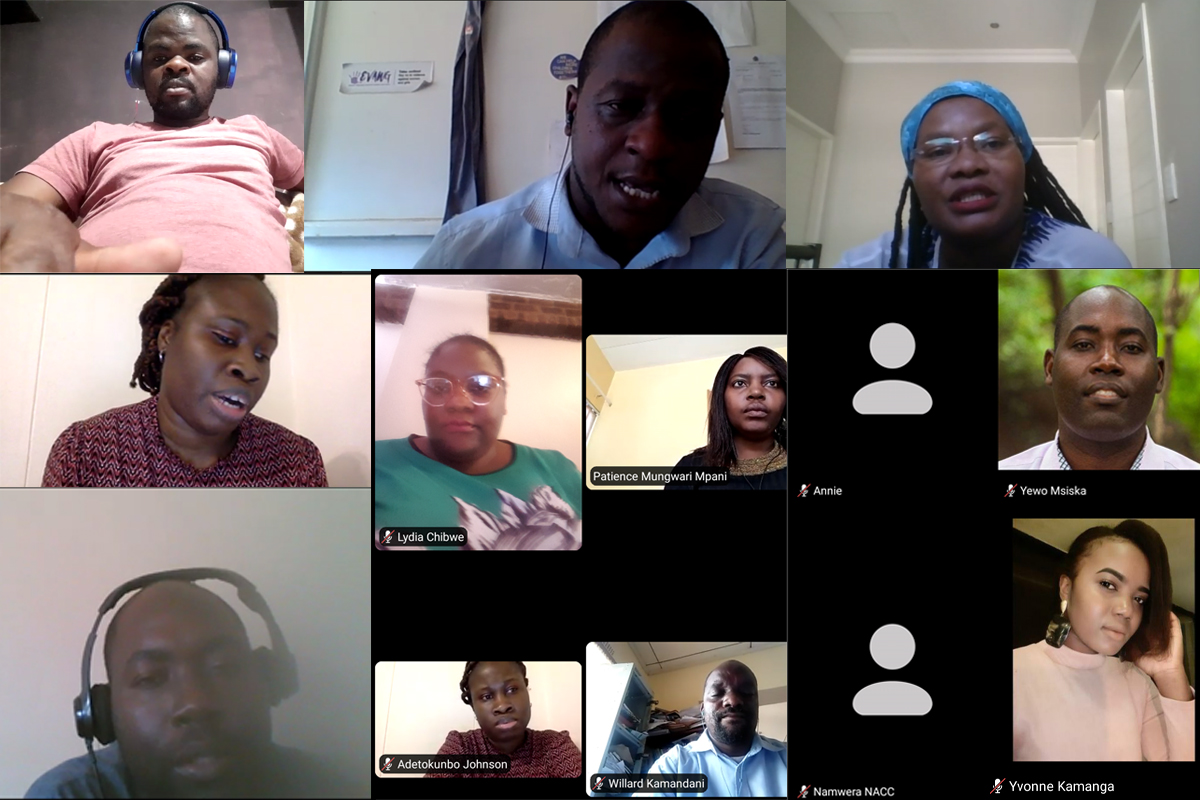
The Centre for Human Rights, Faculty of Law, University of Pretoria and the Tshwaranang Legal Advocacy Centre (TLAC), under the umbrella of the Solidarity for African Women's Rights (SOAWR) Network, held a three-day virtual workshop from 28 to 30 September 2020 on the Protocol to the African Charter on Human and Peoples’ Rights on the Rights of Women in Africa (Maputo Protocol) and shadow reporting. The aim of the workshop was to increase the number of shadow reports submitted to the African Commission on Human and Peoples’ Rights (African Commission) and to encourage a robust interaction of CSOs with the African Commission to effectively monitor the implementation of the Maputo Protocol.
- Details
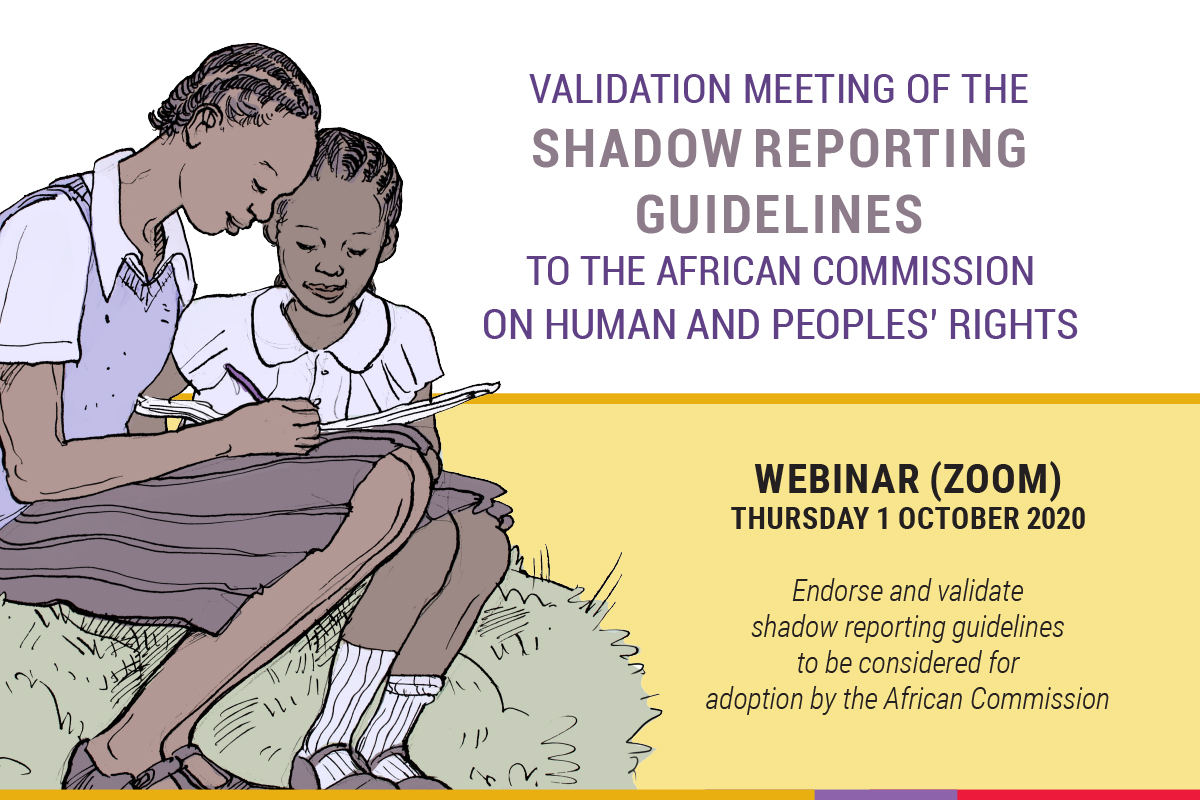
The Centre for Human Rights, Faculty of Law, University of Pretoria, in partnership with the International Commission of Jurists (ICJ Kenya) and Equality Now cordially invite you to a validation meeting of the shadow reporting guidelines to the African Commission on Human and Peoples’ Rights.
- Details
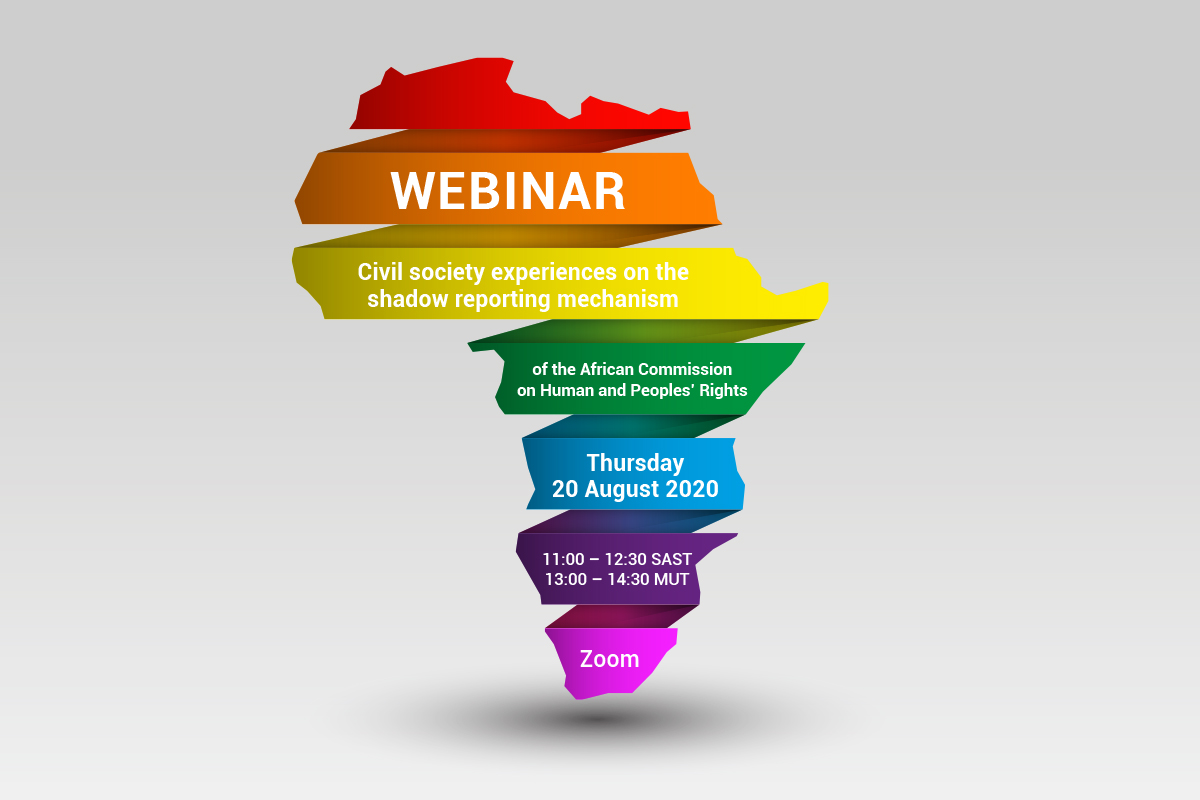
The Centre for Human Rights, University of Pretoria, the Human Rights Institute of South Africa, DITSHWANELO - The Botswana Centre for Human Rights and the Global Rainbow Foundation (Mauritius) cordially invite you to a webinar on civil society experiences on the shadow reporting mechanism of the African Commission on Human and Peoples’ Rights.
The webinar provides the opportunity to learn about the experiences of civil society organisations in using the shadow report mechanism for promoting human rights at national levels, especially in the absence of civil society reporting guidelines on shadow reporting to the African Commission.
- Details

(Please note that this is a re-advertisement for some of the countries from the initial call if you have applied previously you need not reapply)
The Centre for Human Rights has previously published research on the impact of the African Charter on Human and Peoples’ Rights (The African Charter) as well as the Protocol to the African Charter on Human and Peoples’ Rights on the Rights of Women in Africa (Maputo Protocol). The research was in the form of two editions of a publication, The Impact of the African Charter and the Maputo Protocol in selected African states published in 2012 and 2016 respectively. The Centre is building on this work through a new publication focusing solely on the impact of the Maputo Protocol.
- Details
(Op-Ed by Women's Rights Unit)
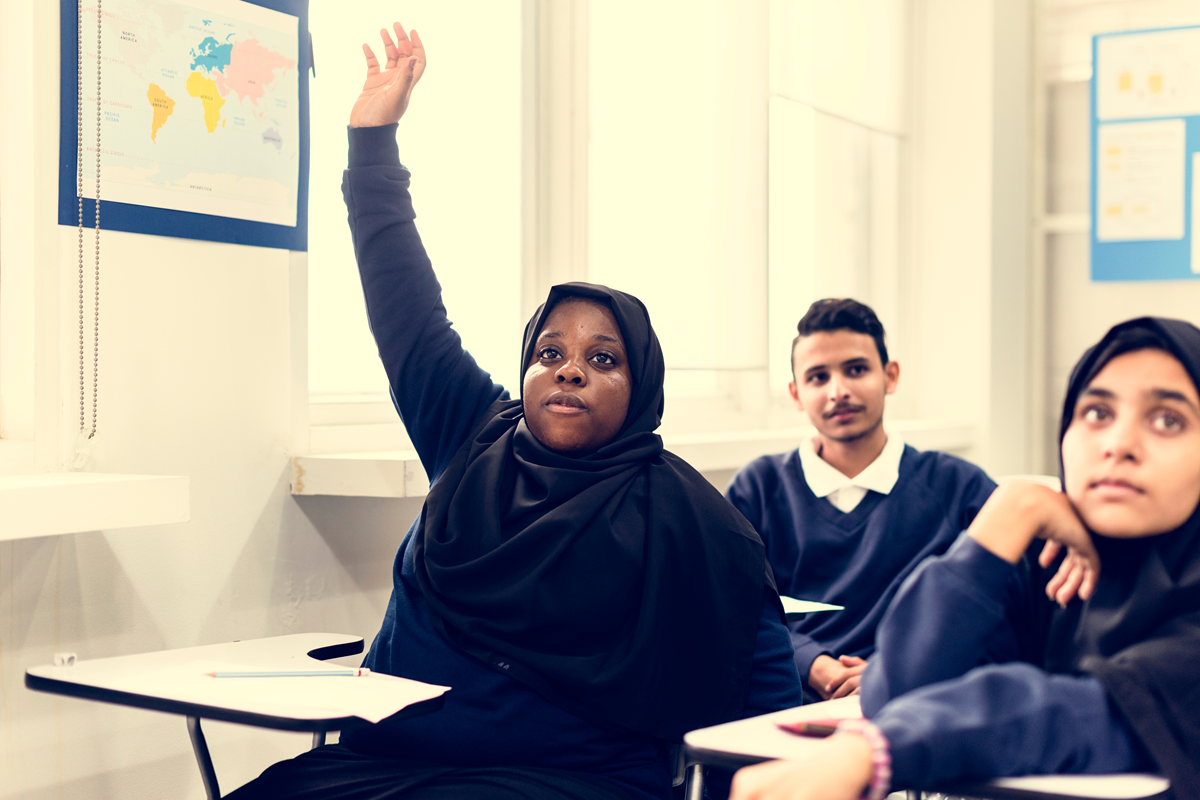
Youth Day in South Africa commemorates the Soweto youth uprising of 16 June 1976.[1] It is the day that many black students went on a protest rally against an official order which made Afrikaans compulsory in black township schools throughout the country.[2] The day is celebrated in order to recognize the role of the youth in the liberation of South Africa from the Apartheid regime.[3] On this basis, the African Union designated 16 June as the Day of the African Child. This year, Africa on this day commemorates the adoption, 30 years ago, of the AU’s main human rights treaty, the African Charter on the Rights and Welfare of the Child. As we at the Centre for Human Rights, University of Pretoria, remember the past, we also draw attention to the challenges that the present COVID-19 crisis presents to the youth particularly within educational settings.
- Details
Covid-19 and the impacts of concomitant government regulations on women
In conversation with Ms Patience Mungwari
- Details
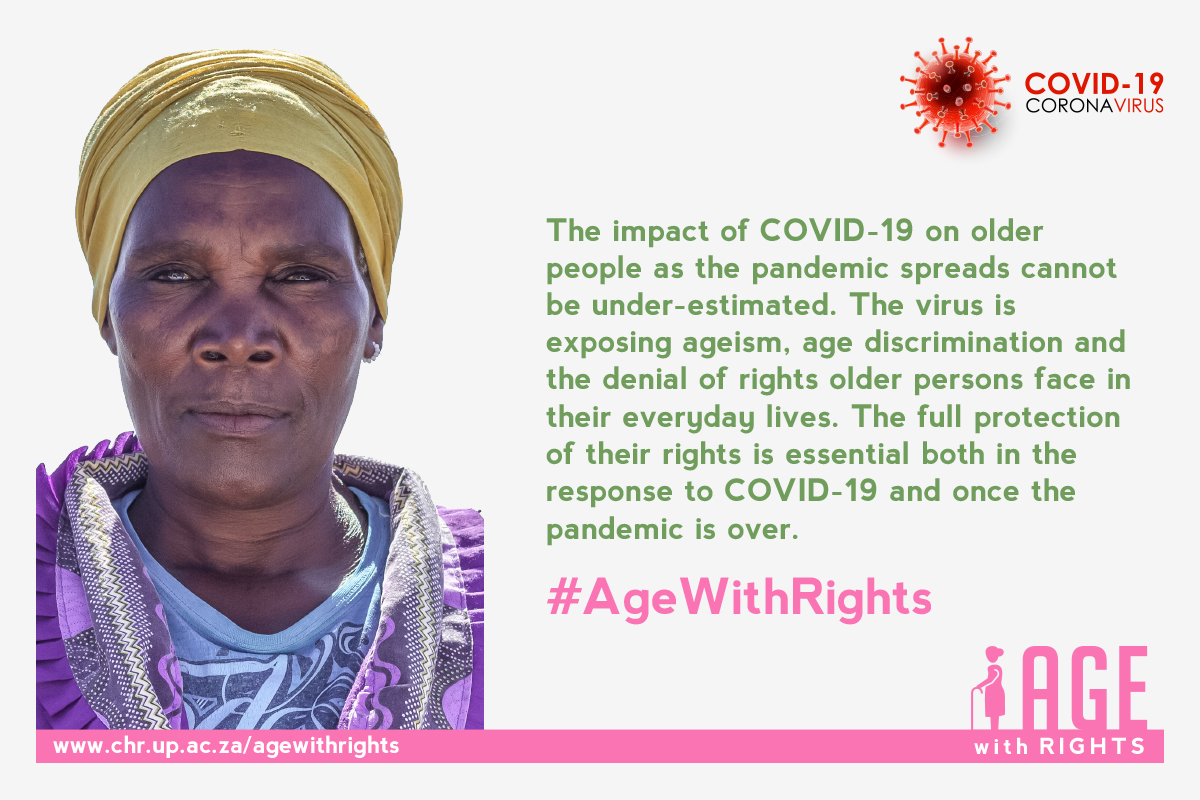
The Centre for Human Rights in an effort to spearhead the belief of leaving no one behind acknowledges the importance of a rights-based approach to ageing and calls for the promotion and protection of the rights of older persons.
- Details
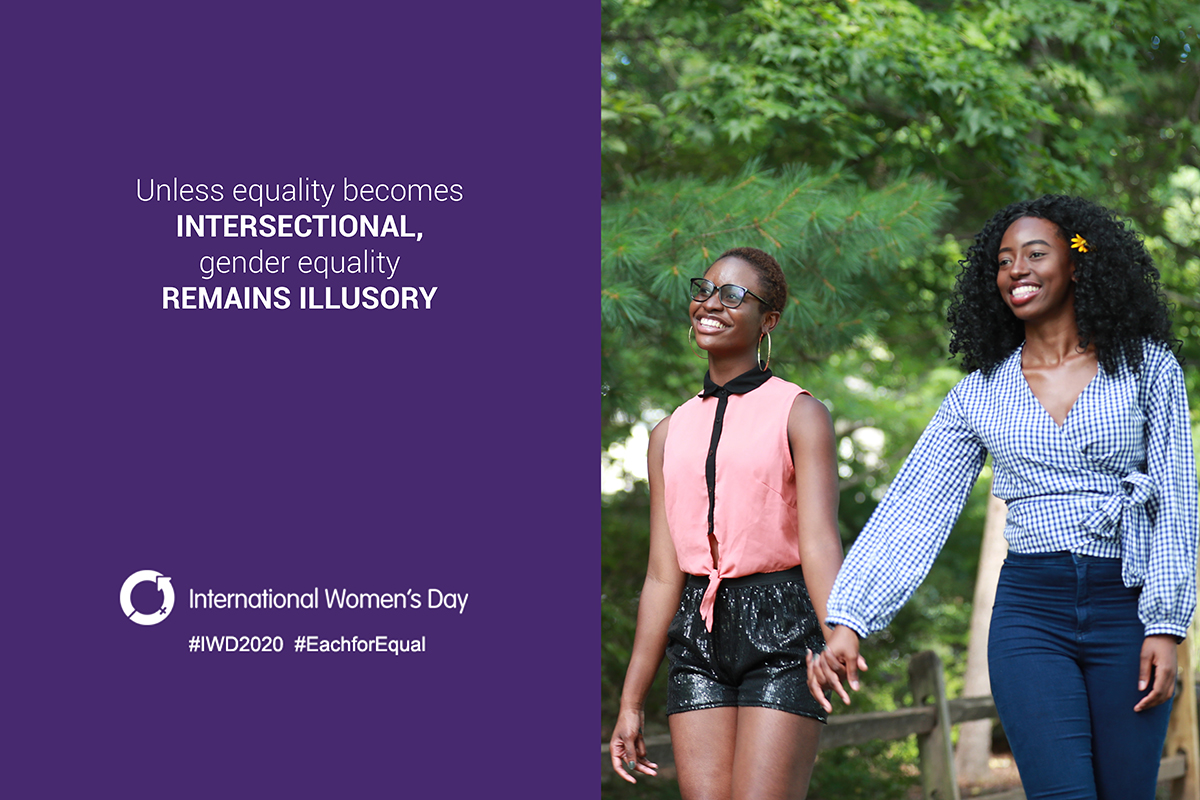
(Op-Ed by Ade Johnson, Thiruna Naidoo & Annie Bipendu)
International Women's Day (IWD), celebrated annually on 8 March, is an opportunity to reflect on the achievement of gender equality in the world, and particularly in Africa. The commemoration of IWD provides a chance to assess the changes and progress made towards the achievement of gender equality generally and the protection of the human rights of women and girls particularly.