- Details
|
The year 2013 provided numerous highlights: Another intake of students comprising 20 in total, started on the LLM (Trade and Investment Law in Africa). A final group of Master’s students completed the LLM (HIV and International Law in Africa), with 10 graduating in 2013. This programme had been presented in collaboration with the NOG, the Human Rights Development Initiative (HRDI). The Centre is a research-intensive department and, in 2013, contributed significantly to the research outputs of the Faculty of Law. Full report Download the 2013 Annual Report as one large file (6.4 Mb) Download the 2013 Annual Report as one large file (6.4 Mb) |
|

Individual chapters
Directors' Message Academic Programmes Human Rights Education Research & Advocacy Publications Staff Staff Activities Funders
- Details
|
The year 2015 was another full and fulfilling year at the Centre for Human Rights. The Centre comprises a core and two ‘satellites’. The one is the International Development Law Unit (IDLU) which operates as part of the Centre. The Centre was very fortunate to welcome back Prof Danny Bradlow in 2015, as head of this Unit. He also holds the SARChI Chair on International Development Law and African Economic Relations in Africa. The Centre also continued to support the Institute for International and Comparative Law in Africa (ICLA), which is also organically linked to the Centre. Through its Unlawful Killings Unit, the Centre supported the work of the UN Special Rapporteur on Extrajudicial, Summary or Arbitrary Executions, Prof Christof Heyns. On the academic front, the highlight certainly was the ten doctoral degrees awarded to candidates registered in the Centre. - Taken from the introduction to the Centre for Human Rights Annual Report 2015by Frans Viljoen, Director, Centre for Human Rights. |
|

Full report
Download the 2015 Annual Report as one large file (5.1 Mb)
Individual chapters
Directors' Message Academic Programmes Research & Post-doctoral fellows Centre Projects Publications International Development Law Unit Centre Personnel Funding
- Details
General contact details
Centre for Human Rights
Faculty of Law
University of Pretoria
South Africa
0002
+27 (0) 12 420 3810 / +27 (0) 12 420 3034
chr@up.ac.za
www.chr.up.ac.za
Postal address
Centre for Human Rights
Faculty of Law
University of Pretoria
Private Bag X20
Hatfield 0028
Republic of South Africa
Individual contact details
Please visit the Centre for Human Rights Staff Members for individual contact details of persons associated with the Centre for Human Rights.
Directions
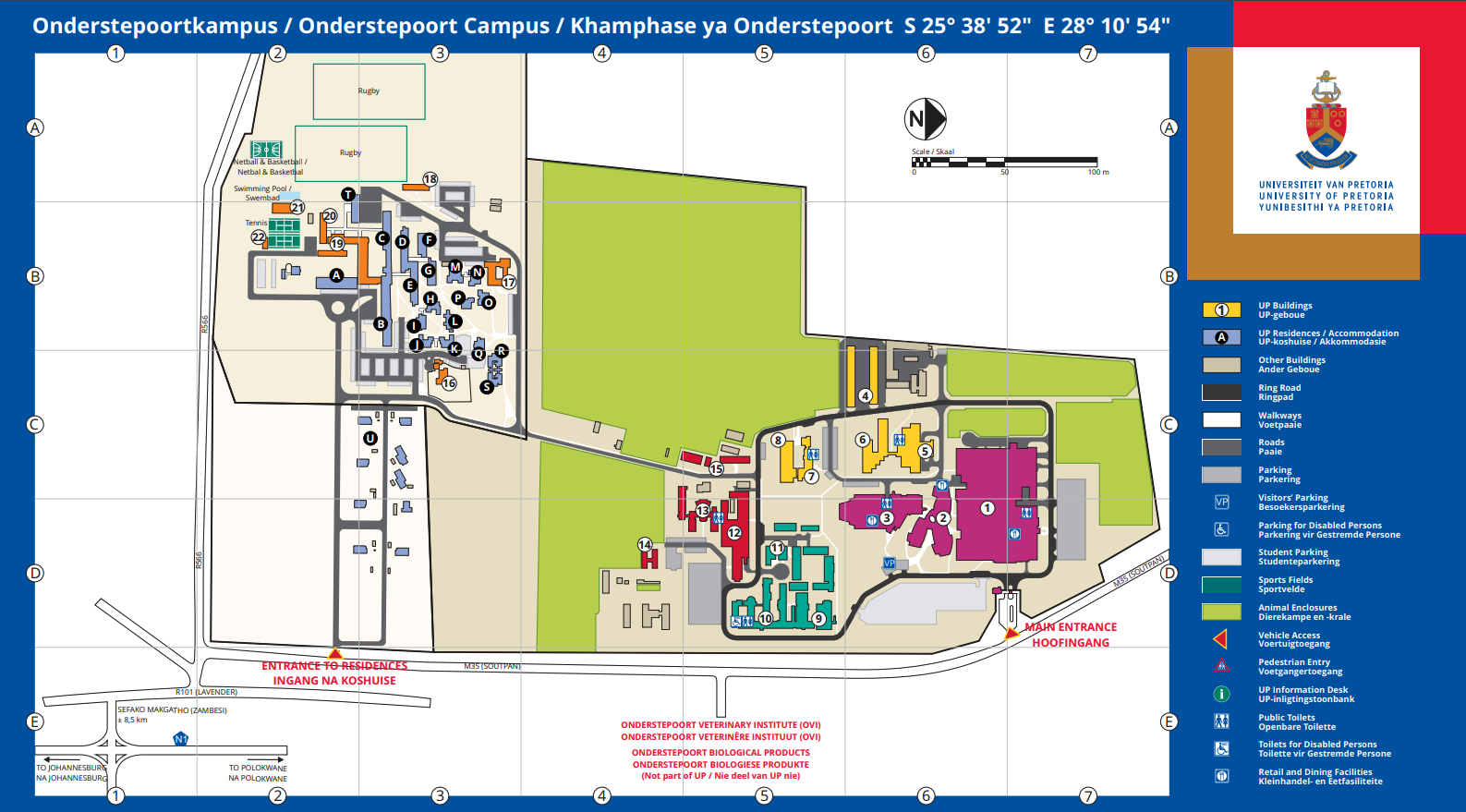
Campus Map
- Details
Electronic copies of the Centre for Human Rights Annual Reports are now available for download.
The following years are available:
Annual Report for 2023
We are honored by your interest in our work. This report provides a detailed account of the key activities that we undertook in the course of 2023. This report demonstrates our continued commitment to the advancement of human rights protection especially in the African context. We continued to pursue our mission through excellence in academic teaching and learning, research and publication, and advocacy to advance the promotion and protection of human rights.
Annual Report 2023
Annual Report for 2022
Dear friends of the Centre for Human Rights, Welcome to these pages, which tell the story of the activities of the Centre in 2022, as we emerged from and further adjusted from COVID-19 and a world in which human rights is continuously challenged by forces and factors as varied as populist nationalism, rising authoritarianism, lingering patriarchy and homophobia, and the questioning of human rights as a tool to achieve social justice
Annual Report 2022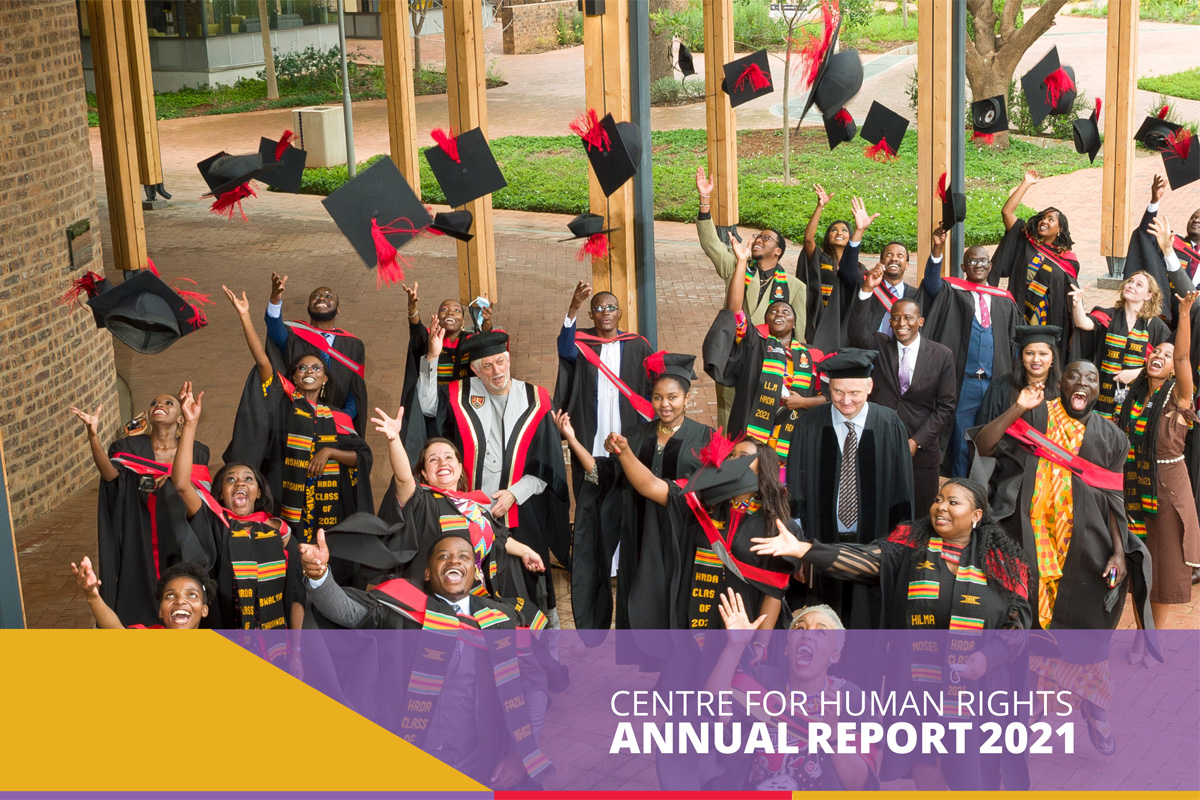
Annual Report for 2021
In 2021, the Centre marked 35 years since its establishment in 1986. The Centre has managed to accomplish much in 35 years, but only because of the support and friendship of its many partners and friends, and its growing pool of graduates who are not only advocates for human rights but also ‘ambassadors’ of the Centre.
Annual Report for 2020
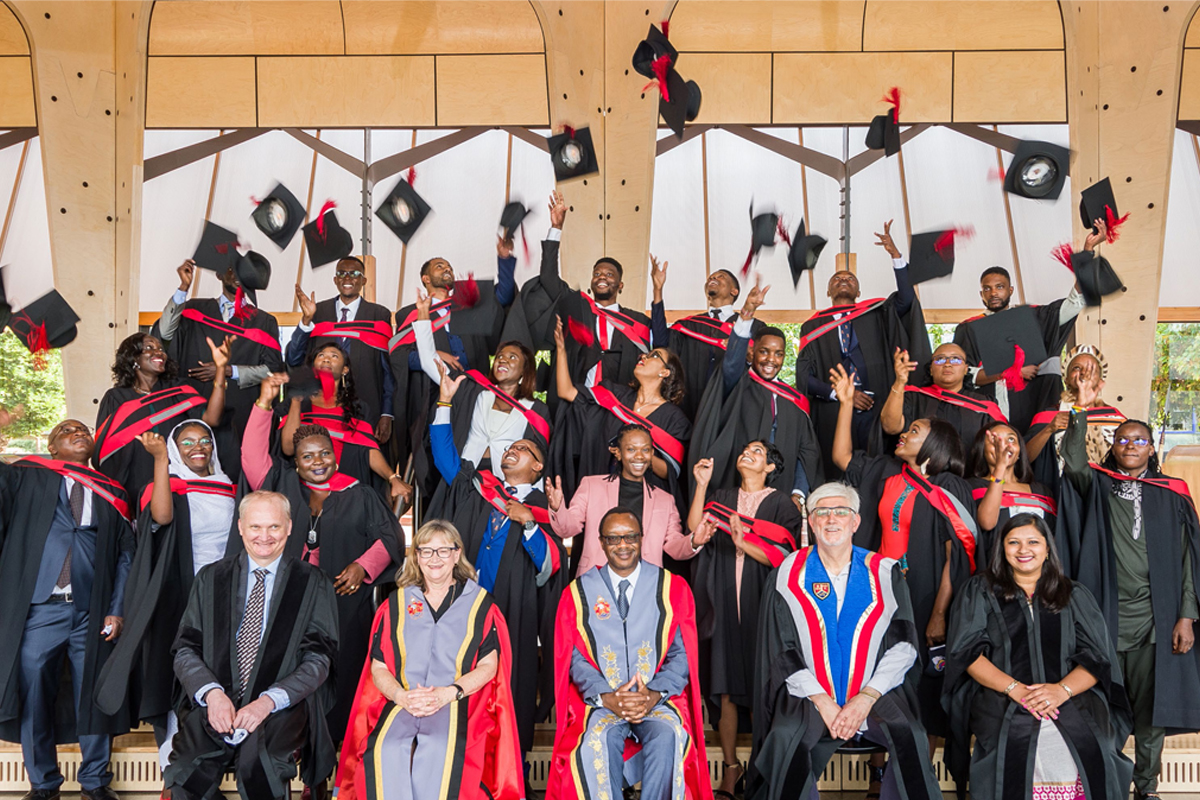
Despite the challenges, that came with the pandemic the, Centre staff adjusted with imagination and enthusiasm, and explored new ways of doing things and of growing in new directions. All the academic programmes were completed as scheduled, and the major events, such as the #AfricanMoot and Nelson Mandela World Human Rights Moot Court Competitions, took place through Zoom.
Annual Report 2020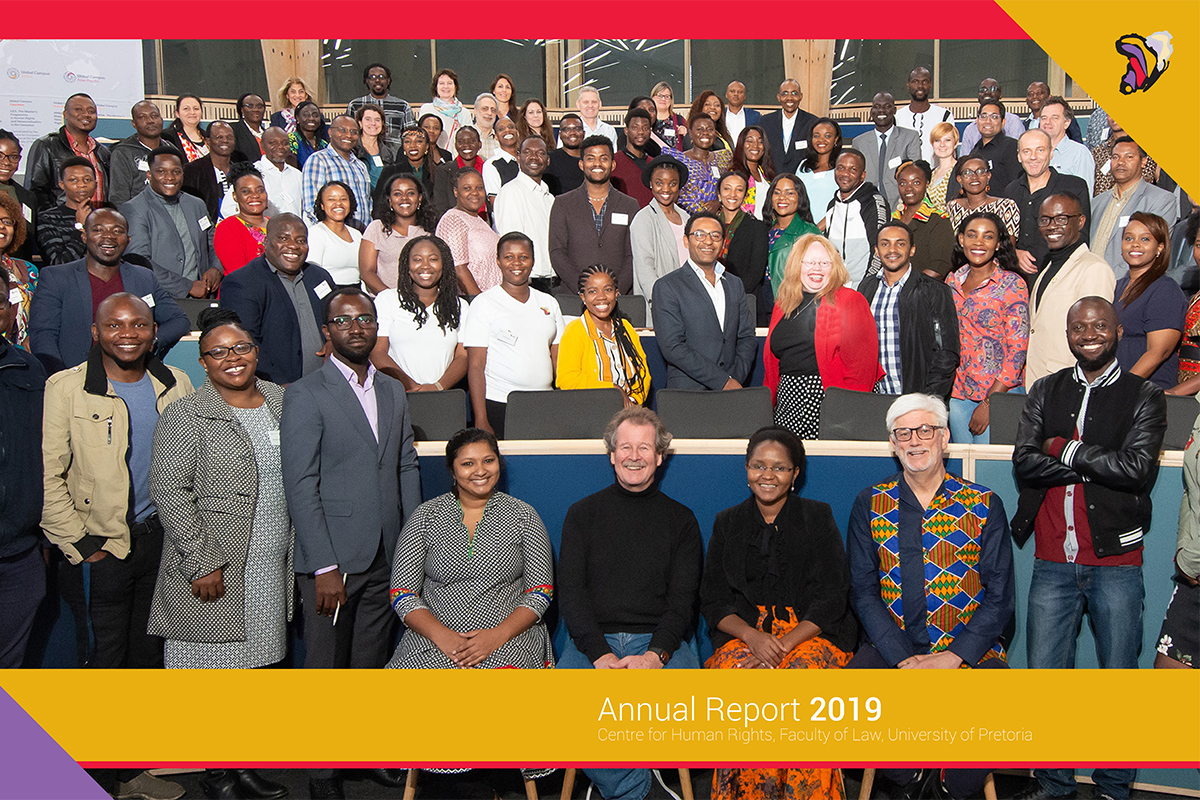
Annual Report for 2019
In an age during which human rights are increasingly intellectually questioned, and placed under political threat, it is reassuring and important that human rights institutions still prosper. In 2019, the Centre for Human Rights forged ahead to establish itself as a credible institution advancing the rights of particularly the most vulnerable among us in Africa, and to raise levels of understanding and awareness of rights on the continent.
Annual Report 2019
Annual Report for 2018
In 2018, the Centre – together with the rest of South Africa and the world – celebrated a number of human rights landmarks. We marked 100 years since the birth of one of the greatest sons of our soil and one of the greatest human rights icons, Nelson Mandela.
The Centre continued its manifold activities towards fostering a human rights culture in Africa, with academic programmes, research, contributing to the human rights discourse in Africa, advocacy and capacity building
Annual Report 2018
Annual Report for 2017
The Centre for Human Rights has over a decade established itself as a place of academic excellence. With the NRF ratings of 4 colleagues reconfirmed in 2017, all but one of the Centre’s 7 academics have a B or C rating. With 12 doctoral candidates graduating, the Centre saw the largest number of doctorates completing their studies in one year. In addition, 57 students graduated with Master’s degrees. This number included the first 5 graduates of the LLM/MPhil in Sexual and Reproductive Rights in Africa.
Annual Report 2017
Annual Report for 2016
The year 2016 was a year of remarkable coincidence and celebration. Both the Centre for Human Rights and the African human rights system commemorated 30 years of existence.
Over these three decades, both the Centre and the African human rights system grew in the scope of its activities and number of its staff, and have undergone consistent growth, strengthening and reinforcement, a process that can be described as ‘institutionalisation’
Annual Report for 2015
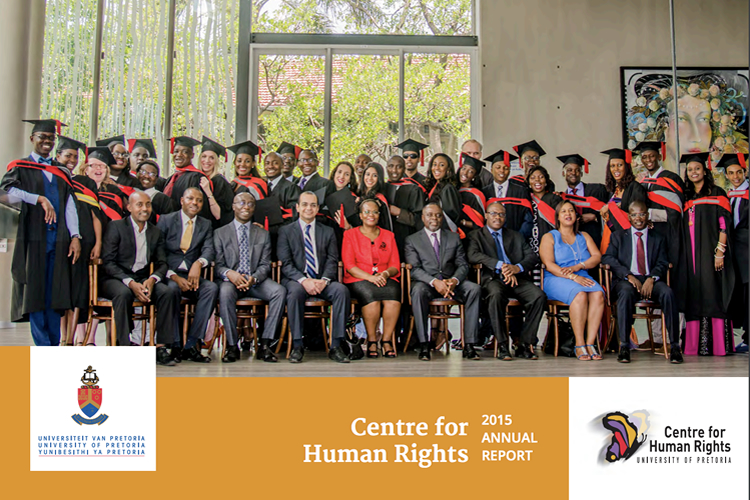
The highlight certainly was the ten doctoral degrees awarded to candidates registered in the Centre. This record number reflects one of the Centre’s aims, which is to contribute to the academic discourse and academic capacity in Africa. The Centre further runs four Master’s programmes, of which the LLM/MPhil in Human Rights and Democratisation in Africa has been in place the longest, with 455 alumni across the continent.
Annual Report 2015
Annual Report for 2014
In 2014 the Centre continued towards its primary aim of strengthening human rights in Africa, with a particular focus on supporting and improving the African regional human rights system, established under the auspices of the African Union (AU). In addition to working closely with a number of mechanisms of the African Commission, the Centre also supports the mandate of two UN Special Rapporteurs.
Annual Report 2014
Annual Report for 2013
The year 2013 provided numerous highlights.As an academic department, the Centre once again presented the Master’s programme in Human Rights and Democratisation in Africa. Twenty-six students from 19 countries graduated on 10 December 2013. This programme, which started as a Master’s in Law (LLM) in 2000, was changed in 2013 to also allow non-lawyers onto the programme, who graduate with the degree MPhil.
Annual Report 2013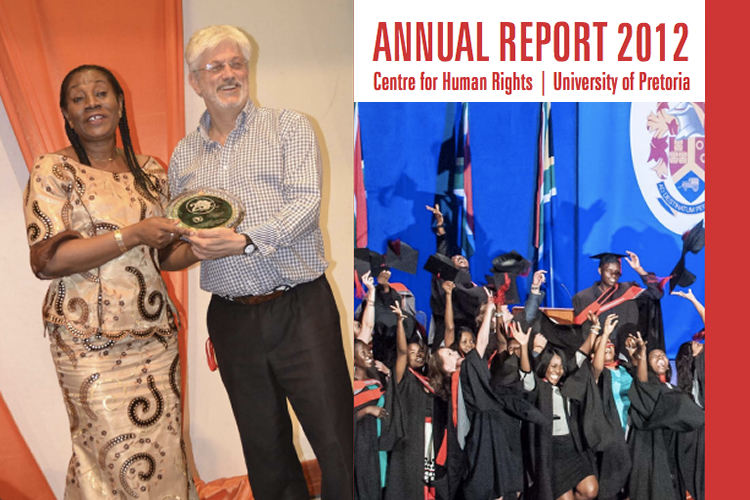
Annual Report for 2012
As this Annual Report testifies, the Centre was in 2012 as busy as ever with academic programmes and a variety of projects aimed at promoting and protecting human rights in Africa. Two highlights should be mentioned. The first is the coming of age of the African Human Rights Moot Court Competition. The Moot turned 21 in Maputo, Mozambique, as the Law Faculty of Eduardo Mondlane University became the first of the hosting institutions to organise the Moot for the second time.
Annual Report 2012
Annual Report for 2011
In 2011, the Centre looked back at its beginning, in 1986, the dark days of apartheid at a whites-only university. A conference on the possibilities of social justice, constitutionalism and a bill of rights in a future South Africa brought together an unlikely group of people, from all political perspectives – including those fiercely critical of the government of the day. Following the conference, Johann van der Westhuizen, then professor and head of department in the Faculty of Law, and other colleagues at the University of Pretoria founded the Centre.
Annual Report 2011
Annual Report for 2010
The year 2010 started on a very sad note for us at the Centre for Human Rights, when Gill Jacot Guillarmod passed away on 15 January after a brief period of illness. Gill was our respected and inspirational senior liaison officer. Gill was also our dear friend, trusted confidante, the beloved grandmother to our children, and the core of our social being. More than anyone else, she symbolised the kind heart and the sincere humaneness to which we as a Centre aspire.
Annual Report 2010
Annual Report for 2009
The year 2009 was dominated by the ten-year celebration of one of the flagship programmes of the Centre, the LLM (Human Rights and Democratisation in Africa). The highlight was the annual partners’ conference and graduation, which this year saw the participation of more than eighty alumni of the programme. As has become customary, the class of 2009 graduated on 10 December. Four doctoral candidates of the Centre also graduated. On that occasion, an honorary doctorate was awarded to the United Nations High Commissioner for Human Rights, Justice Navi Pillay.
Annual Report 2009
Annual Report for 2008
Since its formal recognition as an academic department in the Faculty of Law, the Centre for Human Rights has been able to invest its efforts in both formal academic programmes, on the one hand, and research, advocacy and less formal human rights teaching and training, on the other. The Centre continued with the Master’s in Human Rights and Democratisation in Africa, again preparing 30 of Africa’s most talented young lawyers to make a difference within the sphere of international human rights law in Africa.
Annual Report 2008
Annual Report for 2006 / 2007
During 2006 the Centre for Human Rights consolidated the shift of its focus of the last few years to a more explicit academic one, which culminated in the Centre becoming a fully-fledged academic department of the Faculty of Law. It was particularly gratifying that the work of the Centre over many years was recognised by the United Nations, when the Director-General of UNESCO announced on 10 December 2006 that the Centre had won the UNESCO Prize for Human Rights Education.
Annual Report 2006 / 2007
Annual Report for 2005
In January 2005, the Centre moved to its new offices and it now occupies two floors in the new Faculty of Law building of the UP. The move to a modern building, next to the Oliver R Tambo Law Library, was widely considered to be a huge improvement. The Masters’ programmes in human rights and trade and the short courses on good governance had full intakes, and brought outstanding lecturers and students from around Africa and abroad to Pretoria.
Read More
Annual Report for 2003
The year 2003 saw the consolidation and expansion of several projects at the Centre for Human Rights, as reflected in these pages.
The Centre now has a strong focus on academic issues, and in addition to Master’s Programmes and courses, an increasing stream of publications on Human Rights Law in Africa is emanating from the Centre.
Annual Report for 2002
2002 saw the consolidation and expansion of several projects at the Centre for Human Rights. Highlights involved the following: The African Human Rights Moot Court Competition was held for the 11th time and took place in Cairo; the continental LLM in Human Rights and Democratisation had its third intake; the Centre hosted the Jessup Competition and the Integrated Bar Project again placed about 150 senior black law students on internships with law firms.
Annual Report 2002
Annual Report for 2001
The rich diversity of the activities of the Centre for Human Rights during the year 2001 is captured in this report. The central focus of the Centre for Human Rights is on human rights law in Africa.
The Centre aims to make a contribution in this field through a number of projects, ranging from masters courses and short courses, to moot courts and research and publications.
Annual Report for 2021
In 2021, the Centre marked 35 years since its establishment in 1986. The Centre has managed to accomplish much in 35 years, but only because of the support and friendship of its many partners and friends, and its growing pool of graduates who are not only advocates for human rights but also ‘ambassadors’ of the Centre.
- Details
Institute for International and Comparative Law in Africa (ICLA)
The Institute for International and Comparative Law in Africa (ICLA) is a research institute located in the Faculty of Law of the University of Pretoria.
- Details
Constitution: Centre for Human Rights
(Faculty Board, Faculty of Law, 20 February 2023 Senate, University of Pretoria, 18 May 2023, S1828/23)
1. VISION AND MISSION
1.1 The vision of the Centre for Human Rights (“the Centre”) is a world in which everyone enjoys human rights and democratic governance.
1.2 The mission of the Centre is to work towards the realisation of human rights, particularly of the most vulnerable, with a focus on Africa, through innovative, cutting-edge and impactful teaching, training, research, capacity building, strategic litigation, advocacy and publication.
1.3 The Centre strives for ubuntu (humanity) and excellence in all its undertakings.
2. VALUES
2.1 The Centre is guided by human rights, in particular the principle of non-discrimination, equality, human dignity, and respect for everyone. It adopts a human rights-based approach to all its activities.
2.2 We are bound by and uphold all University policies. In particular, we strongly disapprove of sexual harassment, misuse of authority, racism, homophobia, and other forms of intolerance. The Centre is committed to transformation and diversity in its programmes, projects, staff composition and internal functioning.
2.3 We act with compassion to ensure the inclusion and protection of those most vulnerable to human rights violations.
2.4 We aim to provide a non-judgmental and participatory convening space where intellectual freedom prospers. We fully subscribe to the principle of academic freedom.
2.5 We commit ourselves to act with integrity in all our endeavours, by acting with fairness to all.
2.6 We consider ourselves to be accountable to everyone involved in our work, our partners, our colleagues, the Faculty and the broader University. We uphold the principle of transparency.
2.7 We commit ourselves to act with excellence and professionalism, and be effective and efficient in our use of resources and our reporting to donors, in terms of specific grant agreements.
2.8 We strive to advance the spirit of ubuntu by cultivating acceptance of diversity and difference, and by working in solidarity with each other and our partners.
2.9 We endeavour to foster a critical pan-African identity.
2.10 We commit ourselves to invest in the future of Africa’s youth.
3. STATUS
3.1 The Centre has a dual nature:
- It is an academic department within the Faculty of Law, and subject to all the academic prescripts and Regulations of the University.
- It is also a non-profit human rights institution housed by the University, with a specific focus on human rights-based research, education, capacity building, advocacy and publication. In this respect, the Centre carries out public benefit activities, in a non-profit manner and with an altruistic intent.
3.2 These two components are not separate from each other, but are inter-related and function in complementarity with each other in order to further enhance the principles of human rights in the University, domestically, regionally and globally.
3.3 The Centre will not use its resources directly or indirectly to support, advance or
oppose any political party.
3.4 The Centre reports annually to the Board of the Faculty of Law (Faculty Board) on its activities, income and expenditure.
3.5 The Centre reports annually to the Centre’s Advisory Board on the activities undertaken.
4. GOVERNANCE STRUCTURE
4.1 Board of the Faculty of Law
The Board of the Faculty of Law and the Senate of the University are the Centre’s highest decision-making bodies.
4.2 Advisory Board
The Centre has an Advisory Board, which provides strategic advice on sustainability and advocacy-related matters.
4.2.1 Composition
i. The Advisory Board consists of:
- The Dean of the Faculty of Law (who also serves as Chairperson of the Board).
- The Executive Committee of the Centre: the Director, Assistant Directors, Finance Manager, and the Office Manager.
- Two staff members of the Centre, elected by the other members of staff for a non-renewable period of four years.
- Five external members of the broader African human rights community, recognised for their experience and knowledge in the field of human rights, especially in Africa.
These members serve a four-year term, renewable once for another four years.
ii The Executive Committee, after consultation with the full-time staff members of the Centre, proposes candidates for the five external positions referred to under point 4(i)(d) above, for approval by the Faculty Board.
iii In the appointment of these five external members, the need for the Board to reflect the diversity of the African community, especially in respect of race and gender, must be taken into consideration.
iv If any of the five external members of the Board fail to reasonably exercise their duties, they may be relieved of their duties by a formal resolution of the Faculty Board. of the Faculty of Law.
4.2.2 Quorum
- Seven members of the Board form a quorum, provided that at least three external members are present at the meeting.
- Decisions are taken by consensus, and if there is a dispute, by a majority vote.
- The Advisory Board meets at least once a year.
4.3 Executive Committee
4.3.1 Composition
The Executive Committee consists of the Director, Assistant Directors, Financial Manager, and the Office Manager.
4.3.2 Functions and competencies
- The Executive Committee ensures staff development, wherever possible.
- The Executive Committee coordinates the management of the projects of the Centre.
- The Executive Committee co-ordinates fund raising.
- The Executive Committee meets at least once a month. It takes its decisions by consensus, and if there is a dispute, by a majority vote.
4.4 Managers’ Meetings
4.4.1 The Managers of Units, projects, and academic programmes meet at least four times a year. These meetings are convened by the Director. Additional meetings will be convened at the request of at least three Managers.
4.4.2 The meeting serves as a forum to discuss aspects related to the operations of the Centre. The meeting makes recommendations to the Director or Executive Committee.
5. STAFFING STRUCTURE OF THE CENTRE
5.1 Office-bearers
5.1.1 Director
- The Director is responsible for the management and financial control of the Centre.
- The Director is the academic and administrative head of the Centre, overseeing all of the academic aspects of its projects and activities.
- The Director holds the position of head of department, and represents the Centre in the Faculty and University’s management and academic structures.
5.1.2 Assistant Directors
- The two Assistant Directors’ portfolios are: ‘Programmes’ and ‘Operations’ and they oversee the administrative and financial aspects of all programmes, projects and activities of the Centre, in collaboration with the Director.
- The Assistant Directors are responsible for any duty or function delegated to them by the Director, in accordance with the prescripts of the University.
- The Director designates an Assistant Director to serve as Acting Director in his or her absence. When both the Director and the two Assistant Directors are absent at the same time for a significant period, the Executive Committee will appoint an Acting Director in consultation with the Dean of the Faculty.
5.1.3 Financial Manager
- The Financial Manager administers the Centre's funds, working with the Department of Finance of the University of Pretoria.
- The Financial Manager submits monthly financial statements to the Executive Committee, and to the Faculty and the administration of the University as required.
5.1.4 Office Manager
- The Office Manager coordinates the daily activities of the Centre and bears responsibility, at Executive Committee level, for specific projects identified by the Executive Committee.
- The Office Manager is responsible for the secretariat services to the Advisory Board and Executive Committee.
5.1.5 Staff members
- All staff members, including the office-bearers of the Centre, are appointed and remunerated in accordance with the prescripts of the University of Pretoria.
- Programme/Project Officers report to the relevant Programme/Project Manager, who reports to the assigned Executive Committee member.
6. FINANCES
6.1 The Centre raises funds from donor agencies and through courses, and is provided for in the budget of the Faculty of Law of the University of Pretoria.
6.2 The funds raised by the Centre are held by the University of Pretoria, and accounted for in accordance with the financial and audit prescripts of the University.
6.3 The use of the Centre’s funds is audited annually in accordance with the prescripts of the University.
7. AMENDMENT AND REVIEW OF THE CONSTITUTION
7.1 Amendments to the Constitution may be initiated by the Executive Committee or any staff member. Proposed amendments are sent for approval by the Faculty Board and Senate, after consultation with staff.
7.2 The Constitution will be reviewed every five years.
8. DEFINITIONS
In this Constitution, unless the context indicates otherwise:
“Centre” means the Centre for Human Rights;
“Constitution” means the Constitution of the Centre for Human Rights as adopted and approved by the Faculty of Law and Senate of the University;
“Faculty” means the Faculty for Law;
“Faculty Board” means the Faculty Board of the Faculty for Law;
“University” means the University of Pretoria.
Adopted and approved on this 20th day of February 2023.
- Details
The Centre's Advisory Board consists of:
Dean of the Faculty of Law (who also serves as Chairperson of the Board)
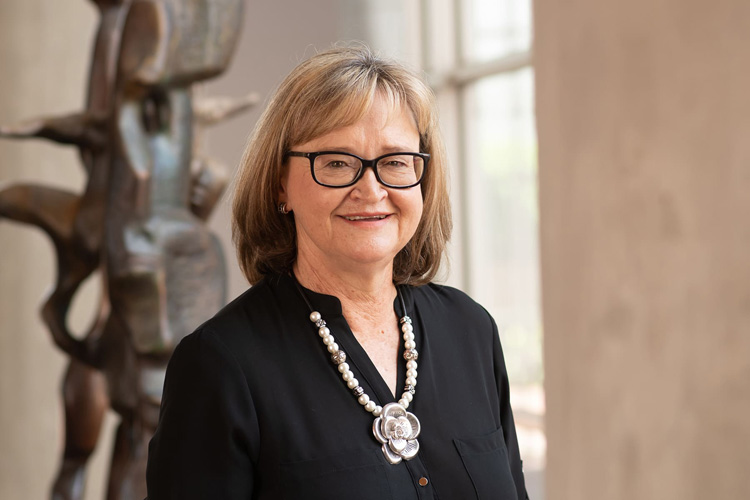
the Executive Committee of the Centre: the Director, Assistant Directors, Finance Manager, and the Office Manager.
Two staff members of the Centre, elected by the other members of staff for a non-renewable period of four years.
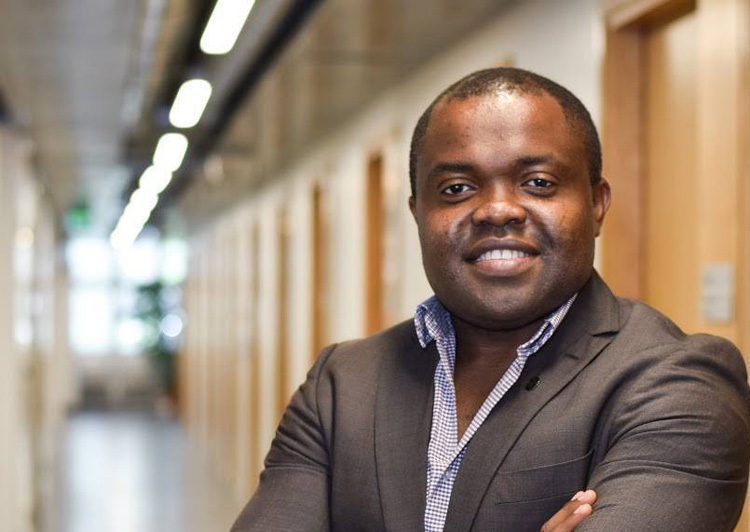

Five external members of the broader African human rights community, recognised for their experience and knowledge in the field of human rights, especially in Africa. These members serve a four-year term, renewable once for another four years.


- Details
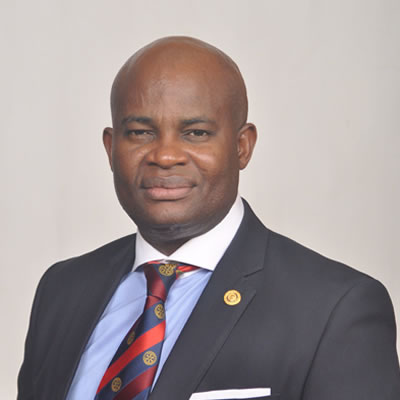
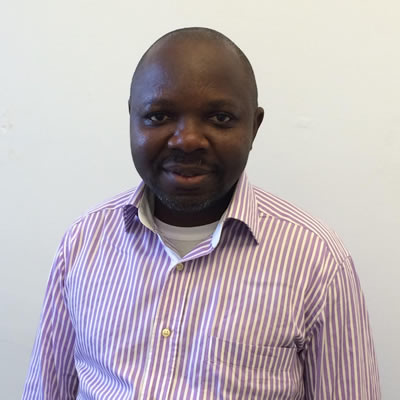
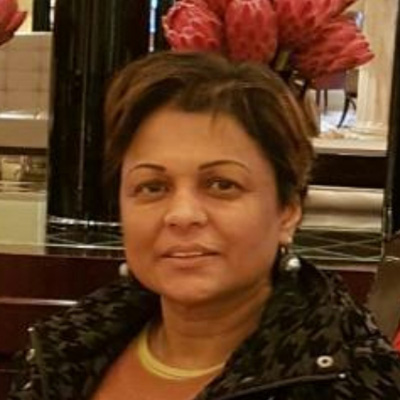
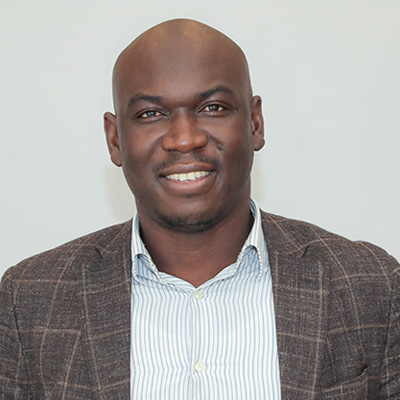
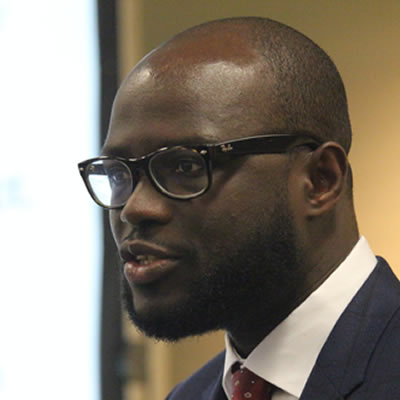
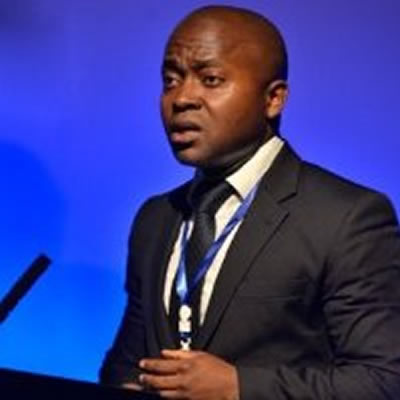
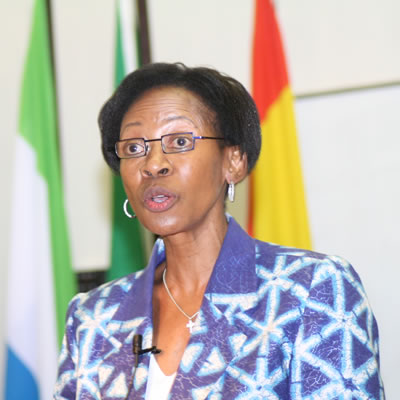
Extraordinary Professors
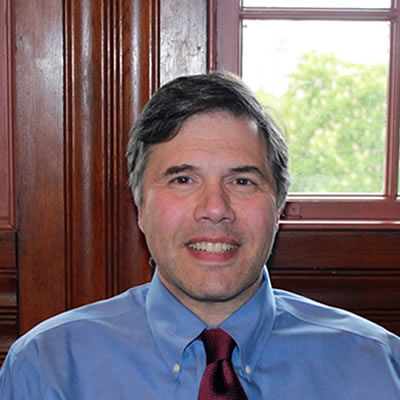
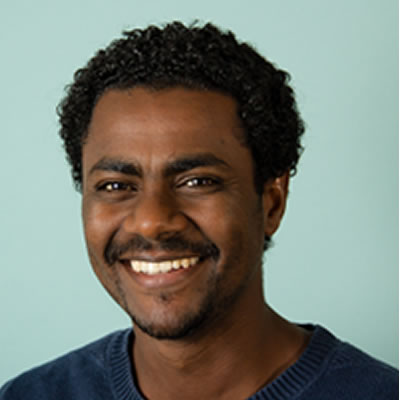
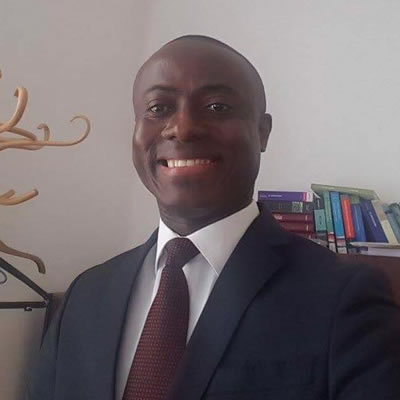
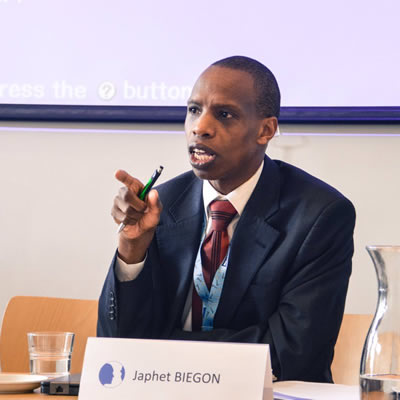
Extraordinary Lecturers






Former Extraordinary Professors
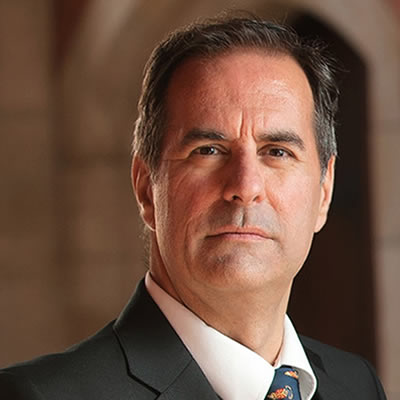


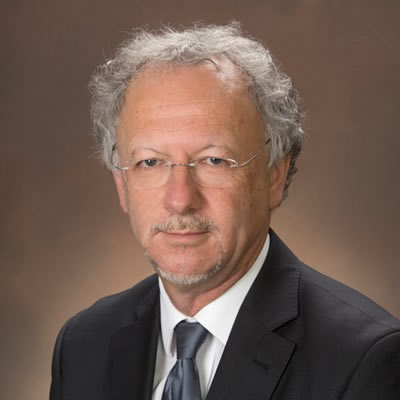
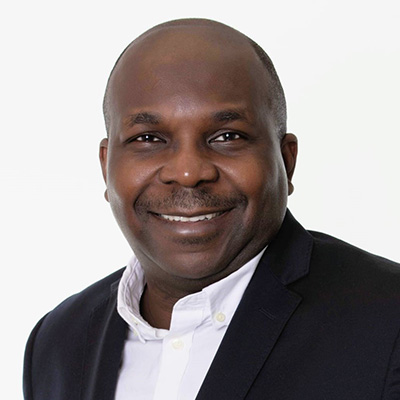

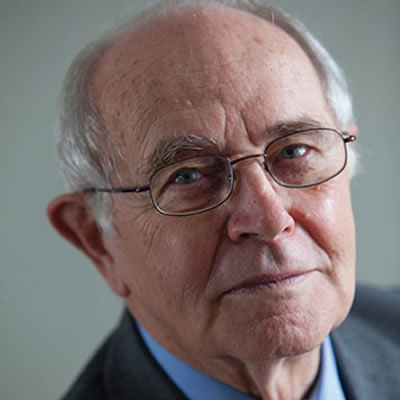
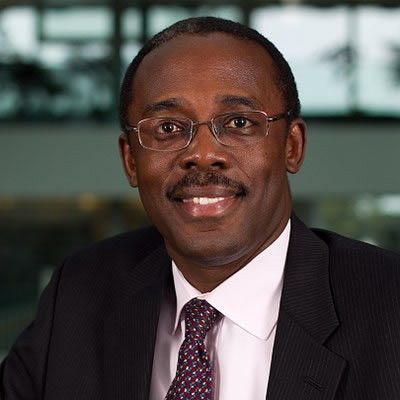
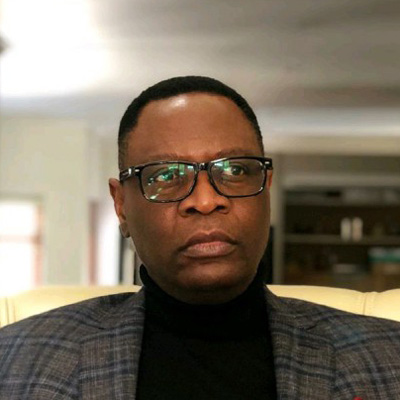
Member: United Nations Committee on the Rights of the Child (2017-2021)
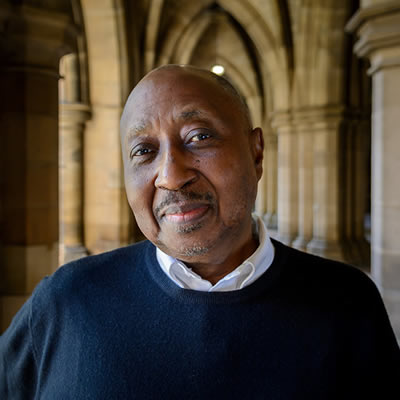
UN Independent Expert on foreign debt and human rights (2008-2014)

Former Honorary Professors
Former Extraordinary Lecturers




- Details
The Institute for International and Comparative Law in Africa (ICLA) is a research institute located in the Faculty of Law of the University of Pretoria. The ICLA was established at the beginning of 2011 and is located in a renovated double-story house next to the Law Building on the Hatfield Campus. The Institute houses an extensive collection of antique furniture and art and also serves as the Christo Coetzee museum.
Drawing on the extensive networks that the Faculty has established over many years in Africa and beyond, the objective of the ICLA is to become a port of call for those who wish to engage in legal research and legal reform in Africa involving comparative or international law at the advanced level.
 For more information about ICLA, click here
- Details
The mission of International Development Law Unit (IDLU) is to conduct and promote policy-oriented legal research on international development law topics. Its focus is on how international legal principles can be incorporated into the procedures, operating principles, laws and regulations, and structures required to promote sustainable and equitable development at the global, regional, national, and community level, with a particular emphasis on the needs of Africa in general and Southern Africa in particular. Its current activities include the reform of international financial governance and promoting socially and environmentally responsible infrastructure and extractive industry projects.
In addition to its research activities, IDLU also seeks to stimulate discussion and debate on topics related to international development law by arranging lectures and the publication of short articles in the media on topics of current interest relating to international development. It also sponsors doctoral students and participates in the Centre's LLM in International Trade and Investment Law for African Lawyers.