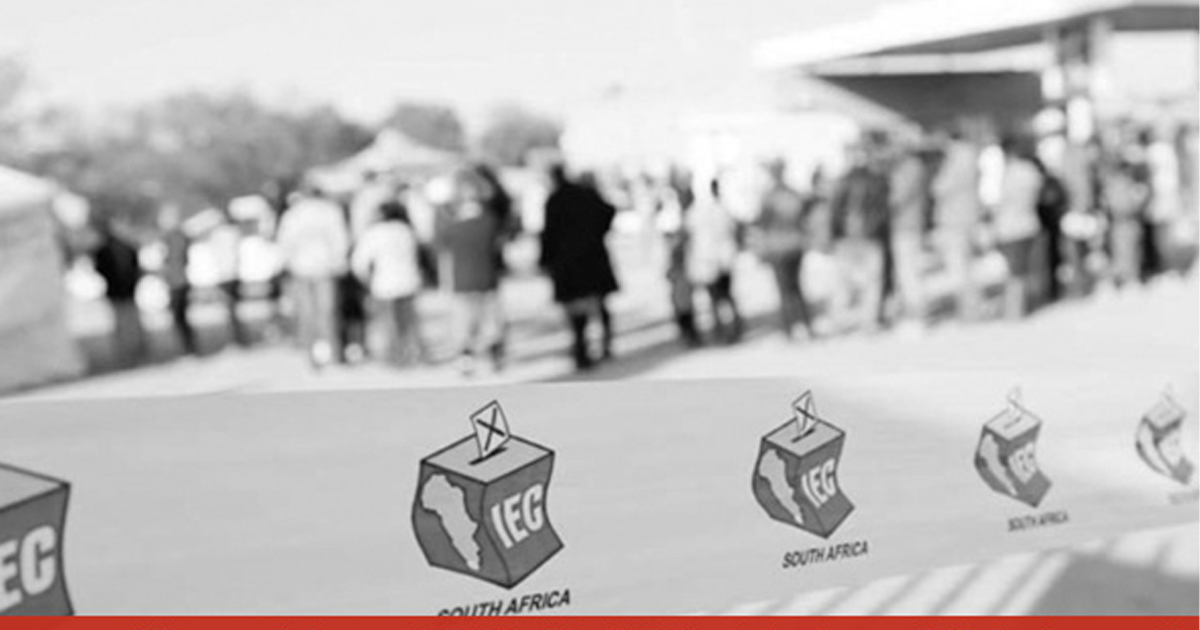
South Africa’s local government elections, to elect the municipal tier of government, are constitutionally mandated through section 159 of the Constitution of South Africa to take place every five years. These elections were scheduled to take place towards the end of 2021 and have been the subject of great deliberation in the nation. Conducting elections during a pandemic has been the subject of much debate on the continent and worldwide, with certain countries choosing to continue with elections amid the pandemic and others choosing to postpone their elections amid concerns of the risks involved. Nations on the continent that have held elections during the pandemic include Zambia, Malawi, Ghana, Rwanda, Uganda and Côte d’Ivoire. Given the extent of the risks of holding elections during the pandemic and mixed calls on whether to postpone or continue with elections in the nation, the Independent Electoral Commission (IEC) of South Africa ordered an inquiry commission to determine the nation’s capacity to hold free, fair elections during the initially scheduled period in October.
Regulations
COVID-19 Declaration of National Health Emergency by the Ministry of Health
Declaration of National Health Emergency


 A. Nature and description of emergency COVID-19 measures taken by Kenya
Kenya’s emergency measures were two-fold. There were mitigation measures prior to the first reported case of COVID-19 and since the first case, a series of directives by a variety of government ministries made for the emergency measures. Some of the directives were backed by legal notices and statutes (or amendments to statutes). The Ministry of Health was the focal state agency charged with the coordination of the emergency measures. This is because Section 35 and 36 of the Public Health Act Cap 242 obligate the Minister of Health to make rules to prevent threats of or in the event of a ‘formidable epidemic, endemic and infectious disease.’ Subsequently, on 27 March 2020, the health minister issued a legal notice, Public Health (Declaration of Formidable Disease) Order 2020. In addition, the World Health Organisation advisories informed the directives issued by the state and there was assistance from international organisations such as USAID, United States Centres for Disease and Control and Prevention, and Africa Centres for Disease Control and Prevention in implementing the measures
Mitigation measures
As early as 2 February 2020, the Ministry of Health (MoH) issued daily global updates on the spread of COVID-19 and directives on Kenya’s response to the virus. Surveillance and monitoring systems were deployed at all points of entry, health facilities and communities across the country, with a focus on persons with respiratory-related illnesses and those who had a recent travel history to China. There was also a consistent appeal to the public to maintain basic hand and food hygiene. On 13 February 2020, the MoH reported that 99,706 travellers had been screened nationwide, a combination of 400 public and private sector healthcare workers from health facilities and points of entry had been trained on dealing with suspected cases of COVID-19, some hotline numbers for reporting COVID-19 cases was established and the country’s isolation capacity, as well as in-country diagnostic capacity, was increased. On 19 February 2020, the MoH had procured 5,000 personal protective equipment with support from USAID. President Uhuru Kenyatta through Executive Order No. 2 of 2020 established the National Emergency Response Committee on Coronavirus, chaired by the Cabinet Secretary of the MoH, on 28 February 2020 charged with coordinating Kenya’s preparedness, prevention and response to the threat of the pandemic including conducting economic impact assessments and developing mitigation strategies regarding the pandemic. On 4 March 2020, the National Emergency Response Committee on Coronavirus launched the County Emergency Response Committees situated in all the 47 counties of Kenya chaired by the respective governors. These committees were instructed to draft budgets for setting up emergency response centres and to establish contingency funds for public health emergencies, constructing and equipping isolation centres in strategic locations. Further, the committees were advised to urge the residents of their counties to self-quarantine in the event of infection particularly if the infection occurs at places frequented by large numbers of people such as market areas, churches and matatus (public minibuses).
Meantime, the Council of Governors reported that they had rolled out programmes in vernacular radio stations to educate communities in their counties on COVID-19 preventive measures.
Measures subsequent to the first reported case
The MoH reported Kenya’s first COVID-19 case on 13 March 2020 coupled with some measures that would be effective for 30 days. For instance, temporary closure of prison visits, suspension of public gatherings, meetings, religious events and games, travel restrictions outside the country unless absolutely necessary, inter-school competitions were banned although schools were not closed, Kenyans were urged to desist from using social media to spread misinformation, fear and panic as well as advised to stay at home should they be feeling unwell with symptoms like coughing, sneezing and breathing difficulties. On 15 March 2020, President Kenyatta suspended travel for all persons entering the country from countries with reported COVID-19 cases, persons who had entered the country within 14 days were instructed to self-quarantine and should they have the symptoms, present themselves to the nearest health facility for testing. Other directives included: suspension of learning in all education facilities (18 March for schools and 20 March for tertiary institutions), government officers, businesses and companies were encouraged to allow their employees to work from home with the exception of essential service providers, and cashless transactions were encouraged to avoid the risk of physically handling money, thus, banks were requested to the lower the cost of transactions.
Pursuant to the Public Order Act Cap 56 and attendant legal notices, curfew orders (lockdown orders) that were amended from time to time were employed as additional emergency measures. Section 8 and 9 mandate the Cabinet Secretary for Interior, and Coordination of National Government, on the advice of the Inspector General of the National Police Service to direct curfew orders, were considered necessary for public order, while Section 9 provides the same obligation to police officers in a particular county or police division. On 27 March 2020, the Cabinet Secretary for Interior through a legal notice, Public Order (State Curfew Order) 2020, instructed a nationwide daily curfew applying from 7 pm to 5 am for a period of 30 days. Within this timespan, public gatherings, processions or movement was prohibited unless the person or group had written permission from a police officer in charge of a county or police division. Accordingly, police officers were mandated with the enforcement of the curfew orders. Further, the curfew order did not apply to some essential services, which were listed in the schedule of the curfew order. The Law Society of Kenya successfully petitioned the High Court to declare police use of force in enforcing this curfew order unconstitutional because it arbitrarily limited freedom of assembly, association and movement. The operability of the curfew order was nonetheless upheld, therefore, the Ministry of Defence has continuously amended the state curfew orders over time. For instance, the Public Order (State Curfew) Variation Order 2020 issued on 30 March 2020, instructed employers to release their (non-essential service) workers at 16:00. On 17 April, through Public Order (State Curfew) Variation Order 2020, Kenya Ferry Services employees handling cargo were enlisted as essential services.
By virtue of the Public Health Act, the MoH also issued curfew orders. Through Public Health (Prevention, Control and Suppression of Covid-19) Rules, 2020, landlords, employers, owners of businesses premises were obligated to notify the MoH on suspected COVID-19 cases; furnished medical officers/public health officers with the power to quarantine persons, search and inspect premises, and direct the use of a premise suspected to be contaminated including evacuations and restricting entry. The rules also created the offence of escaping a quarantine centre that attracted a fine of up to Ksh 20,000 or an imprisonment sentence of up to two months. Further, the MoH could declare regions as infected areas.
On 6 April 2020, through the Public Health (Covid-19 Restriction of Movement of Persons and Related Measures) Rules, 2020 the MoH could restrict movement in a restricted area unless the movement involved the transportation of food, construction material, fuel and pharmaceutical products or ambulances transporting patients to health facilities within an infected area. Consequently, the MoH instructed a cessation of all movement in and out of Nairobi Metropolitan Area through Public Health (COVID- 19 Restriction of Movement of Persons and Related Measures) (Nairobi Metropolitan Area) Order, 2020 for a period of 21 days. On 8 April 2020, a similar containment measure was mandated in Kwale County through Public Health (COVID-19 Restriction of Movement of Persons and Related Measures) (Kwale County) Order, 2020; Mombasa County through Public Health (COVID-19 Restriction of Movement of Persons and Related Measures)(Mombasa County) Order, 2020; and Kilifi County through Public Health (COVID-19 Citation. Restriction of Movement of Persons and Related Measures) (Kilifi County) Order, 2020.
At the county level, on 1 April 2020, the Council of Governors reported that they had received support from the National Government to recruit 6,656 health workers for COVID-19 emergencies only. Further, as of 20 March 2020, Kenya Medical Supplies Authority had distributed 694 surgical masks, 32,000 face masks, 910 medical disposal overalls, 735 face shields, 610 goggles, 796 boxes (with 50 pairs each) of examination gloves, 140 pairs of gumboots, 2,000 N95 masks.
 B. Democracy-related issues arising from COVID-10 responses of states Kenya
Elections
In preparation for the 2022 General Elections, the Independent Electoral and Boundaries Commission (IEBC) published the Protocols for Conducting Electoral Activities in the Covid-19 Context in October 2020 detailing how all the processes within the electoral cycle would be carried out in view of the pandemic. The protocols nonetheless have assisted in facilitating some by-elections and the ongoing constitutional amendment process (or Building Bridges Initiative in common parlance) that culminates in a referendum.
On 15 December 2020, the IEBC conducted by-elections in Msambweni constituency (Kwale County), Kahawa Wendani ward (Kiambu County), Kisumu Northward (Kisumu County), Dabaso ward (Kilifi County), Wundanyi or Mbale (Taita Taveta County) and Lake View ward (Nakuru County). It is instructive to note, that the IEBC had postponed these by-elections due to the COVID-19 pandemic. For instance, the Msambweni constituency had been without a leader since March 2020 following the death of their Member of Parliament.
Executive
As described in Part A, the emergency measures were largely coordinated by the Executive through the Office of the President, the Cabinet Secretary of Health and the Cabinet Secretary of Interior and Coordination of National Government. Their authority was applied through presidential addresses, executive orders and legal notices.
In addition, the National Emergency Response Committee on Coronavirus comprised several Executive officers including: Cabinet Secretary for Health, Cabinet Secretary for Foreign Affairs, Cabinet Secretary for Transport, Infrastructure, Housing, Urban Development and Public Works, Cabinet Secretary for Interior and Coordination of National Government, Cabinet Secretary for ICT, Innovation and Youth Affairs, Chairperson Health Committee at the Council of Governors, Principal Secretary for Interior and Citizen Services, Principal Secretary Telecommunications & Broadcasting, Chief of Staff at the Office of the President, Director General Medical Services, Director General Kenya Civil Aviation Authority, Director of Immigration, and Director of Medical Services at the Kenya Defence Forces.
On 25 March 2020, President Kenyatta announced that his administration had offered a voluntary reduction in the salaries of the senior ranks of the National Executive comprising: 80% for the President and Deputy President; 30% for Cabinet Secretaries; 30% for Chief Administrative Secretaries and 20% for Principal Secretaries.
Parliament
The two parliamentary houses, that is, National Assembly and Senate, restructured their operations in order to comply with the MoH directives. On 2 April 2020, the Speaker of the National Assembly issued Speaker’s Guidelines No.2 of 2020 on the Conduct of Sittings of the House and Committee Meetings during the COVID-19 pandemic. Some of the effects under these guidelines were: reducing the sitting capacity from 418 to 70 seats; digitising access to chamber documents; scheduling of sittings through the clerk while ensuring there was sufficient party representation; members of parliament and parliamentary staff above the age of 58 years were encouraged to work from home; general sanitation and hygiene measures to prevent the spread of the pandemic like social distancing and prohibition of visitors to the chamber’s galleries. The Senate, on the other hand, was reconfigured to seat 28 senators only (out of a total of 68). In addition, the Senate Business Committee yielded a total of Ksh 200 million from the Senate’s budget allocation during the 2019/2020 financial year, to assist with the government’s COVID-19 prevention measures.
Parliament also enacted laws targeted at responding to the pandemic. For instance, the Tax Laws Amendment Act (No. 2 of 2020), which proposes whole scale removals and restrictions to a number of the exemptions and reliefs under Kenya’s tax regime.
At the county level, the Members of the County Assembly also amended their house rules on the conduct of sittings and also passed laws specific to COVID-19. In Nakuru County, for instance, the county assembly passed a motion on 16 April 2020 that detailed how the COVID-19 emergency fund worth Ksh 250 million would be distributed.
One of the prevailing issues was the four-month stalemate (July to October 2020) between the National Assembly and Senate over the County Revenue Allocation Bill, 2020 denying the 47 counties about Ksh 316 billion. The delay was further occasioned by the Senate’s deadlock in approving the Third Basis Formula, which sets out the parameters for how the billions would be equitably shared among the 47 counties. As a result, on 3 September 2020, the Council of Governors threatened to dissolve the Senate, as its deadlock would fracture development in the counties generally (leading up to a possible shut down of the county governments by 17 September 2020), and counties would be unable to pay the health workers for their toils in responding to COVID-19.
Judiciary
On 15 March 2020, the National Council of Administrative Justice (NCAJ) which is tasked with the duty to ensure a coordinated, efficient, effective and consultative approach in the administration of justice and reform of the justice system, directed the downscaling of the public-facing court activities. Consequently, the directive barred open court appearances and suspended criminal and civil ongoing cases except the handling of certificates of urgency and taking pleas for serious cases. Part of the down-scaling involved the following: prisoners and remandees would not be presented in court; in an effort to decongest prisons, judges on duties were advised to issue revision orders for deserving cases (about 19,000 comprising less than six-month sentences) as identified by the prison authorities; new arrests would be handled in the police stations unless they comprised serious charges; all executions were suspended, and an ad hoc inter-agency committee was established to advise on the precautionary measures against the pandemic.
The first directive anticipated a two-week suspension beginning on 16 March 2020, however, as concerns on the pandemic intensified, a second directive by NCAJ on 19 March 2020, further scaled down court activities and expressly encouraged ‘judges to consider electronic delivery of rulings.’ Additionally, to decongest the courts that were operating with a lean staff, it was suggested that advocates should take advantage of the e-filing system in the High Court Commercial and Tax Division as well as the Chief Magistrate’s Court. On 1 April 2020, the NCAJ released through gazette notice the Electronic Case Management Practice Directions, 2020 in order to assist all courts countrywide to embrace technological processes and solutions in their judicial work. On 15 April 2020, the NCAJ published a further release on the up-scaling of open-court hearings by 22 April 2020 where practicable or where virtual proceedings are unavailable all the while complying with the MoH guidelines on combatting the pandemic. All these directives were concluded following consultations with government agencies in the justice sector including the Solicitor-General, the Director of Public Prosecutions, the Chief Executive Officer of the Ethics and Anti-Corruption Commission, the Commissioner-General of Prisons and the President of the Law Society of Kenya. By 7 May 2020, then Chief Justice David Maraga announced that since the onset of online courts due to COVID-19 measures, judges had delivered approximately 7,000 judgements.
Specific courts and tribunals also released practice guidelines or notices on how their adjudication would proceed in view of the pandemic. Through a press release, the Supreme Court announced that they would take pay cuts in a bid to make a contribution to the mitigation measures against the pandemic. The Chief Justice and Deputy Chief Justice would take a 30% pay cut for three months (beginning 27 March 2020) while the remaining four judges would take 20%. The Court of Appeal released the Court of Appeal Practice Note Administrative Measures to Mitigate Covid-19 on 24 March 2020 detailing that its registry in Nairobi would remain closed to advocates and litigants, and shared contacts of staff members who would assist with the criminal appeal, civil appeals and civil applications. On 16 March 2020, the High Court issued the Practice Note on E-Filing of Commercial Cases to Mitigate Covid-19 in the Commercial Justice Sector that encouraged litigants to make use of the e-filing platform when initiating commercial cases at the High Court (Commercial & Tax Division) and Chief Magistrate’s Commercial Court. The e-filing process included provisions for making online payments mainly via M-Pesa, which would yield an electronic receipt with the particulars of the case and serve as proof of payment. The Milimani High Court Family Division urged litigants to update their contact details since most law firms would be operating from home, as such judgments and rulings would be delivered via e-mail. The Office of Registrar of Tribunals also released a notice on how to get in touch electronically owing to the court down-scaling.
Transparency/Access to information
The Senate Health Committee (23 July 2020), the Senate Ad-Hoc Committee (4 August 2020) and the Public Investment Committee (31 August 2020) requested the Auditor General to conduct a probe into the utilisation of the COVID-19 funds by county governments and Kenya Medical Supplies Authority’s (KEMSA) procurement process and accounts for the period 2017/2018 and 2019/2020. KEMSA is a state corporation tasked with procuring, warehousing and distributing drugs and medical supplies for the government.
The special audit revealed that during the period under review, KEMSA irregularly utilised Universal Health Coverage and Capital Budgets to procure COVID-19 related material worth Ksh 7,632,068,588. The procurement process was not initiated based on need assessment and planning, therefore, there was over-procurement of COVID-19 related material worth Ksh 6, 346, 784, 383 with 97% of the material held in KEMSA warehouses for over three months. Lastly, the audit projected that KEMSA would incur a loss of Ksh 2,338,261,175 if they persisted in procuring the COVID-19 stock at higher market prices than the market price at that time. With regard to the utilisation of COVID-19 funds by the county governments, the special audit that the county governments did not have in place approved work plans and budgets to guide in their expenditure of the allocated national grants such that by 31 July 2020 most of the funds remained unused. Further, there was a lack of Integrated Financial Reporting between financial and non-financial programme indicators. In Bungoma County for instance, Ksh 6.9 billion was allegedly withdrawn from the county’s bank account in a single day and handed over to county staff who paid off suppliers.
Abuse by law enforcement agents/Exacerbation of authoritarian tendencies/power grabs
According to a status report by Independent Police Oversight Authority (IPOA) released in June 2020, IPOA had received 87 complaints against police officers since the daily dusk to dawn curfew orders were issued from 27 March 2020 to June 2020. 15 deaths and 31 sustained injuries were directly linked to police conduct over the curfew period. IPOA is a statutory government agency tasked with providing civilian oversight over the work of police in Kenya.
Independent Medico-Legal Unit (IMLU) provided more aggregated data on the police violence incidences over the curfew period between March 2020 and April 2020. IMLU recorded 25 cases of torture and other forms of ill-treatment and extra-judicial executions related to the curfew. Of the 25 cases, 19 injuries were sustained while 6 deaths occurred. 20 were male victims while 5 were female and the victims were aged between 13 and 52 years old. IMLU is a governance, health and human rights non-profit organisation based in Kenya.
Kenya Human Rights Commission reported that between April 2020 and May 2020, cases of extortion and bribery by police officers escalated. For instance, in Uasin Gishu County, police harassed long-distance drivers in spite of their ‘essential services’ status, thus, occasioning long queues at the Maili Nane border area. In Kamukunji (Nairobi County) police arrested people for not wearing masks and demanded bribes worth Ksh 50 to Ksh 200 in order to secure their release.
 C. Human rights-related issues arising from COVID-19 responses of Kenya
Right to health
As explained in Part A, the MoH issued a number of directives such as the Public Health (Prevention, Control and Suppression of Covid-19) Rules, 2020, Public Health (Covid-19 Restriction of movement of persons and Related Measures) Rules, 2020 and the Public Health (Declaration of Formidable Disease) Order, 2020. These directives conferred extensive powers on the Ministry of Health and medical officers/public health workers to determine the parameters of the emergency measures including isolating persons in and releasing persons from quarantine centres. In view of this, other government institutions and donors assisted the MoH’s efforts to combat the pandemic. For instance, on 9 May 2020, the Kenya Police SACCO donated 2,000 face masks, 280 bottles of sanitiser of 250ml each and 4,000 gloves to police officers in Trans Nzoia County. In addition, the SACCO distributed 480,000 gloves, 40,000 bottles of sanitiser and 200,000 masks worth Ksh 33.2 million to police officers and the public countrywide.
The MoH also prioritised mental health and psychosocial support through provision of mental health and psychological services to the general public, quarantined and hospitalised persons, healthcare workers, and high risk vulnerable populations, including the provision of 24-hour hotline numbers 1199 and 719. Stigma, social disruption, increasing rate of COVID-19 infection, economic loss and containment measures were identified as some of the reasons occasioning the priority.
In terms of violations on the right to health, the Kenya National Commission on Human Rights (KNCHR) reported that in April 2020 at the counties, there was a 39% decrease in antenatal clinic visits, 32% decrease in delivery of skilled birth attendance and 34% in immunisation. Further, there were impediments to accessing continued cancer treatment and other chronic illnesses due to the restriction of movement orders. Furthermore, there were cholera outbreaks in Garissa County, Marsabit County, Murang’a County, Turkana County and Wajir County summing up to 550 cases by 21 May 2020 and 13 fatalities. The KNCHR also received complaints on the deplorable conditions in the quarantine centres typified by lack of water, exorbitant costs of quarantine centres and the poor communication from the government to the COVID-19 patients leading to anxiety and panic.
Right to housing (including homelessness, informal settlements, slums, shacks)
On 4 May 2020, in a reclamation of land mission, the Nairobi City Water and Sewerage Company forcefully demolished housing structures rendering over 7,000 families homeless in Kariobangi North informal settlement. Some of the families had been living in the area for over 12 years and they alleged that they were not furnished with sufficient notice before the evictions. In spite of the government’s declaration of a moratorium on evictions on 11 May 2020, the International Work Group for Indigenous Affairs in a joint submission to the Human Rights Council’s 45th session reported that since 2 July 2020, the Kenya Forest Service had evicted more than 1,100 Ogiek people from Mariashoni, Logoman, Kiptunga and Nessuit forests located in Eastern Mau (Nakuru County) and from Nkareta in Maasai Mau (Narok County). The evictions occasioned persistent ethnic violence between the Ogiek community and other forest settlers up to 2 August 2020. Further, more than 300 Ogiek homes were demolished, farms and crops have been destroyed and livestock were left with nowhere to graze. On 10 July 2020, the Kenya Forest Service burned 28 homes at Embobut Forest leaving families in the cold with no shelter. Close to 1,000 residents from Kaloleni informal settlement were subjected to forced evictions by the Kenya Railway Corporation between 23 September and 24 September 2020. Further, residents of Dagoretti Corner faced forced evictions on 1 October 2020 resulting around 3,000 homeless families and destruction of 200 small businesses. None of these evictions were preceded by adequate notice according to the evictees.
The Landlord and Tenant Association of Kenya urged landlords to offer their tenant rent waivers for the months of April, May and June 2020 until businesses were reopened nationwide. This message was endorsed by President Kenyatta during his presidential address on 6 April 2020. According to a survey conducted by Kenya National Bureau of Statistics (KNBS), about 30% of Kenya’s population could not pay their rent in the month of April 2020 with 52.9% stating that their reasons were reduced income/earnings.
Right to water and sanitation
To enable free access to water to 1.6 million residents in informal settlements in Nairobi, the Ministry of Water, Sanitation and Irrigation invested Ksh 1.62 billion to drill and equip 193 boreholes and construct 193 elevated steel water tanks that had the capacity to supply 33 million litres of water per day. Further, under the Conditional Liquidity Support Grant Programme, which aims at providing short term liquidity to water service providers during the pandemic, the Ministry of Water signed a grant worth Ksh 6.9 billion in May 2020. Furthermore, the Ministry of Water, through the World Bank, intends to invest Ksh 5 billion as a conditional liquidity support grant to assist water utilities meet their expenditures and recover from losses caused by the pandemic.
Earlier on 22 April 2020, President Kenyatta instructed state parastatals to continuously provide essential services including water and electricity which involved not disconnecting water supply owing to unpaid bills. This did not augur well with the Kenya County Government Workers Union, who by May 2020, expressed concern that water firms, which rely largely on revenue from water bills, were incurring revenue losses and more than 20,000 employees of water companies could not receive their salaries due to the presidential directive.
The pandemic increased the demand for water for preventive measures such as handwashing and observing general hygiene. This led to water shortages and rationing. For example, on 22 March 2020, the Nyeri Water Sanitation Company advised the residents of Nyeri County to utilise the scarce water supply sparingly and to consider purchasing additional water storage facilities to compensate for the water supply interruptions. In Mathare, an informal settlement in Nairobi, by May 2020, residents faced water shortages for as long as two weeks, the water vendors doubled the water prices thus residents preferred to walk long distances to fetch water, and the borehole drilling strategies by the government were not tested frequently to gauge the water’s susceptibility to contamination.
Access to hand sanitisers was a related concern with access to water. During the earlier stages of the spread of the pandemic in the country, the Head of Public Service sought to distribute affordable sanitisers to the public. Some of the interventions included identifying ethanol seized (under any offences) at ports of entry and custom zones. Further, some corporations in the oil industry volunteered to manufacture alcohol-based sanitisers for free distribution to the public. However, on 17 May 2020, Kenya Bureau of Standards discontinued production and recalled supply of eight brands of hand sanitiser because they did not comply with the Kenya Standard for Instant Hand Sanitisers Specification, also referred to as KS EAS 789: 2013.
Right to food/ nutrition and other socio-economic rights
The pandemic deepened the hunger crisis in the country. For instance, the Kenya Bureau of Statistics reported that the food inflation for March 2020 was the highest rate recorded since August 2017. Secondly, some parts of the country including Taita-Taveta County, Kilifi County and Tana River County experienced the second desert locust infestation that began in November 2020 and by December 2020 the locusts had cleared 3,000 acres of crops and rendered 1000 families in food distress.
Regarding the government anti-pandemic directives, measures such as the closure of open-air markets denied the right to food. By the end of March 2020, about 23 county governments had instructed the closure of all open air markets and in some instances the major markets were fumigated rather than closed. Such closures specifically affected women who are the main traders in these markets. Further, the traders had to contend with the loss of customers and rise in cost of goods owing to the disruptions in supply.
A critical response to other socio-economic rights can be surmised in the government’s avenues for social protection, which sought to cushion individuals from the adverse effects of the pandemic. Through a presidential directive on 25 March 2020, the Ministry of Labour and Social Protection was instructed to appropriate Ksh 10 billion in cash transfers to the elderly, orphans and other vulnerable groups. The same directive ordered the immediate appropriation of another Ksh 10 billion from the Universal Health Coverage kitty for recruiting additional health workers. On 6 April 2020, the president directed the Ministry of Sports, Heritage and Culture to avail Ksh 100 million from the Sports, Arts and Social Development Fund to cushion artists in the creative industry.
On 16 April 2020, President Kenyatta announced the release of Ksh 8.5 million through cash-transfers for the elderly and other vulnerable members of the society; Ksh 500 million was allotted separately for persons with disability. According to the Ministry of Labour and Social Protection, the cash transfers referred to were under the Inua Jamii cash transfer programme, thus, from 20 April 2020, the 1,094, 238 beneficiaries would each receive Ksh 8,000 that would cover their January-February and March-April payment cycles. For May and June 2020, Ksh 4.37 billion was distributed to programme and the beneficiaries each received Ksh 4,000. The Inua Jamii cash transfer programme comprises Orphans and Vulnerable Children Cash Transfer Programme, Older Persons Cash Transfer Programme and Persons with Severe Disability Cash Transfer Programme.
Following a flooding crisis in Western Kenya in June 2020, around 57,701 people were displaced. Both well-wishers and the governments in the affected counties namely Vihiga County, Kisumu County, Busia County, Bungoma County and Kakamega County contributed relief to the displaced families. Earlier, on 23 May 2020, the president had directed that Ksh 1 billion was to be set aside for flood control.
Economic impact/ impact small business/ employment social security networks
On 25 March 2020, President Kenyatta instructed on the following measures on the state’s interventions in cushioning against economic effects of the pandemic. The National Treasury was directed to issue, among others: 100% tax relief for persons earning gross monthly income of up to Ksh 24,000; effective from 1 April 2020, a temporary suspension of the listing with Credit Reference Bureaus of any person, micro, small and medium enterprises and corporate entities whose loan account fell overdue or was in arrears; reduction of the VAT from 16% to 14%. The Central Bank of Kenya had at the time lowered the Central Bank Rate from 8.25% to 7.25% in a bid to avail affordable credit to the micro, small and medium enterprises across the country.
The various emergency directives infringed the right to work. Employers abided by President Kenyatta’s advice on 15 March 2020 and instructed their employees to work from home resulting in reduced income and loss of earnings. KNBS reported that in May 2020, 49.9% of the households were absent from work due to stay away/lockout measures by their employers while 91.2% of households were unsure when they would return to work. The Public Order (State Curfew) Variation Order 2020 issued on 30 March 2020, mandated employers to release their (non-essential service) workers at 4pm so that they could return home before the curfew period began. As a result, KNBS reported that there was a high variance between the pre-COVID-19 working hours and industry hours after the curfew orders were issued. The Education sector led with a 40-hour variance followed by Accommodation and Food services at 30 hours.
The Public Health (Covid-19 Restriction of Movement of Persons and Related Measures) Rules, 2020 prohibited all public transport services (e.g. rail, bus, matatu, taxi/cabs) from carrying more than 50% of their licensed capacity so as to comply with physical distancing. As a result, the matatu industry hiked fare prices during the peak hours as the operators struggled to acquire passengers or meet their usual daily earnings. Relatedly, the restriction of movement measures also prohibited gatherings including indoor gatherings where restaurants and bars were implicated. There was a temporary closure of bars from March up until 24 July 2020 subject to a liquor permit issued by their respective County governments in which they are located, and with strict adherence to Covid-19 guidelines. Generally, the restaurants’ operating hours varied as per the curfew hours. On 11 November 2020, the Pubs, Entertainment and Restaurants Association of Kenya (PERAK) issued a statement condemning the police for harassing establishments in order to enforce the curfew orders, which were applying from 10pm to 4am. PERAK accused the police of raiding the premises (sometimes using teargas), damaging property and beating up staff members as well as customers before the curfew period began.
The State Department for Youth Affairs launched the Kazi Mtaani Programme initiative nationwide—a youth economic empowerment project—to support youth in informal settlements from the effects of the pandemic. The Kazi Mtaani beneficiaries undertake projects within the informal settlements that involve improving the environment, service delivery, providing income-generating opportunities as well as training on developing a savings culture through registered saving groups, registered social enterprises and applying for government affirmative funds. By May 2020, approximately 31, 689 youths had been recruited from eight counties in the first phase of the project and they earned between Ksh 600 and Ksh 650 daily.
Women (including violence against women)
The National Government Affirmative Action Fund under the Ministry of Public Service and Gender on 4 April 2020 reported that it had released Ksh 25, 568,498 for distribution in the 47 counties to assist affirmative groups, including women, during the pandemic.
A total of 5,009 gender-based violence (which includes violence against women-VAW) cases were reported through the National Gender-Based Violence toll-free line between January and December 2020. Additionally, a study by the National Crime Research Centre on the prevalence of gender-based violence (GBV) revealed that the number of GBV incidences between January and June 2020 was a 92.2% increase as compared to reported GBV cases between January and December in 2019.
There was a rise in cases of physical and psychological violence against elderly women in the rural areas or their homes due to the containment measures. Manifestations of such violence included theft of their monthly cash transfers or income and rape; with their husbands, children or close relatives as the main perpetrators.
In April 2020, the Ministry of Health launched the Kenya Practical Guide for Continuity of Reproductive, Maternal, New-born and Family Planning Care Services in the Background of COVID-19 Pandemic. In the case of expectant women, the practical guide elaborated on directives for antenatal care, postnatal care, delivery and how to assign risk and care for women who test positive for COVID-19 during their pregnancy or after delivery. Generally, 24-hour Tele Contact Centres were positioned as the preferred mode of first contact with healthcare providers where face-to-face visits were unnecessary.
Children (including education)
Learning in all education institutions was suspended from 16 March 2020 for primary and secondary education in day schools and from 18 March 2020 for boarding schools. The Ministry of Education through the Kenya Institute for Curriculum Education developed online content through various digital platforms and broadcasting like television and radio stations to ensure learning was uninterrupted. Later, the ministry in May 2020 ordered a phased re-opening of schools—with strict adherence to health and safety guidelines—to commence on 12 October 2020.
Between April 2020 and June 2020, the National Crime Research Centre recorded the following children’s’ rights violations: 3, 485 child neglect cases; 228 child abandonment cases; 165 defilement cases; 138 cases of physical abuse/violence; 111 parental child abduction cases and 42 cases of child pregnancy.
There were no specific government directives on assisting street children.
The pandemic also infringed on the access to immunisation for children. According to data collected by the National Vaccines and Immunisation Programme under the MoH, 189,000 girls under the age of 10 years missed out on the human papillomavirus (HPV) vaccination because of the school closure, only 161,000 of the targeted 350,000 girls every sixth months received the HPV jab. 200, 000 infants and girls under 10 years missed out on immunisation between January 2020 and June 2020.
Persons with disabilities
A statement by the United Disabled Persons of Kenya (UDPK)—an umbrella organisation for persons with disability organisations in Kenya—on 6 April 2020 implicated the police service in brutality against persons with disability (PWD) while enforcing the curfew orders. For instance, on 1 April 2020, the police service in Kakamega County assaulted a 35-year old man with an intellectual disability resulting in his death. The next day in the same county, police officers assaulted a young man with a hearing and speech disability.
Additionally, on 7 April 2020 the UPDK in collaboration with the Caucus on Disability Rights Advocacy (CRDA) issued an advisory to the government, which emphasised that the needs of PWDs should be catered for in the government’s responses to the pandemic. The advisory requested specific mention of persons with disabilities with regard to their access to information on the pandemic, living conditions especially for the PWDs residing in informal settlements; their vulnerability whereby some PWDs may have secondary conditions that render them more at risk to the pandemic; protection strategies such as disinfecting handrails of ramps and provision of support services for PWDs in self-quarantine; and support services such as providing trained professionals on the pandemic to assist in ensuring personal hygiene for PWDs. The advisory also implored the Senate to make specific mention of persons with psychosocial disabilities (including anxiety and depression); children with disabilities in view of accommodating their needs in online learning especially; PWDs in refugee camps; and continuous consultations of PWDs through their representatives countrywide.
Some of these concerns were reiterated on 30 April 2020 in UPDK and CRDA’s joint memorandum to the Senate on its Pandemic Response and Management Bill (Senate Bill 6 of 2020). The memorandum spelled out how PWDs were neglected in the main provisions of the bill and recommended that: PWDs should have representation in the National Pandemic Response Committee and the County Pandemic Response Committee; there should be specific mention of PWDs as opposed to enlisting them implicitly under ‘vulnerable persons’; and there should be a provision on accessible and timely information for the various PWDs on prevention strategies for the pandemic such as qualified sign language interpretation for televised announcements and telephone-based services with text capabilities for persons with a hearing disability.
Elderly
The pandemic necessitated increased attention to the lives of older persons, which the Kenyan Constitution classifies as persons aged 60 years and above. In particular, older persons were considered at greater risk of contracting the virus should they have co-morbidities like heart-related diseases or diabetes. Further, majority of elderly persons in the country live in the rural areas relying largely on home care thus complicating prevention strategies like social distancing. Moreover, at the earlier stages of the COVID-19 outbreak, the Ministry of Health discouraged Nairobi residents from travelling upcountry.
The elderly’s needs were side-lined. For instance, older persons’ movement was restricted, especially to places of worship if they were above the age of 58. According to a survey conducted by HelpAge International between 7 and 10 July 2020 comprising interviews with 170 older persons residing within 17 sub-counties in Nairobi, 55% felt that elderly women were at greater risk of neglect and isolation while 41% felt that elderly men were at an increased risk of denial of resources, opportunities and services.
LGBTI persons
As of May 2020, the National Gay and Lesbian Human Rights Commission reported that there were no state measures to ensure that the LGBTIQ+ community were not subjected to discrimination in the implementation of COVID-19 preventive interventions.
Owing to the closure of bars and restaurants, by April 2020, about 90% of sex workers nationwide were rendered jobless while others plunged into desperation for earnings. Consequently, some sex workers strived to continue working in ways that put them at risk of contracting COVID-19 such as inviting their clients to their homes. Relatedly, in Makueni County, the police conducted sting operations where they arrested sex workers at lodgings and detained them at quarantine centres (high schools) before arraigning them in court for an unspecified period.
In November 2020, the Gay and Lesbian Coalition of Kenya reported that they recorded 10 attacks per month on the LGBTI community.
Migrants & refugees
Like other government offices, the Directorate of Immigration Services issued a notice on 17 March 2020 indicating that contact services would be availed especially for urgent enquiries on passports, permits, permanent residency and extension of visitors’ passes among others. In addition, drop-boxes had been installed at the Foreign National Management Section where applicants could deposit their applications forms on matters such as permits and referred visas.
On 14 September 2020, after the easing of COVID-19 restrictions and resumption of international travel, the Directorate of Immigration Services lifted the amnesty on stay in the country beyond the stipulated six months. Consequently, visitors were encouraged to make arrangements to depart or regularise their stay within two weeks otherwise they would be subject to the legal sanctions under the Kenya Citizenship and Immigration Act (2011).
Even so, migrants’ means of livelihood were hard-hit by the state-mandated pandemic restrictions. Congolese bands for instance, who are not only popular in the country with some residing in the country since the 60s, but rely on live performances were forced to weigh the option of folding up and appeal to well-wishers for their survival after the directive to close entertainment spots. On 6 December 2020, the International Organisation for Migration distributed food and other essential items to over 300 Ethiopian migrants and their families in Nairobi, in an effort to mitigate the negative impacts of the pandemic that they experienced.
With regard to refugees and asylum seekers, the closure of borders complicated measures to ensure their protection amid the pandemic. According to a joint statement on 22 June 2020 by a coalition of 39 international, national, and refugee-led organisations in the Horn, East and Central Africa, when Kenya closed its border to Tanzania and Somalia on 16 May 2020, some of the refugees and asylum-seekers were arrested and returned to their border point of entry.
Persons deprived of their liberty
One of the former measures to combat the pandemic involved prisoners and persons on remand. The NCAJ on 15 March 2020, for instance, directed that the court activities would be scaled down including prisoners and remandees would not be presented in court; in an effort to decongest prisons, judges on duties were advised to issue revision orders for deserving cases (about 19,000 comprising less than six-month sentences) as identified by the prison authorities; and new arrests would be handled in the police stations unless they comprised serious charges. Consequently, by April 2020, 4,800 inmates and by September 2020, over 10,000 inmates were released from correctional facilities countrywide to decongest the prisons. A majority of the inmates were petty offenders (less than six-month jail terms). Further, the Kenya Prison Service was setting up isolation centres for new inmates as part of their response to curbing the spread of COVID-19.
Decongestion, however, was not sufficient to address the prisoners’ rights within the correctional facilities. For example, following the directive to suspend prison visits on 5 April 2020, prisoners could not receive some of the basic hygiene and sanitation products, which are in scarce supply in the prisons. To illustrate, more than 100 female inmates at Korinda Prison in Busia County lacked access to sanitary towels according to a news report on 28 May 2020. Contrastingly, although there were reported cases of prisoners or prison officials testing positive for COVID-19, some of the protective COVID-19 protocols at the correctional facilities included: provision of full protective gear for prison officers interacting directly with inmates, 14-day quarantine of new inmates at isolation centres, and handing over prisoners who test positive for COVID-19 to the National Emergency Response Team, who would monitor their health at their quarantine centres.
It is instructive to note that the police used quarantine centres as detention facilities. As noted above, sex workers were detained without trial at quarantine centres in Makueni County. Further, in Migori County, police detained persons they arrested at bars within the curfew hours at the quarantine centres. This meant that such arrested persons were mixed with COVID-19 patients, thus depleting the scarce resources such as food. On 25 May 2020, 12 out of 20 persons who were detained in the quarantine centres at Migori County escaped after complaining of poor sanitation and overcrowding.
Cells at police stations could not cater for the growing capacity of arrested persons who either flaunted curfew directives or were awaiting trial (sometimes because they could not raise the cash bail) all the while complying with the social distancing guidelines. Some examples here, according to a news report on 24 August 2020, were Ol Kalou station in Nyandarua County whose cells for five people were holding ten remandees. In Meru County, remandees from the Meru Police Station were held at the court corridors while makeshift structures served as cells in West Pokot County and Turkana County. As a crowding control strategy, Homa Bay County police officers kept petty offenders outside their cells by mandating them to clear bushes around government offices. Other interventions included releasing suspects on free bond and sending persons arrested on petty offences to court directly.
The requirement on a 14-day quarantine period for new inmates increased delays in imprisoning convicted persons. Therefore, the police service was forced to detain such persons in police cells. One of the causes for delay was that a COVID-19 certificate indicating a negative test result had to be furnished by the new inmates before admission into the isolation centres at the correctional facilities. Additionally, in some instances there was no space in the correctional facility’s isolation centre.
The extent of providing prisoners or arrested persons with personal protective equipment such as masks is unclear. However, police stations in Lamu County in towns like Mpeketoni, Witu and Faza obliged all remandees to wear masks.
Right to life and bodily security
This section has been sufficiently covered in the parts on the right to health and abuse by enforcement agencies (unlawful use of force and arbitrary detention in quarantine centres for unspecified timeframes).
To add onto the discussion, the Ministry of Health issued a number of guidelines that sought to promote the right to life within the context of fighting against the spread of the pandemic:
- Guidance for Implementing Home Care of People Not Requiring Hospitalisation for Corona Virus Disease (COVID-19) on March 2020: which sought to direct the clinical judgement of healthcare personnel and caregivers such as parents, spouses, family members, friends without formal medical training in the prevention and control of the pandemic. For caregivers specifically, the guidelines proscribed that it was significant that they receive continuous support, education and monitoring throughout the duration of home care.
- Interim Guidance for Health and Safety Measures in Workplaces in the Context of COVID-19 (June 2020): workers from both formal (including the government) and informal sector were targeted in this guideline. Some of the measures directed at employers were prohibition of spraying persons with disinfectants, installing transparent shields as a social distance strategy and encouraging a ‘no handshake’ policy.
- Interim Guidance on Provision of Services for Non-communicable Diseases (NCDs) During the COVID-19 Pandemic (July 2020): owing to the greater risk that persons with underlying conditions like cancer and cardiovascular diseases or lifestyle risk factors such as smoking, the guide sought to ensure the continuous care of patients with NCDs.
- Environmental and Social Management Framework (August 2020): this was part of a project with the aim of enhancing the health-related prevention strategies against the pandemic. One of the components involved management of medical and chemical waste from the isolation centres, medical facilities, laboratories and screening posts as these types of waste not only had the potential to increase the spread of COVID-19 but if mismanaged could negatively impact the environment.
Freedom of movement & assembly
As stated above, on 6 April 2020, the Ministry of Health gazetted the Public Health (Covid-19 Restriction of Movement of Persons and Related Measures) Rules, 2020 which limited movement in a restricted area unless the movement involved the transportation of food, construction material, fuel and pharmaceutical products or ambulances transporting patients to health facilities within an infected area. The rules prohibited all public transport services (e.g. rail, bus, matatu, taxi/cabs) from carrying more than 50% of their licensed capacity so as to comply with physical distancing and this resulted in price hikes in fares.
These measures were also amended in line with directives to limit movement within specified counties. For instance, the Ministry of Health instructed a cessation of all movement in and out of Nairobi Metropolitan Area through Public Health (COVID- 19 Restriction of Movement of Persons and Related Measures) (Nairobi Metropolitan Area) Order, 2020 for a period of 21 days. On 8 April 2020, a similar containment measure was mandated in Kwale County through Public Health (COVID-19 Restriction of Movement of Persons and Related Measures) (Kwale County) Order, 2020; Mombasa County through Public Health (COVID-19 Restriction of Movement of Persons and Related Measures)(Mombasa County) Order, 2020; and Kilifi County through Public Health (COVID-19 Citation. Restriction of Movement of Persons and Related Measures) (Kilifi County) Order, 2020.
The Public Health (Covid-19 Restriction of Movement of Persons and Related Measures) Rules, 2020 also prohibited ‘gatherings’, which were conferred a wide meaning, that is:
…any gathering, grouping, assembly, crowd, or procession in or on any public road or space, any building, place or premises, including wholly or partly in the open air, and including any premises or place used for any barbershop, massage parlour and beauty salon activities, gymnasium, spa, sporting, religious, cultural, political, academic, and fundraising purposed but does not include a market.
A market was defined as a public place used for the trade of food and farm produce.
On 14 April 2020, the Ministry of Health gazetted the Public Health (COVID-19 Restriction of Movement of Persons and Related Measures) Variation Rules, 2020. The variation rules clarified that ‘an ordinary family gathering within a single household or living unit’ was not a gathering. Further, the variation order enlisted premises that were to remain closed throughout the restriction period, mainly, ‘any premise’ that ‘would normally open to the public in which religious, cultural, social, economic activities’ take place as well as ‘any other place or premises as may be determined by the Cabinet Secretary [for Health] from time to time.’ Other specified premises included: night clubs, golf clubs, dine-in restaurants and food courts, theatres or cinemas.
It is instructive to note that there have been phased re-openings and thereafter a return to total closure depending on the COVID-19 infection rate. For example, on 6 July 2020, President Kenyatta directed that churches and mosques could resume physical worship services for a maximum of 100 congregants (between the age of 13 and 58 years without underlying conditions) and each worship service could not last for more than an hour. On 4 November 2020, President Kenyatta directed suspended political gatherings and rallies with immediate effect for 60 days.
Pointedly, political gatherings were not as heavily prohibited as protests. The president, deputy president and politicians defiantly held political campaigns where throngs gathered and COVID-19 protocols were not observed. A news report on 3 November 2020 indicated that particularly in October 2020 counties recorded a spike in COVID-19 infections within the duration of the campaigns. To illustrate, in comparison to the infection rates in September 2020, cases in Embu County increased from 215 to 248; Nyeri County cases increased to 381 from 326, and Kisumu County had 1,212 cases from 882 in the previous month.
On 24 August 2020, police officers in Nakuru County arrested four (4) protest organisers for convening a public demonstration advocating accountability of COVID-19 funds. Earlier, on 7 July 2020, police used force (teargas) to disperse a peaceful assembly commemorating a national protest that was held on 7 July 1990 to demand multiparty democracy. 42 people were arrested and detained in police stations across Nairobi County.
Freedom of expression/ access to information/ privacy/digital rights
Other than the presidential addresses and daily updates by the Ministry of Health, which were live streamed on television and published on the respective websites, most of the COVID-19 guidelines were not as highly publicised or disseminated. Further, the guidelines are mostly in English despite Kiswahili being the other official language. Furthermore, the guidelines are neither suited for persons with visual, hearing or intellectual disabilities nor child-friendly. In terms of privacy rights, the tracking of COVID-19 infections has not ‘outed’ the patients’ personal information instead aggregated data on the counties affected has been emphasised. Yet still, there are still concerns on how the contact-tracing registries by government agencies and the private sector are stored as well as how reporting of persons suspected to have contracted COVID-19 or escaped quarantine centres to the police or Ministry of Health using their toll-free lines should be carried out as ethically as possible.
Violations such as physical assault, arrests, online harassment and telephone/verbal threats curtailed journalists’, bloggers’ and activists’ efforts to circulate news on the pandemic or advocate accountability on the numerous government promises on cushioning the public from the negative impacts of the pandemic. Between 12 March 2020 and end of April 2020, ARTICLE19 Eastern Africa recorded 22 violations against journalists: 16 in Nairobi County, 7 in Mombasa County, 5 in Turkana County and Uasin Gishu County, Nakuru County, Embu County and Kisumu County each recorded 3 violations. By 31 August 2020, the violations totalled to 48 while monitoring by ARTICLE19 Eastern Africa and Kenya Editor’s Guild indicated that about 400 journalists (including online communicators) had lost their jobs due to the economic setbacks induced by the pandemic.
Within the same timeframe, about 10 journalists were arrested for contravening the curfew measures. Notably, in most instances notwithstanding the curfew hours, journalists have visible press passes identifying them as essential service providers. Yet, they have been subjected to police violence. Another 10 journalists were arrested or threatened with prosecution under section 23 of the Computer Misuse and Cybercrime Act [2018] on publication of false information on social media about COVID-19. The constitutionality of twenty-six provisions in this law (including section 23) has been unsuccessfully contested in court even before it came to force. According to Bloggers Association of Kenya, since August 2020, when the High Court rendered the provisions constitutional, several online content creators have been arrested and charged with publication of false information especially which impedes their entitlements to free speech, media freedoms, and right to fair trial.
 D. Summary (analysis, trends)
Kenya’s responses to COVID-19 have been mainly defined by the Executive, with extensive powers conferred on the President, Ministry of Health and the Ministry of Interior and Coordination of National Government. With regard to human rights, the responses have overtly limited the select list of human rights analysed in this report. The most obvious form of limitation has been the omission of some of the human rights concerns in the COVID-19 prevention strategies. For example, the guidelines tend to be generalised rather than comprehensive enough to cater for the diverse societal needs. Consider for instance the clumping together of ‘vulnerable groups’ in the policies or emergency funding yet the pandemic not only heightened vulnerability among those classified as so like children, the elderly, women, marginalised communities, youth, persons with disabilities and refugees but created new avenues for vulnerability such as loss of income due to closure of workplaces or reduced working hours. Further, the prevention strategies were not alive to the contexts that prevailed before the pandemic. For instance, most parts of Western Kenya experience annual catastrophic floods. Even so, the government still offered reactive support to the victims of the flood during the period under review. Broadly, in terms of the limitation of the select human rights, it is instructive to note that the pandemic did not necessarily change the status quo rather the same violations that occurred prior to the pandemic have been exacerbated since the start of the pandemic.
Local and international non-governmental organisations, community organisations, activists and well-wishers among the general public have filled the voids occasioned by the government’s human rights violations in view of their pandemic prevention strategies. They have filled the voids through advocating accountability (street protests and online activism). They have distributed food, clothing, masks, sanitisers to the forgotten groups such as street families. They have monitored and reported on violations and recommended guidelines for improved anti-pandemic responses which comply with human rights standards. Most of these reports have specifically targeted a particular group in the society for instance sex workers, journalists, bloggers, elderly women. Most law firms have reviewed all the major legal notices and orders issued by the government, which have culminated into popular versions of the legislations.
 A. Nature and description of emergency COVID-19 measures
Article 26 of the Namibian Constitution provided for the state of emergency, state of national defence and Martial Law. Under article 26, at a time of national disaster or during a state of national defence or public emergency threatening the life of the nation or the constitutional order, the President may by Proclamation in the Gazette declare that a state of emergency exists in Namibia or any part thereof. This constitutional provision is reaffirmed in section 30 of the Disaster Risk Management Act No. 10 of 2012. Apart from the Constitution and the Disaster Risk Management Act, the frameworks that Namibia has adopted in response to the COVID-19 pandemic are Regulations and Directives. Regulations are generally issued by the President while directives are issued by a relevant cabinet minister, with the authorisation of the President and approval of the Attorney General.
Regulations
- Declaration of state of emergency: national disaster (COVID-19) proclamation 7 of 2020
On 17 March 2020, the President of Namibia declared a state of emergency, in response to the COVID-19 pandemic. The declaration was premised on the provisions of Article 26(1) of the Namibian Constitution, read together with section 30(3) of the Disaster Risk Management Act, 2012 (Act No. 10 of 2012). - COVID-19 regulations proclamation 9 of 2020
The COVID-19 Regulations Proclamation 9 of 2020 was issued by the President of Namibia on 28 March 2020. The regulation was issued by virtue of Sub-Article (5) of Article 26 of the Namibian Constitution and Declaration of State of Emergency: National Disaster (COVID-19) Proclamation 7 Of 2020. One of the important features of this regulation is that it is supreme to other existing laws in Namibia. In the event of a conflict between the provisions of the regulations and any other law, the provisions of the regulations prevail. The Regulations declared a country-wide national lockdown from 17 April 2020 to 4 May 2020. During the period of the lockdown, schools and higher education institutions were closed and public gatherings of more than 10 persons are prohibited. Annexure A of the Regulations divided Namibia into zones and generally prohibited the movement of persons and goods within or between zones. The regulations also prohibited the entry of non-citizens and non-permanent residents into Namibia during the period of the state of emergency. The regulation prohibited the sale and purchase of liquor and closed down all business operations except for businesses that are involved in the provision of essential services. The regulations created offences and penalties, prominent amongst them, is the criminalisation of misinformation and disinformation on issues related to COVID-19. The penalty for offences created by the regulation is a fine not exceeding N$2 000 or to imprisonment for a period not exceeding six months or to both such fine and such imprisonment. - State of emergency covid-19: finance regulations
The State of Emergency COVID-19 Regulations was issued by the president on 15 April 2020. The regulation suspended the provisions of section 9(2) of the State Finance Act, 1991 (Act No. 31 of 1991). The suspension empowers the minister of finance to authorise the withdrawal of an amount of money exceeding three per cent of the total amount appropriated by the current Appropriation Act for the period from 9 April 2020 to 30 June 2020 in order to defray expenditure on services of a special nature as contemplated in section 9(1)(b)(ii) of the said Act. - Suspension of operation of provisions of certain laws and ancillary matters regulations
The regulation was issued by the President on 28 April 2020. The regulation suspends the operation of provisions of certain laws; and deal with incidental matters arising from the suspension of the operation of the laws, by the President pursuant to Article 26(5)(b) of the Namibian Constitution. The suspension is generally subject to such conditions as are reasonably justifiable, for the purpose of combating, preventing and suppressing the spread of COVID-19, for the duration of the period of a lockdown or the State of Emergency, as applicable. The laws suspended by the regulation include Employees’ Compensation Act, 1941; Magistrates Court Act, 1944; Price Control Act, 1964; Arbitration Act, 1965; Prescription Act, 1969; Criminal Procedure Act, 1977; Supreme Court Act, 1990; High Court Act, 1990; Minerals (Prospecting and Mining) Act, 1992; Social Security Act, 1994; Agricultural (Commercial) Land Reform Act, 1995; Public Service Act, 1995; Identification Act, 1996; Liquor Act, 1998; Standards Act, 2005; Environmental Management Act, 2007; Labour Act, 2007; Correctional Service Act, 2012; Electoral Act, 2014; Public Procurement Act, 2015.
- Alcohol-based hand sanitisers regulations
The regulation was issued by the Minister of Industrialisation and Trade on 30 April 2020. The purpose of the regulation is to declare that compliance with NAMS/SANS 490 published under General Notice No. 164 of 30 April 2020 is compulsory in terms of section 20(6) of the Act; stipulate the quality and safety requirements of hand sanitiser for consumer use as a hand disinfectant; include the terminology, formulations, packaging, marking or labelling requirements as they apply to a product, process or production process; and compel a manufacturer, an importer or a distributor to comply with the requirements of the NAMS/SANS 490, WHO recommendations and these regulations. the regulation mandated the registration of hand sanitisers and manufacturing facilities with the Namibian Standards Institutions. - Stage 2: COVID-19 regulations
Stage 2 COVID-19 regulations were issued by the President on 4 May 2020. Stage 2 regulation introduced new changes to the covid-19 regulations of 28 March 2020. Notable among the changes is the increase of gathering to 50 persons; resumption of normal classroom contact education and training for vocational training centres, secondary schools and other educational institutions that provide secondary education at grade 11 or 12 level, schools and other educational institutions providing early childhood development learning, pre-primary learning and primary education at grade one to three as from 3 June 2020 and 22 June 2020 respectively. The stage 2 regulations also permitted the sale or purchase of liquor between the hours 12H00 and 18H00 on Mondays to Fridays and the hours of 09H00 and 13H00 on Saturday.
- Further suspension of operation of provisions of certain laws and ancillary matters regulations
The regulation was issued by the President on 4 May 2020. The regulation suspends the operation of provisions of certain laws, and deal with incidental matters arising from the suspension of the operation of the laws by the President pursuant to Article 26(5)(b) of the Namibian Constitution. Some of the affected laws under the regulation include Magistrates’ Courts Act, 1944, Price Control Act, 1964, Criminal Procedure Act, 1977, Supreme Court Act, 1990, High Court Act, 1990, Social Security Act, 1994 and Identification Act, 1996. - Stage 1- state of emergency-COVID-19 regulations-Walvis bay local authority area
The regulations which were issued by the President on 29 May 2020, extended the stage 1 lockdown regulation for the Walvis Bay local authority area from 29 May 2020 to 8 June 2020. The regulations closed down all schools and higher education within the area and restricted gatherings to a maximum of ten persons. - Stage 1- state of emergency-COVID-19 regulations Erongo region
The regulations which were issued by the President on 8 June 2020, extended the stage 1 lockdown regulation for the Erongo Region from 9 June 2020 to 22 June 2020. The regulations closed down all schools and higher education within the area and restricted gatherings to a maximum of ten persons. - Stage 3-state of emergency-COVID-19 regulations Erongo region (22 June 2020)
The regulation was issued by the President on 22 June 2020. The regulation relaxed some of the measures adopted for the stage 1 state of emergency COVID-19 regulations in the Erongo region. The regulation allowed schools and other institutions that provide secondary education at Grades 11 and 12 level, to resume with normal classroom contact learning. The regulation also allowed the sale and purchase of liquor between the hours 12H00 and 18H00 on Mondays to Fridays, and between the hours of 09H00 and 13H00 on Saturday. The regulation applies to the Erongo region between 23 June 2020 and 6 July 2020.
- Stage 4- COVID-19 regulations (28 June 2020)
Stage 4 COVID-19 regulation was issued by the President on 28 June 2020. The regulation applies to the whole of Namibia from 29 June 2020 to 17 September 2020, with the exception of the Erongo region. The regulation generally relaxed the lockdown rules. Some of the notable rules relaxed by the regulation include the expansion of the definition of gathering to 250 persons and the resumption of contact classes for schools and educational institutions providing early childhood development learning, pre-primary learning and primary education at grade one to three levels on 7 July 2020, resumption of contact classes for schools and educational institutions providing primary education at grade seven and nine levels on 20 July 2020 and resumption of contact classes for schools and educational institutions providing primary education at grade four, five, six, eight and 10 levels on 3 August 2020. - Stage 3-state of emergency-COVID-19 regulations Erongo region (6 July 2020)
The regulation was issued by the President on 6 July 2020. The regulation extended the stage 3 state of emergency regulations issued by the President on 22 June 2020 in the Erongo region from 7 July 2020 to 3 August 2020. Under the regulation, schools and educational institutions providing early childhood development learning, pre-primary learning and primary education at grade one to three levels may resume face to face learning on 7 July 2020; schools and educational institutions providing primary education at grade seven level secondary education at nine-level must remain closed but may resume face to face learning on 20 July 2020; and schools and educational institutions providing primary education at grade four, five and six-level and secondary education at grade eight and 10 levels must remain closed but may resume face to face learning on 3 August 2020. - Stage 4- COVID-19 regulations (14 July 2020)
Stage 4 COVID-19 regulation was issued by the President on 14 July 2020. The regulation repealed stage 4 COVID-19 regulations of 28 June 2020. The regulation generally relaxed the lockdown rules. Some of the notable rules relaxed by the regulation include the expansion of the definition of gathering to 100 persons. The regulation however directed that schools and educational institutions providing early childhood development learning and pre-primary learning must remain closed until 31 August 2020; schools and other educational institutions providing primary education from the level of the first grade to the level of the seventh grade and secondary education at the level of the eight grade and the ninth grade must remain closed until 31 August 2020. The new regulation allowed schools and other educational institutions providing secondary education from the level of the tenth grade, eleventh grade and the twelfth grade as well as higher education institutions to continue face to face learning. - Suspension of operation of provisions of certain laws and ancillary matters regulations 14 July 2020
The regulation was adopted by the President on 14 July 2020. The regulation suspended the application of the provisions of certain laws (similar to the laws suspended under the Suspension of Operation of Provisions of Certain Laws and Ancillary Matters Regulations) to the Erongo Region during the application of Stage 3 COVID-19 regulations to the Erongo Region. - Stage 3-state of emergency COVID-19 regulations Erongo region (22 July 2020)
The regulation was issued by the President on 22 July 2020. The regulation extended the stage 3 state of emergency regulations issued by the President on 6 July 2020 in the Erongo region from 4 August 2020 to 31 August 2020. The regulation prohibits a person from providing a public transport service to any passenger or transport any passenger for reward if such transport would have the effect of violating the restriction relating to entry and departure from the Erongo region. - Public health COVID-19 general regulations: public and environmental health act, 2015
The regulation was made by the Minister of Health and Social Services on 23 September 2020, in terms of section 29(1) of the Public and Environmental Health Act, 2015. The regulation applies to the whole of Namibia and comes into operation between 24 September 2020 and 21 October 2020. The regulation limited the sale of liquor from the time specified in the liquor licence until 18:00 on a weekday; and the time specified in the liquor licence until 13:00 on a Saturday. The regulation also allowed businesses, operations and activities to cooperate or be conducted during their normal times of operation.
Some amendments were made to the regulation by the President through a declaration on 16 December 2020. The declaration reduced the number of public gatherings to a maximum of 50 persons indoor and 100 persons outdoor. Bars, nightclubs, casinos and all restaurants are also required to close for business at 22:00, Monday to Sunday.
Directives
- Directions relating to judicial proceedings during the COVID-19 state of emergency
The directions were issued by the Chief Justice pursuant to regulation 13(1) of the State of Emergency COVID-19 Regulations on 29 April 2020. The directions regulated the activities of all courts in Namibia during the declaration of the state of emergency. With respect to criminal matters, the set down date of all cases set down during the period of the lockdown is to be postponed to a date specified in the Annexure, which Annexure the Chief Justice may amend from time to time. Additionally, no accused person, irrespective of his or her status, is required to attend any court proceedings during the period of lockdown. The categories of accused persons exempted are:
(i) accused persons brought to court as a first appearance in the Magistrate’s Court;
(ii) accused persons bringing a bail application;
(iii) accused person who is the appellant in an appeal against the refusal of bail.
The directions generally suspended the activities of the court with the following notable exemptions:
(a) applications brought as urgent applications in terms of the rules of the applicable court;
(b) bail applications;
(c) appeals against the refusal of bail;
(d) domestic violence matters;
(e) any case involving children issues;
(f) first court appearance in a criminal case; and
(g) solemnization of marriages in terms of the Marriages Act, 1969 - Determination on policy changes in response to economic and financial stability challenges, following the fallout of the covid-19 pandemic
The policy was issued by the Deputy Governor of the Bank of Namibia on 30 March 2020. The objective of the policy is to provide policy and regulatory changes amid economic challenges posed by COVID-19 pandemic in Namibia. One of the notable policy change is the Capital conservation buffer. The goal of the buffer was to further support banking institutions supplying credit to the economy, the Bank has reduced the Capital Conservation Buffer rate to 0 per cent for a period of at least 24 months. The capital conservation buffer enables Domestic Systemically Important Banks to use the capital they have built up during good times, to use during times of distress. - COVID-19 pandemic: declaration of undesirable practice in terms of section 4(9) of the medical aid funds act, 1995 general notice 129 of 2020
The notice was issued by the Registrar of Medical Aid Funds on 2 March 2020. The declared as undesirable, the practice of the curtailment of the use of benefits that members are entitled to in terms of the Medical Aid Funds Act, 1995 (Act No. 23 of 1995) as an undesirable practice. - Directive relating to regional councils and local authority councils
The directive was issued by the Minister of Urban and Rural Development on 21 April 2020. The directive enjoins Local authority councils to ensure that residents within its respective local authority areas have access to potable water. - Directive relating to visiting hours of inmates, delivery of food items to inmates and issuing of permits to offenders and persons accompanying offenders during the period of lockdown.
The directive was issued by the Minister of Home Affairs, Immigration, Safety and Security on 17 April 2020. Subject to certain exceptions, the directive generally prohibits ordinary visiting hours for inmates at correctional facilities during the period of lockdown. - Directives relating to registered business entities and operational matters for retail traders and other businesses
The directives were issued by the Minister of Trade on 22 April 2020. The directives set out the conditions for the application of confirmation certificate for business entities that sells essential goods or provides critical services as required under the provisions of regulation 12 of the COVID-19 regulations of 28 March 2020. - Health directives relating to COVID-19
The Health Directives relating to COVID-19 was issued by the Minister of Health and Social Services on 23 April 2020. The health directives enjoined the Ministry of Health to intensify public awareness messages and campaigns using all media avenues and platforms to reach every community member in all the regions. The directives also required providers of critical services must regularly disinfect the premises used for the performance of those services and the premises to which the workers or public has access; and ensure that the workers or persons who access their services in person are provided with disinfection before, during and after leaving such place of service. The Directive also required states and private medical practitioners must immediately report all suspected cases of COVID-19, whether positive or negative, to the persons designated by the Minister of Health and Social Services using the set case definitions as well as taking specimens and packaging according to the set standard operating procedures. - Directives relating to the environment, forestry and tourism
The directive was issued by the Minister of Environment, Forestry and Tourism on 24 April 2020. The directive required that all national parks, game parks, and nature reserves are to be closed to visitors during the period of lockdown. The directives prohibited all tour operator and tourist guide activities are prohibited during the period of lockdown. - Directives relating to open markets and informal trading during the period of lockdown
The directive was issued by the Minister of Urban and Rural Development on 24 April 2020. The directive generally provided compliance requirements for competent authorities to open or cause the re-opening of open markets where essential goods are sold or critical services are rendered; or any informal trading activity that relates to the selling of essential goods or rendering of critical services in their area of jurisdiction, during the period of lockdown. - Labour directives relating to COVID-19
The directive was issued by the Minister of Labour, Industrial Relations and Employment Creation on 28 April 2020. The directive complements the Labour Act, 2007, to provide for health and safety at workplace. Under the directive, an employer must put in place safety measures at the workplace that will assist with the prevention of the further spreading of COVID-19. The directive allowed an employee who- considers his or her place of work to be dangerous due to COVID-19; considers his or her place of work not to be a safe and healthy environment due to COVID-19; or observes that safety measures have not been put in place to prevent the further spreading of COVID-19 to leave the place of work as provided for in section 42 of the Labour Act and not be penalised for invoking the provisions of that section. An employee who leaves the workplace for reasons contemplated under the directives, is in terms of section 42(3) of the Labour Act is entitled to the same conditions of service; and the same remuneration, during his or her period of absence. Under the directives, If an employee contracts COVID-19 or suffers from a COVID-19 related post-traumatic stress disorder during the course of his or her employment; and is eligible to receive benefits from the Employees’ Compensation Fund, the employee may receive such benefits in terms of the Employees Compensation Act, 1941 ( Act No. 30 of 1941) for industrial disease. - Directives relating to works and transport
The directive was issued by the Minister of Transport on 29 April 2020. The directive addressed among other issues, the restriction on the number of persons to be conveyed in a motor vehicle, and suspension of expiry of licenses and other documents. - Directive relating to child protection response during COVID-19
The directive was issued on 12 May 2020 by the Minister of Gender Equality, Poverty Eradication and Social Welfare. The directive provides a general framework on how to deal with children in an emergency situation, taking into account their physical and psychological vulnerabilities and associated risks; address challenges and provide guidance on how to respond to child-related cases of Covid-19, and ensure effective and efficient coordination and management of child protection services during the COVID-19 state of emergency.
- Directives relating to the fishing industry
The directive was issued on 15 May 2020. The directive regulates activities relating to fishing during the lockdown period. Under the directive, a person involved in fish production and value chain activities in order to harvest and process fish and fish products for Namibia as part of food production; or fishing by a fishing vessel, must do so under strict preventative measures of social distancing whereby persons must maintain a distance between them of at least one meter and have minimal contact with each other. - Directives relating to the sale of liquor
The directive was issued by the Minister of Industrialisation and Trade on 10 June 2020. According to the directive, an on-consumption licence holder must not, in accordance with regulation 7(1) of stage 2 COVID-19 Regulations, sell liquor on the licensed premises for on-consumption, despite any contrary conditions applicable to the license holder’s on-consumption license. The directive however exempted hotel liquor license or restaurant liquor license. The directive also prohibited a person selling or purchasing a traditional liquor from selling or purchasing such traditional liquor for consumption at the place of the sale or purchase.
B. Democracy-related issues arising from COVID-19 responses of states
- Elections
Despite the COVID-19 outbreak, the Electoral Commission of Namibia conducted Regional Council and Local Authority Elections in November 2020. In order to mitigate the impact of COVID-19 during the 2020 Regional Councils and Local Authority election, the Commission developed a four-pronged approach namely, to:
- Implement measures to avoid or reduce the risk of crowding and person-to-person contact;
- Take precautions to avoid or reduce contact with contaminated surfaces and objects
- Introduce measures to protect highly vulnerable populations; and
- Engage healthcare services providers to avail healthcare services at strategic places with a potentially high number of patients.
- Executive
From available research, the executive government of Namibia seems to have continued its operation during the lockdown period (at least in the early stages) remotely. By PMS Circular Ref. NO: 13/14/6/1, (Public Service Management Circular NO.6 of 2020) issued by the Office of the Prime Minister to all Executive Directors, National Assembly/National Council, Deputy Auditor-General, Chief Electoral Officer, Director: Namibia Central Intelligence Services, Director: Anti-Corruption Commission, Chief Regional Officer: Regional Councils, it was directed that all staff members in the Public Service must work from home for 14 days from 30 March 2020 to 16 April 2020, except those rendering essential services. On 8 June 2020, the Executive drew up a COVID-19 response organogram. - Parliament
Following the declaration of a state of emergency, Parliament was suspended for 21 days by the President between 25 March 20202 and Thursday 14 April 2020. - Judiciary
The legality of the lockdown regulations issued by the President has been challenged in Court. In NEF & Ors v President of the Republic of Namibia & Ors, the Namibian Employers Federation challenged the legality of aspects of lockdown measures taken by the government in response to the COVID-19 pandemic. In that case, the applicants, aggrieved by regulation 14 of the Regulations, and by regulation 19 (1) (a); 19(1)(b); 19(1)(c); 19(2); 19(4); 19(6); 19(8); and 25 of the Suspension Regulations, regulation 12(1)(a); 12(1)(b); 12(2); 12(5); and regulation 16 of the Further Suspension Regulations’; as well as regulation 15 of Stage 2 Regulations, approached the court on an urgent basis seeking an order declaring these regulations void and unconstitutional. Amongst the laws that were suspended by the Suspension Regulations are some provisions of the Labour Act 11 of 2007. Regulation 19 of the Suspension Regulations makes it an offence for an employer to terminate employment, force an employee to take leave, reduce the remuneration of an employee or refuse to reinstate an employee under specific circumstances. The crux of the applicant’s argument was that the regulations are retrospective in nature; that the President acted ultra vires Art 26(5) when he promulgated regulation 19 of the Regulations and regulation 12 of the Suspension Regulations; and that the President impermissibly delegated constitutional powers to ministers. The court held that, for the power conferred on the President by Art 26(5)(b) of the Namibian Constitution to be legally exercised, the regulations that the President makes must be for a specified period; and subject to such conditions as are reasonably justifiable for the purpose of dealing with the situation which has given rise to the state of emergency. The Court further held that the challenged regulations do not deal with the control or curtailing of the spread of the COVID-19 virus. According to the Court, the impugned regulations are not reasonably justifiable for the purpose of dealing with the situation which has given rise to the emergency and to that extent the President breached the principle of legality. On the issue of delegation of powers to Minister to make directives, the Court was of the opinion that the delegation of the power by the President to ministers to issue directives for supplementing and amplifying any of the provisions of the regulations constitutes an impermissible delegation of the President’s powers. The Court stated that the delegation of the approval of the ministers’ directives to the Attorney- General constitutes an impermissible delegation of the President’s powers. Overall, the Court held that regulation 14 of the Regulations, and regulation: 19 (1) (a); 19(1)(b); 19(1)(c); 19(2); 19(4); 19(6); 19(8); and regulation 25 of the Suspension Regulations, regulation 12(1)(a); 12(1)(b); 12(2); 12(5) and regulation 16 of the ‘Further Suspension Regulations’, as well as regulation 15 of Stage 2 Regulations are therefore unconstitutional and thus invalid. - Transparency/ access to information
There is general access to information about COVID-19 status in the country. The information is constantly updated on the website of the Namibian Ministry of Health. However, there are no dedicated webpages for COVID-19 related information on the official website of the government. - Abuse by law enforcement agents/exacerbation of authoritarian tendencies/power grabs
Research shows that there is no abuse by law enforcement agents that are connected with the enforcement of the COVID-19 laws and regulations. The incidents of police brutality that occurred within the emergency period seems to have been a continuation of existing tendencies of police brutalities
C. Human rights-related issues arising from covid-19 responses of Namibia
- Right to health
The Ministry of Health and Social Services is running a programme called the Expanded Programme of Immunization (EPI). When the Covid-19 vaccine becomes available in Namibia, it will be run as part of the EPI. As part of the COVID-19 response, the Ministry of Health and Social Service has been following with keen interest, the development of COVID-19 vaccine. We attended several international and regional strategic and scientific webinars and meetings to learn more about the candidate vaccines and their progression to Phase III of clinical trials evaluations. These include meetings organized by the World Health Organization (WHO); The African Union, Africa CDC, SADC and by the COVAX Facility – under the coalition of WHO, the Coalition for Epidemic Preparedness Innovations (CEPI) and Global Alliance for Vaccines and Immunisation (GAVI). In August 2020, Namibia established a multidisciplinary COVID-19 Vaccine National Task Force to ensure a well-coordinated approach to technical and logistic arrangements for the introduction of the COVID-19 vaccine in Namibia. Namibia has developed a costed vaccine introduction plan and a costed community engagement and communication strategy which was approved by Cabinet. Namibia has joined the COVAX Facility to procure vaccine doses for 20% (508 200) of the population and has signed a Committed Purchase Agreement with the Global Alliance for Vaccines and Immunization that makes Namibia one of the first recipients of the vaccines. Namibia has also paid to COVAX 15% (N$28 952 154) of the total cost of N$193 014 360 upfront for over 1 million (508 200 x 2=1 016 400) doses of vaccine.
The Ministry of Health and Social Services stated that it has managed to secure an exemption from the Ministry of Finance to procure a supply of clinical supplies and pharmaceuticals to public health facilities. As a result, starting from November 2020 the Central Medical Store (CMS) Service Level (SL) to facilities now stands at seventy- six per cent (76%). According to the Executive Director, of the Ministry of Health and Social Services, the aim of the Ministry is to ensure that clinical supplies are available at all times in order to secure the health of the people of Namibia.
As of 25 November 2020, there were a total of 150368 tested cases, 14155 confirmed cases, 650 active cases, 13355 recovered cases and 147 COVID-19 related death in Namibia. - Right to housing (including homelessness, informal settlements, slums, shacks)
The country took some special measures to address the COVID-19 situation in the Erongo Region, particularly in Walvis Bay Local Authority Area. To decongest informal settlements in the three local authority areas in Walvis Bay, the Ministry of Urban and Rural Development, together with the Regional and Local Authorities were urged by the President to take steps to identify suitable venues or facilities with adequate provision of water and ablution facilities, where residents can be temporarily relocated. In this regard, the President requested the Governor to investigate the feasibility of using the unallocated Mass Houses at both Swakopmund and Walvis Bay to place people there. - Right to water and sanitation
There is no available information on steps taken by the country to improve water sanitation as a direct response to the COVID-19 pandemic. - Right to food/ nutrition and other socio-economic rights
There is no available information on steps taken by the country to improve the right to food/ nutrition and other socio-economic rights as a direct response to the COVID-19 pandemic. However, during the pandemic, there were some initiatives by private individuals and companies on the collection and distribution of food to those in need. - Economic impact/ impact small business/ employment social security networks
On 1 April, the Minister of Finance announced a new grant for people who were struggling as a result of the pandemic. Just over one week later – on Thursday 9 April – he announced details of the once-off Emergency Income Grant of R750, to be paid to people aged 18-59 who had lost informal livelihoods or were already unemployed. People with work, including all people with formal employment, were excluded, as was anyone who already received one or other social grant. People who had been formally employed but had lost their jobs would be supported through a separate scheme, through Namibia’s Social Security Commission. While not without its hiccups, Namibia’s experience has been described as an appropriate model for South Africa.
According to the Presidency, the Ministry of Labour, Industrial Relations and Employment Creation in collaboration with the Namibia Statistics Agency have been tasked with ascertaining the scope of the impact on business, economy and jobs. It is against this background that the pace of the economic recovery will depend crucially on policy interventions and actions that will be taken beyond the lockdown. The Government is seized with final preparations for a holistic recovery programme for the nation, as was committed to during the Mid-Term Budget Review in October 2020. Stakeholders have also been consulted and the Harambee Prosperity Plan for the four-year period (2021-2025), which includes the Economic Recovery Programme, will be launched in February 2021.
In order to mitigate the impact of the COVID-19 restriction measures on the informal sector, the government relaxed the regulations in mid-April. UNAIDS convened the City of Windhoek and the Ministry of Health’s community care workers and the Namibia Informal Sector Organization (NISO) and conducted training for informal traders before the reopening of markets. - Women (including domestic violence)
Before the COVID-19, violence against women and femicide is a common occurrence in Namibia. There is however no information on the relationship between the pandemic and these two societal ills. But in accordance with general trends, the lockdown regulations would have substantially compounded the already existing problems of violence against women and femicide. - Children (including education)
The COVID-19 pandemic has revived the issue of children living on the streets in Namibia. With the outbreak of the COVID-19 pandemic, the government has made efforts to keep children living on the streets off the streets. There were also efforts to provide food for the home of the children, as part of efforts to keep them off the streets. However, there are reports that several weeks after the initial intervention by the government, the children are back on the streets.
UNICEF also supported a training organised by the Namibian Police Force on realising the rights of children in conflict with the law during the COVID-19 pandemic. The purpose of the training was to equip law enforcement officers to respond to child protection issues and support children in conflict with the law during the COVID-19 pandemic. - Persons with disabilities
There is no available information on steps taken by the country to improve the rights of persons with disabilities as a direct response to the COVID-19 pandemic. - LGBTI persons
No available information on the situation of LGBTI persons during the COVID-19 pandemic in Namibia - Migrants
No available information on the situation of migrants during the COVID-19 pandemic in Namibia
- Persons deprived of their liberty
Apart from the earlier report on the training by Namibian Police with respect to children in conflict with the law, there is no available information on the situation of persons deprived of their liberty during the COVID-19 pandemic in Namibia.
- Right to life and bodily security
There is no available information on the right to life and bodily security during the COVID-19 pandemic in Namibia.
- Freedom of assembly
Apart from the general restrictions on gathering imposed by the COVID-19 regulations, there is no available information on the right to freedom of assembly during the COVID-19 pandemic in Namibia.
- Freedom of movement
Apart from the general restrictions on movement imposed by the COVID-19 regulations, there is no available information on the right to freedom of movement during the COVID-19 pandemic in Namibia.
- Freedom of expression/ access to information/ privacy/digital rights
The Public Health Covid-19 General Regulations of 23 September 2020 provides for contact tracing for COVID-19. Under the regulations, if a person is confirmed as having tested positive for COVID-19, an authorised person must establish the names of persons who were or might have been in contact with the confirmed case in line with the contact tracing protocols and standard operating procedures determined in the Ministry’s guidelines. In order to secure the right to privacy, during contact tracing, an authorised person must trace and monitor all persons considered to be contacted with a confirmed case in line with the contact tracing protocols and standard operating procedures determined in the Ministry of Health’s guidelines.
 D. Summary (analysis, trends)
During the COVID-19 pandemic, the country’s institution has managed to carry on its activities within the ambit of the law. A good example is the Electoral Commission of Namibia. In order to conduct the regional and local authority election, the Commission was of the view that holding elections should not be viewed as impossible without considering reasonable measures that could protect both health and democratic rights. The Commission developed a COVID-19 mitigation strategy that was in line with the International Foundation of Electoral Systems (IFES) recommendations to guide Election Management Bodies (EMBs), planning and implementing electoral events during the COVID-19 pandemic. In developing the strategy, the Commission was as inclusive as possible by consulting key electoral stakeholders. Consultative workshops were held with each key stakeholder and written inputs were solicited during the consultative discussions. After the consultations with individual stakeholders, the Commission invited all the stakeholders under one roof during the launch of the Voter and Education Campaign under the Theme: “Ensuring Inclusive and Credible Elections Amidst COVID-19” on 7 August 2020.
Some of the responses of the COVID-19 measures, particularly the outright suspension of Parliament for 21 days by the President, in his briefing on 24 arch 2020, shows too much concentration of power in the Executive, particularly the President. This is further demonstrated in the fact that until September, the President was the only one who could initially issue regulations during the state of emergency, and the provision of the COVID-19 Regulations Proclamation 9 of 2020 was made supreme to the provision of every other law in the country. The supremacy of a regulation issued by the President without much consultation over laws that were validly passed by Parliament reflects a wanton abuse of executive powers and an appropriation of law making functions. This point was succinctly captured by the Namibian High Court in the case of Namibian Employers’ Federation & Ors v President of the Republic of Namibia and Ors, the Court succinctly stated that “The determination of the legality of the regulations do not depend on how laudable, as Mr Marais argued, they are. The legality of the regulations, strictly interpreted, is measured by enquiring whether they are authorised by the Article of the Constitution cited as the source of the power to make them. The regulations are therefore not “reasonably justifiable for the purpose of dealing with the situation which has given rise to the emergency” and to that extent the President breached the principle of legality. Regulation 19 of the Suspension Regulations and regulation 12 of the Further Suspension Regulations are therefore unconstitutional.”
The presence of UN agencies in Namibia like USAIDs and UNICEF also helped both state and non-state actors in their efforts to cushion the hardships caused by the COVID-19 pandemic.
A. Nature and description of emergency COVID-19 measures
Section 9 of the Zambia Public Health Act empowers the Minister to by statutory notice declare any infectious disease as notifiable diseases under the Act. Pursuant to section 9 of the Zambia Public Health Act, the Zambian Minister of Health on 13 March 2020 through the Public Health (Notifiable Title Infectious Disease) (Declaration) Notice, 2020 declared the coronavirus as a notifiable disease under the Public Health Act. Although the bulk of the measures taken by the country in response to the COVID-19 pandemic appeared to be done without specific regulatory frameworks, some regulations were issued by the Minister of Finance and the Minister of Health.
Regulations
- The Public Health (infected areas) (coronavirus disease 2019) regulations, 2020
The Public Health (Infected Areas) (Coronavirus Disease 2019) Regulations, 2020 was issued by the Minister of Health on 13 March 2020 pursuant to sections 28, 30 and 114 of the Public Health Act. The Regulation allows the Ministry of Health to convert a suitable building to a hospital, observation camp or station for the purpose of placing a person suffering or suspected to be suffering from, or who has been in contact with a person suffering from COVID-19. The Regulation also permits an authorized officer to enter premises to search for a case of COVID-19 or to enquire whether there is or has been a case of COVID-19. The Regulation also conferred a duty on a person who becomes aware or has reason to suspect that another person has died or is suffering from COVID-19 to immediately inform the nearest authorised officer in a local authority or a public health facility.
- Customs and excise (copper ores and concentrates) (import duty) (suspension) regulations, 2020
The Customs and Excise (Copper Ores and Concentrates) (Import Duty) (Suspension) Regulations, 2020 was issued by the Minister of Finance on 27 April 2020. The Regulation was made to be retroactively effective from 1 April 2020. The Regulation suspended to free, the export customs duty payable on copper ores and concentrates of heading 26.03. - Customs and excise (customs duty) (suspension) (medical supplies) regulations, 2020
The Customs and Excise (Customs Duty) (Suspension) (Medical Supplies) Regulations, 2020, was issued by the Minister of Finance on 27 April 2020. The Regulation suspended the custom duty on certain products like Alcohol Solution undenatured 80% by volume, Alcohol Solution Undenatured, 75% ethyl alcohol, Wadding, gauze, bandages, cotton sticks and similar articles, hand sanitiser; other disinfectant preparations; hydrogen peroxide put up as a disinfectant preparations for cleaning surfaces; another chemical disinfectant, plastic face shields; plastic gloves; protective garments made from plastic sheeting, other rubber gloves, paper bed sheets, knitted or crocheted gloves which have been impregnated or covered etc. The regulation was made to be retroactively effective from 1 April 2020 and revoked on 30 September 2020. - Customs and excise (ethyl alcohol) (refunds, rebates and remissions) regulations, 2020
The Customs and Excise (Ethyl Alcohol) (Refunds, Rebates and Remissions) Regulations, 2020 was issued by the Minister of Finance on 27 April 2020. The Regulations permit a refund or remission of the whole duty paid or payable shall be granted on ethyl alcohol if such ethyl alcohol is used solely for the manufacture of sanitisers. In order for remission to be granted on excise duty, the product must be: imported directly by an approved manufacturer in accordance with set criteria; bought directly from a licensed local manufacturer; taken out of a bonded warehouse in accordance with regulation 53 of the Customs and Excise (General) Regulations, 2000 [S.I. No. 54 of 2000]; or removed from one authorised user to another authorised user. The Regulation also permitted a refund or remission of the whole duty, where the ethyl alcohol is lost in the course of and by reason of the process of manufacture on the premises of an authorized user; or without going into consumption while stored. The Regulation was made to be retroactively effective from 1 March 2020. - Customs and excise (precious metals) (export duty) (suspension) order, 2020
The Customs and Excise (Precious Metals) (Export Duty) (Suspension) Order, 2020 was issued by the Minister of Finance on 27 April 2020. The Regulation suspended to free, the payment of export duty payable on precious metals indicated in the schedule to the regulations. The Regulation was made to be retroactively effective from 30 March 2020. - Customs and excise (raw hides and skins) (export duty) (suspension) order, 2020
The Customs and Excise (Raw Hides and Skins) (Export Duty) (Suspension) Order, 2020 was issued by the Minister of Finance on 27 April 2020. The Regulation suspended to free the export duty payable on hides and skins of heading 4103.20.00. The Regulation was made to be retroactively effective from 1 April 2020 and revoked on 31 December 2020. - Value added tax (zero rating) (amendment) order, 2020
The Value Added Tax (Zero Rating) (Amendment) Order, 2020 was issued by the Minister of Finance on 27 April 2020. The Regulation amended Group 5 of the Value Added Tax (Zero Rating) Order, 2014. The amendment introduced supplies for medical use as a new group of supplies covered under Group 5 of the Value Added Tax (Zero Rating) Order, 2014. The Regulation was made to be retroactively effective from 1 April 2020 and revoked on 30 September 2020.
 B. Democracy-related issues arising from COVID-19 responses of states
- Elections
The country is scheduled to have a general election in 2021. Even though the Electoral Commission of Zambia (ECZ) has expressed its commitment towards conducting the general election as scheduled in 2021, critics have argued that the COVID-19 pandemic can potentially affect the outcome of the election’s result. On 21 September 2020, the ECZ launched the online voter pre-registration for the 2021 general elections. Additionally, the decision of the Electoral Commission of Zambia to extend voting rights to inmates by conducting inmate voter registration exercise has received backlash—including from some opposition political parties and civil society groupings who view it as a waste of time and resources. - Executive
It appears that Cabinet was able to meet and perform its functions during the COVID-19 pandemic. For example, on 22 June 2020, the Zambian Executive Cabinet had its 16th Cabinet meeting with regard to the running of the affairs of government and the need to serve the people of Zambia.
The Executive has mostly reacted to the COVID-19 pandemic through a series of directives given by the President in his different national statements. The President has issued a series of national address in response to the COVID-19 pandemic in Zambia. On 25 March 2020, the President issued his 1st state of the nation address on the COVID-19 pandemic. The national address stated the measures the government has started undertaking and will continue to undertake in phase one to mitigate the impact of the COVID-19 pandemic. On 9 April 2020, the President issued his 2nd state of the nation address in response to the COVID-19 pandemic. The address stated further measures that the government has taken in response to the COVID-19 pandemic. On 24 April 2020, the President released his 3rd national address in which he issued stated that the main covid-19 control strategy going forward shall continue to centre on prevention of infection, case finding through increased testing, isolation of cases, swift and thorough tracing of contacts, community engagement, and case management. The President issued some directives to the different ministries on the required steps to be taken in order to cushion the economic impact of the COVID-19 pandemic. On 8 May 2020, the President issued its 4th national address on COVID-19. The 4th national address allowed the reopening of restaurants, cinemas, gymnasiums and casinos in line with the “new normal.” The President also addressed the nation for the 5th time on 25 June 2020.
The issuance of COVID-19 directives through Presidential national address has made it difficult to ensure clarity on the exact state of affairs of the country with respect to expected behaviour in compliance with COVID-19 directives. For example, there were controversies about the closure or opening of the church as a result of the President’s national address in which he stated that “I have decided that some activities such as the following may continue being undertaken normally subject to adhering to public health regulations, guidelines and certification: 1) Places of Worship may congregate while observing social distancing, mandatory face masks, hand sanitising, and handwashing..." The President later stated through his Special Assistant that he did not close any church but individual churches opted to do so due to the COVID-19 pandemic. He further stated that churches are free to open or not to open their places of worship. The President also simply released a statement through his Special Assistant, on the debate over the continued closure of bars and night clubs. - Parliament
The National Assembly suspended its operations, having adjourned indefinitely on 18 March 2020 on account of COVID-19. Parliament resumed in June but was adjourned for a second time due to COVID-19 on 21 July, following the deaths of two members of Parliament who reportedly tested positive for COVID-19. Parliament has since resumed business on 11 September 2020.
Critics have argued that the COVID-19 was used as a pretext by the ruling Patriotic Front Party to suspend the parliament because of fears that the Constitution of Zambia (Amendment) Bill will be defeated in Parliament. This allegation is grounded in the fact that the ruling party decided to resume parliamentary business in June despite a spike in the COVID-19 cases in Zambia because the party was convinced the bill will sail through in Parliament. - Judiciary
In the wake of the COVID-19 pandemic, the Zambian Judiciary postponed sessions of the Supreme Court, Constitutional Court and Court of Appeal, which were scheduled to commence on the 7, 14 and 21 April 2020, respectively. The High Court also followed a similar route by suspending its criminal sessions in various districts and hearing of all civil matters, except for one judge attending to urgent matters such as injunctions and stay of executions. Criminal proceedings before the Subordinate Courts, which would ordinarily hear allegations under SI No. 22, have continued under precautionary guidelines. However, Subordinate Courts have no power to hear allegations of human rights violations. - Transparency/ access to information
Research revealed that 71 per cent of Zambians fear that politicians will exploit COVID-19 to gain power or enrich themselves. Transparency issues have arisen about the Ministry of Health’s procurement process. Questions have been raised following the award of a $17 million contract for health centre test kits to a company in November 2019. It was later revealed that the company in question was only registered on 1 April 2020, 4 months after the award of the contract by the Ministry of Health. The Minister of Health has also been tried and acquitted for charges of possessing properties suspected to be proceeds of crime. His acquittal was based on lack of evidence by the prosecution. Concerns about corruption, accountability of COVID-19 funds and debt sustainability by Zambia has resulted in a loss of international trust, both with creditors and donors.
There are also some controversies around official statistics. As of 29 September, the official figures now stand at 15,052 confirmed cases and 333 deaths classified as COVID-19 or COVID-19-associated, according to Ministry of Health reports. However, the preliminary results of a serological survey conducted in July suggest that up to 1.8 million Zambians had contracted COVID-19 up to 30 June, which would mean that the majority of infections go unreported. The level of trust in the government’s approach to the COVID-19 pandemic has drastically reduced due to the politicisation of the responses of the government to the COVID-19 pandemic. As a result of growing uncertainty about the government’s response to COVID-19, civil society, particularly an online movement called Lusaka has continuously engaged in analysing data released by the government and other sources, as well as providing public health information. - Abuse by law enforcement agents/exacerbation of authoritarian tendencies/power grabs
There have been allegations of authoritarian and draconian use of power by the executive against opposition under the disguise of fighting the COVID-19 pandemic. In April, the broadcasting licence of Zambia’s leading private television station was cancelled, days after it declined a government request to broadcast Covid-19 adverts for free. Radio stations that host opposition figures who highlight the government’s failings have also been violently attacked by ruling party supporters, who insist that no form of campaigning should happen during the pandemic. Even though public meetings by civil society and opposition parties were suspended by the government on health grounds, the ruling party continues to hold its meetings. A government minister allegedly remarked that “when it comes to fighting Covid-19, human rights are suspended.” It has been reported that Lusaka Province Minister, in the company of Zambia Police officers, has engaged in “successful Stay Home night operations” by arresting people alleged to be abrogating the presidential directives accompanied with physical beating of suspects. The Zambian Police Service Spokesperson, also publicly warned that police officers would whip people who “go out to drink” in breach of the presidential directives. On 20 April 2020, 15 people reportedly sustained injuries and were admitted in hospital as a result of demolition of some venders’ makeshift stores in line with public health provisions during the COVID-19 pandemic. Incidences of police brutality have sparked outrage and public criticism from various stakeholders including the Zambian Human Rights Commission which, issued a statement condemning the violence by police officers and emphasised the importance of the rule of law in addressing the COVID-19 pandemic in Zambia.
C. Human rights-related issues arising from covid-19 responses of Zambia
- Right to health
Limited state capacity and long-term under-investment in healthcare (with only three testing centre in the whole country–as well as poor road infrastructure and safety, particularly in terms of public transport) have undermined the right to health during the COVID-19 pandemic. This underlying infrastructural problem is exemplified in a road traffic accident that killed a young lab technician carrying Covid-19 test samples. The Minister of Health explained that the technician used public transport because the Ministry vehicles were being used for other purposes. As stated above, there have also been allegations of corruption about the Ministry of Health’s procurement process. - Right to housing (including homelessness, informal settlements, slums, shacks)
Concerns have been expressed that the pre-existing problems of adequate housing in urban and rural areas occasioned by the under-investment of government in housing will be exacerbated by the COVID-19 pandemic. However, there is no available information on the right to housing during the COVID-19 pandemic in Zambia. - Right to water and sanitation
Concerns have also been expressed that the pre-existing problems of adequate water and sanitation in urban and rural areas occasioned by the under-investment of government in water and sanitation will be exacerbated by the COVID-19 pandemic. The lack of adequate water and effective sanitation has been described as a serious challenge for effective infection prevention and control of COVID-19 among vulnerable communities. However, there is no specific information on the impact of the COVID-19 pandemic on the right to water and sanitation in Zambia. - Right to food/ nutrition and other socio-economic rights
Concerns have been expressed that the pre-existing problems of adequate food and nutrition will be exacerbated by the COVID-19 pandemic. However, there is no available information on the right to food/ nutrition and other socio-economic rights during the COVID-19 pandemic in Zambia. - Economic impact/ impact small business/ employment social security networks
In the wake of the pandemic, the President of Zambia announced the establishment of the COVID-19 economic recovery fund in his 2nd national address on 25 March 2020. The President directed the Ministry of Finance and other relevant ministries to consolidate resources to be disbursed to small and medium businesses, women groups, the youth and the vulnerable. The President in the address announced that the government has released K2.5 billion to reduce domestic arrears owed to domestic suppliers of goods and services. The money also includes the reduction on outstanding arrears to pensioners under public service pension fund and retirees who are claimants under the Ministry of Justice. It will also reduce outstanding third-party arrears and other employee-related commitments. In order to ensure that Zambian contractors and suppliers are not thrown out of business because of the restrictive COVID-19 measures, the government also released k140 million to pay local contractors in the road sector. In his 4th national address, the President directed that the modalities of disbursement of the K10 billion under the bank of Zambia be adequately communicated to the would-be beneficiaries, such as schools, gymnasiums, nightclub owners, cinemas, restaurants, and bars by the Ministry of Finance. He also directed that the collateral demanded from the intended beneficiaries are realistic. Commercial banks are obliged to give small scale businesses loans at an affordable rate to enable their businesses to survive. Further measures taken by the country to address the economic impact of COVID-19 include the removal of the provisions of the statutory instrument no. 90 relating to the claim of vat on imported spare parts, lubricants and stationery. The bank of Zambia also took measures to encourage the use of digital financial services and mobile transaction services. The bank of Zambia also provided a k10 billion line of credit to banks that may face liquidity challenges and revoked statutory instrument for classification and provisioning of loans. The country has also received contributions from a wide range of donors, totalling K3.5 billion.
The underlying and existing financial issues in the country have affected the economic response of the state to the COVID-19 pandemic. For example, in the context of COVID-19, the country was unable to access the International Monetary Fund’s Catastrophic Containment and Relief Trust because of pre-existing unsustainable debt levels. - Women (including domestic violence)
Since the outbreak of the COVID-19 pandemic in Zambia, domestic violence-related calls have increased by 22%. There have also been an increased in exposure to the risk of survival sex in Maheba settlement as a result of reduced income occasioned by the COVID-19 pandemic. - Children (including education)
Following the announcement of the first COVID-19 positive cases, the Minister of Health announced that all schools would close indefinitely on 20 March 2020. In his 4th national address to the country on 8 May 2020, the President directed that primary and secondary school examination classes should be opened on 1 June 2020 on condition that schools enforce all public health guidelines, regulations and certification. The President in the address directed the Ministry of Health and the Disaster Management and Mitigation Unit to ensure that face masks, hand washing soaps and sanitisers are prioritised and provided to all schools and health centres for distribution and use by children, starting with those in examination classes. In addition, the President directed the Ministers of General Education, and Higher Education to engage and consult various stakeholders on the possibility and modalities of reopening non-examination classes, colleges and universities in the near future.
There have been concerns that inadequate investment in education infrastructure means that many public schools are unlikely to meet basic COVID-19 prevention guidelines. Overcrowded classrooms and lack of or inadequate water, sanitation and hygiene (WASH) services will make it difficult for schools to adjust to the new reality and may keep children away from school longer. Concerns have also been expressed that nationwide school closure will deepen existing socio-economic inequalities in the country. - Persons with disabilities
The President in his 4th national address on 8 May 2020, urged the relevant authorities to ensure uninterrupted supplies of essential goods and services through the provision of relief, both food and non-food items for the most vulnerable communities.
John Chiti, a Zambian singer, who suffers from albinism released a song to raise awareness of those suffering from disabilities during COVID-19. Chiti said the peculiar needs and challenges of persons with disabilities in surviving the impact of the COVID-19 and complying with lockdown regulations have not been adequately considered by the government. Disability rights stakeholders in Zambia have reported the difficulties experienced by persons with disabilities in complying with social distancing and public health measures. They also reported a lack of information on COVID-19 within the disability community in Zambia. One of the stakeholders reported that the 3000 documents printed by the ministry of health to be distributed for blind persons have not been accessible for blind persons. There is also report that alternative arrangement made by the Ministry of Education for learners to learn from home, following the closure of schools did not take into account the special needs of learners with disabilities. Stigmatisation and attacks against persons with albinism also continued during the COVID-19 pandemic in Zambia. Lack of awareness about the peculiar needs of persons with disabilities among health workers have also been sighted as one of the challenges faced by persons with disabilities during the COVID-19 pandemic.
There have however been donations of relief materials for persons with disabilities by civil society organisations. On 5 August 2020, Disability Rights Watch made a donation of COVID-19 relief materials such as hand wash, reusable face masks, infrared thermometers etc to the Provincial Administration of Chipata and Chadiza districts. - LGBTI persons
There is no available information on the situation of LGBTI persons during the COVID-19 pandemic in Zambia. - Migrants
There is support for refugee men and women under networks cluster GB/COVID-19 sensitisations in the capital city of Zambia. Five sensitization sessions were conducted targeting local markets and community water points (water kiosks) in Chipata, Chawama, Kanyama and Mandevu compounds reaching 276 individuals who included both Zambians and refugees. The United Nations High Commissioner for Refugees reported that it took steps to ensure schools meet the Government established COVID-19 guidelines for re-opening across the three refugee settlements in Zambia. Some of the strategies include accelerating WASH projects, increasing school supplies such as thermo scanners, hand-washing facilities and masks, as more children return to school. - Persons deprived of their liberty
There is no available information on the situation of persons deprived of their liberty during the COVID-19 pandemic in Zambia. - Right to life and bodily security
As stated above, there have been instances of police abuse that have resulted in bodily injuries on citizens in the course of enforcing the COVID-19 lockdown rules. - Freedom of assembly
In his 2nd address to the nation on 25 March 2020, the President announced that public gatherings such as conferences, weddings, funerals, and festivals are to be restricted to not more than 50 people, subject to them complying with public health authority guidelines. - Freedom of movement
Apart from the general restrictions on movement imposed by the COVID-19 presidential statements, there is no available information on the right to freedom of movement during the COVID-19 pandemic in Zambia. - Freedom of expression/ access to information/ privacy/digital rights
There are reports that citizens are being threatened in their exercise of freedom of expression through mass messages sent by the Zambia Information and Telecommunications Authority (ZICTA) to the effect that “publication or circulation of false information which may cause discontent is a criminal offence.”
D. Summary (analysis, trends)
The government has consistently ignored calls from different quarters to either declare a state of emergency or state of disaster in order to be able to adopt a comprehensive framework to address the Covid-19 pandemic without compromising the rule of law and infringing on human rights unnecessarily. Apart from the regulations issued by the Minister of Health and the Minister of Finance and other slight exceptions, most of the restriction measures taken by the government, especially on human rights like the prohibition of gathering and restrictions on freedom of movement lack statutory backing. The suspension of parliament shortly after the outbreak of the pandemic in Zambia further exacerbated the problems of getting the necessary statutory backings for executive actions such as the declaration of a state of emergency that will require parliamentary approval.
The COVID-19 pandemic has been utilized by the ruling Patriotic Front (PF) party to a great deal to perpetuate authoritarian tendencies and consolidate its stranglehold on power, especially in relation to the 2021 election. The pandemic has been used as a wider strategy of dominance by the ruling party and an opportunity for political repression. The government has made several attempts to silence critical opposition voices and intimidate the media. For instance, Prime TV was shut down on 9 April 2020. Even though Civil Society members are also victims of the government’s repressive measures, they have continued to make substantial attempts to resist some of the oppressive measures of the government.
The Zambian government is increasingly focused on political survival rather than addressing the economic and health crises occasioned by the COVID-19 pandemic. For instance, in the early stage of the pandemic, some of the masks to be handed out to the public were branded in the name of the ruling PF party. This has led to a general distrust in the government’s approach to the COVID-19 pandemic. The COVID-19 pandemic has also fueled intra-party tensions within the ruling PF national party. There are reports of clashes between the minister of finance and minister of health about Zambia’s unsustainable debt and budget financing gap, as well as demanding greater accountability of Zambia’s COVID-19-related funds.
The government’s response to the COVID-19 has also been highly politicised. In the early stages of the pandemic, critics have argued that the government has embarked on selective re-opening that favours specific businesses because they are owned by people within government, and are not important sectors within Zambia’s economy.
The approach of the government of Zambia also seems to focus more on sustaining economic activities for businesses that are run by the friends of the government as opposed to prioritising the management of the pandemic. For example, despite the fact that half of Zambia’s Covid-19 cases were located in the town of Nakonde in June 2020, the President directed the minister of health to handle the situation in a way that allows a business to continue in Nakonde Town.
The COVID-19 pandemic has led exposed the pre-existing economic crisis in the country and has led to a more public discussion on Zambia’s financial crisis. Prior to the advent of the COVID-19 pandemic, discussions on the economic challenges of Zambia have been held in secret.
The Centre for Human Rights, Faculty of Law, University of Pretoria, and the United Nations Office of the High Commissioner for Human Rights, cordially invite you to a global webinar on peaceful (and not so peaceful) assemblies: A fresh look at the international standards.
The year 2020 is the African Union Year of Silencing the Guns. The rhetoric provides a strong impetus for providing critical solutions to conflict in Africa. As the primary driver of internal displacement in Africa, conflict accounts for the continent’s 12.5 million internally displaced persons (IDPs). Through reflections from key experts in the African region, this webinar provides insights on critical strategies for silencing the guns and evidently preventing forced displacement in Africa.
The Centre for Human Rights, University of Pretoria, cordially invites you to a webinar to assess the status of implementation of the Maputo Protocol and submission of state reports to the African Commission on Human and Peoples’ Rights.
The Centre for Human Rights, University of Pretoria, in partnership with the Democracy Development Program (DDP), under the umbrella of the established Pan-African Parliament (PAP) CSO forum, is hosting a dialogue to engage young Africans on matters related to Africa’s politics and development and the workings of the PAP in particular.
The Centre for Human Rights, Faculty of Law, University of Pretoria, in partnership with the Global Development Policy Center at Boston University, Southern African Development Community Centre for Renewable Energy and Energy Efficiency (SACREEE), SADC Development Finance Resource Centre (SADC-DFRC) and the Development Bank of Southern Africa cordially invite you to the launch of the report Expanding Renewable Energy for Access and Development: The Role of Development Finance Institutions in Southern Africa, featuring a discussion of the study and Q&A with the audience.
The Centre for Human Rights, Faculty of Law, University of Pretoria, in partnership with Amnesty International, African Court Coalition, Initiative for Strategic Litigation in Africa (ISLA), Coalition for the Independence of the African Commission (CIAC) and Initiative for Social and Economic Rights (ISER), cordially invite you to a webinar for reflection on the current state of the African human rights system and the role of key stakeholders in strengthening and supporting the regional human rights bodies.

The 29th edition of the African Human Rights Moot Court Competition adopted, for the first time, a hybrid format following the impact of the COVID-19 pandemic.
A. Nature and description of emergency COVID-19 measures
- Statement of the office of the Prime Minister
Before the first Covid-19 situation in Rwanda, the prime minister announced certain preventive measures on 6 March 2020 such as unnecessary movements and regular washing of hands.
- Office of the prime minister announced on enhanced COVID-19 measures
On 21 March 2020, the prime minister announced a two-week national lockdown for further precautionary measures to curb the spread of Covid-19 which was to start from 22 March 2020. The measures were aimed at restricting unwarranted movement except for essential services(food, banking, healthcare and persons carrying out such services), ensuring the use of electronic banking, ensuring that all workers in all public and private sectors work from home except for those rendering essential service, closure of borders excluding food and cargo and citizens and legal residents returning subject to a 14-day quarantine, food providers and cafes were allowed to only provide take away service, interdistrict travelling was restricted except for essential services(medical and food), closure of all shops except for those selling essential products(food and drugs), restriction of motors from carrying passengers, while public transport within cities was only required to function when movements were essential with 1-metre distance from passengers. Government and security officials were vested with the responsibility to ensure compliance with these measures. - Office of the prime minister cabinet communiqué 1 April 2020
The cabinet with the president reviewed existing measures which were to continue. However, schools were encouraged to continue learning with technology while they remained closed. Farmers were to continue activities in accordance with the health guidelines. There were discussions on what measures to adopt to reduce the spread of the virus and strategies to reduce the effect of Covid-19 on vulnerable groups. There were discussions by the Minister of ICT and Innovation about how technology was used to tackle Covid-19 issues and the availability of electronic resources for education, the Minister of Justice also discussed on how Kwibuka 26 was to be recognized in the context of Covid-19. These measures were to be evaluated after two weeks.
- Office of the prime minister statement on cabinet resolutions 17 April 2020
All existing measures continued without additional measures or easing of any. - Office of the prime minister statement on cabinet resolutions of 30 April 2020
The president with the cabinet evaluated existing measures and came up with new measures and also eased some other measures to further curb the spread of covid-19. These measures were to be effective from 4 May 2020 and evaluated after 15 days. Schools, bars, places of worship, gyms and recreational centres, inter-province transportation, meetings in public places and borders remained closed. While mass screening and testing for Covid-19 was to continue.
Preventive measures such as the mandatory putting on a mask in the public were introduced. Movements were restricted from 8 pm to 5 am except when permitted. Some services were allowed to resume operation with certain restrictions. Resumption of Markets not exceeding 50% of registered traders, manufacturing and construction with only essential workers, hotels with 7 pm closing time, public and private transport were allowed within the same province, funeral gatherings of not more than 30 persons, personal sporting was allowed in open space while sporting facilities were to remain closed, businesses were to operate with only essential workers while others were to work from home and social distance were to be maintained in buses with only passengers putting on mask allowed into buses. These services were required to adhere to health guidelines. The Socio-economic Recovery Plan was also approved to assist economic operations COVID-19 disrupted.
- Office of the prime minister statement on Cabinet resolutions of 18 May 2020
Cabinet evaluated existing measures. While existing measures were to continue strictly, certain measures were eased and allowed to operate within a certain date. These measures were to be assessed after 15 days. Putting on of mask, screening and testing and observance of health guidelines (such as washing of hands, mask-wearing and social distancing) by all resumed services, acceptance of digital payment, businesses with only essential workers, personal sporting in open space excluding gyms, funeral gatherings of not more than 30, marriage ceremonies of not more than 15 persons excluding church gatherings and receptions while bans on gatherings in public and homes were to continue.
The movement was eased and restricted from 9 pm to 5 am, both public and private transportation were to continue within the same province however transport between different provinces and city of Kigali were to remain closed and only resume on 1 June 2020, quarantine was strictly made compulsory for returning Rwandans and legal residents according to existing health guidelines and these returnees were to bear the cost. Bars, place of worship remained closed while schools were to remain closed till September 2020, restriction of motors from carrying passengers excluding the carriage of goods and delivery continued. However, moto services were allowed to resume on 1 June 2020. - Office of the prime minister statement on cabinet decisions of 2 June 2020
Cabinet evaluated existing measures and continued with these measures while certain measures were eased with restrictions. These measures were subject to evaluation after 15days. Acceptance of digital form of payments, putting on of mask, screening and testing and observance of health guidelines, funeral gatherings of not more than 30, civil marriage ceremonies of not more than 15 persons, movement restrictions from 9 pm to 5 am, businesses with only essential workers and quarantine for returning Rwandans and legal residents according to existing health guidelines with them bearing the cost was to continue while schools were to remain closed till 20 September 2020.
Personal sports outside were permitted excluding gyms in accordance with the guidelines presented by the Minister of Sports, carriage of passengers in public and private transport between provinces were allowed to resume excluding the district of Rusizi and Rubavu and public transports were closed in these districts, transport of goods and cargo were to continue with persons not exceeding two on board and Place of worship, gatherings and bars remained closed.
- Office of the prime minister statement on cabinet decisions of 16 June 2020
Existing measures were reviewed and approved by the cabinet. Existing measures were to continue while certain were eased. The measures eased include: Domestic and international tourism for visitors travelling with charter flights were to resume while the Rwanda Development Board was to disseminate the guideline, Hotels were to continue with their activities and could also participate in promoting domestic tourism and render conference services which were to be in accordance with the guideline on health, while places of worship remained closed, investments in COVID-19 preventive measures were encouraged in order to prepare for reopening upon epidemiological assessment.
Religious ceremonies for burials and marriage were also allowed to resume with persons not exceeding 30. However, the Ministry of Local Government was to share detailed guidelines for marriage ceremonies. - Office of the prime minister statement on cabinet decisions of 30 June 2020.
The cabinet approved the resolution of 16 June 2020 and evaluated the existing measures. Existing measures were to continue while certain measures were eased. New changes include: Public and private transportation excluding goods and cargos remained banned in Rusizi district, mottos were also not allowed to carry passengers in Russizi and zones under lockdown in the city of Kigali, movements in zones under lockdown in Rusivi district and city of Kigali were banned. In Rubavu district, transportation was permitted to resume. The Guidelines for Domestic and international tourism was released by the Rwanda Development board. - Office of the prime minister statement on cabinet decisions of 15 July 2020
The cabinet approved resolution of 30 June 2020 and evaluated the existing measures to curb the spread of COVID-19. Existing measures continued while the new changes allowed movements in Rusizi district excluding travelling to and from the district apart from goods and cargo. Worship places were allowed to resume as approved by local authorities. In this regard, the Ministry of Local Government was to release detailed guidelines. The cabinet further approved the draft law approving the ratification of the grant financing agreement between Rwanda and Agence francaise de Development (AFD) for the national COVID-19 response programme signed in Kigali on 30 June 2020. - Office of the prime minister statement on cabinet decisions on 29 July 2020
The cabinet approved resolution of 15 July 2020 and reiterated the need for an increase in vigilance while executing COVID-19 preventive measures and also called on the public to limit irrelevant movements including visiting friends and families. Existing measures were to continue however, a few new changes are noted. The reopening of the Kanombe international airport was allowed and attendance at all-night vigils was permitted but not allowed to be more than 15 people at any one time. - Office of the prime minister statement on cabinet decisions of 14 August 2020
The cabinet approved resolution of 29 July 2020 and evaluated existing measures. Existing measures were to continue however, there are a few noted changes. These include: Businesses were to continue with essential workers not exceeding 50% others were to continue working from home, event organisers which include conferences and meetings were to mandatorily adhere to COVID-19 preventive measures in this regard, detailed guideline was to be disseminated by the Rwanda Development Board. Places of worship were permitted to operate and were to adhere to COVID-19 measures, passengers who were arriving at the Kigali international airport were required to show a negative result of COVID-19PCR test done within 120hours before departing and were mandated to strictly adhere to health guidelines issued by the Ministry of Health.
The cabinet further approved the law approving the ratification of loan agreement between the Republic of Rwanda and African Development Fund for Rwanda (ADF) for Rwanda COVID-19 crisis response signed in Kigali on 10 August 2020. - Office of the prime minister cabinet communique
On 26 August 2020, the president with the cabinet discussed the status of COVID-19 in Rwanda, the cabinet noted the increase in COVID-19 cases and related deaths particularly in the city of Kigali and mandated strict adherence to COVID regulations. Some existing measures were to continue while there were certain changes. These changes include: Movement restrictions from 7 pm-5 am, banning of public transport between Kigali and other districts while private transportation was to continue in accordance with health guidelines. Public offices with essential staffs working were not to exceed 30% while for private, 50% others were to continue working from home and the cabinet was briefed on the impact of COVID-19 on employment. - Office of the prime minister cabinet communique
On 10 September 2020, the cabinet reviewed existing measures which were to continue with a few additional measures. These measures were to be evaluated after 15 days. Citizens were urged to continue adhering to the health guidelines which among others includes, washing of hands, sanitizing, putting on of face mask and distancing. The additional measures include: every tourist visiting the national park was to test negative for COVID-19 at own cost, private transportation within Rusivi and other districts were allowed to start and were to comply with health guidelines and all gatherings were to continue in accordance with health guidelines while for these gatherings, COVID-19 negative test was to be done from individual pocket expenses and organisation of important events were subject to the approval of the local government and the RBD. Movements were restricted from 10 pm to 5 am. The cabinet also approved resolution of 26 August 2020. - Office of the prime minister cabinet communique
On 25 September 2020, Existing measures were reviewed and were to continue while a few additional measures were adopted. These measures include: the reopening of schools, resumption of public transport between Kigali and other provinces, resumption of public transport in Rusivi, COVID-19 test were no longer strictly required for social gatherings less than 30 persons, while for attendees in meetings and conferences, COVID-19 test was no longer required but organisers were to adhere to health guidelines and not exceed 30percent of venue capacity. Bicycle transportation were to resume in places that they are permitted to operate.
Guidelines
- Coronavirus disease 2019 national preparedness and response Plan
The government of Rwanda through the Ministry of Health developed this six months plan (March-August) which was aimed at preparing Rwanda for preventing, detecting and responding efficiently to any future COVID-19 outbreak. This plan was to serve as a reference document for responding to the impact of COVID-19. - Standard operating procedures for preparedness and response to coronavirus disease
This guideline provides for a clear direction to enable various stakeholders in preventing, detecting and responding to COVID-19 epidemic in an orderly manner and without delay. This guideline also describes the approach for data and information management and reporting and its provisions are in line with the National Preparedness and Response Plan. - Covid-19 clinical management guideline
The Clinical Management Guideline serves as the second edition to the first edition of COVID-19 treatment guideline which was approved on 20 March 2020. The guideline was developed by the Ministry of Health for clinicians at treatment centres and site managers of COVID-19 isolation and treatment centres. It aims to serve as the bedrock for improved supportive management of contacts and supportive management and care of COVID-19 cases that are confirmed.
- Guidelines for the mining sector
The Rwanda Mines, Petroleum and Gas Board (RMB) developed this guideline for the mining sector to curb the spread of COVID-19. This guideline provides for adequate tunnel ventilation, de-densification, screening and testing systems among others.
Ministries
- The Ministry of Health issued instructions for COVID-19 screening at point of entry on 3 March 2020. These instructions were to serve as precautionary steps to protect all Rwandan residents and visitors. All persons arriving in Rwanda were subject to COVID-19 screening.
- In April 2020, the Ministry of Education created a Response Plan to the COVID-19 Outbreak. This plan is in line with Rwanda’s National Preparedness and response plan to COVID-19 but focuses on the education in Rwanda. The plan aims among others to strengthen national capacities for planning, implementation, and monitoring of educational activities throughout the existence of COVID-19. Distant learning programmes via Radio, Audio-visual lessons through television broadcasting and E-learning were to be initiated by the government of Rwanda as part of the response plan to COVID-19.
- In March 2020, the Ministry of Education issued a statement encouraging every university and higher institutions to ensure the promotion of awareness on precautionary measures for preventing a possible coronavirus outbreak in Rwanda.
- The Minister for Education announced the reopening of Rwandan universities and higher education institutions by the middle of October 2020.
- On 14 July 2020, the Ministry of Local Government announced a 15-day lockdown for two cells of Nyamagabe District in Southern province and four cells of Nyamasheke district in Western province. On 10 August 2020, there was a lifting of COVID-19 lockdown by the Ministry of Local Government in three out of the six villages that were under lockdown from 25 June 2020.
- All airports were to open on 1 August 2020 and passengers were required as per the Ministry of Infrastructure’s public notice to show proof of COVID-19 polymerase chain reaction test (PCR) taken within 72 hours of arrival. Passengers were also required to take a second mandatory test within 24hours.
- The Rwanda Convention Bureau (RCB) issued a COVID-19 health checklist for professional conference organisers(PCOs) and venue facilities. This guideline is implemented together with the assistance of the Rwanda Development Board Tourism Department and the Rwanda Convention Bureau.
- In June 2020, the Ministry of Sports issued instructions that allowed certain mini-sports carry out activities (outside non-contact sports). These instructions were to strictly comply with healthy safety such as putting on of face mask, washing of hands, using of hand sanitizers and keeping social distance. On 8 July 2020, there were updated instruction on the resumption of other sporting activities which were to comply with the health and safety instructions provided. These sport activities were to resume from 13 July 2020. However, public sporting facilities were to remain closed excluding the Amahoro stadium which was allowed to operate from 6am- 7pm for personal outside exercises, sport competitions were not permitted and sporting activities concerned were to share with mini-sports their locations and training calendars to ensure monitoring.
B. Democracy-related issues arising from COVID-19 responses of state
- Elections
According to the 2020 African election calendar, there were no planned elections in Rwanda in 2020. - Executive
The Rwandan government provided as part of their social protective plan free food to vulnerable families who were affected by the lockdown measures instituted to curb the spread of COVID-19 within the Capital City, Kigali. The report reveals that efforts were made by all Cabinet Members, Permanent Secretaries, Heads of Public Institutions, and other senior officials to forfeit their April salary as part of their contribution in the fight against COVID-19. - Parliament
The parliament was a part of the senior members that agreed to forfeit their April 2020 salary as part of their contributions in the fight against COVID-19. - Judiciary (role of courts; decided cases related to COVID-19)
Courts addressed cases on issues of misconduct by officers enforcing COVID-19 rules and also punished people for violations of COVID-19 regulations in public at the scene of the alleged crime. On 4 April 2020, the Rwandan Defence Force, Military Prosecution Department launched an investigation into allegations by the public of criminal misconduct by some soldiers against citizens in Nyarutarama, Remera Sector, Gasabo District while enforcing the lockdown. The court heard the matter in public. - Transparency/ access to information
There were issues of arrest and detention on allegations of breaking COVID regulation as a result of bloggers exposing abuse by law enforcement officers. - Abuse by law enforcement agents/exacerbation of authoritarian tendencies/power grabs
On March 31, Rwanda National Police (RNP) issued additional warning to the public relating to government regulations for combating the spread of COVID-19. Those violating the regulations were to be treated as those with intentions of getting infected and spreading the virus. However, there were noted abuse of power by the law enforcement agents such as rape and excessive beatings. On 3 April 2020, three women revealed that they were raped by soldiers enforcing the lockdown rules. Also, on 1 August 2020, one Flavien Ngaboyamahina was badly beaten by a police officer for breaking covid 19 regulations. On 4August, he died in hospital. - Democratic reform
There is no available information on this at the time of preparing this study.
 C. Human rights-related issues arising from COVID-19 responses of states
- Right to health (including infrastructure, access to testing)
On a daily basis, the Ministry of Health informs the public on the number of people tested, positive cases recorded, daily recovery and continuous sensitisation on social distancing and hand washing. The government established a national helpline for people who believed or suspected that they might have contracted the virus. The government also included the military and the police in tracing potential covid patients.
In January, medical staff were positioned at the Kigali International Airport and land borders for the screening of passengers for covid 19. In the beginning of March around 2000 Joint Task Force were working on different sector of interventions most especially epidemiology that deals with surveillance, contact tracing, lab testing and case management including psychological support. Handwashing and hand sanitiser were placed outside all public buildings and shopping centres. On the same note, around 2000 members from across sectors structures of these similar nature were established in all the 30 Districts with the Mayors of these districts providing leadership support. Also, Rapid Response Teams (RRTs) were activated at District levels and were reporting daily to the central level. The Government also set up ten treatment centres for COVID 19 cases.
On 19 May, the government with the assistance of UNDP Rwanda, introduced High-tech robots at treatment centres to regulate temperature checks, observe patients and keep medical records of COVID patients. The laboratory reporting system was also digitalized. This was done to strengthen the connection between laboratory results to other actions during the response. An electronic screening questionnaire of all travellers arriving Rwanda was carried out to minimize the rate of infection. As a result of the shortage of ventilators, ventilators were produced to assist critical covid patients. Of the 100 ventilators in Rwanda, 23 were for the treatment of Covid19 at the treatment centres. As part of creating health awareness, the Rwanda National Police (RNP) used drones to disseminate awareness through remote and densely populated neighbourhoods. In order to also reduce the rate of transmission, the surveillance team used a bracelet-enabled tracker as a way of enforcing the travel restrictions placed on travellers who were on quarantine at home. Also because of the shortage of face masks, local companies started producing face masks. - Right to housing (including homelessness, informal settlements, slums, shacks)
There is no available information on this at the time preparing this study. - Right to water and sanitation
Prior to the first case of COVID -19, only five percent of the entire population had access to hand-washing facilities with soap and water. In March, before the country registered its first case of COVID 19, the government installed handwashing stations at bus stops, buildings and shopping malls in the Capital, Kigali as part of the measures to prevent the spread of COVID 19. - Right to food/ nutrition and other socio-economic rights
As part of the government social protective plan, free food were distributed to vulnerable families within the Capital City, Kigali who were affected by the lockdown measures instituted to curb the spread of COVID-19. Economic impact/ impact small business/ employment social security networks On the overall scale, COVID 19 impacted the economy badly. One of such sectors is tourism which contributes about 15% of Rwanda’s GDP. The national growth forecast drastically reduced from +8% to +5.1%, and may go down to +3%, and even lower. In the agriculture sector, there was also a fall in demand and the reduction of international prices of export crops as a result of COVID-19. Schools were affected and were firing their staffs as a result of inadequate finance. In this regard, provisions were made in the government economic recovery plan to provide for the welfare of staffs.
In 2020, the country projected to generate around $88 million from hosting about 147 international conferences under the Meetings, Incentives, Conventions, and Exhibitions (MICE). In March and April 2020, around 20 meetings scheduled for these months were postponed indefinitely. These meetings were expected to generate $8 million which is about 10% of the projected revenue from holding meetings and conventions among others in 2020.
Irrespective of the economic downturn, report reveals that COVID-19 also in a way created opportunities for small businesses to boom particularly businesses dealing with essential services like soap, disinfectants and sanitizers.
As a means of cushioning the economic impact of COVID 19, the Central Bank of Rwanda instituted series of measures. These measures range from the extension of lending facility of around $52 million to commercial banks with liquidity challenges at the central bank rate to lowering reserve requirement ratio from 5% to 4% from 1 April 2020. This was to provide commercial banks more liquidity to help businesses that were affected. In addition, the central bank also permitted banks to restructure pending loans of borrowers facing temporary cash flow challenges as a result of COVID- 19. There were also short-term measures issued by the Rwanda authority to support taxpayers. These measures were realised on 20 March 2020. - Women (including domestic violence)
After the government announced a nationwide lockdown, incidence of domestic violence were reported to have increased. The most affected are teenage mothers and partly divorced couples. The Executive Director of Legal Aid Rwanda stated that they received hundreds of calls a day from these set of people requesting for help. Before the pandemic struck, Rwanda established the Isange One Stop Centre for survivors of gender-based violence. The centre is operated by the country’s Ministries of Gender and Family Promotion, Health, and Justice as well as the Rwanda National Police. The government also established a police hotline to enable survivors of domestic violence report cases of rape and abuse. - Children (including education)
As a result of the national lockdown, around 3.6 million students are out of school. Since physical schooling was restricted by the government, radio schooling program was made available by the Ministry of Education to engage students during the school closure from March-September 2020. - Persons with disabilities
As a result of lack of adequate sign interpreters at various television stations across the country, in April 2020, the National Council of People with Disabilities (NCPD), requested for the use of sign language for television stations across the country in order to ensure that persons with disabilities are also aware of the preventive measures to curb the spread of the virus. Government owned sign language interpreters were provided at state owned television stations excluding private owned television stations. The National Union of Disabilities Organisations also provided food stuff and other basic items to nearly four thousand vulnerable persons living with disability (PLWD) during the lockdown. - LGBTI persons
There is no available information on this at the time preparing this study. - Indigenous persons
There is no available information on this at the time preparing this study. - Migrants
In April 2020, refugees and migrants who were relocated to Rwanda after being held in inhumane condition at detention centres in Libya gathered in their camp to demonstrate against the covid 19 lockdown regulations instituted by the government.
In March the IOM and UNHCR suspended resettlement departures for refugees at the UNHCR office in the Capital, Kigali and also instituted other measures in line with the government measures to curb the spread of the virus. These measures range from the closure of the reception facilities to the suspension of interviews or counselling facilities and the suspension of the movements of refugees departing to resettlement countries. As part of its response plans, the government included refugees in the National and District Response Plans for COVID-19. - Persons deprived of their liberty (persons in incarceration; police detention)
As part of its measures aimed at containing the spread of COVID-19, in April 2020, the Government of Rwanda temporarily released 1800 people detained at various police stations across the country. These were people that committed minor offences while waiting for their cases to be heard in court. However, they were to appear in court when physical court sitting returns. In May 2020, the Government of Rwanda also released over 3500 prisoners who committed minor crimes. These prisoners were released as a result of their remorseful character. Among those released were 50 women who were imprisoned for abortion. - Right to life and bodily security (arrests; deaths as a result of lockdown)
There were noted abuse of power by law enforcement agents such as rape and excessive beatings. On April 3, three women from Kangondo II – a poor community in Remera, a neighbourhood within the Capital, Kigali revealed that they were raped by soldiers enforcing the lockdown rules. On 1 August, one Flavien Ngaboyamahina was badly beaten by a police officer for breaking COVID-19 regulations. On 4 August, he died in hospital. - Freedom of assembly
There are reports of arrest of gatherings for breaking COVID 19 regulations. On 4 April 2020, over 65 people in western Rwanda were arrested were they gathered for a religious prayer which was banned by the government. - Freedom of movement
The government allowed movement for the purchase of essential goods and services based on its regulations issued by the Prime Minister. During the last two weeks of July 2020, there were incidences of nearly 60,000 people caught moving around for the non-essential purpose. These violators were arrested and punished. - Freedom of expression/ access to information/ privacy/digital rights
The Rwandan Biomedical Centre’s consistently provides comprehensive information on COVID 19 guidelines, public notices, daily updates on the number of daily positive cases, the number of deaths, tests carried out and the total number of positive cases.
D. Summary (analysis, trends)
Rwanda adopted an approach whereby the prime minister issued a general national COVID-19 lockdown measure which was consistently reviewed. Ministries and sectors, therefore, issued guidelines and measures in accordance with the prime minister’s general COVID-19 measures.

A. Nature and description of emergency COVID-19 measures
Declaration of a national state of disaster/ states of emergency (Regulations) and derogation and limitations of rights
The President of Ghana first addressed the nation on COVID-19 on 12 March 2020. At this time there had not been any reported cases in Ghana. His second addressed to the nation was on 15 March 2020, when Ghana had just recorded six coronavirus cases. The president imposed a number of restrictions including the banning of all public gatherings ‘including conferences, workshops, funerals, festivals, political rallies, sporting events and religious activities, such as services in churches and mosques’ for 4 weeks and the closure of all schools (both public and private) indefinitely. Businesses were allowed to continue operating subject to observing social distancing and hygiene procedures. The President directed the Attorney General to present emergency legislation before parliament in response to the pandemic. This resulted in the enactment of the Imposition of Restrictions Act, 2020 (Act 1012). The President also directed the Minister of Health to issue an Executive Instrument in terms of section 169 of the Public Health Act, 2012 (Act 851) to regularise the measures announced by the President which led to the promulgation of the Declaration of Public Health Emergency Coronavirus Disease (COVID-19) Pandemic Instrument, 2020, which came into force on 23 March 2020. The Declaration among others mandated that all persons who showed symptoms be tested for COVID-19 and all persons entering the country to be tested and undergo 14 days’ quarantine. It authorised the health authorities to subject anyone who is unable to self-quarantine to mandatory quarantine and made provision for social distancing and hygiene procedures.
Subsequent to the enactment of the Imposition of Restrictions Act, which empowers the President to imposed certain restrictions on fundamental rights by means of Executive Instrument, in times of emergency, a number of Executive Instruments were issued by the President to further elaborate on measures to be adopted in response to the COVID-19 pandemic. These include Imposition of Restrictions (Coronavirus Disease (COVID-19) Pandemic) Instrument, 2020 (Executive Instrument No 1), which came into force on 23 March 2020. Executive Instrument No 1 imposed a nationwide three weeks’ suspension of all public gatherings including religious gathering, conferences, workshops, funerals, festivals, political rallies, sporting events, private social gatherings, nights clubs and events centres. A number of industries were exempted from these restrictions, namely; persons working in service provision, manufacturing or industrial workplaces, supermarkets, shopping malls and markets, restaurants, hotels, drinking bars, security services and essential services (as defined by the Instrument). Exempted industries were required to observe social distancing and hygiene procedures. Executive Instrument No 1 also imposed restrictions on foreign travel, effectively closing all of Ghana’s borders for two weeks. Persons who had entered Ghana immediately before 23 March 2020 were required to quarantine for 14 days.
On the same day, the government issued the Electronic Communications System-Instrument, 2020 (EI 63) which requires mobile telecom network operators to put their networks ‘at the disposal of the State for the mass dissemination of information to the public in the case of an emergency, including a public health emergency’ and cooperate with the National Communications Authority to provide information to state agencies in times of emergencies. This was adopted ostensibly to facilitate contact tracing. However, provisions of EI 63 has been criticised as being overly broad and opening the floodgates for potential mass surveillance by government.
The government also passed the Novel Coronavirus Covid-19 National Trust Fund Act 2020 (Act 1013), to mobilise resources to complement the efforts of the government in responding to the pandemic.
This was followed by the Imposition of Restrictions Coronavirus Disease (COVID-19) Pandemic (No. 2) Instrument, 2020, which among others imposed 14 days lockdown in the major urban centres of Great Accra and Kumasi Metropolitan areas, including suspension of intercity movements for both private and commercial purposes. Operators of intra-city transport were also required to reduce loading capacity to enable social distancing and ensure hygiene procedures are followed. Executive Instrument No 2 required all person who tested positive for COVID-19 to provide health authorities with information relating to all persons they had been in contact with. A number of exemptions were allowed including persons involved in the production, processing, distribution and sale of food, even though restaurants and other food venders were only allowed to serve take-outs. Other persons exempted from these restrictions include members of the executive (both national and local), legislature and judiciary, and other persons providing essential services such as members of the media, road and railway construction workers, farmers and fisherfolk, staff of electricity, water and telecommunication service providers, the staff of fuels stations, banks and ancillary financial institutions, licensed private security personnel, staff of pharmaceutical, food and beverage companies and environmental and sanitation workers.
On 3 April 2020, the government issued Imposition of Restrictions (Coronavirus Disease (COVID-19) Pandemic) (No. 3) Instrument, 2020, which extended the closure of the borders for another 14 days, except ‘the transportation of goods, supplies and cargo into Ghana’. Imposition of Restrictions (Coronavirus Disease (COVID-19) Pandemic) (No. 4) Instrument, 2020 followed on 11 April 2020, extending the restrictions on public gathering imposed by Executive Instrument No 1 for another 14 days, and the lockdown imposed by Executive Instrument No 2 for a further 7 days. The Closure of the borders was extended for a further two weeks via Imposition of Restrictions (Coronavirus Disease (COVID-19) Pandemic) (No. 5) Instrument, 2020, which commenced on 17 April 2020. The Government announced the lifting of the partial lockdown on 19 April to take effect from 20 April. On 1 May 2020, the President announced a further extension of the closure of borders for 1 month, and the restrictions on public gatherings were also extended for three more weeks on 10 May 2020.
On 31 May 2020, the President announced the easing of some of the restrictions on public gatherings starting from 5 June 2020 which included allowing 25% capacity opening of religious activities up to a maximum of 100 people at a time for a duration of 1 hour while observing social distancing and hygiene procedures. Other measures included the return of all final years to their various educational institutions starting from 15 June subject to restrictions on class sizes and observing hygiene procedures. Restrictions on ‘sporting events, nightclubs, cinemas, drinking spots, bars, beaches, festivals, funerals, political rallies, and large religious gatherings’ were extended to 31 July. The borders remained closed till further notice, except for the first time, Ghanaian residents stranded abroad were allowed to return subject to mandatory quarantine and safety protocols. Restrictions on gatherings for religious activities was lifted on 1 August 2020 and the Kotoka International Airport was opened for international travel on 1 September 2020. High schools and universities currently are reopening in phases.
B. Democracy-related issues arising from COVID-19 responses of states
- Elections
Ghana is due to have national general elections (presidential and parliamentary) on 7 December 2020. In the midst of the pandemic, the Electoral Commission decided to compile a new voters’ register from 30 June to 6 August 2020 despite caution from civil society, health workers and opposition parties. Reports suggest that social distancing and health protocols were not follow-ups in many registration centres. Election preparations are currently ongoing and voters are expected to vote on 7 December. - Executive
The executive has been at the forefront of the responses to the COVID-19 pandemic, putting in place measures to counter the spread of the virus, provide testing and treatment facilities and economic stimulus to cushion the economy and residents against the impacts of the pandemic. In April, the government secured a $1billion facility from the International Monetary Fund to supplement revenue shortfall and respond to the pandemic.
- Parliament
Parliament has continued to work since measures were introduced by the government in response to COVID-19. In particular, in the beginning of the pandemic, parliament passed the Imposition of Restrictions Act, which provided the basis for some of the measures that were adopted in response to the pandemic.
- Judiciary (role of courts; decided cases related to COVID-19)
The Courts continued to work throughout the course of the pandemic, adopting measures to reduce the number of persons allowed into a courtroom at a time. In the cities which were affected by lockdown measures, specific courts were designated to adjudicate particularly on cases involving breach of lockdown regulations. The Chief Justice issued a directive on 20 March 2020, relating to measures to be adopted to prevent the spread of COVID-19, which urged lawyers and their clients to seek an adjournment of their cases to late dates, encouraging judges and magistrates to be flexible in adjournments and restricting access to court rooms to only lawyers and the parties to cases. - Transparency/ access to information
Information on measures adopted by the government is quite easily available online. All speeches and updates are posted on the official website of the Presidency. - Abuse by law enforcement agents/exacerbation of authoritarian tendencies/power grabs
There have been a number of reports of abuse perpetrated by law enforcement agents especially during the 3 weeks’ partial lockdown imposed on Accra and Kumasi metropolitan areas. Perhaps what could be perceived as the biggest power grab by the Executive was the enactment of the Imposition of Restrictions Act, which arguably circumvents parliament’s oversight powers during emergency periods. The Imposition of Restrictions Act gives the president broad powers to restrict constitutionally guaranteed rights without the need for parliamentary oversight, in what has been described as the usurpation of parliament’s oversight power’s by the executive. - Democratic reform
There was no information on this at the time of completing this research.
C. Human rights-related issues arising from COVID-19 responses of states
- Right to health (including infrastructure, access to testing)
In the midst of the pandemic, the government announced that Ghana’s first 100 bed Infectious Disease Centre, had been completed. This was an initiative of Ghana COVID-19 Private Sector Fund with the support of the government and Ghana armed forces. There are plans to construct three more such centres across the country to facilitate research and treatment of infectious diseases. Ghana is one of the better performing countries in Africa when it comes to testing and contact tracing. - Right to housing (including homelessness, informal settlements, slums, shacks)
Ghana is estimated to have a housing deficit of 1.7 million homes, due to chronic underfunding, inadequate mortgage financing, high cost of building materials, population growth and urbanisation among others. Consequently, an estimated 39% of all urban dwellers in Ghana live in slums, with the majority having limited access to water and sanitary facilities that can support social distancing and sanitary etiquettes required to protect against the spread of COVID-19. The COVID-19 pandemic has therefore further revealed the level of socio-economic inequalities in Ghana. To add salt to injury, the Accra Metropolitan Assembly demolished wooden shelters of informal dwellers on 15 April 2020, rendering about 1000 slum dwellers at Old Fadama in Accra homeless in the middle of a lockdown, with many, including children having to sleep in the open, without access to water and toilet facilities, further exposing them to the risk of infection. Consequently, while measures such as the government’s absorption of water and electricity bills for the months of April to June 2020, was a welcome measure, the failure of government to protect slum-dwellers against evictions further exacerbated their plight. Many homeless Ghanaians lack access to masks and are unable to observe social distancing. - Right to water and sanitation
The government provided ‘free access to water for all households across the country, fully absorbed electricity bills for one million active lifeline customers, and granted a fifty percent (50%) subsidy on electricity bills of all other customers, using the March 2020 bill as the benchmark’ between April and June. The provision of free water supply was extended for another 3 months (up to the end of September) and free electricity to lifeline customers has been extended till the end of 2020. While this provided relief for those who have access to safe water, it did little for rural and peri-urban communities that have limited access to water. - Right to food/ nutrition and other socio-economic rights
The government announced in the mid-year budget review that 2.74 million cooked and dry food packs were distributed to vulnerable people during the three weeks lockdown in Accra and Kumasi at the cost of US$9.3 million. This however, is no panacea to the risk of food insecurity associated with the pandemic. In June 2020, the Minister of Environment, Science and Technology is reported to have disclosed that Ghana could lose up to 30% of its food production due to the adverse effects of the pandemic. Research also suggests about 20% of loss in the agri-food system due to the pandemic, even though the food sector was exempted from lockdown and other related COVID-19 response measures. This coupled with supply disruptions occasioned by border closures and the general economic downtown could have devastating impacts on food security. Research reveals a surge in food prices due to the pandemic, resulting from Ghana’s reliance on imported food, the supply of which has declined due to border closures. Researchers have recommended support for farmers, partnerships with the private sector and rethinking of the supply chain to ‘create a more resilient, sustainable and inclusive food production system for the future’. - Economic impact/ impact small business/ employment social security networks
From April to June, the government provided incentive packages to health workers which was extended for another 3 months (up to September). These include the exemption of all health workers from income tax and the payment of 50% of the basic salaries of frontline health workers as an additional allowance. Government has also reduced Communication Service Tax from 9% to 5%, starting September 2020, to ensure that telecom and internet services are more affordable.Government also established the Coronavirus Alleviation Programme (CAP) Business Support Scheme to disbursed Six Hundred Million Ghana Cedis (GHS600 million) ‘to support micro, small and medium scale enterprises, which have been affected by the economic downturn caused by the pandemic’. Reports suggest that 120,000 businesses have received COVID-19 support. Additional funding of One Hundred and Fifty Million Ghana Cedis (GHS150 million) is being provided to the CAP Business Support Scheme, so that more businesses can be supported. The Minister of Finance, announced through the mid-year budget review plans to establish a Guarantee Scheme of up to Two Billion Ghana Cedis (GHS2 Billion) to enable businesses to borrow from banks at more affordable rates. The government also announced plans to establish a National Unemployment Insurance Scheme to provide temporary income support for those affected by the pandemic.
The Central Bank took some mitigating measures to alleviate the impact of the pandemic, including reduction of key interest rate from 16% to 14.5%, lowering reserve requirements of lending banks from 10% to 8 % and decreasing of the conservation buffer from 3% to 1.5%. - Women (including domestic violence)
The pandemic has exacerbated already existing gender inequalities, exposing women to the risk of abuse. Because of patriarchal attitudes, women and girls are expected to take up the bulk of domestic work such as cooking, cleaning and caring for the sick (including those infected with COVID-19). This places women in multiple risks. One report revealed that many young women and girls expressed feelings of anxiety resulting from being constantly at home, which means they are the only ones doing housework. With the closure of schools, working women with children are particularly impacted as the have to juggle full time child care with work – some are forced to exit the labour market to care for children or sick relatives.The pandemic also exposed women to gender-based violence resulting from being stuck at home for longer periods with their partners and as economic hardships resulting from the pandemic increases tensions within the home, leading to gender-based violence, most of which goes unreported.
As many services were closed down, access reduced to ensure social distancing or resources redirected to cater to COVID-19, women’s sexual and reproductive health and rights have also been negatively impacted. For instance, the International Planned Parenthood Federation reported that it had to close some of its facilities in Ghana due to the pandemic.
Women are also economically impacted by the pandemic. The majority of women in Ghana are employed in the informal sector, usually engaged in the trading of goods, sometimes across borders. With prolonged border closures, many women who engage in cross-border trading were prevented from engaging in their trade. - Children (including education)
The pandemic has had a devastating impact on children disrupting access to vital services including access to education and healthcare. Schools were shut down for many months and are only now gradually returning normalcy in a phased-in manner. The Ministry of Education responded to the closure of schools through the use of distance learning, utilising radio, television and online sources to teach students pending return to the regular school calendar. While this is a useful response, it essentially means that children from poor homes without radio or television and children from rural areas without electricity will be disadvantaged from accessing education.The girl child has been particularly impacted by the pandemic as lockdowns, movement restrictions and closure of schools mean girls spending more time with men and boys than they would if they were in school, which exposes them to increased risky sexual behaviour, sexual exploitation and sexual violence, resulting in an increase in teenage pregnancies. The economic hardships resulting from the pandemic also makes girls from poor backgrounds vulnerable to sexual exploitation. One study found a nine-fold increase in teenage pregnancies in one locality during the course of the pandemic
The decline in employment and economic opportunities for parents exposes children from poor homes to hunger, dropping out of school and child labour. This also puts children at risk of trafficking as parents are more susceptible to financial motivations from child traffickers. The abrupt disruption of children’s engagement with friends and peers through the closure of schools and lockdown/stay at home measures also means that children have limited access to leisure which has the potential of causing children to gain weight, develop depression and other behavioural changes. - Persons with disabilities
The COVID-19 pandemic had a profound impact on persons with disabilities. Research reveals that care given to older persons with disabilities declined because of partial lockdown that was instituted in parts of the country. This exposed them to loneliness and hunger. Even older persons with disabilities who live with their families were not spared the impact of COVID-19 as families kept them indoors for several weeks because of their vulnerability to the virus and the general lack of trust in the healthcare system. Students with disabilities have also been particularly impacted by the pandemic. Students with special needs such as those with visual and hearing impairments have struggled to adapt to online learning which was instituted by many higher education institutions in the height of the pandemic. Without assistive devices, students with hearing impairments who were separated from their sign language interpreters or had limited knowledge of sign language were negatively affected. Students with visual impairments were also negatively impacted as they were separated from their sighted friends who usually assist them. While most of the challenges could have been overcome with the right devices, this is not affordable for most students with disabilities. - LGBTI Persons
The unfortunate scapegoating of LGBTI people during crisis reared its head once again during the COVID-19 pandemic. In March, a Muslim cleric in Ghana was reported to have blamed the pandemic on LGBTI people. While there has been no reported attacks against LGBTI people emanating from this unfortunate statement, such false utterances have the potential to increase stigmatisation and discrimination as well as violence against LGBTI people. The partial lockdown and negative economic downtown also had a negative impact on the livelihoods of LGBTI people who rely on services that had to shut down during lockdown or as a result of economic distress emanating from the pandemic. - Indigenous persons
The was no information on this at the time of completing the research. - Migrants
Ghana is home to an and estimated 466,780 international migrants who mostly come from within the ECOWAS region and are low skilled with limited social protection. There are also an estimated 6.5 million internal migrants within Ghana. The pandemic is predicted to have a significant impact on both internal and international migrants because of the decline in wages and employment. Many internal migrants work as domestic workers and head porters, who were gravely affected by measures such as partial lockdowns. Some head porters were reported to have left the cities to their villages during the partial lockdown in Accra and Kumasi, somethings in overcrowded trucks exposing them to potential infection. Some of those stranded were assisted by the National Disaster Management Organisation and the Ministry of Gender. Those who end up as domestic workers are also exposed to increased risk as they usually play the role of caring for the sick in the home, including those infected with COVID-19.Undocumented international migrants are particularly at risk of being overlooked in any government responses, further exacerbating their vulnerability. The International Organisation on Migration (IOM) has therefore advised the government of Ghana to include all migrants in its COVID-19 response. As of now, there is no tangible policy response concerning migrants. IOM also reported that mobility restrictions resulted in some migrants, including Ghanaians being stuck in transit centres and some resorting to using unapproved points of entry due to border closures.
- Persons deprived of their liberty (persons in incarceration; police detention)
On 26 March the President announced a pardon and release of 783 first time offenders, 11 seriously ill and 3 very old prisoners (above 70 years), as part of the measures to decongest prisoners and create space for social distancing in prisons. A further 772 first time offenders, 16 very old and 4 seriously ill prisoners were released through a statement issued on 60 June 2020. A number of prisoners on death roll had their sentences commuted to life imprisonment while others had their life sentences reduced to 20 years’ imprisonment. - Right to life and bodily security (arrests; deaths as result of lockdown)
There were several reports of police using excessive force to enforce lockdown regulations. No fatalities resulting from violence perpetrated by law enforcement agencies were reported. - Freedom of assembly
Freedom of assembly has been severely curtailed since the government first announced measures in response to the COVID-19 pandemic. Because of the restrictions on public gatherings at various stages of the pandemic response, the right to assembly and protest was severely impacted. For instance, in June, protesters who organised a vigil in Accra in solidarity with the Black Lives Matter movement were dispersed and their leader arrested for allegedly defying COVID-19 regulations. Earlier in April, a pastor and two others were reportedly sentenced to a fine of the equivalent of $2400 or 4 years’ imprisonment for organising a church service in defiance of COVID-19 regulations. In May, 4 chiefs received similar sentences for organising a traditional coronation ceremony in defiance of COVID-19 regulations. - Freedom of movement
Freedom of movement was curtailed during the initial lockdown in selected cities and metropolitan areas and borders were closed. Intercity travel between the affected cities was prohibited and persons who breached these prohibitions risked being subjected to criminal sanctions or administrative fines. For instance, in the beginning of the partial lockdown, there were reports that the police had intercepted a truck transporting head porters known in local parlance as kayaye, on their way to northern Ghana for violating restrictions on movement. The vehicle was returned to Accra and provided temporary shelter by the Accra Metropolitan Assembly. Many Ghanaians, especially students were stranded abroad for many months due to border closures, some of whom were evacuated after many months of waiting. - Freedom of expression/ access to information/ privacy/digital rights
As indicated earlier, the adoption of EI 63, which compels mobile network companies to provide the National Communications Authority with details of all subscribers has the potential to be used for mass surveillance and other forms of infringement on the right to privacy. This instrument was adopted under section 100 of the Electronic Communications Act, which only allows the president to invoke such powers for the purposes of ‘law enforcement of national security. While public health emergencies could arguably be classified as a national security issue, some commentators have argued, without a declaration of a state of emergency, EI 63 is an overreach, which could potentially be used to fetter the enjoyment of the right to privacy.
D. Summary (Analysis, Trends)
While the 1992 Constitution of Ghana makes provision for the declaration of a state of emergency in situations such as the COVID-19 pandemic, the Government of Ghana did not declare a state of emergency, which provides parliamentary oversight of executive action and need to be regularly re-authorised by Parliament. Instead, the government pushed through new legislation on the restriction of rights – the Imposition of Restrictions Act. The Imposition of Restrictions Act is not COVID-19 specific legislation as it relates to the restrictions of rights generally. The Imposition of Restrictions Act empowers the president to exercise emergency powers without the need to declare a state of emergency. Some commentators have argued that this amounts to a usurpation of the powers of the legislature by the executive thereby essentially amounting to a ‘quasi-state of emergency’ without the requisite safeguards and legislative oversight required by the constitution during a state of emergency. The impact of the Imposition of Restrictions Act will be long felt even after the COVID-19 pandemic is over.
On the whole, while the government acted quickly to respond to the pandemic, there is a need for more inclusive and comprehensive responses to ensure that the most vulnerable including children, older persons, persons with disabilities, women and migrants receive attention to safeguarding the rights and wellbeing. The pandemic has exposed the inadequacy of social protection systems in Ghana and the need to broaden these systems.

A. Nature and description of emergency COVID-19 measures
Declaration of a national state of disaster/ states of emergency (Regulations) and derogation and limitations of rights
The Former Prime Minister of Lesotho Thomas Motsoahae Thabane first addressed the nation on 12 March 2020. In his address he highlighted the spread of COVID 19 worldwide and that Basotho should take precautions and practice clean hygiene as per the World Health Organisation guidelines. He further assured the nation that, the government of Lesotho and China are currently engaged in talks about Basotho nationals who are in China.
In his speech, he announced the immediate suspension of the civil servant's international travel except for the essential travel which should be approved by the government. The suspension of hosting any international meetings or conferences in Lesotho, the gathering of people in large numbers like churches and funerals. He furthermore announced that the government will form a COVID National Command Centre.
His second address to the Nation was on 18 March 2020where he announced that the government has decided to declare the state of emergency. At this point Lesotho had not reported any COVID case. In his address he announced that schools should close, the people who enter the country will be subjected to a COVID test or symptoms. All people entering the country will be subjected to a 14 days quarantine in identified facilities. Access to Lesotho was through a few borders that the government of South Africa had kept open after they closed their borders. As a way to fight this disease business owners were urged to provide protective equipment to their staff and ensure that there is social distancing at the place of work. Visitors to correctional services will also be limited. On 27 March the Declaration of COVID 19 State of Emergency Notice 2020 was gazetted and was to apply retrospectively as of 18 March 2020.
On 25 March the Prime Minister addressed the nation on reediness of Lesotho to fight COVID1919. The government of Lesotho had set aside funds to fight the pandemic, a curfew from 29 March to 29 April was also announced and people were not allowed to leave their districts, only essential services were allowed and the country was completely under lockdown.
B. Democracy-related issues arising from COVID-19 responses of states
- Elections
Lesotho is not due for elections until 2022 therefore at this stage COVID is not a threat to elections. - Executive
The COVID Command Centre through the government of Lesotho set aside funds to assist Basotho in diaspora (South Africa in this case) with food parcel to the value of 4 Million Maluti. The food parcels distribution was to be implemented through the Lesotho High Commission and Consulates in South Africa.
Furthermore, the Ministry of Health was to arrange for distribution of medication (especially ARVs) for Basotho who were in South Africa. - Parliament
Lesotho is one of the country which is known for political instability. The Former Prime Minister Thomas Motsoahae Thabane claimed that there were members of some political parties who were using the pandemic to cause political instability The Prime Minister also attempted to prorogue parliament. President Cyril Ramaphoza sent a special envoy to Lesotho to address the brewing political tension. - Judiciary (role of courts; decided cases related to COVID-19)
There were no reported cases relating to COVID 19 in Lesotho. - Transparency/ access to information
Most information is available on the government’s website. - Abuse by law enforcement agents/exacerbation of authoritarian tendencies/power grabs
There have been reported incidents of abuse by the military. The Prime Minister together with the head of the military apologised for the heavy-handedness of the military and assured the nation that the military have been reprimanded for their behaviour. - Democratic reform
- Others
C. Human rights-related issues arising from COVID-19 responses of states
- Right to health (including infrastructure, access to testing)
Lesotho health sector and infrastructure has been very poor even before the pandemic. Lesotho was one of the last countries to get a confirmed positive test, and it was confirmed on 13 May. This was two months after South Africa registered patient Zero, but Lesotho was far from being prepared and still is to handle the pandemic. The first hard lock down was implemented a week after South Africa implemented lockdown. One would have thought that Lesotho was getting ready and preparing facilities and equipment to treat patients when COVID hit Lesotho. Up to date, there are only two ICU COVID-19 beds in the entire country. - Right to housing (including homelessness, informal settlements, slums, shacks)
Lesotho did not provide any housing to homeless people. - Right to water and sanitation
As much as water is called the gold or diamond of Lesotho more than 60 percent of the population does not have access to running water. Much has not been done to improve access to water and sanitation in Lesotho. - Right to food/ nutrition and other socio-economic rights
15 million Maluti was set aside for food parcels for vulnerable people in Lesotho. The government also set aside 40 million Maluti to assist the factory workers in Lesotho - Economic impact/ impact small business/ employment social security networks
- Women (including domestic violence)
- Children (including education)
- Persons with disabilities
- LGBTI persons
- Indigenous persons
- Migrants
- Persons deprived of their liberty (persons in incarceration; police detention)
- Right to life and bodily security (arrests; deaths as result of lockdown)
- Freedom of assembly
- Freedom of movement
Freedom of movement was affected by COVID 19 in Lesotho. This was as a result of the state of emergency that was implemented. Basotho were also not able to travel to South Africa due to the closure of the South African borders. The South African government only allowed sick people to travel to South Africa and such people should be critically ill and transported by an ambulance. - Freedom of expression/ access to information/ privacy/digital rights
- Others
D. Summary (Analysis, Trends)
A. Nature and description of emergency COVID-19 measures
The first COVID-19 case in South Sudan was identified on 5 April 2020.
- Republican order No 08/2020
On 20 March, the President issued the Republican order No. 08/2020 for the formation of a High-Level Task Force Committee to take extra precautionary measures in combating the spread of covid-19. This order is in line with article 106 A(2)(c) of the 2011 Transitional Constitution of the Republic of South Sudan. The committee was in charge of conducting risk assessment on the recommendations provided by the Ministry of health. The Committee was also responsible for ensuring that quarantine facilities are set up and well equipped with both personnel and medicines to curb the spread of covid-19 infection. Further functions of the committee can be found here. On the same 20 March 2020, the Vice President Hussein Abdelbagi suspended all physical learning at all educational levels in both public and private schools for a period of one month and all health science institutions. This was also followed by a suspension of all gatherings ranging from sport to political and from religious to social. - Communication from the Presidency No 3
On 23 March 2020, the First Vice President and Deputy Chairman of the COVID-19 Taskforce after reviewing the COVID-19 situation in South Sudan, the region and beyond ordered the closure of the Juba International Airport. All international flights destined to and from the Juba International Airport were to cease operation with effect from midnight on 24 March 2020. However, exceptions include food, cargo flights, aircraft in the state of emergency, flights passing through South Sudan airspace to other destinations, humanitarian aid operations including medical and relief flights, technical landings on the grounds that the passengers do not disembark from the flight and alternate aerodromes identified in the flight plan including extended diversion time operations. The order also included the closure of all border crossings through the use of vehicles with the exception of cargo vehicles and fuel tankers. The Taskforce also allocated USD 3 Million to cater to the needs of South Sudanese students studying in countries affected by COVID-19. - Republican order No 09/2020
On 24 March 2020, the President also issued further directives in addition to the previous directives issued by the First Vice President and Chairman of the COVID-19 Taskforce on 23 March 202. The President directed all designated market areas and places to strictly adhere to personal hygiene and social distancing measures and warned businesses not to inflate the prices of essential goods and commodities to the detriment of the citizens. The President also imposed curfew all over the Country from 8 pm to 6 am which was to start from 25 March 2020. There was the prohibition of all gatherings except for emergency purposes, public and private transport by land and sea was prohibited, unified forces were to continue staying in their respective camps and strictly adhere to COVID-19 health measures. In order to ensure compliance with these regulations, the President ordered all security organs and law enforcement agencies to ensure strict implementation of the order. This order was valid for a period of 30 days. - Communication from the Presidency No 5
On 26 March, the First Vice President and Deputy Chairman of the Taskforce together with other members of the Taskforce agreed for the establishment of screening points at the major crossing border points and directed that people who are caught entering the country illegally or evading the borders without undergoing the set procedures will be arrested, tested and quarantined for 14 days and later taken to court. The Taskforce also urged the general public to help the government in reporting such persons to the relevant authorities. Also, in order to meet the requirement of emergency workers such as airport workers, law enforcement and security agencies, the Taskforce directed the Ministries of Environment and Forestry, Transport and Interior to develop and submit a supplementary budget. - Communication from the Presidency No 6
On 27 March 2020, the Taskforce granted the United States of America the permission to evacuate 68 of their citizens from South Sudan. The Taskforce further directed the Ministry of health to train and deploy health workers and also establish health posts at the border crossing points and ordered that everybody who is a new entrant to the country and who uses the border crossing points be quarantined for 14 days. The order also directed law enforcement agents to secure the borders and ensure adherence to the set measures. There were instructions given to the Minister of health to strengthen isolation units. The Bank of South Sudan was ordered to provide hard currency to Commercial Banks for the purchase of essential commodities like food, fuel and medicines but ordered that these purchases should be regulated by the Ministry of Trade and Industry. The Taskforce granted special entry permit to Pilots from COVID-19 affected countries on the grounds that they are quarantined for 14 days. - Communication from the Presidency No 6
On 28 March, the Taskforce directed that non-essential workers must stay home on paid leave and also advised employers to allow their staff work virtually from home. At the same time, hawking was banned and boda bodas were also banned from transporting passengers except for delivering goods. Taxis and busses were allowed to continue operation but with half the normal capacity. Non-essential businesses like electronics, phones and clothes, hair salons and beauty shops were ordered to close and only business dealing with essential commodities like food, medicines, fuel and groceries etc were allowed to continue operation. - Communication from the Presidency No 6
On 30 March 2020, the Taskforce urged the Ministry of Justice to ensure the speedy review of cases on remand, the release of juveniles and inmates with minor crimes or those approaching the completion of their sentence. Also, the Ministry of Humanitarian Affairs and Disaster Management in collaboration with the World Food Programme(WFP) agreed for the distribution of food to every household during the lockdown period. In putting measures in place to curb the virus, such as avoiding cashless transactions, the Taskforce encouraged the Bank of South Sudan to develop a regulatory framework for the starting of electronic payment system and mobile money services in banks and shopping centres. The Taskforce also directed the Ministries of Transport and Interior and the Juba City Council to ensure full compliance with the restrictions placed on the use of public transport system, restaurants, tea and shisha venues and reorganisation of public marketplaces. All international airports remained closed.
On 31 March 2020, the Vice President issued a Press Release entreating the people to remain calm and adhere to the guidelines issued by the Taskforce in order to prevent the importation of covid-19 to the Country. - Communication from the Presidency No 11
On 1 April, the Taskforce directed all UNMISS and other humanitarian airplanes entering South Sudan to land at the Juba International Airport only before they continue their movement to other parts of the country. The Taskforce further directed the Ministries of health, Environment, and Forestry to disinfect all airplanes that landed at the Juba International Airport. - Communication from the Presidency No 12
On 2 April, the Taskforce reaffirmed the directives from the President to reduce the work time for essential workers to only half-day starting from 7:30am to 1pm from Monday to Friday. This is an addendum to the previous directives which ordered non-essential workers to stay home. The Minister of Labour and Industrial relations were to implement these directives. Landing permissions to South Sudan was granted for business purposes with certain conditions and with strict adherence to quarantine.
- Communication from the Presidency No 13
- Communication from the Presidency No 14
The Task Force discussed some of the challenges regarding health facilities such as a small number of hospital beds, equipment and human resource. In this regard, the Taskforce welcomed the contributions of donor communities. For foreigners that sought permission to travel to South Sudan, they were reminded to strictly adhere to the 14-day quarantine. - Communication from the Presidency No 15
On 5 April, the country had its first case of COVID-19. The Taskforce directed that all preceding measures were to continue. The Ministry of Health was directed to continue to strengthen the hygiene capacity of communities and households including the installation of handwashing stations and distribution of soap to communities especially those with huge populations. The government ordered for the postponement of weddings, festivals and other religious and sporting activities and directed that gatherings for funerals should not exceed five people. - Communication from the presidency
No 56 the High-Level Task Force on coronavirus COVID-19 pandemic 13 May 2020
The High-Level Task Force held its 52nd meeting. Communication from the presidency No 57 the High-Level Task Force on coronavirus COVID-19 pandemic 14 May 2020. The High-Level Task Force held its 53rd meeting. In this regard, the Task Force urged the people to continue adhering to health guidelines and to report any suspected case of COVID-19. Dead bodies of persons affected by COVID-19 were prohibited from been transported by family members to their ancestral homes. Health facilities were also required to report cases of coronavirus to the relevant personnel at Dr John Garag infectious diseases centre or call the Ministry of Health’s toll-free hotline. - Communication from the President
No 58 the High-Level Task Force on coronavirus COVID-19 pandemic 15 May 2020
The High-Level Task Force held its 54th meeting. There were no new measures taken in this meeting. The Ministers of Health briefed the High-Level Task Force on the number of cases of coronavirus in South Sudan. The High-Level Task Force appreciated the government of the Arab Republic of Egypt’s donation of medical equipment in the fight against COVID-19. The pledge of CITICO aviation which offered to transport six tons of COVID-19 materials anywhere in South Sudan was also appreciated by the High-Level Task Force - The High-Level Task Force on COVID-19 pandemic final communication from the president No 59 18 May 2020
The president presented a summary of all efforts that had been made from the start of the COVID-19 pandemic to 18 May 2020 by government and non-governmental organisations to curb the spread of COVID-19 in South Sudan. The contributions of other countries to South Sudan were also noted by the president. There were challenges the president identified. These challenges include Lack of health legal framework, poverty which contributed to people breaking COVID-19 regulations in order to make ends meet. The summary of the president’s speech can be found here. - National Taskforce
On 17 May, the President appointed a new COVID-19 Task Force to replace the High-Level Task Force. The National Task Force on coronavirus disease chairperson order No 1 establishment of Transitional Committee 27 May 2020
On 27 May 2020, A Transitional committee was established by the National Taskforce to transfer the responsibilities on coronavirus disease from the High-Level Task Force to the National Task Force. Other responsibilities of the Transitional Committee can also be found here. The National Task Force on coronavirus disease chairperson order No 2/2020 establishment of Medical Advisory Panel 1 June 2020. A Medical Advisory Panel was established to assist the National Task Force with medical and scientific advisories regarding COVID-19 on issues relating to the mandate of the National Task Force. Further functions of the panel can be found here. - Press release No1 statement on activities of the National Task Force on coronavirus disease
On 2 June 2020, the National Task Force vested the responsibility on the Transitional Committee to assist with ensuring that up to date information and harmonization of work between the former High-Level Taskforce and National Task Force occurred in order to ensure that up to date information on South Sudan’s preparedness to manage the coronavirus were regularly disseminated to the public. - Communication from the presidency No sixty-four (64)
The National Task Force on coronavirus held its 6th meeting on 8 July 2020. The minutes of the 5th meeting were adopted by the National Task Force with amendments. There was also the inauguration of the Medical Advisory Panel. There were no measures introduced in this meeting, however, there were general discussions surrounding COVID-19. After a review of the 5th meeting, the National Task Force agreed on the following: the governors should be given adequate time to establish the task force in their respective states and administrative areas and the Secretary-General was given the responsibility to present documents concerning the legality of contracts related to COVID-19. Discussions on the situation of coronavirus in South Sudan were presented before the High-Level Task Force, while the UN group also briefed the National Taskforce concerning the waiver of COVID-19 free clearance certificate and clearance of humanitarian agencies. The National Task Force further urged the public to keep adhering to public health measures such as social distancing and other measures declared by the president and the Task Force
Ministries
- Ministerial order no 1/2020
In accordance with the Republican order No 9/ 2020 of 24 March 2020 of the president of the Republic of South Sudan for protecting nationals of South Sudan from health risk of coronavirus and in accordance with article 114 of the Transitional Constitution, 2011 as amended, the Minister of Interior announced the imposition of a curfew. This curfew prohibited the movement of people from 8pm to 6am however, those with health issues requiring movements, radio staff on duty, SSB staff on duty, network operators on duty were to be granted special written permits. Violation of this order was taken as an offence and all security personnel were to enforce this order. This order was issued on 25 March 2020.
Since all educational facilities were suspended from 20 March 2020, the Ministry of General Education on 9 April 2020 made an announcement for the commencement of virtual learning via radio and television for students in primary and secondary schools. This virtual learning only covered compulsory subjects like Mathematics, English and Sciences.
Before the Country registered its first case of COVID-19, the Ministry of Health issued a statement on 13 March 2020 suspending all international flights to countries that recorded cases of COVID-19. Also, the Ministry of Health in collaboration with the Ministry of Foreign Affairs issued visa restrictions to citizens of countries that had recorded local infection and transmission of COVID-19. On 19 March, the Ministry of health issued directives to airlines operating in South Sudan not to allow passengers from countries with COVID-19 cases to board their flights. Failure to adhere to this constituted a heavy penalty. South Sudanese and those with valid permits were permitted to travel back to the country but were subject to 14 days self-quarantine. Airlines were strictly required to adhere to these directives failure of which will lead to penalties. The Ministry of Health also sought the collaboration of the Ministry of Transport and the Ministry of Foreign affairs and international cooperation to carry this directive into effect. On 3 June, the Minister of Health signed a Ministerial Order for the immediate suspension of COVID-19 negative certificates. - Response Plan
South Sudan 2020 humanitarian response plan COVID-19 addendum. On 19 March also, the Ministry of Health released COVID-19 Country Preparedness and Response Plan (CPRP), covering the period from April to September 2020.
B. Democracy-related issues arising from COVID-19 responses of states
- Elections
In South Sudan, elections were supposed to be held in 2015 but a civil war that erupted in the Country, led to its postponement and when a peace accord was signed between the warring factions, the President’s mandate was extended to April 2018. The parliament, in July 2018, further extended the tenure of the President and the entire government until 2021. Simply put, there were no planned or held elections in South Sudan during the covid-19 period. - Executive
The directives issued in Part A of this study were done by the executive, see above. - Parliament
Parliament in South Sudan has not reconstituted since February 2020. - Judiciary (role of courts; decided cases related to COVID-19)
The Court addressed cases on violation of covid-19 directives. On 30 April, Prophet Abraham Chol Maketh was sentenced to one month in prison for violating the law on the prohibition of religious gathering after he held a gathering on 26 April 2020. Apart from the role the judiciary played, the High-Level Taskforce also monitored observance of its directives issued and ensured that senior government officials adhered to these directives. - Transparency/ access to information
Regarding access to information, the government of South Sudan through the Ministry of health website provided information on daily update, weekly situation reports and the country’s operational plan. The government also provided a toll-free line (6666) for people to call and report any issue relating to Covid 19. On 25 March 2020, one of the mobile network providers, MTN South Sudan, donated 50 desktop, mobile phones and Airtime to the Ministry of Health Call Center. This was used to send SMS messages on Covid 19 in both English and local languages to the people. - Abuse by law enforcement agents/exacerbation of authoritarian tendencies/power grabs
There were issues regarding instructions given by South Sudan authorities to shoot and kill anyone found violating night curfew. Government forces, including National Security Service officers, resorted to physical violence against those perceived to have broken curfew directives. On 26 April 2020, the South Sudanese Police arrested one Pastor Abraham Chol Maketh in the Capital, Juba for breaking the COVID 19 rule on the prohibition of gatherings. He was beaten and thrown into the police car naked by the law enforcement authorities. Also, on the 26 April 2020, 10 Pastors were arrested, humiliated and beaten at the Joint Security Operation Base in Yei River County by law enforcement authorities after they violated COVID 19 regulations on religious gathering. They were later released after some hours without any charge levied against them. - Democratic reform
In February 2020, stringent strides were made towards forming a unity government. However, this move experienced some serious delay in constituting the legislature and establishing regional governance structures, this situation thus contributed to the governance vacuum in the country.
C. Human rights-related issues arising from COVID-19 responses of states
- Right to health (including infrastructure, access to testing)
Before COVID-19 in South Sudan, there were already issues regarding poor health care system which had led to a huge number of deaths. During COVID-19 outbreak in South Sudan, less than 50% of the state's healthcare facilities were operational and out of those operational, majority of them lacked professional healthcare works and the basic equipment needed. Initially, South Sudan had only 24 Intensive Care Unit (ICU) beds and only four ventilators. On 12 June 2020, the UNDP donated 10 ventilators to the government as part of its help in the fight against COVID-19 making the total ventilators in the country to 14. On 19 June 2020, the Ministry of Health set up a mobile laboratory in Nimule which is considered a hotspot for COVID-19 infections. The UNHCR also contributed two ambulances and a vehicle to the Ministry of Health at Yambo yei and Kajokeji hospital. Beds and infection prevention equipment were provided for Juba teaching hospital and Al Sabah Children’s hospital in South Sudan. There were also donations of thermoscanners by the first lady of South Sudan. Business and professional women also supported the government by contributing hand washing equipment. There were health volunteers from the University of Juba to support the government.
The World Health Organisation(WHO) provided comprehensive training for over 800 health care workers virtually and another 270 were also trained on case management and infection prevention and control. In July, over 50 laboratory technicians were trained by WHO on handling and disposal of infectious and hazardous waste in order to reduce the rate of transmission among health care workers. Also, the Ministry of Health with support provided by WHO expanded the Infectious Disease Units bed capacity from 24 to 82 beds and provided other water and sanitation equipment which include:
1.Provision of viral haemorrhagic fever kits including essential medicines and other supplies to enhance infection prevention and control and prevent healthcare workers from contracting the virus,
2.Providing COVID-19 training materials,
3.Guiding and supporting the clinical team monitoring COVID-19 cases under the national home isolation strategy, with basic patient monitoring equipment such as blood pressure machines, infrared thermometers, pulse oximeters, personal protective equipment (PPE), transportation, essential medicines, payment of incentives and technical guidance on patient management and referral decision to designated facility for COVID-19.
- Right to housing (including homelessness, informal settlements, slums, shacks)
Internally displaced persons are among the most vulnerable groups affected by the covid-19 in South Sudan. Approximately, one and a half million of them are still living in deplorable conditions which makes it very difficult for the government announced measures to be adhered to. There were intending plans by the government to liaise with leaders of IDPs concerning the offer proposed by UNMISS to transport them back to their homes. - Right to water and sanitation
The WHO provided comprehensive training for over 800 health care workers virtually and another 270 were also trained on case management and infection prevention and control. In July, over 50 laboratory technicians were trained by WHO on handling and disposal of infectious and hazardous waste in order to reduce the rate of transmission among health care workers. Also, the Ministry of health with support provided by WHO expanded the Infectious Disease Units bed capacity from 24 to 82 beds and provided other water and sanitation equipment which include:
1.Provision of viral haemorrhagic fever kits including essential medicines and other supplies to enhance infection prevention and control and prevent healthcare workers from contracting the virus, Providing COVID-19 training materials,
2. Guiding and supporting the clinical team monitoring COVID-19 cases under the national home isolation strategy, with basic patient monitoring equipment such as blood pressure machines, infrared thermometers, pulse oximeters, personal protective equipment (PPE), transportation, essential medicines, payment of incentives and technical guidance on patient management and referral decision to designated facility for COVID-19.
- Right to food/ nutrition and other socio-economic rights
International organisations played an important role in supporting South Sudan. UN agencies continued to assist with provision of food and health care services including reconciliation activities in order to ensure peace between warring communities in South Sudan during covid-19 pandemic. The United States also listed South Sudan among countries that were to benefit from the USD 100milion pledged by the United States to support countries in the pandemic. The Ministry of Humanitarian Affairs and Disaster Management in collaboration with the World Food Programme(WFP) agreed to distribute food to every household during the lockdown period. There were also distribution of food to returnees back to South Sudan. The Trisar company also donated food items to support the government. - Economic impact/ impact small business/ employment social security networks
The implementation of government announced measures which include social distancing, curfews and the closure of non-essential business had a drastic impact on small businesses, especially in the informal sector where women constitute the majority of the workforce. - Women (including domestic violence)
In June 2020, the Commission on Human Rights in South Sudan reported that they had received many allegations of sexual and gender-based violence since the first covid-19 case was reported in April. These allegations which include rape, gang rape, intimate partner violence, beatings, femicide, forced nudity and forced marriage are reported frequently. - Children (including education)
The closure of schools on the 20 March affected tens of thousands of children and youth without access to adequate education. Access to the virtual learning service which only caters for the compulsory subjects was quite inaccessible to poorer households. Report reveals that this situation left these children vulnerable to sexual abuse. - Persons with disabilities
At the time of carrying out this study, there was no available information on this. - LGBTI persons
At the time of carrying out this study, there was no available information on this. - Indigenous persons
At the time of carrying out this study, there was no available information on this. - Migrants
At the time of carrying out this study, there was no available information on this - Persons deprived of their liberty (persons in incarceration; police detention)
Because of the COVID-19 situation in the country around 1479 prisoners were released. - Right to life and bodily security (arrests; deaths as a result of lockdown)
On 26 April, the South Sudanese Police arrested a Pastor in the Capital, Juba for breaking the COVID-19 law on the prohibition of gatherings. Also, on 26 April, 10 Pastors were arrested, humiliated and beaten in Yei River County by law enforcement authorities after they violated COVID-19 regulations on religious gathering. - Freedom of assembly
Based on the COVID-19 measures issued by the High-Level Task Force( see part A above), there were restrictions on freedom of assembly. There were reports of violation of these restrictions. On 26 April, the South Sudanese Police arrested a Pastor in the Capital, Juba for breaking the COVID-19 law on the prohibition of gatherings. Also, on 26 April, 10 Pastors were arrested, humiliated and beaten in Yei River County by law enforcement authorities after they violated COVID-19 regulations on religious gathering. - Freedom of movement
Movements were restricted based on the directives issued by the president in (see part A above) to curb the spread of coronavirus. On the 24 March 2020, the President, Salva Kiir ordered imposition of a night-time curfew from 8 pm to 6 am starting from 25 March 2020 until further notice. On 7 May 2020, a cabinet meeting chaired by the President announced the easing of the previous curfew from 10 pm to 6 am and also allowed public transports including regional flights to resume their activities with full protective measures within the non-curfew hours. There were therefore questions regarding the reasonability of the decision of the cabinet easing restrictions of movements as the country was still experiencing an increase in COVID-19. - Freedom of expression/ access to information/ privacy/digital rights
Regarding access to information, the government of South Sudan through the Ministry of Health website provided information on the daily update, weekly situation reports and the Country’s operational plan. The government also provided a toll-free line (6666) for people to call and report any incidents relating to COVID-19. Also, the Ministry of Health worked in close collaboration with WHO and UNICEF in sensitising the people about COVID-19. Some of the methods used include:
1. House-to-house and megaphone announcements.Printing and distribution of key messages on COVID-19,
2. Airing radio jingles with COVID-19 prevention messages on 40 radio stations in 10 languages, and
3. Training over 100 editors and freelance journalists to enhance skills on reporting on health issues, with a focus on COVID-19, ethical reporting, gender-based violence (GBV), fact-checking, social media and safety of journalists.
4. The country also put in place a mechanism to track and dispel fake news and rumours and address community perceptions on COVID-19.
- Others
The High-Level Task Force took up the responsibility to assist South Sudanese citizens who were stranded at Jomo Kenyatta international airport and government officials who were trained at Kenya Wildlife and Tourism Institute. Their 14-day quarantine cost in Nairobi was borne by the High-Level Task Force.
D. Summary (Analysis, Trends)
The Centre for Human Rights, Faculty of Law, University of Pretoria, in collaboration with the Global Engagement Network on Internal Displacement in Africa (GENIDA), cordially invite you to a webinar on the situation of urban IDPs in an era of COVID-19 and how protection can be secured and enhanced.

The African Coalition for Corporate Accountability (ACCA) and the Centre for Applied Legal Studies (CALS) is convening a webinar on the Second Revised Draft of the Treaty on Business and Human Rights. The webinar will be an opportunity for Africans to discuss the draft, highlight its strengths and weaknesses and reflect on the prospects of galvanising state support for its adoption.
The Centre for Human Rights, Faculty of Law, University of Pretoria, in partnership with the International Commission of Jurists (ICJ Kenya) and Equality Now cordially invite you to a validation meeting of the shadow reporting guidelines to the African Commission on Human and Peoples’ Rights.
The first phase of the 2020 Nelson Mandela World Human Rights Moot Court Competition has been completed. From 19 to 23 September 2020, the preliminary rounds of the World Moot Court Competition for the first time ever took place virtually. Forty-three teams from all five United Nations regions participated in these rounds, which took place in English and Spanish.
The Centre for Human Rights, University of Pretoria, ARTICLE 19 (Eastern and Western Africa), Media Institute of Southern Africa (MISA) Zimbabwe, Transparency International (Kenya), and the Special Rapporteur on Freedom of Expression and Access to Information in Africa cordially invite you to a webinar on the occasion of the commemoration of the International Day for Universal Access to Information (IDUAI).
The Centre for Human Rights, University of Pretoria, cordially invites you to a webinar organised by the Expression, Information and Digital Rights Unit on “Proactive disclosure of information and elections in South Africa”. The webinar will focus on South Africa’s compliance with the Guidelines on Access to Information and Elections in Africa, issued by the African Commission on Human and Peoples’ Rights. This flows from a collaborative research report on access to information and elections during South Africa’s 2019 elections, that will be formally launched.
The Disability Rights Unit at the Centre for Human Rights, Faculty of Law, University of Pretoria, cordially invites you to a webinar on mothers impacted by albinism. The webinar, which is a dialogue on gender, albinism and human rights in South Africa is held in commemoration of Albinism Awareness Month.
The Centre for Human Rights, Faculty of Law, University of Pretoria, cordially invites you to a webinar organised by the Children’s Rights Unit on the occasion of the 35th Ordinary Session of the African Committee of Experts on the Rights and Welfare of the Child (ACERWC). The webinar will focus on children’s rights in the digital age in Africa.
The Centre for Human Rights, University of Pretoria, the Human Rights Institute of South Africa, DITSHWANELO - The Botswana Centre for Human Rights and the Global Rainbow Foundation (Mauritius) cordially invite you to a webinar on civil society experiences on the shadow reporting mechanism of the African Commission on Human and Peoples’ Rights.
The webinar provides the opportunity to learn about the experiences of civil society organisations in using the shadow report mechanism for promoting human rights at national levels, especially in the absence of civil society reporting guidelines on shadow reporting to the African Commission.
The Centre for Human Rights, Faculty of Law, University of Pretoria, cordially invites you to a webinar organised by the Democracy and Civic Engagement Unit on the current situation in Zimbabwe. The webinar will discuss the continuing deterioration of human rights in Zimbabwe, and provide an opportunity to stand in solidarity with the people of Zimbabwe during these challenging times.
On 11 August 2020, the Centre for Human Rights, in collaboration with the Centre for Sexualities, AIDS & Gender (CSA&G) at the University of Pretoria (UP), co-hosted a webinar on the UP Trans Protocol (the ‘Protocol’), a document developed for UP’s Institutional Transformation Committee (ITC) to address the needs of transgendered, intersex and gender-diverse students and staff members. The Protocol hopes to enable the eradication of discrimination against transgender (trans), intersex, gender non-conforming and non-binary members of the student and staff body.
This webinar seeks to provide reflections on aspects of the Commission’s 2020 Rules. It aims to inform, but also to provoke discussion and further criticism. The Rules of Procedure remain work-in-progress.
This event takes place under the auspices of five NGOs that work closely with the Commission: Amnesty International; Centre for Human Rights, University of Pretoria; Human Rights Institute of South Africa (HURISA); Institute for Human Rights and Development in Africa (IHRDA); and Initiative for Strategic Litigation in Africa (ISLA).
A. Nature and description of emergency COVID-19 measures taken by Zimbabwe
Orders
- Public Health
(COVID-19 Prevention, Containment and Treatment) (National Lockdown) Order, 2020
In Zimbabwe, the Minister of Health in consultation with the President published the COVID-19 Prevention, Containment and Treatment Order. The Order introduced several lockdown measures including the initial period of 21 days between 30 March to 19 April 2020. The Order defined several terms within the context of specific usage during the pandemic in Zimbabwe. Some of these terms are ‘essential service’, ‘medical supplies’, ‘national lockdown’, ‘public place’, ‘social distancing rule’ etc. It prohibited gatherings and false reporting during the lockdown period. False reporting is punished by the provisions of section 31 of the Criminal Code Law with a fine or an imprisonment term not more than twenty years.
- Public Health (COVID-19 Prevention, Containment and Treatment) (National Lockdown) (Amendment) Order, 2020 (No. 5)
This Order was made primarily to extend the period of lockdown in Zimbabwe from 30 March to 17 May 2020. It also introduced new terms like ‘face masks’ and mandates its use in public places, new health measures in public transport systems and phased re-opening of businesses in Zimbabwe.
Regulations
- Public Health (COVID-19 Prevention, Containment and Treatment) Regulations, 2020
According to the provisions of the Regulations, it was promulgated to enable the implementation of measures to prevent, contain and treat the incidence of COVID-19. Some of these measures include prohibited gatherings, compulsory testing, detention, quarantine and isolation etc. It also provided for the ‘enforcement officers’ which consists of police officers.
On 15 December 2020, the government further issued regulations for public gatherings and allowable numbers (Public Health (COVID-19 Prevention, Containment and Treatment) (National Lockdown) (No. 8. On 31 December 2020, Public Health (COVID-19 Prevention, Containment and Treatment) (Amendment) Regulations, 2020 (N0. 5) declared COVID-19 as Formidable Epidemic Disease.
- Public Health
(COVID-19 Prevention, Containment and Treatment) (Amendment) Regulations, 2020 (No. 1)
A major amendment introduced by these Regulations was the definition of ‘enforcement officer’ to include a member of Defence Forces of Zimbabwe authorised by his or her commanding officer…’ to enforce the provisions of the Regulations put in place by the Government of Zimbabwe.
Notice
- Civil Protection (Declaration of State of Disaster: Rural and Urban Areas of Zimbabwe) (COVID-19) Notice, 2020
By way of Notice, the President of Zimbabwe issues a directive declaring a ‘state of disaster’ per Section 27(2) of the Civil Protection Act, on account of the coronavirus pandemic.
By way of Notice, the President of Zimbabwe issues a directive declaring a ‘state of disaster’ per Section 27(2) of the Civil Protection Act, on account of the coronavirus pandemic.
On 2 January 2021, vice president Constantino Chiwenga officially announced that the country has initiated a 30-day total lockdown as a result of an increase in the number of COVID-19 related infections as the country’s health system is already strained. However, this was initiated without any provisions in place with regard to how people will survive. Only essential services remained operational, gatherings were limited to 30 people, movements were restrained as people needed to get a travelling pass written by a police officer to travel especially to the Central Business Districts (CBDs). In line with that declaration, the Statutory Instrument 10 of 2021, Public Health (COVID-19 Prevention, Containment and Treatment) National Lockdown) (N0.2) (Amendment) Order, 2020 (N0.9) was issued tightening restrictions, including areas related to business hours for supermarkets and other essential services supplying goods and services to customers. Trading hours were allowed from 0800 hours to 1500 hours and a 12-hour curfew beginning at 1800 hours and ending at 0600 hours the following day was initiated.
B. Democracy-related issues arising from COVID-19 responses of state
Executive
The national response from the executive during the pandemic is an inter-ministerial task force chaired by one of the Vice-Presidents. Some of the measures introduced so far by the government has been a stimulus package of $20,000,000 with ten per cent committed solely to medical aid for civil servants. Also, the government has established a National Disaster Fund in order to mobilise additional resources from individuals and the private sector.
In a leaked letter by the Minister for Finance dated 2 April 2020, it was discovered that the Government of Zimbabwe was seeking a loan of $1billion from the International Monetary Fund (IMF) in order to address the challenges caused by the pandemic. However, according to reports, only one-fifth of the funds would be used to combat the pandemic. There were also reports that due to the endemic corruption that is currently rife in the country, the loan will most likely be embezzled by the government.
Elections
The Zimbabwean Electoral Commission (ZEC) suspended by-elections or any other form of elections due to COVID-19 on 25 March 2020. In particular, the opposition party – Movement for Democratic Change (MDC) was due to hold by-elections as a result of a recall process that began due to factional differences in the party. The major contention against the suspension was that the ZEC does not have the power to halt elections as it did. Sections158(3) and 159 of the Constitution of Zimbabwe provided that ZEC must organise a by-election within 90 days when such vacancy occurred.
ZEC’s Chief Electoral Officer was reported to have stated that the elections were suspended because they were guided by the Presidency’s measures to curb the spread of the virus.
In response to the promulgated Statutory Instrument 10 of 2021, on 7 January 2021, the Zimbabwe Electoral Commission (ZEC) announced the suspension, with immediate effect, of all electoral activities until a date that was to be announced. However, the filling of Proportional Representation (PR) seats continued as it was not a threat to the health of those involved in the task. Few staff members were to keep the Commission’s offices open under strict Covid-19 health measures.
On 23 March 2021, The Zimbabwe Electoral Commission (ZEC) announced, through a press release, that following the relaxation of lockdown measures of Statutory Instrument 10 of 2021 on 01 March 2021, the suspension of voter registration and some fieldwork has been lifted. The named activities were to be resumed on 01 April 2021. However, due to the need to uphold the COVID-19 health regulation as stipulated in the provisions of Statutory Instrument 10 of 2021, the conduct of by-elections remained suspended.
From the statement made by the Zimbabwe Electoral Commission Chairperson, Hon. Mrs Justice Priscilla Chigumba, the following activities were allowed to resume: voter registration, voter education, voters’ roll inspection, registration transfer and preliminary delimitation issues.
Parliament
The Parliament of Zimbabwe suspended activities on 25 August 2020 when eight of its members contracted the virus. Parliamentary activities are to resume virtually on 1 September 2020
In terms of the Bill Watch 08-2021, both the Senate and the National Assembly resumed their seats on Tuesday 16 February 2021. This was their first working sitting of 2021 after their earlier token sitting in late January and early February 2021, respectively. COVID-19 restrictions were observed at these sittings. Consequently, only a very limited number of Senators and MPs were physically present in the two Chambers. Other members participated in the sittings virtually.
A bulletin was published to give notice about Parliamentary Committees Series 15/2021 and Committee Meetings Open to Public Attendance which was to take place from the 27th to the 29th of April 2021. Members of the public who were interested in joining the meetings as observers were to access them through the Parliament’s social media pages. In physical and hybrid meetings, COVID-19 rules were strictly adhered to.
Judiciary (role of courts; decided cases related to COVID-19)
On 14 April 2020, Justice Philda Muzofa sitting in a High Court in Harare ordered the Government of Zimbabwe to provide healthcare equipment for doctors in order to combat COVID-19. The Zimbabwe Association of Doctors for Human Rights (ZADHR) brought the case against the government due to the lack of healthcare equipment to combat the pandemic. The respondents in the application before the Court were Ministers of Health and Child Care, Finance and Economic Development and Transport and Economic Development. The Association argued for the protection of the right to health frontline health workers in Zimbabwe and the Court ruled in their favour among other orders given to the Government. In a monitoring and advocacy report by the Association, it noted several issues faced by the health sector and governance in general including lack of personal protective equipment, health sector strike, and the current state of prisons, prisoners and prisons officers.
Justice Mafusire of the High Court ordered the Ministry of Health and Child Care and the Ministry of Information, Publicity and Broadcasting Services to fulfil the right to access information during the COVID-19 pandemic. The Court specifically ruled that the Government should provide daily COVID-19 updates on all accessible platforms for Zimbabweans in all official languages. The Order also included the need for the government to list all private and public testing centres, treatment centres at the national, provincial, and district levels and all hospitals allocated to treat COVID-19 cases.
On 4 April 2020, a High Court in Harare ordered law enforcement agents in Zimbabwe not to assault citizens in enforcing the lockdown rules. However, the Minister for Justice stated that he would have to first confer with the President before reacting to the Court ruling.
On 2 May 2020, the Zimbabwean Chief Justice Hon. Mr Justice L Malaba issued a Practice Direction 3 of 2020 which replaced the Operational Instructions announced in Practice Directions 1 of 2020. These newly adopted measures were meant to regulate the Constitutional Court, Supreme Court, High Courts, Labour Courts, Administrative Courts and Magistrate Courts during level 2 lockdown. Consequently, all courts became functional from 11 May 2020 but for limited hours and activities. Courts were to open from 0800hrs to 1500hrs for the following activities, among others: litigation, filing of court documents. The Sheriff was not to carry out evictions or conduct sales in execution, and solemnisation of marriages was also suspended for the duration of lockdown. COVID-19 prevention and protection measures which include wearing of face masks, sanitising, social distancing were to be strictly adhered to.
In his open address for the 2021 legal year, Justice Malaba declared that the Judiciary Service Commission (JSC) has been affected by COVID-19 as there were 31 confirmed cases among members, 2 who were critically ill and one who died on the 5th of January 2021. Justice Malaba announced the JSC’s plans to initiate virtual court sessions to facilitate uninterrupted “access to justice”.
Transparency/ Access to information
Section 62 of the Zimbabwean Constitution guarantees the right to access information. Since the outbreak of the pandemic, government officials had been publishing contradictory information relating to the country’s preparedness in battling with the pandemic. Access to COVID-19 information is crucial for people to make more informed decisions concerning their right to life and health.
The Public Health (COVID-19 Prevention, Containment and Treatment) (National Lockdown) Order, 2020 criminalises the publication of false news and the offence is punishable by in the Criminal Code for up to twenty years.
On 15 January 2021, Misa Zimbabwe filed an urgent application at the High Court against 1. the Minister of Health and Child Care, 2. Minister of Information, Publicity and Broadcasting Services. The issue was based on the allegation that these two ministries were providing COVID-19 information that was incomplete, uninformative and inadequate. The application was compelling the responsible ministries to widely disseminate comprehensive information on both private and public testing, isolation and treatment of COVID-19 patients. The High Court ordered the Applicant’s favour by ordering the respondent(s) to widely disseminate “comprehensive and adequate information” on COVID-19.
Abuse by law enforcement agents/Exacerbation of authoritarian tendencies/power grabs
There were several reports of police brutality on the rise during the COVID-19 pandemic. Currently, the Zimbabwean Police has been sued for using lethal force on a Levison Ncube for violating the lockdown rules. The death brought the matters against the Zimbabwean Government in court on human rights violations to three.
In July 2020 at the peak of the pandemic, the government announced stricter measures to restrict movement. Police officers and soldiers armed with guns, sjamboks and different kinds of ammunition were stationed at major street corners, intersections and junctions in rural and urban areas. The mass arrests, abductions and assaults targeted journalists, human rights defenders, opposition activists and anyone else who was courageous enough to utilise their constitutional right to freedom of expression. Among the silenced were Jacob Ngarivhume and Hopewell Chin’ono, who were arrested for organising peaceful protests against corruption. In Spite of endless pleas by Zimbabweans, no attempt was made to address their concerns but instead, there was a systematic targeting of individuals and issuing of threats to citizens.
On 8 January 2021, Hopewell Chin’ono was arrested together with his lawyer Job Sikhala on charges of “communicating falsehoods”. Scholars and human rights activists have described this as “weaponisation of the criminal law in Zimbabwe” since the targeted victims are mainly members of the opposition party, human rights activists and journalists.
Human Rights-related issues arising from COVID-19 responses of states
Right to health (including infrastructure, access to testing)
The country’s health system has been malfunctioning for quite a number of years. The outbreak of the COVID-19 pandemic further strained the system. This has been a result of the fact that the government is underfunding health services. The shortage of PPE equipment and ventilators in intensive care hospitals poorly remunerated and demotivated health workers who have been frequently striking were some of the factors that are self-defeating to the government’s COVID-19 protective and prevention measures. COVID-19 patients are finding it difficult to be admitted. This challenge is being faced by both public and private hospitals. Allegations of diversion of funds by the Ministry of Health have been reported.
The Zimbabwean Association of Doctors for Human Rights (ZADHR) has approached the High Court in Harare to compel the Government of Zimbabwe to provide basic healthcare infrastructure in order to be able to combat the pandemic. The Association claimed that more than 1,500 of their members do not have personal protection equipment.
This is also combined with the pre-pandemic health challenges like HIV/AIDS in the country. Currently, at least 12% of the population are living with HIV/AIDS and given the realities on health infrastructure, it is not immediately clear whether the government has made any special plans for these persons.
Right to housing (including homelessness, informal settlements, slums, shacks)
The government left 200 Harare based families homeless after demolishing their shacks without providing alternative homes. This happened in December 2020 during heavy rains and the ongoing pandemic https://www.voanews.com/africa/zimbabwe-city-evicts-families-amid-pandemic
In March 2021, Amnesty International recorded close to 12 000 families in Shangani Indigenous minority groups “facing eviction from their ancestral land in Chilonga” without the provision of alternative accommodation.
Right to water and sanitation
Currently, at least two million residents of the capital city of Harare have no household access to safe drinking water or adequate waste or wastewater disposal services. Section 77(a) of the Zimbabwean Constitution of 2013 provides that ‘every person has the right to safe, clean, and potable water.’
The challenge to access to safe water in Zimbabwe’s major cities was worsened by the outbreak of the pandemic. The problem was caused by recurring droughts and failure to import water chemicals. Charity organisations stepped up, particularly in 2020. People depended on open water sources where the practising of COVID-19 prevention measures like social distancing, was a challenge. In January 2021, heavy rains that were received throughout the country brought relief as the Zimbabwe National Water Authority (ZINWA) corporate communications and marketing manager Marjorie Munyonga told the state-run Herald newspaper that as of March 1 2021, Zimbabwe's dam level average had risen to 95.9 per cent.
Right to food/ nutrition and other socio-economic rights
In a recent report by the World Food Programme (WFP), it is estimated that at least 60% of Zimbabweans will face a hunger crisis by December 2020 if nothing is done. The crisis is said to be precipitated by the biting triple effects of drought, economic recession and coronavirus in Zimbabwe.
Despite this dim outlook, the Zimbabwean government insists that it is on top of the looming hunger crisis even while current realities in the country shows otherwise.
Favourable rainfall experienced in 2020/21 is expected to significantly improve access to food, particularly in rural areas. In urban areas, with residents who are mainly market reliant, their access to food is being impacted by COVID-19 restrictions which limit their income-earning activities, mainly in the informal sector thereby lowering their purchasing power.
Economic impact/ impact small business/ employment social security networks
The right to work has been adversely affected in Zimbabwe since the lockdown began. The ZADHR had to approach the Court for provisioning of healthcare equipment also in April 2020, the Food Federation and Allied Workers Union of Zimbabwe (FFAWUZ) also had to approach the Ministry of Labour and Social Services to get adequate protective gear. In April 2020, Intercape – a Travel Bus Company laid off its works in Zimbabwe. The business also closed down in Zimbabwe cutting workers’ salaries by 50%.
The government also introduced several economic measures to manage the adverse impacts of COVID-19 which included a ZW$18billion economic recovery and the stimulus package. It was targeted at individuals, small businesses, and industries. Other government initiatives included the government’s assistance of ZW$200 to vulnerable families per month for 3 months effective in April 2020. The government also deferred rent and mortgage payments during the lockdown period starting from 1 April 2020 but the right to defer rentals and mortgage repayments was then terminated with effect from 30 June 2020.
Foreign currency traders, vegetable vendors and other informal workers cooperated with extreme 2020 coronavirus restrictions which prolonged for ten months. But when the government launched another lockdown in January 2021, they did not fully comply .
In response to prolonged lockdowns which negatively affected, particularly the informal sector which was not classified as part of ‘essential services’, the Zimbabwe Resilience Building Fund (ZRBF) funded Sizimele Consortium to develop and launch a mobile application called Sizimele. This application creates an online platform where food and agricultural related equipment and material are marketed. It was meant to keep informal buyers and sellers in close contact
Women (including domestic violence)
Women are currently facing challenges of lack of access to healthcare including maternal healthcare, sexual and reproductive rights in Zimbabwe. Several thousands of women and children have to queue for hours to get water from boreholes during the pandemic in Zimbabwe. Due to the biting economic hardship in Zimbabwe, there is a spike in child prostitution.
In 2020, the national GBV Hotline (Musasa) recorded a total of 6,832 GBV calls from the beginning of the lockdown on 30 March until the end of December (1,312 in April, 915 in May 2020, 779 in June, 753 in July, 766 in August, 629 in September, 546 in October, and 567 in November and 565 in December), with an overall average increase of over 40 per cent compared to the pre-lockdown trends. About 94 per cent of the calls are from women.
Children (including education)
The transition from traditional learning to a form of distance learning severely affected children who are underprivileged as they could not access information through digital means. As a result, 88 primary schools were reported to have recorded 0% pass rate. The Zimbabwe School Examination Council (ZIMSEC) Board chairperson Eddie Mwenje ascribed this failure to the pandemic. Schools had closed from 24 March and reopened only on 28 September 2020. The schools normally reopen at the beginning of the second week of January, however, the invention of the 30 days lockdown in January 2021 changed the academic calendar and necessitated the opening of schools on 22 March 2021. The implication was those poor childrenwithout access to electricity, television, radios and cell phones were further left behind in the 2021 academic year.
The Ministry of Education collaborated with the Ministry of Health and Child Care and invented Standard Operating Procedures (SOPs) in line with the World Health Organisation’s (WHO) COVID-19 prevention and protection guidelines that were to assist schools to create a safe learning environment for children in schools.
It was reported that young girls are currently being forced into early marriages due to the closedown of schools during the lockdown period. Also, there are reports that due to the economic impacts of the pandemic, children are currently working in mines and fields.
Persons with disabilities
It was reported that the government did not make any specific provisions for persons living with disabilities during the pandemic in Zimbabwe.
From the assessment conducted by the UNESCO Regional Office for Southern Africa on Persons with disabilities in Zimbabwe, it was revealed that lockdown restrictions weighed heavily on the livelihoods of persons with disabilities. Consequently, social ills such as anxiety, gender-based violence and lack of access to food, medical services are widely experienced among People With Disabilities.
LGBTI persons
Currently, according to a report, LGBTI persons are currently facing discrimination in accessing healthcare services in Zimbabwe.
Indigenous persons
There is no publicly available information on indigenous persons at the time of preparing this report.
Migrants
The International Organisation for Migration (IOM) recorded a high number of Zimbabweans who returned home since the outbreak of the pandemic. The IOM survey revealed that decisions to return were linked to the negative impacts of the pandemic, which include, among others, loss of jobs and other sources of income, issues related to documentation, hunger and loss of accommodation.
Persons deprived of their liberty (persons in incarceration; police detention)
Zimbabwe’s prisons have a capacity of 17 000 prisoners but 22 000 were held. To reduce the spread of the pandemic, President, Emmerson Mnangagwa issued a presidential amnesty in 2021. 3 000 prisoners are gradually being released throughout the country’s prisons.
Right to life and bodily security (arrests; deaths as a result of the lockdown)
(See B6 above)
Freedom of assembly
A number of persons were arrested ahead and on the day of a protest on 31 July 2020 in Zimbabwe.
Freedom of movement
At least 100,000 people have been arrested in Zimbabwe for flouting the lockdown rules. On 2 January 2021, SI 10 2021 was gazetted. It mandated workers in the Essential Services sector to carry copies of the Lockdown Exemption Letter. These letters were to be presented to authorities upon request, in roadblocks and checkpoints. This significantly restricted people’s freedom of movement as those who were not in the Essential Services Sector was compelled to stay at home.
Freedom of expression/ access to information/ privacy/digital rights
Hopewell Chin’ono was arrested on 20 July 2020 for exposing the embezzlement of COVID-19 funds in Zimbabwe which he tweeted on his Twitter account. He also tweeted his arrest through the Twitter account. He was charged for incitement to participate in public violence. His bail applications were brought before the court three times and they were all denied. His Twitter account seems to have been suspended. On the fourth application, he was granted bail on 2 September 2020 with conditions including a bond of Z$10,000 and that he cannot use his Twitter account during the pendency of the case.
The controversial Article 14 of the Statutory Instrument 83, Public Health (COVID-19 Prevention, Containment and Treatment) (National Lockdown) Order, 2020 (hereinafter referred to as the Order) has been classified as a violation of regional and international freedom of expression standards. Article 14 of the Order criminalises the publication or communication of “false news about any public officer, official or enforcement officer involved with enforcing or implementing the national lockdown”. Twenty year imprisonment is a fine attached to the violation of article 14 of the Order. This has been analysed as a means of using the pandemic by the government to unjustifiably and unreasonably restrict freedom of expression.
Summary (analysis, trends)
Given the current state in Zimbabwe, the southern African country is under a biting strain which has now been accentuated by the COVID-19 pandemic. Reports show that Zimbabwe has been facing both political and economic challenges prior to the pandemic and these challenges, which include gross human rights violations, economic recession, high rate of unemployment, hunger crises have now risen to an unbearable level for Zimbabweans due to state-induced policies during the pandemic.
The current situation in Zimbabwe shows a huge gap in public leadership and responsibility and democratic development. While this gap existed before the pandemic and is no less gaping, it has grown wider due to the multifaceted effects of human rights violations and economic mismanagement by public officials in Zimbabwe.
A. Nature and description of emergency COVID-19 measures
The framework that South Africa has adopted in response to the COVID-19 pandemic can be categorised as: Disaster Management Act, Disaster Management Regulations, Disaster Management Directions and Disaster Management Guidelines & Notices.
- Disaster Management Act
The Disaster Management Act 2002, was enacted to provide for an integrated and co-ordinated disaster management policy that focuses on preventing or reducing the risk of disasters, mitigating the severity of disasters, emergency preparedness, rapid and effective response to disasters and post-disaster recovery; the establishment of national, provincial and municipal disaster management centres; disaster management volunteers; and matters incidental thereto. Under section 27 of the Disaster Management Act, the minister designated by the President to administer the Act may declare a national state of disaster, in the event of a national disaster if existing legislation and contingency arrangements do not adequately provide for the national executive to deal effectively with the disaster: or other special circumstances warrant the declaration of a national state of disaster.
On 15 March 2020, the Head of the National Disaster Management Centre after assessing the potential magnitude and severity of the COVID-19 pandemic in South Africa classified the Covid-19 pandemic as a national disaster in terms of section 23(1)(b) of the Disaster Management Act, 2002. On the same day, the Minister of Cooperative Governance and Traditional Affairs (being the minister designated by the President to administer the Act in terms of section 3 of the Disaster Management Act) declared a national state of disaster. On 13 July 2020, the duration of the national state of disaster was extended by the Minister of Cooperative Governance and Traditional Affairs to 15 August 2020. - Alert Level 4 Lockdown Regulations-29 April 2020
The Alert Level 4 Regulations was issued by Minister of Cooperative Governance and Traditional Affairs on 29 April 2020. The regulation repealed the Regulations issued in terms of section 27(2) of 18 March 2020 and the subsequent amendments to the regulations. However, the regulations preserved the validity of existing directions issued under the repealed regulations. The regulation improved on the provisions of the Regulations issued in terms of section 27(2) of 18 March 2020 to create a more nuanced set of regulations to curtail the escalation of the COVID-19 and to alleviate, contain and minimise the effects of the virus and gradually ease back personal and business activities within some sectors of the economy. The regulations introduced a new chapter 3 titled ‘alert level 4.’ Under this chapter, movement of persons is allowed for walking, running or cycling between the hours of 06H00 to 09H00 within a five kilometer radius of their residence. The regulation imposed a curfew from 20H00 to 05H00 daily and restricted movement between provinces, metropolitan areas and districts. However, the regulation allowed for movement of children between co-holders of parental responsibilities and rights of a caregiver in the same metropolitan area or district municipality. The regulation allowed for controlled visits by members of the public to Correctional Centres, Remand Detention Facilities, Police Holding Cells, Military Detention Facilities, Health Establishments and Facilities, and Facilities controlled or managed by the Department of Social Development. The regulation allows a competent court to grant an eviction order provided that the order of eviction shall be stayed and suspended until the last day of alert level 4.
The regulation generally prohibited the sale of tobacco products, e-cigarettes and related products; sale dispensation or transportation of liquor. The regulation generally prohibited gathering and also provided for the closure of any place or premises that are open to the public where people may gather. The regulation also mandated industries, businesses and entities which are permitted to operate to designate a COVID-19 compliance officer to ensure compliance with the regulations and other relevant directives. Alert level 4 was in place from 1 to 31 May 2020. - Alert Level 3 Lockdown Regulations-28 May 2020
The above regulations introduced a new chapter four to the regulations, signaling the beginning of level 3 of the COVID-19 phase. The regulations introduced a new chapter four which generally allows for more flexibility in the movement of persons and allowed for exercises that are not organized in groups between the hours of 06h00 to 18h00. The regulations also eased prohibition on gatherings by allowing for gatherings at faith-based institutions to a maximum of 50 persons; funeral subject to regulation 35; work place for work purposes; agricultural auction; and professional non-contact sports match. The regulation permitted the sale and dispensation of liquor from Monday to Thursday, between 09h00 and 17h00. The regulations however prohibited the sale of tobacco, e-cigarettes and other related products. - Alert Level 3 Lockdown Regulations amendment-25 June 2020
On 25 June 2020, Alert Level 3 Lockdown Regulations was amended to allow for movement of persons to travel for leisure purposes as allowed under Alert level 3. - Alert Level 3 Lockdown Regulations amendment-12 July 2020
On 12 July 2020, Alert Level 3 Lockdown Regulations was amended. The amendments mandated the wearing of face masks by every person when in a public place. It also mandated employers to provide employees with a cloth face mask when in the work place and take measures to promote physical distancing of employees. The regulation also prohibited the sale, dispensing and distribution of liquor. - Alert Level 3 Lockdown Regulations amendment-31 July 2020
On 31 July 2020, further amendments were made to Alert Level 3 Lockdown to ease the curfew on movement of persons. The new time restriction was from 22H00 until 04h00 the next day. The amendment also allowed for gatherings for sporting activities including contact sport matches subject to directions for sports matches. - Consolidated Regulations Disaster Management Act (Regulations)-17 April 2020
The Consolidated Regulations Disaster Management Act (Regulations) was issued by the Minister of Cooperative Governance and Development on 16 April, 2020. The regulation consolidated all the amendments made on 25 March, 26 March, 2 April and 16 April 2020 to the regulations issued in terms of section 27(2) of the National Disaster Management Act on 18 March 2020. - Disaster Management Act, 2002: Amendment of regulations issued in terms of section 27(2) (Regulations)-25 March 2020
The Disaster Management Act, 2002: Amendment of regulations issued in terms of section 27(2) was issued by the Minister of Cooperative Governance and Development in consultation with the Minister of Health on 25 March 2020. The regulation made amendments to certain sections of the Disaster Management Act, 2002: Regulations issued in terms of section 27(2). The amendment introduced new definitions like “clinical case”, “constitutions”, “gathering”, “institutions of higher learning” etc. The amendment extended the application of chapter 2 of the regulation from 26 March 2020 to 16 April 2020. The amendment also empowered a member of the Provincial Executive Council to compel the transfer of persons to isolation or quarantine facility upon an order of a magistrate. The most important amendments were made by the expansion of chapter 2 of the regulation, particularly regulation 11. The regulation defined “essential goods”, “essential services”, “head of an institution”, “lockdown” and “movement”. It restricted the movement of goods and persons during the lockdown and prohibited all form of gathering except for funeral. It also ordered the closure of all businesses, entities, retail shops and malls, except for business and entities that are involved in the manufacturing, supply and provision of an essential good or service. The amendment also introduced a new regulation 11(c) that placed prohibition on public transport except for transportation for purposes of rendering essentials services, obtaining essential goods, seeking medical attention, funeral services, and to receive payment of grant. The vehicle used for transportation is however restricted to 50% of the capacity of the vehicle. Regulation 11(e) prevents people from being entitled to any loss or damage arising out of any bona fide action or omission by an enforcement officer under the regulation. The amendment included annexures in the form of an application before a magistrate for an order for a person to go to a site of isolation, quarantined facility, or for a person to go for medical examination; categorisation of essential goods and services during lockdown; permit to perform essential service during lockdown, and a detailed list of places and premises closed to the public. - Disaster Management Act, 2002: Amendment of regulations issued in terms of section 27(2) (Regulations)-26 March 2020
The regulation was issued by the Minister of Cooperative Governance and Development in consultation with the Minister of Health on 26 March 2020. This regulation made further amendments to the Disaster Management Act, 2002: Regulations issued in terms of section 27(2) (Regulations). The amendment allowed the continuation of businesses that can be remotely provided by a person from their formal place of residence. The amendment also deleted regulation 11(e) that prohibits individual from getting compensation for loss or damages arising from the enforcement of the regulation. - Disaster Management Act:
Regulations issued in terms of section 27 of the National Disaster Management Act - Declaration of a national state of disaster
The Declaration of a national state of disaster was issued by the Minister of Cooperative Governance and Traditional Affairs on 15 March 2020 in response to the COVID-19 outbreak in South Africa. The declaration was issued by the Minister pursuant to section 27 of the South African Disaster Management Act. - Disaster Management Act, 2002: Regulations issued in terms of section 27(2) (Regulations)
The Disaster Management Act, 2002: Regulations issued in terms of section 27(2) (Regulations) was issued by the Minister of Cooperative Governance and Traditional Affairs on 18 March 2020. The regulation set out steps that are necessary to prevent and curtail the escalation of the COVID-19 and to alleviate, contain and minimise the effects of the virus. The regulation placed prohibitions on gatherings; limitations on the sale, dispensing or transportation of liquor; closed schools and partial care facilities; suspended visits to places of incarcerations; and empowered Ministers to make necessary directions to address, prevent and combat the spread of COVID-19 in their respective ministerial institutions. - Disaster Management Act, 2002: Amendment of regulations issued in terms of section 27(2) (Regulations)-2 April 2020
The regulation was issued by the minister on 2 April 2020 to include measures on contact tracing into regulations issued in terms of section 27(2). The amendment created a COVID-19 tracing database and empowered the department of health to develop and maintain a national database to enable the tracing of persons who are known or reasonably suspected to have come into contact with any persons known or reasonably suspected to have contracted COVID-19. The amendment also established the office of the COVID-19 designated Judge. The Director-General of Health is required to file a weekly report with the COVID-19 Designated Judge setting out the names and details of all persons whose location or movements were obtained in terms of the regulations. The COVID-19 Designated Judge may make such recommendations to the Cabinet members responsible for cooperative governance and traditional affairs, health and justice and correctional services as he or she deems fit regarding the amendment or enforcement of this regulation in order to safeguard the right to privacy while ensuring the ability of the Department of Health to engage in urgent and effective contact tracing to address, prevent and combat the spread of COVID-19. Within six weeks after the national state of disaster has lapsed or has been terminated, the information on the COVID-19 Tracing Database shall be de-identified; the de-identified information on the COVID-19 Tracing Database shall be retained and used only for research, study and teaching purposes. All information on the COVID-19 Tracing Database which has not been de-identified shall be destroyed; and the Director-General of health shall file a report with the COVID-19 Designated Judge recording the steps taken with respect to de-identifying and destroying the information in the COVID-19 database. - Disaster Management Act, 2002: Amendment of regulations issued in terms of section 27(2) (Regulations)-16 April 2020
The regulation was issued by the Minister of Cooperative Governance and Development in consultation with the relevant cabinet members on 16 April 2020. The regulation introduced further amendments to the regulations issued in terms of section 27(2) of the Disaster Management Act. The regulation laid the foundation for the risk-adjusted measures in order to enable a phased recovery of the economy, allowing the return to operation of certain sectors under strictly controlled conditions. The amendment introduced a new chapter four to the regulations. Chapter 4 of the regulation allowed collieries that supply ESKOM and refineries to operate at full capacity. The chapter also allowed mining operation to continue at a maximum capacity of 50%. - Consolidated Regulations Disaster Management Act (Regulations): Amendment of regulations issued in terms of section 27(2) (Regulations)-20 April 2020
This amendment issued on 26 March 2020 introduced changes to annexure B of the Consolidated Regulations issued under the Disaster Management Act by excluding cooked hot food from the definition of food categorized as essential goods and services. - Alert Level 2 Lockdown Regulations
On 17 August 2020, the Minister of Cooperative Governance and Traditional Affairs issued the alert level 2 lockdown regulations. The regulations made amendments to the alert level 3 lockdown regulations and eased restrictions on the movement and gathering amongst other issues. Notably, the regulations allowed for the sale of liquor by a licensed premises for off-consumption, from 09h00 to 17h00, from Mondays to Thursdays, excluding Fridays, Saturdays, Sundays and public holidays. The regulations also generally permitted sale of liquor by licensed premises for on-site consumption. - Other Regulations
In addition to the regulations issued by the Minister of Cooperative Governance and Traditional Affairs, the following regulations have been issued by other members of the Cabinet: - Regulations issued in terms of sections 80(1)(g) of National Ports Act, 2005 (Act No. 12 of 2005)
The regulations was issued by the Minister of Transport under sections 80(1)(g) of the National Ports Act, 2005 (Act No. 12 of 2005) on 18 March 2020 for the prohibition of embarkation and disembarkation of certain persons at South African sea ports; improved hygiene control and sterilization facilities on ships, sea ports, port facilities operated by licensed operator, off-shore cargo handling facility, port repair facilities, provider of port services, port terminals, terminal operations and in licensed port operations; implementation of a tracking, tracing and monitoring system at sea port; reporting; and prohibition of holding of mass gatherings of more than 100 people in sea ports. - International Air Service (COVID-19 Restrictions on the movement of air travel) Regulations, 2020
The regulation was issued by the Minister of Transport on 18 March 2020 for the: prohibition of embarkation and disembarkation of foreign nationals at international airports designated as ports of entry; improved hygiene control and disinfection facilities on international airports designated as ports of entry operated by licensed airport operator, cargo handling facility, airports repair facilities, provider of airports maintenance or services, airport terminals, terminal operations and in licensed airports operations; implementation of a tracking, tracing and monitoring system at airports and reporting; and prohibition of holding of mass gatherings in and around airports. - COVID-19 Block Exemption for the Healthcare Sector 2020 (Regulations)
The regulation was issued by the Minister of Trade and Industry on 19 March 2020 to exempt a category of agreements or practices in the healthcare sector from the application of sections 4 and 5 of the Competition Act No. 89 of 1998, as amended for the purpose of: promoting concerted conduct to prevent an escalation of the national disaster and to alleviate, contain and minimise the effects of the national disaster; and promoting access to healthcare, preventing exploitation of patients, enabling the sharing of healthcare facilities, management of capacity and reduction of prices. - Consumer and Customer Protection and National Disaster Management Regulations and Directions
The regulation was made by the Minister of Trade and Industry on 19 March 2020 to protect consumers and customers from unconscionable, unfair, unreasonable, unjust or improper commercial practices during the COVID-19 period. - Expansion of the Scope of COVID-19 Block Exemption for the Healthcare Sector 2020 (Regulations)
The Expansion of the Scope of COVID-19 Block Exemption for the Healthcare Sector, 2020 (Regulations)was issued on 8 April 2020 by the Minister of Trade, Industry and Competition on 8 April 2020. The regulation included manufacturers of medical and hygiene supplies as a further category of agreements or practices in the healthcare sector from the application of sections 4 and 5 of the Competition Act No. 89 of 1998, as amended for the purpose of: promoting concerted conduct to prevent an escalation of the national disaster and to alleviate, contain and minimise the effects of the national disaster; and promoting access to healthcare, preventing exploitation of patients, enabling the sharing of healthcare facilities, management of capacity and reduction of prices. - Regulations on Competition Tribunal Rules for COVID-19 excessive pricing complaint referrals
The Regulations on Competition Tribunal Rules for COVID-19 excessive pricing complaint referrals was issued by the Minister of Trade, Industry and Competition on 3 April 2020 to ensure the enforcement of regulation 4 of the Consumer and Customer Protection and National Disaster Management Regulations and Directions. The regulation provides for rules regulating complaint referrals for alleged contraventions of section 8(1)(a) of the Competition Act No. 89 of 1998, as amended read with Regulation 4 of the Consumer Protection Regulations during the period of declaration of the National State of Disaster and lockdown period. The Regulation allows a complaint referral for an alleged contravention of section 8(1)(a) of the Act read with Regulation 4 of the Consumer Protection Regulations to be dealt with by the Competition Tribunal on an urgent basis. - COVID-19 Block Exemption for the Banking Sector 2020
The Block Exemption for the Banking Sector, 2020 was issued by the Minister of Trade and Industry on 23 March 2020 to exempt a category of agreements or practices between Banks, Banking Association of South Africa and/or Payments Association of South Africa from the application of sections 4 and 5 of the Competition Act, 1998 in response to the declaration of COVID-19. The exemption will enable the banking sector to minimise the negative impact on the ability of customers, including both business and private individuals, to manage their finances during the covid-19, and be in a position to continue normal operations beyond the COVID-19 period. The exemption also intends to enable the banking sector to manage the banking infrastructure, including the payment infrastructure, ATMs and branches. On 5 May 2020, the Regulation was amended by the Expansion of the Scope of COVID-19 Block Exemption for the Banking Sector, 2020. - COVID-19 Block Exemption for the Retail Property Sector, 2020
The Block Exemption for the Retail Property Sector, 2020 was issued by the Minister of Trade and Industry on 24 March 2020. The purpose of the Block Exemption for the Retail Property Sector, 2020 is to exempt a category of agreements or practices between designated retail tenants and the retail property landlords from the application of sections 4 and 5 of the Competition Act, 1998 to enable the retail property sector to minimise the negative impact on the ability of designated retail tenants, including small independent retailers, to manage their finances during the COVID-19 and be in a position to continue normal operations beyond the COVID-19. - COVID-19 Block Exemption for the Hotel Industry 2020
The COVID-19 Block Exemption for the Hotel Industry, 2020 was issued by the Minister of Trade, Industry and Competition on 27 March 2020 to exempt a category of agreements or practices in the hotel industry from the application of sections 4 and 5 of the Competition Act of 1998 (No. 89 of 1998), as amended. The exemption allows the hotel industry to collectively engage with the Department of Health and the Department of Tourism in respect of identifying and providing appropriate facilities for persons placed under quarantine, as determined by the Department of Health. - COVID-19 Export Control Regulation
The COVID-19 Export Control Regulation was issued by the Minister of Trade, Industry and Competition on 27 March 2020 to amend the regulations promulgated in Government Gazette No 35007 Notice No. R. 92 of 10 February 2012. The amendment prohibits the exportation of goods described in schedules 1, 2, 3 and 4 from the Republic of South Africa except by virtue of an export permit issued in terms of section 6 of the International Trade Administration Act, 2002. - Local Government: Municipal Finance Management Act, 2003 - Exemption from Act and Regulations
The Local Government: Municipal Finance Management Act, 2003 - Exemption from Act and Regulations was issued by the Minister of Finance on 30 March 2020. The Local Government: Municipal Finance Management Act, 2003-Exemption from Act and Regulations exempts municipalities and municipal entities from a provision of the Act which requires any action to be taken between the date of publication of the regulations and the date that the national state of disaster lapses or is terminated in terms of section 27(5) of the Disaster Management Act, 2002. Municipalities and municipal entities are however required to take the required action under the Act within 30 days after the national state of disaster lapsed or is terminated. Municipal Councils may also pass a special adjustment budget before the end of the 2019/2020 municipal financial year to authorise all expenditure linked to the emergency to address the COVID-19 pandemic. - Public Finance Management Act, 1999: Exemption from Act and Regulations
The Public Finance Management Act, 1999:Exemption from Act and Regulations was issued by the Minister of Finance on 31 March 2020. The regulation exempts institutions to which the Public Finance Management Act, 1999 (Act No. 1 of 1999), or any regulation made thereunder applies. The relevant functionary or institution is exempted, for the 2019/2020 financial year, from complying with the deadlines in--sections 8(1)(b), 8(5), 19(1)(b), 19(5), 40(1)(c), 40(1)(d), 55(1)(c), 55(1)(d) and 65(2) of the Act; and a regulation made or instruction issued in terms of section 76 of the Act which is associated with the provisions referred to in the relevant sections. - The ICT COVID-19 National Disaster Regulations
The ICT COVID-19 National Disaster Regulations was issued by the Independent Communications Authority of South Africa in terms of section 4(3)(j) of the Independent Communications Authority of South Africa Act, 2000 (Act No. 13 of 2000) and sections 4(1) and (7)(b) of the Electronic Communications Act, 2005 (Act No. 36 of 2005), as amended. The purpose of the regulation is to facilitate the dissemination of information required for dealing with the COVID-19; enable the facilitation of the national response to the National Disaster and post-disaster recovery and rehabilitation; enable implementation of measures that may be necessary to prevent an escalation of the National Disaster or to alleviate, contain and minimise the effects of the National Disaster; and ensure that there is continuation of the provision of services in the Republic. The regulation set the performance period for both sound and television broadcasting in South Africa from 07h00 to 21h00 and the percentage of programme syndication at a maximum of forty five percent (45%) per week of a broadcasting service licensee’s programming. The regulation suspended the requirement for licensees to submit programming logs and recordings to the Independent Communications Authority quarterly is suspended. Licensees are however still required to keep the requisite programming logs for submission at the Independent Communications Authority’s request. The regulation made provisions for Television Broadcasting Services to Persons with Disabilities. Television broadcasting service licensees, excluding community television broadcasting service licensees, are required to use sign language interpretation in at least fifty percent (50%) of news broadcasts between 07h00 and 10h00 and 18h00 and 21h00 on a weekly basis. For the entire duration of the National State of Disaster, Television broadcasting service licensees, excluding community television broadcasting service licensees, shall ensure that broadcast coverage of all media briefings by the National Command Council include a sign language interpreter. On 5 May 2020, the ICT COVID-19 National Disaster Regulations was amended by the Amended ICT regulations. - South Africa Draft Framework on Risk Adjusted Strategy
The Risk Adjusted Strategy Framework is the framework that is adopted to bring different sectors of the South African economy back to work during the different phases/levels (level 5 to level 1) of the COVID-19 pandemic. The Risk Adjusted Strategy also called on sectors and business organisations/trade unions and members of the public to submit comments on the schedule of services to be phased in as per the COVID-19 Risk Adjusted Strategy. The implementation of the Risk Adjusted Strategy began on 1 May 2020.
Disaster Management Directions
Pursuant to the regulations issued in terms of section 27 of the National Disaster Management Act, the following directions have been issued by the relevant cabinet member to regulate the relevant sector and give more clarity to the relevant regulations:
- Home Affairs Directions issued in terms of regulation 10(8) of the Regulations made under section 27(2) of the Disaster Management Act: Measures to prevent and combat the spread of COVID-19
The Home Affairs Directions issued in terms of regulation 10(8) of the Regulations made under section 27(2) of the Disaster Management Act: Measures to prevent and combat the spread of COVID-19 was issued by the Minister of Home Affairs on 26 March 2020 to address temporary measures with respect to entry into or exit out of South Africa in order to prevent and combat the spread of the COVID-19. With the exception of foreigners who on or before 15 March 2020 were already in South Africa, the directions withdrew temporary residence visas issued to foreigners residing in high risk countries; the regulation also withdrew visa exemptions for foreigners who are nationals of high risk countries. Under the directions, a foreigner who has been in, or departed from, or transited through a high risk country since 15 February 2020 may not be admitted into South Africa. A South African citizen or permanent resident who departed from or transited through a high risk country since 15 February 2020 must for purposes of admission into South Africa be subjected to prescribed screening or examination procedure as the immigration officer, in consultation with a port health official or medical practitioner may determine, and must be referred for isolation or quarantine, as the case may be. - Disaster Management Act: Directions: Courts, court precincts and justice service points
The Disaster Management Act: Directions: Courts, court precincts and justice service points restricts access to the court precinct and all justice service points to persons with a material interest in a case such as, litigants, accused, witnesses, those who may be needed to provide support such as those accompanying children, victims of domestic violence or sexual abuse and persons with disabilities, family members, and members of the media. The direction requires the court’s judicial officer concerned to ensure that the number of persons in a room be reduced to comply with safety measures and social distancing requirements. The Court Manager or his or her designee shall ensure that the social distance standard of at least one (1) square meter is maintained in all court rooms and the court precinct. In order to ensure the right to fair hearing, the direction provides that foreign language interpreters, where required during the lockdown, must be sourced from within the Province in which the case is heard and where an interpreter is not available within the Province alternative arrangements for audio -visual interpretation must be made. An accused person arrested for a petty offence must be released and warned to appear in court on a future date. Under the directions, all criminal court cases where accused persons are not incarcerated shall not be placed on the court roll during the lockdown and summonses will be issued for new trial dates. - COVID-19 Temporary Relief Scheme, 2020
The COVID-19 Temporary Relief Scheme, 2020 was issued by the Minister of Employment and Labour on 25 March 2020. The direction intends to make provision for the Payment of benefits to the Contributors who have lost income due to COVID-19 pandemic; minimise economic impact of loss of employment because of the COVID-19 pandemic; avoid contact and contain the spread of COVID-19 during the process of application for benefit; establish the Temporary Employee/Employer Relief Scheme and set out the application process for benefits of the COVID-19 pandemic and to alleviate economic impact of COVID-19; and to make provision for online applications for benefits in order to avoid contact during the national disaster period. For a company to qualify for the temporary financial relief scheme, it must satisfy the following requirements: the company must be registered with the UIF; the company must comply with the application procedure for the financial relief scheme; and the company's closure must be directly linked to the COVID-19 pandemic. - Court precincts directives
The court precinct directives was issued by the Chief Justice of the republic of South Africa to prevent the spread of COVID-19 in all Court Precincts. The directive restricted access to court precincts to persons with material interest in a case and anybody with non-material interest can only access the court with the permission of the head of the court. - COGTA COVID-19 Disaster Response Directions, 2020
The COGTA COVID-19 Disaster Response Directions, 2020 was issued by the Minister of Cooperative Governance and Traditional Affair. The directive mandated all Premiers, Members of Executive Councils responsible for local government in the provinces, the President of the South African Local Government Association, all Executive Mayors / Mayors and institutions of Traditional Leadership shall take all reasonable measures to facilitate and implement the: Provision of water and sanitation services; hygiene education, communication and awareness; waste management, cleansing and sanitization; municipal public spaces, facilities and offices; customary initiations and cultural practices; isolation and quarantine; monitoring and enforcement; municipal operations and governance; institutional arrangements and development of COVID-19 response plans; and precautionary measures to mitigate employee health and safety risks, for the duration of the state of disaster for COVID-19. - Public Transport Services Directions, 2020
The Public Transport Services Directions provides measures to improve hygiene control and disinfection facilities on all public transport vehicles and public transport facilities including ranks, terminals and train station. The directives also addressed the implementation of a monitoring and enforcement system in all public transport facilities - Cross-border Road transport Lockdown Directions
The Cross-border road transport lockdown directions, was issued by the Minister of Transport in terms of in terms of regulation 10(7) of the Regulations issued in terms of the Disaster Management Act, 2002 (Act No. 57 of 2002) on 26 March 2020. The directions provide for measures relating to cross- border road transport to prevent the spread of COVID-19. The directions prohibits cross-border Road Passenger transport for the duration of lockdown. The directions permit cross-border freight movement to and from neighbouring countries to South Africa. - Directions on Preventative Measures in the Railway Operations (COVID-19 Control Measures on the Operations by Rail)
The Directions on Preventative Measures in the Railway Operations (COVID-19 Control Measures on the Operations by Rail) was issued by the Minister of Transport on 26 March 2020. The purpose of the regulation is to provide for measures to prevent and mitigate the risks associated with COVID-19 relating to: facilities at rail stations, exchange yards, depots, sidings, rail terminals, loading facilities, hand -over points and railway maintenance depots; rail passengers, contractors, commuters customers and; railway staff that interact with railway users and responsible for safe railway operations. The directions prohibits the operation of commuters and passenger rail operations. The directions required all rail operators to develop and submit to the Railway Safety Regulator a COVID-19 management plan within 72 hours of the date of publication of the regulation. - International Air Services (COVID-19 Restrictions on the movement of air travel) Directions, 2020
The International Air Services (COVID-19 Restrictions on the movement of air travel) Directions, 2020 was issued by the Minister of Transport on 26 March 2020. The directions prohibits domestic and international passenger flights; provides conditions for air cargo entering South Africa; improved hygiene control and disinfection facilities on International Airports Designated as Ports of Entry operated by licensed airport operator, cargo handling facility, airports repair facilities, provider of airports maintenance or services, airport terminals, terminal operations and in licensed airports operations; and oversight responsibilities. - Electronic Communications, Postal and Broadcasting Directions Issued Under Regulation 10(8) of the Disaster Management Act, 2002 (Act No 57 of 2002)
The Electronic Communications, Postal and Broadcasting Directions Issued Under Regulation 10(8) of the Disaster Management Act, 2002 (Act No 57 of 2002) was issued to provide for the availability and use of technologies to combat COVID-19 with respect to dissemination of real time public information; access to communications infrastructure and digital services, provision of essential postal services, tracking and tracing of persons. The direction also intends to support the education, health and local government sectors. Class and Individual Broadcasting Service Licensees are required to receive and disseminate public information related to the national effort to combat the spread of COVID-19 in all local languages including sign language. In order to combat fake news, the directions require Electronic Communications Services Licensees, OTTs and ISPs that provide linear and non -linear services to remove fake news related to COVID-19 from their platforms immediately after the news is identified as fake. - National Ports Act (COVID-19 Restrictions on the Movement of Persons and Crew) Directions, 2020
The National Ports Act (COVID-19 Restrictions on the Movement of Persons and Crew) Directions, 2020 was issued by the Minister of Transport on 26 March 2020 to prohibit cruise ships calling at any of the sea ports; improved hygiene control and sterilization facilities on ships, sea ports, port facilities operated by licensed operator; off -shore cargo handling facility; port repair facilities; provider of port services, port terminals, terminal operations and in licensed port operations; and implementation of a tracking, tracing and monitoring system at sea ports and reporting. The directions prohibits cruise ships from calling at any South African sea ports except the disembarkation of a returning South African crew and a permanent resident. It also prohibits loading and off -loading of cargo in and out of commercial ports is permitted.
Other Directions
Other directions that have been issued by the relevant cabinet minister are:
- Amended directions for tourism facilities, services and products, 25 August 2020
- Alert level 2 public transport services directions, 25 August 2020
- Alert level 2 air services directions, 25 August 2020
- Amended directions for Home Affairs services, 25 August 2020
- Direction: Coronavirus COVID-19 temporary employee/employer relief scheme, 13 August 2020
- Amended directions for biodiversity sector, 7 August 2020
- Criteria that will guide the determination of alert levels, 7 August 2020
- Amended health directions, 7 August 2020
- Amended social development diretions, 6 August 2020
- Amended directions for sporting events, training and matches to resume, opening of libraries, museums, cinemas, theatres, galleries and archives under Alert Level 3, 6 August 2020
- Amended directions for tourism facilities, services and products, 6 August 2020
- Amended directions: Alert level 3: Re-opening of schools, 2 August 2020
- Amended directions for Home Affairs services, 31 July 2020
- Directions on livestock auctions, 31 July 2020
- Amended directions for biodiversity sector, 28 July 2020
- Directions for auctions and sales in execution conducted by Sheriffs of the Court, 27 July 2020
- Amended alert level 3 air services directions, 24 July 2020
- Compensation for workplace acquired novel Coronavirus COVID-19 disease directive, 23 July 2020
- Amended directions of extension validity period of learner’s licences, driving licence cards, licence discs, professional driving permits and registration of motor vehicles, 22 July 2020
- Directions on public transport services, 22 July 2020
- Amended health directions, 17 July 2020
- Directions on phased return of children to early childhood development programmes and partial care facilities, 10 July 2020
- Amended directions: Alert level 3: Re-opening of schools, 7 July 2020
- Amended directions for sporting events, training and matches to resume, opening of libraries, museums, cinemas, theatres, galleries and archives under Alert Level 3, 6 July 2020
- Amended directions for Home Affairs services, 3 July 2020
- Amended directions to municipalities and provinces, 3 July 2020
- Amended alert level 3 air services directions, 2 July 2020
- Directions: Alert level 3: Re-opening of skills development institutions, 29 June 2020
- Amended directions: Alert level 3: Re-opening of schools, 29 June 2020
- Directions: Alert level 3: Tourism facilities, services and products, 29 June 2020
- Amended health directions, 26 June 2020
- Directions: Re-opening of schools, 23 June 2020
- Directions: Alert level 3, 4 and 5: Correctional services and remand detention facilitiess, 22 June 2020
- Directions: Protocols for the Personal Care Services, 19 June 2020
- Amended communications and digital technologies sector directions for alert level 3, 12 June 2020
- Directions: Alert level 3 Live Streaming of the Creative Sector Services, 11 June 2020
- Directions: Alert level 3: Call centres, car sales, automotive repairs, sale of clothing, footwear and bedding, COVID-19 Export Control Regulations, Block Exemption for Retail Property Sector, 11 June 2020
- Directions: Alert level 3 Sport, Arts and Cultural Events, 11 June 2020
- Directions: Temporary measures during Coronavirus COVID-19 level 3 for entry into or exit from South Africa for emergency medical attention for life-threatening condition, evacuation of South Africans to South Africa, repatriation of foreign nationals to their countries or residence or return of South Africans to their place of employment or study outside the country, and extension of validi period of asylum seeker permits, and refugee status granted, 10 June 2020
- Directions: Criteria to return to public university and private higher education campuses as part of a phased-in return from Level 3 under Coronavirus COVID-19 lockdown, 8 June 2020
- Directions: Zero-rating of websites for Education and Health, 5 June 2020
- Directions for National Environmental Management Permits and Licences, 5 June 2020
- Directions for forestry sector, 5 June 2020
- Directions for biodiversity sector, 5 June 2020
- Directions for freshwater and marine fishing sectors, 5 June 2020
- Consolidated Direction on Occupational Health and Safety Measures in Certain Workplaces, 4 June 2020
- Alert level 3: Courts, court precincts and justice service points, 2 June 2020
- Amended re-opening of schools under Coronavirus COVID-19 lockdown, 1 June 2020
- Directions on the resumption of construction and related services in post school education and training institutions, 1 June 2020
- Alert level 3 railway operations directions, 30 May 2020
- Alert level 3 public transport directions, 30 May 2020
- Alert level 3 air services directions, 30 May 2020
- Re-opening of schools under Coronavirus COVID-19 lockdown, 29 May 2020
- Alert level 3 directions for religious gatherings, 28 May 2020
- Amended directions for biodiversity sector, 26 May 2020
- Amended directions on COVID-19 temporary employee / employer relief scheme, 26 May 2020
- Directions to permit travel and recommencement of studies for Final Year Medical Students registered at South African public universities during Coronavirus COVID-19 lockdown, 26 May 2020
- Amended communications and digital technologies sector directions for alert level 4, 26 May 2020
- Amended health directions, 25 May 2020
- Alert level 4 amended public transport services directions, 22 May 2020
- Transport directions on commencement of services and extension for validity period of learner's and driving licences, licence disks, professional driving permits and registration of motor vehicles, 20 May 2020
- Energy and petroleum products directions, 15 May 2020
- Amended directions on COVID-19 temporary employee / employer relief scheme, 15 May 2020
- Directions for recyling of waste, 14 May 2020
- Directions for freshwater and marine fishing sectors, 14 May 2020
- Directions for biodiversity sector, 14 May 2020
- Amended alert level 4 railway operations directions, 14 May 2020
- e-Commerce sales during Alert Level 4 directions, 14 May 2020
- Once-off movement directions, 14 May 2020
- Directions on sale of clothing, footwear and bedding, 12 May 2020
- Directions on sale of cars and emergency automobile repairs, 12 May 2020
- Directions to assist micro and small businesses trading during Coronavirus COVID-19 lockdown, 12 May 2020
- Directions on return of South African citizens and the repatriation of foreign nationals to their countries of nationality or residence, 9 May 2020
- Social development directions amendment, 9 May 2020
- Amended electronic communications, postal and broadcasting directions, 8 May 2020
- Amended directions on movement of persons and goods, 7 May 2020
- Amended directions to municipalities and provinces, 7 May 2020
- Determination of correctional facilities as places of detention of illegal foreigners pending deportation, 7 May 2020
- Management of courts, 6 May 2020
- Alert level 4 amended public transport services directions, 6 May 2020
- Court order handed down by the Labour Court: Standard operating procedures for mines, 5 May 2020
- Alert level 4: Live streaming of the creative sector services, 4 May 2020
- Alert level 4: Courts, court precincts and justice service points, 4 May 2020
- Alert level 4: Essential financial services, 4 May 2020
- Alert level 4 Extension for validity of learner’s licence, driving licence card, licence disc, professional driving permit and registration of motor vehicle directions, 4 May 2020
- Alert level 4 air freight operations directions, 4 May 2020
- Alert level 4 public transport services directions, 4 May 2020
- Alert level 4 railway operations directions, 4 May 2020
- Alert level 4 railway operations directions, 4 May 2020
- Alert level 4 public transport services directions, 4 May 2020
- Alert level 4 sea port directions, 4 May 2020
- Communications and digital technologies sector directions for alert level 4, 3 May 2020
- Once-off long distance interprovincial transport directions, 1 May 2020
- Once-off movement directions, 30 April 2020
- Mineral resources and energy directions, 29 April 2020
- Occupational health and safety directions, 29 April 2020
- Amended guidance on the implementation of the provisions for essential goods and services for higher education institutions, 29 April 2020
- Superior courts directions, 21 April 2020
- Guidance on the implementation of the provisions for essential goods and services for higher education institutions, 17 April 2020
- Water and Sanitation Emergency Procurement, 15 April 2020
- Mineral resources and energy directions, 11 April 2020
- Sports, arts and culture directions, 9 April 2020
- Correctional services and remand detention facilities directions, 9 April 2020
- Call centre directions, 9 April 2020
- Health directions, 8 April 2020
- Amended COVID-19 temporary employee / employer relief scheme, 8 April 2020
- Social development directions amendment, 7 April 2020
- Public transport lockdown directions amendment, 7 April 2020
- Amended sea port directions, 7 April 2020
- Amended electronic communications, postal and broadcasting directions, 6 April 2020
- Small Business Development directions, 6 April 2020
- Tourism directions, 2 April 2020
- Courts, court precincts and justice service points directions, 31 March 2020
- Environmental directions, 31 March 2020
- Amended air services amendment directions, 31 March 2020
- Amended transport directions for buses and taxis, 31 March 2020
- Amended transport directions: Learner's and driving licences, 30 March 2020
- Amended directions to municipalities and provinces, 30 March 2020
- Social development directives, 30 March 2020
- Aviation directions amendment: Air cargo, 27 March 2020
- Air services directions, 26 March 2020
Disaster Management Guidelines and Notices
The following disaster management guidelines have been issued by the relevant cabinet minister to give more clarity to the regulations and directions issued in response to the COVID-19 pandemic in South Africa:
- Circular regarding preparation and planning for the re-opening of early childhood development programmes and/or partial care facilities that provide an after-school service, subject to the announcement of a date by the Minister of Social Development, 21 June 2020
- Guidelines for Mandatory Code of Practice on Mitigation and Management of Coronavirus COVID-19 Outbreak, 18 May 2020
- Guidelines for quarantine and isolation, 5 May 2020
- Exemption from Municipal Supply Chain Management Regulations, 1 May 2020
- Guidelines: Public Service return to work after the easing of COVID-19 lockdown, 1 May 2020
- Harmonisation of Short Code ‘111’ for Coronavirus COVID-19 National Emergency Services, 15 April 2020
- Compensation for occupationally acquired Novel Coronavirus, 24 March 2020
- Explanatory notes for COVID-19 tax measures, 29 March 2020
- SMME debt relief finance scheme, 28 March 2020
- Business growth/ resilience facility – Guidelines for application, 28 March 2020
- Debt Relief Finance Scheme: Guidelines for application, 28 March 2020
- UIF guidelines, 20 March 2020
- Exemption to all holders of licences, permit and authorisations issued in terms of the Marine Living Resources Act, 1998 (Act no. 18 of 1998) to operate without valid permits for the next ninety (90) days, 24 March 2020
- Handy guide on what’s happening in the Post School Education and Training Sector – Higher Education in a time of Coronavirus, 20 March 2020
- State of Disaster: Public Service guidelines for containment / management of Coronavirus COVID-19, 16 March 2020
- Guidance for childcare facilities and schools on COVID-19, 11 March 2020
- COVID-19 safety precaution measures in footbal – SAFA, 13 March 2020
- Guideline on classification of a disaster and the declaration of a state of disaster, 1 April 2019
- Guideline on conducting an initial on-site assessment, 1 April 2019
- Guideline on contingency planning and arrangements, 1 April 2019
B. Democracy-relayed issues arising from COVID-10 responses of states
- Parliament
Members of Parliament fall under the category of essential services in terms of South Africa’s COVID-19 nationwide lockdown regulations. In the wake of the pandemic, Parliament initially suspended its programme from 23 March to 13 April. However, since members of parliaments are categorised as essential services, members of Parliament continued to work in communities they represent from 23 March to 13 April. After due consideration by the presiding officers of Parliament, a decision was taken that the business of Parliament must resume with immediate effect, following the conclusion of the constituency programme on 13 April. The leave period for MPs, which was scheduled from 28 April to 4 May, was cancelled.
The Parliament has continued to function throughout the COVID-19 pandemic through a combination of virtual and physical setting while adhering to the principles of social distancing. Chief Whips represented in Parliament drafted guidelines and rules on how virtual meetings and voting must be conducted. These are based on procedures, precedents, practices and conventions, which Parliament has developed over time.
In terms of oversight, priority was given to committees conducting oversight of government's COVID-19 response and its implementation of social distancing restrictions under the National State of Disaster Act. These committees have been meeting virtually and have been engaging with the relevant cabinet ministers on the implementation of the COVID-19 policies of the government. The May 2020 plenary session of the National Assembly involved a series of questions by MPs addressed to cabinet ministers whose departments are playing crucial roles in the efforts to contain the COVID-19 pandemic.
In the light of the recent allegation of corruption by government officials, the President was quizzed by the MPs. The President was physically present in the National Assembly Chambers to make presentations on the allegation of corruption and provide answers to the questions asked by the MPs. - Elections
The COVID-19 pandemic has resulted in the postponement of the Municipal by-elections in South Africa. Since the outbreak of the virus, the Independent Electoral Commission (IEC) has obtained a series of court order, extending and granting a further extension for by-elections in 2020. The IEC has postponed close to 30 scheduled municipal by-elections due to the COVID-19 pandemic. However, the IEC has reiterated its commitments towards conducting the Municipality elections that is scheduled for 2021.
Political stakeholders have however seen the COVID-19 pandemic as a reason to align elections into different tiers of government in South Africa. The Action National Congress (ANC) and the Economic Freedom Fighters (EFF) have called on the IEC to postpone the municipal elections of 2021 to 2024, in order to align municipal elections with provincial and national elections. The EFF Secretary-General claimed that the COVID-19 pandemic has made it clear that South Africa does not need more than one election. - Executive
The Presidency has constantly addressed the nation with respect to developments in the country around the COVID-19 pandemic. On 15 March 2020, the President delivered his first statement on measures to combat the COVD-19 pandemic. The President further addressed the nation on 24 March 2020, on escalation of measures to combat the COVID-19 pandemic. The President has further addressed the nation on 30 March 2020, 9 April 2020, 21 April 2020, 23 April 2020, 13 May 2020, 24 May 2020, 17 June 2020, 12 July 2020, 23 July 2020 and 15 August 2020. The statements of the President are also available in some local languages on the website of the presidency.
In addition to the President, the relevant Ministers whose ministries play crucial roles in curbing and ensuring the running of the country amidst the COVID-19 pandemic have constantly issued press statements. Some of the ministers that have prominently issued media release & media briefing include the Minister of Health, Minister of Cooperative Governance and Traditional Affairs and the Minister of Home Affairs. - Judiciary
According to the directives issued by the Chief Justice in term of section 8(3)(b) of the Superior Courts Act 10 of 2013 for the management of courts during the lockdown period, ‘urgent applications and urgent matters arising from the activities associated with disaster management may be heard in open Court during the lockdown period, provided that the Judge or Magistrate (hereafter Judicial Officer) hearing the matter may, if he or she deems it necessary, having regard to the exigencies of each case, hear any such matter through video conferencing or other electronic means which are appropriate in the circumstances, after consultation with the parties concerned.’
- The South African Court has been called upon by litigants to pronounce on different aspects of the different regulations issued under the Disaster Management Act.
- In the case of Muhammed Bin Hassim Mohamed & ors v The President of the Republic of South Africa & Ors, the Applicants challenged the legality of the blanket prohibition of gatherings (including for religious purposes) under regulations 11B(1)(a)(i)&(ii) of the regulations issued in terms of section 27 of the Disaster Management Act. The High Court in dismissing the application ruled that the restrictions imposed on gathering by the regulations are neither unreasonable nor unjustifiable.
- In the case of Reyno Dawid De Beer & 2 Ors v The Minister of Cooperative Governance and Traditional Affair, the applicants challenged the validity of the declaration of a National State of Disaster and the regulations promulgated by the defendant pursuant to the declaration of a national state of disaster under the Disaster Management Act. The court applied the rationality test to determine the connection between some of the provisions of the regulations and the stated objective of the declaration of a state of disaster-preventing the spread of COVID-19. The court found that even though the defendant’s declaration of national state of disaster in terms of section 27(1) of the Disaster Management Act is rational, the regulations subsequently promulgated by the defendant are in a substantial number not rationally connected to the objectives of slowing or limiting the spread of COVID-19. The Court declared the regulations as unconstitutional and invalid. The court suspended the declaration of invalidity for 14 days to allow the minister to allow the minister after consultation with relevant minister to review, amend and republish the regulations.
- In the case of Moela & Anor v Adam Habib & Anor, the applicants who are students of the University of the Witwatersrand contended that a directive issued by the Senior Executive Team (‘SET’) of the University, in conjunction with the Chairman of the University’s Council on 16 March 2020, that all residences were to be closed students must vacate their residences within 72 hours was a ‘negligent and reckless response to this pandemic.’ The court in dismissing the application ruled that the University has followed precisely all protocols recommended by WHO, the NICD, the President and renowned experts.
- In the case of CD & MD v Department of Social Development, the court authorised the first applicant to travel between provinces and between district areas, from his residence situated in the Western Cape to the First Applicant’s parents’ residence at Bloemfontein for the sole purpose of the movement of their children. The court found that the amended directions issued by the Minister of Social Development allows movement of children between co-holders of parental responsibilities and rights or a caregiver as defined in Section 1(i) of the Children’s Act is where arrangements are in place for a child to move from one parent to another in terms of a court order.
- In the case of Democratic Alliance v President of South Africa & Ors, the applicant contended that BBBEE status or criteria such as race, gender and disability cannot be used as a basis for a decision as to the recipients of distributions from funds established by the Minister of Small Business Development to provide financial relief to small, medium and micro enterprises; the Debt Finance Scheme (DFS) and the Business Growth Resilience Fund (BGRF). The court found that the criteria which the Minister of Small Business Development has employed for determining which persons or entities are entitled to receive funds under the DFS and BGRF are unlawful and should be reviewed. The court however held further that In the reformulation of criteria to be employed in the distribution of funds under the DFS and BGRF, the Minister must take into account race, gender, youth and disability.
- In the case of Fair-Trade Independent Tobacco Association v President of The Republic of South Africa, the applicant contested the legality of the prohibition of the sale of tobacco products, e-cigarettes and related products as part of the measures introduced to curb the escalation of the COVID-19 virus in South Africa. The court upheld the validity of the prohibition and ruled that cigarettes and tobacco products are not essential goods.
- In Karel Willem Van Heerden, the court dismissed the application of the applicant to be temporarily exempted from the traveling restrictions under the lockdown regulations to travel from Mpumalanga to the Eastern Cape in order to support his mother and to assist with his grandfather's funeral.
- The South African Court has been called upon by litigants to pronounce on different aspects of the different regulations issued under the Disaster Management Act.
- Transparency/ access to information
There have been allegations and reports of widespread corruption involving funds meant to deal with the COVID-19 pandemic in South Africa. There have been reports of deals between government officials and businesses providing medical equipment, as well as food aid parcels to the poor. Some of the complaints raised include corruption related to the manufacture of face masks, the distribution of food parcels and siphoning funds fraudulently through supposed awareness campaigns. Massive corruption surrounding the purchasing and supply of PPE puts the workers at risk when taking care of patients. Nurses have complained of widespread shortages of PPE that have enabled infections to spread to staff and other patients in hospitals. The Spokeswoman to the Presidency, Khusela Diko, and a top Gauteng health official have taken leaves of absence after a media report said that Diko’s husband won PPE contracts with the Gauteng government. Her husband allegedly won a $7 million (€5.9 million) tender. The Gauteng provincial minister of health, Bandile Masuku, and his wife have also been put on special leave over COVID-19 related tender corruption allegations.
In order to speed up and strengthen the process of dealing with corruption, the President signed a proclamation authorising the Special Investigating Unit (the SIU) to investigate any unlawful or improper conduct in the procurement of any goods, works and services during or related to the national state of disaster in any state institution. This empowers the SIU to probe any allegations relating to the misuse of COVID-19 funds across all spheres of the state. The Special Investigating Unit is probing more than 90 companies implicated in irregular tenders linked to the COVID-19 procurement processes. The Special Investigative Unit is reportedly investigating alleged irregular contracts in KwaZulu Natal and the Eastern Cape. The Hawks raided the Nkomazi Municipality in Mpumalanga over alleged COVID-19 tender fraud. South African President Cyril Ramaphosa has set up a ministerial committee to investigate alleged corruption in state tenders in the fight against COVID-19, including with businesses supplying protective gear. In line with the directives issued by the Presidency, the Office of the Chief Procurement Officer (OCPO) has published a full list of all companies who have been awarded contracts by government for the supply of goods and services relating to the COVID-19 pandemic on the National Treasury website. The lists include COVID-19 procurement information from all provinces, national departments and over 70 public entities.
There are also incidents of corruption within the private setting. The Hawk Serious Corruption Investigation Office arrested a 22 year old suspect for allegedly selling fraudulent permits to informal business owners. The Competition Tribunal also found Pharmaceutical retailer, Dis-Chem guilty for hiking the prices of some of its products that have been classified as essentials during the COVID-19 pandemic.
A corruption survey shows that 71% of citizens are concerned about the corruption in the healthcare system, while corruption in the healthcare system was highest in the Eastern Cape and KwaZulu-Natal. There have also been reactions from Civil Society actors against the COVID-19 corruption in South Africa. On 21 August 2020, the Ahmed Kathrada Foundation held an online rally, that called for societal mobilisation against corruption.
- Abuse by law enforcement agents / exacerbation of authoritarian tendencies / power grabs
There have been reported cases of police brutality particularly against Black South Africans-even within their homes. The South African police and the South African National Defence Force have been called out for abuse of power in enforcing the lockdown orders issued by the government, particularly targeting black South Africans. A 40 year-old Vosloorus man was allegedly gunned down by the police. Addittionally, Collins Khosa, a resident of Alexander, was allegedly assaulted to death by members of the Military at his home. Following legal actions by his family, the North Gauteng High Court ruled that members of the SANDF that were at the scene of his death should be suspended. Apart from attacks on the general citizens, there have also been report of attacks on journalists by the police.
The South African Human Rights Commission, said it is closely monitoring IPID's investigation of at least 10 deaths at the hands of law enforcement since lockdown began on March 27 2020. There is also report of different videos on social media recording incidents of police and soldiers forcing people to do difficult and humiliating exercises for allegedly violating lockdown regulations. As at 1 June 2020, 12 people have died following arrests or other police actions, including a 7 years old who was shot in police fire in North-West Province.
A top official from the office of the United Nations High Commissioner for Human Rights listed South Africa as one of the 15 countries with the most troubling cases of police brutality during COVID-19 lockdowns. The UN said it has received reports of police using rubber bullets, tear gas, water bombs and whips, to enforce social distancing, especially in poor neighbourhoods.
Critics of the government have argued that certain language such as that used by the President, the Minister of Police and the SANDF’s General Solly Shoke might be seen to have encouraged an overbearing approach by the security forces. The IPID has also been criticised for failing to complete a single investigation with respect to death in police custody.
C. Human rights-related issues arising from COVID-19 responses of South Africa
- Right to health
On 1 April 2020, the Minister of Health, Dr Zweli Mkhize, launched 60 new mobile laboratories to increase South Africa’s capacity to test for COVID-19. The sampling and testing units, procured by the National Health Laboratory Service (NHLS), were deployed nationwide to all priority districts and metros. 10 000 community health care workers were also deployed across the country for door-to-door household screening. Each province was requested to deploy provincial community healthcare workers, with appropriate Personal Protective Equipment, to undertake a house-to-house programme of “no-touch” screening for COVID-19 symptoms and to refer symptomatic people to clinics for testing. In addition, PEPFAR-funded District Support Partners were instructed to support provinces in this programme. As at April 2020, South Africa had the capacity to conduct 5000 tests for COVID-19 daily. However, with the addition of mobile testing units, combined with 180 testing sites and 320 testing units across the country, the number is expected to increase six-fold.
For the period 1 March 2020 through to 6 July 2020, 1 907 532 laboratory tests for COVID-19 were conducted nationally. Four provinces including Western Cape, Eastern Cape, KwaZulu-Natal and Gauteng accounted for 82% of tests performed up to the 06 July 2020. The overall percentage testing positive was 11.8%. According to the Minister of Health, the Community Screening and Testing (CST) Programme initiated on 7 April 2020 has ensured that more than 20 million people have been screened and 302 713 suspected cases have been referred for testing. With regards to quarantine, as at 7 July, South Africa has activated 139 quarantine facilities across the country. It constitutes a total of 12 532 beds. -
The COVID-19 virus has greatly affected health workers that are at the forefront of preventing the spread of the pandemic. As at 30 June 2020, 4 821 Health Care Workers (HCWs) were reported to have been infected with the Covid-19 virus across the country. This data represents cases of health workers in both the public and private sector. The Western Cape Province continues to account for the majority (68%) of infected Health Care Workers with 3 285 infections as at 29 June 2020. The leading number of infections are amongst nurses with 2 473 infections followed by other health professionals including community health workers reporting 1 971 and doctors recording 377 infections. To this effect, the government has commenced targeted and in-service training programme for health care workers to improve their understanding of the pandemic and ensure that they can cope with the management of the pandemic. There have also been efforts to improve the availability of PPE’s for health workers and South Africans in general through the sum of R815 million from the Solidarity fund and donations of PPE from several countries, foundations, businesses and Churches. As alluded above, the corruption scandals involving the purchase of Personal Protective Equipment have resulted in lack of necessary kits for both health workers and citizens.
The National COVID Epi Model has been updated to model COVID-19 at a district level, making use of South African hospitalisation data, updated estimates of the reproductive number, and a shift in testing priorities. However, the availability of ICU and non-ICU beds in the hospitals remains a big challenge in the health sector. In order to address this challenge, the Department of Health has developed and is implementing the Surge Strategy, in anticipation of the peak. This will ensure that the department increases capacity for COVID-19, while at the same time continuing to deliver other health services to the health care users. During this process, the Department repurposed a total of 27 467 beds for COVID-19, which has increased to 40 309 beds as the provinces started to experience a sudden increase in the number of cases. The Department of Health has built several field hospitals, which will primarily be used for admission of mild cases. The Western Cape has completed constructing three field hospitals which are functional. Gauteng (NASREC), KwaZulu-Natal (Pietermaritzburg) and Eastern Cape (Port Elizabeth, VW) each have one field hospital which are also operational. The department of health is also gearing up efforts to address the gaps in the supply of oxygen and the local design, development, production and procurement of respiratory ventilators.
On 25 August 2020, the Minister of Health made a presentation to the WHO Regional Committee for Africa Meeting on South Africa’s COVID-19 experiences. The presentation indicated that within the SADC region, South Africa continues to have the highest number of cases accounting for 90% of all cases and 91% of all deaths. It also showed that South Africa’s case facility rate of 2.1% is lower than the average global rate of 3.5%.
The department of health consistently update statistical information on its website about the coronavirus. Some of the provincial government's department of health (Western Cape, KwaZulu-Natal & Mpumalanga) also have updates on COVID-19.
South Africa has been involved in international clinical trials for COVID-19 vaccine. In June 2020, South Africa commenced its first COVID-19 clinical trials. The clinical trials for the ChAdOx1 nCoV-19, a vaccine developed at the Oxford Jenner Institute in the UK was led by Shabir Madhi, Professor of Vaccinology at Wits University and Director of the South Africa Medical Research Council (SAMRC) Vaccines and Infectious Diseases Analytics Research Unit (VIDA). South Africa has also commenced second COVID-19 clinical trials: the Novavax (NVX-CoV2373) COVID-19 vaccine trials. The NVX-CoV2373 is a vaccine developed by US biotech company Novavax from the genetic sequence of SARS-CoV-2, the virus that causes the COVID-19 disease. The NVX-CoV2373 clinical trial is partly funded by a $15 million grant from the Bill & Melinda Gates Foundation. The screening of volunteers for the South African Novavax COVID-19 vaccine trial commenced on 17 August 2020. A third trial for Ad26.COV2-S, a Johnson & Johnson product, is set for September 2020.
The rationale for getting involved in COVID-19 clinical trials is to improve the understanding of how the COVID-19 Vaccines are likely to work within the African settings. The participation will also put South Africa in an advantageous position to access the vaccines for its citizens as soon as the vaccines become available.
-
Right to housing (including homelessness, informal settlements, slums, shacks)
The impact of the COVID-19 pandemic has been greatly felt in the informal settlements of South Africa. The department of Human Settlement has been involved in a series of activities to minimise and mitigate the rate of COVID-19 infections and spread, through interventions in vulnerable households and communities, with focus on informal settlements, hostels, inner-cities and backyards. The measures being implemented include the provision of personal and household hygiene support – Sanitizers, information on making of masks, provision of soap. The department has embarked on the decongestion and resettlement of households to complete units in informal settlements, mass sanitation and disinfection of common areas within informal settlements. The Department has identified over 29 overcrowded informal settlements with 356 000 households across the country for relocation including re-blocking and de-densification. In the Metropolitan Municipalities, the department has also identified suitable vacant buildings that have been identified to accommodate people living on the streets. Additionally, in the Provinces where subsidised houses were in the process of being completed – the process is being expedited to allow for relocation of households out of informal settlements.The Ministerial briefing to the National Council of Provinces on 7 July 2020 also revealed that the different provinces have geared up their efforts in the relocation and dedensification of informal settlements to mitigate the spread of the virus.
Even though the Alert Level 5, 4 and 3 lockdown regulations placed a general moratorium on evictions except on the basis of a court order, as a measure to safeguard the right to hosing during the COVID-19 pandemic, there have been situations of eviction and demolition of houses, particularly informal settlements during the COVID-19 lockdown. There was also a video of a naked man who was allegedly dragged out of his shack in an informal settlement by officials of the Anti-Land Invasion Unit (ALIU) of the City of Cape Town. There have also been instances of the demolition of shacks and brick houses by Red Ants in the Kokotela Informal settlement in Johannesburg. The demolition was monitored by Johannesburg Metro Police Department and SANDF members.The demolition was conceded by the Gauteng Provincial Government in its presentation before the Portfolio Committee on Cooperative Governance and Traditional Affairs on 6 August 2020. The head of the delegation admitted that the province is evicting people who occupied houses and land illegally.
The unlawful eviction carried out in different provinces in the country has generally been condemned by civil society and there have been calls for directives under the DMA specifically prohibiting the demolition of buildings without a court order.
In response to the series of demolition and evictions in informal settlements, the SAHRC and 2 Ors instituted an application against the City of Cape Town before the High Court in the Western Cape Division. The application seeks inter alia to inject judicial oversight into evictions and demolitions during the national state of disaster in informal settlements in particular, where the most vulnerable residents. The application seeks amongst other reliefs to restrain ALIU and any private contractors appointed to do the same or similar work or to perform the same or similar functions as the ALIU from evicting persons from and demolishing, any informal dwelling, hut, shack, tent or similar structure or any other form of a temporary or permanent dwelling or shelter, whether occupied or unoccupied, throughout the City Metropole during the lockdown period except in terms of an order of court duly obtained. The court ruled in favour of the applicants. In addition to restraining the City of Cape Town from unlawful eviction or demolition, safe with the order of a court, the court ordered the City of Cape Town to return within a week of the date of the court’s order all building materials and personal possessions seized by its Anti-Land Invasion Unit from the Second Applicant, and to also pay the sum of R2000 to the persons who are unlawfully evicted.
There have also been concerns about the safety of homeless people in the city of Cape Town. NGOs working with homeless people now say they believe there may have been numerous cases of COVID-19 at temporary safety sites for homeless people.
In order to address the issues of the demolition of residence, the current alert level 2 lockdown regulations, under regulation 53(1) specifically stated that “A person may not be evicted from his or her land or home or have his or her place of residence demolished for the duration of the national state of disaster unless a competent court has granted an order authorising the eviction or demolition.
- Right to water and sanitation
There have been general efforts by the Department of Water and Sanitation (DWS) to improve the supply of water, as part of concerted efforts to ease the impact of the COVID-19 pandemic. In a Media statement released on 23 April 2020, the DWS stated that ‘The provision of water and soap by government is significant in the fight against the coronavirus and has immensely contributed in curbing the pandemic by allowing citizenry to wash hands with water and soap and to frequently sanitise and disinfect surfaces.’ In a Media Statement released by the DWS, on 17 June 2020, it was stated that the DWS North West Region delivered 19 water trucks and 248 water tanks to 64 schools across the four district municipalities in North West to fight the spread of COVID-19. The delivery comes at a time where both Grade 7 and 12 learners across the country returned to schools since they were closed in March to prevent the spread of the disease. The DWS has also notched up the rollout of water tanks to needy communities in Gauteng to 2 211 water tanks. The DWS also delivered 4 200 water storage tanks and 532 water tankers (water trucks) to various District and Local Municipalities in the province of KwaZulu-Natal in the month of May. The department has also delivered 5624 water tanks in Eastern Cape. - Right to food/ nutrition and other socio-economic rights
South Africa’s socio-economic fiscal relief response was to release 500 billion rands into the economy. The socio-economic relief plan was based on 3 approaches:
The expansion of existing social insurance system to reach a large proportion of the labour force
Expansion of existing social assistance programme of grants
Expansion of social relief efforts through local governments and non-state institutions.
In conjunction with Department of Social Development and local Community Based Organizations, the Department of housing have assisted households to access food relief and social grant assistance.
Despite the commendable socio-economic relief efforts of the government, research has shown that significant households in South Africa are still feeling the economic hardship of the lockdown measures. A research conducted between May and June showed that two out of every five adults’ household had lost its main source of income since the lockdown started. This loss of income which is applicable to both pre-covid-19 grant receiving and non-grant receiving households have led to a significant increase in food poverty and hunger.
Twenty one percent of the people interviewed stated that someone in their household went hungry for 7 days and 15% of the interviewees claimed that a child went hungry within a period of 7 days. The problem of food and nutrition have also been exacerbated by the suspension of the national school nutrition programme that usually reach about 9.6 million children. There is the need to improve the administrative capacity of relevant departments, particularly the department of social development in order to broaden the reach of short-term social insurance protection schemes. Efforts should also be geared at improving the administrative loopholes in the deployment of social assistance such as social grants, and community level social relief should be considered as an urgent priority for the government.
- Economic impact/ impact small business/ employment social security networks
According to the Presidency, the unemployment crisis in South Africa has been dramatically deepened by the economic effects of the global coronavirus pandemic. The President stressed the need for the country to use every means at its disposal to rebuild its economy, protect existing jobs & create new jobs.
In April, the President announced a historic R500 billion social relief and economic support package to direct resources towards our coronavirus response and assist businesses, workers and households. Part of the funding was aimed at providing direct support to households and individuals for the relief of hunger and social distress. As at 23 Jul, 2020 about R2.2 billion has been paid to over 4.4 million people through the special covid-19 grant which assists those who are unemployed and do not receive any form of support from the government. The special covid-19 grant was intended to be paid out for a period of 6 months. For the months of April, May and June, the UIF’s special COVID-19 benefit has paid out R34 billion, helping over seven-and-a-half million workers and preventing retrenchments in a number of companies. The UIF’s special COVID-19 scheme was extended by another 6 weeks to 15 August 2020.
The Department of Small Business Development (DSBD) has come up with different intervention measures for small, medium and micro enterprise (SMME) in South Africa. The DSBD created the SMME Relief Finance Scheme, a soft loan facility that is intended to assist existing businesses in order to keep them as a going concern during the COVID-19 pandemic for a period of 6 months, from April 2020. The Business growth and Resilience Facility intends to fund SMMEs who produce or supply health care and related products that are required to combat the spread of COVID-19 pandemic. The Restructuring of SEFA-Funded Loans is a payment moratorium/holiday given to SEFA funded SMMEs for a maximum period of six months to reduce the instalment burden of loan obligations on clients during the COVID-19 period. The DSBD is also in consultation with organised informal business owners, Spaza shops and the self-employed in order to develop tailor made facilities for the informal sector.
According to the Presidency, through the R200 billion loan guarantee scheme, financial support has been provided to more than 8 600 small and medium-sized companies to the value of R12 billion. Over R70 billion in tax relief has also been provided to companies. - Women (including domestic violence)
By the end of the first week of the lockdown, the Police Minister, Bheki Cele announced that there have been reports of 87000 gender based violence during the lockdown. The case of gender-based violence also included a police officer who was arrested for allegedly raping his wife during the lockdown. Western Cape and Free State provinces have the highest rate of arrest for gender based violence. It was reported that more than 120 000 victims rang the national helpline for abused women and children in the first three weeks after the lockdown started on 27 March - double the usual volume of calls - Children (including education)
Following the declaration of the declaration of a national state of disaster, schools were closed on 18 March 2020 and started only started re-opening around June 2020.
During the period of school closure, the Department of Basic Education (DBE) has engaged in different learner support programmes to ensure the education of children amidst the COVID-19 pandemic. The DBE has a dedicated online resources portal for parents, caregivers an learners to support learning at home. The COVID-19 support package on the online resource portal include study material, multimedia and reading material. The study materials are also available in braille on the website of the department. The DBE has also issued a standard operating procedures for teachers, non-teaching staff and learners on the COVID-19 outbreak in South Africa.
The Department of Basic Education and the South African Broadcasting Corporation (SABC) have engaged in multi-media learner support programme aimed at reducing the effects of the COVID-19 pandemic on the school calendar. The programme is broadcasted across three SABC TV Channels and 13 Radio stations with online support. The FREE STEM Lockdown Digital School was also expanded into community television in order to reach an even bigger audience. The COVID-19 learner support programme is available on two DSTV channels.
South Africa has adopted a cautious and phased return to schooling, beginning on 8 June 2020 with the return to school of learners in grades 7 and 12. On 6 July, learners from grades R, 6 and 11 returned to school. The resumption of schools took place following a mop-up exercise and monitoring of the readiness of schools to comply with COVID-19 imperatives by the Department of Basic Education and stakeholders in the education sector in the first week of June. As at the time of resumption, the Minister for Basic Education had declared that 95% of South African Schools are in good shape to comply with COVID-19 imperatives and ensure the safety of pupils and staff.
However, the schools were generally (with the exception of matric learners ,year 4 schools of skills learners and grade 7 learners) closed on 27 July 2020 and re-opened on 24 August due to increasing number of infections in the country. The academic year was also extended to 15 December, 2020. Under the Amendment of Directions Issued in Terms of Regulation 4(3) Of the Regulations made under the Disaster Management Act, 2002 (Act No. 57 Of 2002) Regarding the Re-Opening of Schools and Measures to Address, Prevent And Combat the Spread of Covid-19 in the National Department of Basic Education, all Provincial Departments of Education, All Education District Offices And All Schools In The Republic Of South Africa, the school nutrition programmes remained open and accessible for qualifying learners during the closure of the schools. In addition to the continuation of the school nutrition programme, the DBE was required to work with schools to ensure that all learners have access to learning material, therapeutic support and continued teaching during the school break. The directions also allowed parents, upon an application in the prescribed form to suspend the attendance of school by a pupil on the grounds of learner’s health, COVID-19 related family anxiety, concerns for vulnerable members of the family, or preference for the learner to receive independent online tuition not provided by the school. In the event of the latter scenario, the parents or caregivers do not need an application for exemption. Parents and Caregivers who prefer to home-school their children are required to comply with the regulations outlined in the South African Schools Act. In the event of a positive test for COVID-19 or the need for a learner to self-isolate upon contact with a person with COVID-19, parents or caregivers are required to inform the school.
The re-opening of schools in South Africa has polarised the stakeholders in the Education Sector. The Congress of South African students demonstrated against the re-opening of schools in Cape Town and Limpopo, and closed down schools in Cape Town in June. The South African National Civics Association also closed down Vukani Primary in Crossroads after a teacher tested positive. The South African Human Rights Commission also threatened to institute court actions against the DBE. In addition to instructing its members to stay at home, the Educators Union of South Africa (EUSA) had approached the North Gauteng High Court in Pretoria to stop the phased re-opening of schools by the DBE in June. EUSA argued that the reopening of schools posed a risk to the lives of pupils and teachers. The position of Solidarity, who joined the suit as a friend of the court was however different. Solidarity argued that the continued closure of the school will amount to a violation of the constitutional rights of pupils and teachers, and it will have a disruptive impact on the academic year and schooling programme. The application by EUSA was struck out by the court.
There have also been concerns over the right to education for children, amidst the gradual re-opening of schools in South Africa. The Centre for Child Law (CCL), has filed an application in the North Gauteng High Court against the Minister of Basic Education for her failure to adequately provide support, as well as provide proper health and safety measures, to all learners with disabilities who are returning to special schools and special school hostels, as well as to those who remain at home during the COVID-19 pandemic.
There have also been issues of corruption with respect to the procurement of PPE for schools. For instance, there have been allegations of disappearance of large quantities of PPE in KwaZulu-Natal, costing the provincial department of education millions of rands. As at 27 June 2020, the Department of Basic Education stated that 523 learners and 1169 staff members have tested positive for COVID-19. The department also stated that 775 schools across South Africa had been impacted by the COVID-19. -
Persons with disabilities
In the implementation of its different projects to improve the right to housing during the COVID-19 pandemic and to also prevent the spread of the virus, the department of human settlement directed its implementing agents to ensure that priorities are given to women, youth, people with disabilities and military veterans. -
LGBTI persons
Despite the protections in South Africa’s constitution and labour laws, LGBTI workers have reported increase in discrimination, harassment and violence. In addition, the exclusion of migrants and refugees from COVID-19 aids program including food parcel have affected LGBTI persons who fled to South Africa in order to escape persecution. -
Migrants
Migrants are generally excluded from the socio-economic relief packages put in place by the government of South Africa. The Minister for small business and development stated that the relief packages meant for cushioning the effects of the lockdown will be exclusively reserved for South Africans. In addition to the exclusion from the government relief packages, the economic situation of migrants have been compounded by the shutting down of migrant owned shops by the police in townships. There have been calls by CSOs for the government to adopt a non-discriminatory approach in its distribution of relief packages. - Persons deprived of their liberty
The Department of Correctional Services constantly updates the incidence of Covid-19 in South African correctional facilities. As at 26 May 2020, the total number of confirmed Covid-19 cases in the Department of Correctional Services (DCS) stands at 746 with 264 officials and 482 inmates. The breakdown is as follows:
| EC | WC | LP | GP | NC | FS | KZN | WC | |
Officials
|
77 | 172 | 2 | 7 | 2 | 1 | 0 | 172 |
| Inmates | 413 | 57 | 0 | 12 | 0 | 0 | 2 | 57 |
| Recoveries | 72 | 89 | 1 | 10 | 0 | 0 | 0 | 89 |
| Death Cases | 3 | 3 | 0 | 0 | 0 | 0 | 0 | 3 |
| Total | 490 | 229 | 2 | 19 | 2 | 1 | 0 | 229 |
Some of the problems in South Africa places of detention includes overcrowding, a lack of accurate prison data and transparency, the prevalence of infectious diseases such as TB, and human rights violation such as assault, torture and isolation.
- Right to life and bodily security
As alluded to above, there have been numerous arrests and a couple of deaths arising from the activities of law enforcement agents in enforcing the lockdown regulations. - Freedom of assembly
Regulation 3 of the Consolidated Regulations issued in terms of section 27(2) of the Disaster Management Act by the Minister of Cooperative Governance and Traditional Affairs, in April 2020 placed an absolute ban on all form of gathering. The regulation authorised an enforcement officer to immediately disperse a gathering and take appropriate action including arrest and detention.
Under the current alert level 2 regulations, gatherings are allowed, subject to the fulfilment of the requisite conditions at a faith-based institution, a funeral, a workplace for work purposes, conferences and meetings, cinemas, theatres, concerts and live performances, casinos, all auctions, weddings, a social event at a place of residence, concerts and entertainment events, events at function venues, Fitness centres and gyms, sports grounds and fields, swimming pools, beaches and public parks, museums, galleries, libraries and archives, personal care services, including hairdressing, beauty treatments, make-up and nails salons and piercing and tattoo parlours, restaurants, bars, taverns, shebeens, and similar establishments and all accommodation establishments and tour operators.
- Freedom of movement
Regulation 11B of the consolidated regulations issued in terms of section 27 of the DMA, in April, confined every person to his or her place of residence unless strictly for the purpose of performing an essential service, obtaining an essential good or service, collecting a social grant, pension or seeking emergency, life-saving, or chronic medical attention.
The restriction on the freedom of movement have been less restrictive under the current alert level 2 regulations. Under the alert level 2 regulations, every person is confined to his or her place of residence from 22h00 until 04h00 daily. - Freedom of expression/ access to information/ privacy/digital rights
With respect to access to information, South Africa has a comprehensive COVID-19 online resource and news portal. The website contains detailed information of regulations, policies and other measures that the government is taking in response to the COVID-19. The adequacy of access to information is also exemplified by the constant update of amendments that are made to the regulations and directions issued pursuant to section 27 of the National Disaster Management Act on the government’s COVID-19 online resource and news portal.
The regulations that were adopted in terms of section 27 of the DMA this law make it a criminal offence to publish false information about COVID-19 and the offence is punishable by a fine or six-month imprisonment or both. There have been arrests for dissemination of false information about the COVID-19. A case in point is the arrest of a man for discrediting the COVID-19 tests kits and the public discouraged people from participating in the mass testing exercise that was to be initiated by the government.
With respect to privacy, Regulation 11H of the regulation issued in terms of section 27 of the DMA empowered the National Department of Health to develop and maintain a national database to enable the tracing of persons who are known or reasonably suspected to have come into contact with any person known or reasonably suspected to have contracted COVID-19. The COVID-19 Tracing Database shall include all information considered necessary for the contact tracing process to be effective, including but not limited to: the first name and surname, identity or passport numbers, residential address and other address where such person could be located, and cellular phone numbers of all persons who have been tested for COVID-19; the COVID-19 test results of all such persons; and the details of the known or suspected contacts of any person who tested positive for COVID-19.
In order to protect the right to privacy of individuals, the information contained in the COVID-19 Tracing Database and any information obtained through the regulation is confidential. No person may disclose any information contained in the COVID-19 Tracing Database or any information obtained through the regulation unless authorized to do so and unless the disclosure is necessary for the purpose of addressing, preventing or combatting the spread of COVID-19.
D. Summary (Analysis, Trends)
South Africa was able to handle the coronavirus in an orderly manner because of an existing legislative framework that seems to be tailor made for a pandemic like the COVID-19 pandemic. In the wake of the COVID-19 pandemic, the country had two potential legislative frameworks that it could apply to the pandemic (The Disaster Management Act 2002 or the State of Emergency Act, 1997). After due consideration by cabinet members, the government resolved to declare a state of national disaster and apply the Disaster Management Act to the COVID-19 pandemic. The Disaster Management Act provides a comprehensive framework for the government to follow, during the COVID-19 pandemic. This is exemplified in section 7 of the Disaster Management Act that provides for the content of the national disaster management framework. The national disaster management framework is the bedrock for the regulations and other initiatives that were instituted by the government in response to the COVID-19 pandemic. There is very high-level government commitment with the President leading the multisectoral response resulting in quick and decisive actions. However, there is the need for more coordination between the national and provincial governments. The City of Johannesburg and Cape Town’s demolition were clearly unsupported by the national government. This fact is depicted by the non-opposition of the application by the Minster of Human Settlement and Cooperative Governance to the cases instituted the provinces. The Minister of Human settlement also instructed the housing development agency to start the process of building permanent structures for the people who were given legal authority by the court to remain in Empolweni.
The South African judiciary has demonstrated its ability to ensure the continuation of law and order during the pandemic period. This is demonstrated by the expeditious manner in which urgent cases were determined by the court. In addition, to this the court has dispensed with formalities where the interest of justice of the nature of the case demands for this. An example of this can be seen in the application brought by the family of Collins Khosa, the judge stated that ‘It is evident that this process is not the usual one as envisaged by the Rules of Court relating to urgency….I decided to condone all non-compliance because of the nature of the application and the relief sought…’ However, there is the need to ensure some uniformity in the various decisions of the South African courts. There are instances of multiplicity of applications in different courts and at different times dealing with similar subject matter. For instance, in paragraph 8.1 of its decision, the Court in Reyno Dawid De Beer & 2 Ors v The Minister of Cooperative Governance and Traditional Affair, appears to have suggested that the blanket ban on gatherings is unjustifiable. This is in clear contrast to the position of the court in Muhammed Bin Hassim Mohamed & ors v The President of the Republic of South Africa & Ors.
The activities of CSOs and other domestic actors have also put the government in the right directions, for example as a result of multiple pressure and litigation from the children’s sector, the importance of the school nutrition programme in the alleviation of hunger and food poverty for children during the pandemic was emphasized. This effort contributed to the continuation of the school nutrition programme for qualified students during the closure of the schools in July.
The COVID-19 pandemic and the lockdown measures have had more adversarial effects on the poor populations and foreigners in South Africa. Cases of police brutality are recorded in poor neigbourhoods. Foreigners have also been on the receiving ends of the COVID-19 pandemic. Even though the hardship of the pandemic is felt by citizens and foreigners alike, foreigners are excluded from the social relief packages put in place by the government.
The COVID-19 pandemic has also exposed some of the existing societal ills in South Africa and has led to increase in public demands for accountability. For instance, during the fierce debate on the re-opening of schools, it was revealed that around 3126 schools need to be attended to for water supply.
The COVID-19 pandemic has also had an effect in shifting the priorities of government. It has led to the prioritization of informal residents to the top of local government agenda. Also, in the wake of the allegations of corruptions and nepotism in the procurement of PPE, the President has directed that henceforth, all government tenders will be made publicly available. This new process is set to outlive the COVID-19 pandemic and it will no doubt ensure improved accountability on the part of government officials.
A. Nature and description of emergency COVID-19 measures
- Acts of the Executive
The COVID-19 crisis is regulated by two acts of the Executive. The Government Response Strategy to the Coronavirus Pandemic (COVID-19) of 17 March 2020 and the Government Response Strategy to the Coronavirus Pandemic (COVID-19) of 24 March 2020 - The Response Strategy of 17 March 2020
The Response Strategy of 17 March 2020 put in place a certain number of measure to address the pandemic. These measures include the closing of borders and schools; prohibition of the gathering of more than 50 persons; strict observance of the World Health Organization (WHO)’s barrier gestures. - The Response Strategy of 24 March 2020
The Response Strategy of 24 March 2020 reminds measures and outlines Article 260 of the Penal Code as the criminal legal provision governing the measures. Article 260 of the Penal Code punishes with imprisonment from three months to three years anyone who, by his conduct, facilitates the transmission of a contagious and dangerous disease
B. Democracy-related issues arising from COVID-19 responses of states
- Elections
Cameroon decided to hold its elections in March 2020 despite the existence of the COVID-19 reported in the country. The elections seem to expose people to the contamination because there was an observation of increased cases. Indeed, at the time elections were held there were 40 reported cases. But in Avril, the cases jumped to 1163. Cameroon seemed to have missed balancing citizen right to choose their representative through the election and their right to life. The elections seemed to have exposed Cameroonian to more contamination of COVID-19 - Executive
Inter-Ministerial Committee weekly meetings
In line with the Government Response Strategy to the Coronavirus Pandemic (COVID-19) of 17 March 2020 and the Government Response Strategy to the Coronavirus Pandemic (COVID-19) of 24 March 2020, the Government put in place an Inter-Ministerial Committee in charge of evaluating and monitoring the implementation of Government's response strategy against the COVID-19 pandemic in Cameroon. The Inter-Ministerial Committee is expected to have a weekly meeting but does not hold meetings weekly. The inconstancy in the way these meetings are held may affect the effectiveness of measures in terms of Government follow-up.
Press release 20 August 2020
The weekly meeting of the Inter-Ministerial Committee in charge of evaluating and monitoring the implementation of the Government’s response strategy against the COVID-19 pandemic in Cameroon
DownloadPress release 13 August 2020
The weekly meeting of the Inter-Ministerial Committee in charge of evaluating and monitoring the implementation of the Government’s response strategy against the COVID-19 pandemic in Cameroon
DownloadPress release 6 August 2020
The weekly meeting of the Inter-Ministerial Committee in charge of evaluating and monitoring the implementation of the Government’s response strategy against the COVID-19 pandemic in Cameroon
Download
Press release 23 July 2020
The weekly meeting of the Inter-Ministerial Committee in charge of evaluating and monitoring the implementation of the Government’s response strategy against the COVID-19 pandemic in Cameroon
DownloadPress release 10 July 2020
The weekly meeting of the Inter-Ministerial Committee in charge of evaluating and monitoring the implementation of the Government’s response strategy against the COVID-19 pandemic in Cameroon
DownloadPress release 4 June 2020
The weekly meeting of the Inter-Ministerial Committee in charge of evaluating and monitoring the implementation of the Government’s response strategy against the COVID-19 pandemic in Cameroon
Download
Press release 7 May 2020
The weekly meeting of the Inter-Ministerial Committee in charge of evaluating and monitoring the implementation of the Government’s response strategy against the COVID-19 pandemic in Cameroon
Download
Press release 23 April 2020
The weekly meeting of the Inter-Ministerial Committee in charge of evaluating and monitoring the implementation of the Government’s response strategy against the COVID-19 pandemic in Cameroon
Download
Press release 1 April 2020
The weekly meeting of the Inter-Ministerial Committee in charge of evaluating and monitoring the implementation of the Government’s response strategy against the COVID-19 pandemic in Cameroon
Download
Press release 31 March 2020
The weekly meeting of the Inter-Ministerial Committee in charge of evaluating and monitoring the implementation of the Government’s response strategy against the COVID-19 pandemic in Cameroon
Download
The Presidential Decree of 15 April 2020 on the commutation and remission of sentences for certain prisoners.
The Decree come after calls to address the overcrowded population in prisons in the midst of the COVID-19 crisis. The Decree aims to combat COVID-19 in prisons. According to the Minister of Justice and Keeper of the Seal, the Decree allowed to decongest the country's prisons and, consequently reduce the risk of COVID-19 spread in the prison. However, the Decree has been criticised and described by the opposition as a selective by excluding separatists Anglophone and official in jail for corruption. According to the opposition the presidential Decree exposes more prisoners to COVID-19 given the fact that it did not resolve overcrowded problems of prisons. - Parliament
- Judiciary (role of courts; decided cases related to COVID-19)
- Transparency/ access to information
- Abuse by law enforcement agents/exacerbation of authoritarian tendencies/power grabs
Six supporters of opposition leader Maurice Kamto Case
Six supporters of opposition leader Maurice Kamto Case On 15 May 2020, six supporters of opposition leader Maurice Kamto were arrested and detained by the police for distributing free masks to the population. They were accused of unlawful distribution of masks and rebellion.
David Ngwa Fru Case
David Ngwa Fru, a seventeen-year-old was arrested by the police within a taxi for not wearing a mask. He was fined 2000FCA without any receipt. Many other persons were also arrested for not wearing masks. The amount of the fine is not unclear. There is a risk of abuse by law enforcement is not only arbitrary arresting those who are not wearing masks but also fining them with the unlawful amount or not issuing a receipt for the amount paid.
- Democratic reform
There was no information on this at the time of completing this research.
C. Human rights-related issues arising from COVID-19 responses of state
- Right to health (including infrastructure, access to testing)
Paid access to testing and treatment
The minister of health announced free access to Covid19 testing and treatment. The Government promised to provide equipment and kits for testing to hospitals in order to secure access to free testing and treatment to Cameroonian. However, two weeks after the announcement, there was evidence of paid testing and treatment in some hospitals where people paid around the equivalent of 100$ to get tested and treated. Those in charge of those hospitals indicated that they were charging the testing and treatment because the Government did not fulfil its promise to provide equipment and kits. - Right to housing (including homelessness, informal settlements, slums, shacks)
- Right to water and sanitation
- Right to food/ nutrition and other socio-economic rights
- Economic impact/ impact small business/ employment social security networks
- Women (including domestic violence)
- Children (including education)
- Persons with disabilities
- LGBTI Persons
- Indigenous persons
- Migrants
- Persons deprived of their liberty (persons in incarceration; police detention)
- Right to life and bodily security (arrests; deaths as result of lockdown)
- Freedom of assembly
- Freedom of movement
- Freedom of expression/ access to information/ privacy/digital rights
D. Summary (Analysis, Trends)
There is increasing stigmatisation of those who are COVID-19 positive and those who have recovered.

A. Nature and Description of emergency COVID-19 Measures
Acts of Parliament
- The COVID-19 (Miscellaneous Provisions) Act (COVID-19 Act) of 15 May 2020
The COVID-19 Act made far-reaching amendments to 56 legislations to cater for the impact of the novel coronavirus (2019-nCoV) and provide for the relaxation of certain requirements during the ‘COVID-19 period.’ The ‘COVID-19 period’ is defined, through the amendment brought by the COVID-19 Act to the Interpretation and General Clauses Act 1974, which is the enactment that provides for the construction and interpretation of other legislative instruments, as well as other related matters. As such, ‘COVID-19 period’ is defined as the period starting on 23 March 2020 and ending on 1 June 2020 or ending on such a later date as the Prime Minister may, by regulations, prescribe. - The Quarantine Act of 2020
The object of this Act is to repeal the Quarantine Act, which dates back to the year 1954, and re-enact a reformed and modern appropriate legislative framework with a view to providing more appropriate measures for the prevention and spread of communicable diseases. The new legislation has been rendered necessary on account of the impact of the novel coronavirus (2019-nCov), the infectious disease commonly known as COVID-19.
Regulations
- Regulations made by the Minister under section 4(1)(a) and (b) of the Quarantine Act
The Regulations were made and gazetted on 19 March 2020 to bar entry into Mauritius in order to contain the spread of the coronavirus.
B. Democracy-related issues arising from COVID-19 responses of states
- Elections
Mauritius is not one of the 22 countries holding any form of election this year. Therefore, currently there are not meaningful responses by the Mauritius Government of elections as they may be affected by COVID-19. However, its local elections are due in 2021 and should the pandemic tarry, It would have to devise means to creatively conduct its elections. One of such means is voting by proxy which is already in place in Mauritius but may be extended to accommodate the realities of the pandemic. - Executive
The various ministries headed by the executive in Mauritius have released a number of communiqués as may be related to their portfolios during the pandemic. Some of them include the Ministries of Health and Wellness, Finance, Economic Planning and Development, Agro-Industry and Food Security, Commerce and Consumer Protection and several others. A summary of these communiqués from 16 March to 19 June 2020 may be seen further here. - Parliament
On 15 May 2020, the National Assembly of Mauritius passed a law that amended 56 other laws through the COVID-19 Act in order to contain the spread and impact of the coronavirus in Mauritius. It also amended the provisions of the Quarantine Act in order for its provisions to carry more effective impacts for the containment of the coronavirus pandemic in Mauritius. See section 1 for these laws. - Judiciary (role of courts; decided cases related to COVID-19)
(all cases related to COVID-19 collected here) There is no publicly available information on court cases or other COVID-19-related judicial activities as at the time of preparing this report. - Transparency/ access to information
There have been claims that the Government of Mauritius effectively carried out public campaigns with respect to updates on the virus. There were daily press releases and intensive awareness campaigns that allow for more credible access to official information. See here for more. - Abuse by law enforcement agents / exacerbation of authoritarian tendencies / power grabs
At least, there have been reports on the death of five men and other numerous police brutality in Mauritius during the lockdown. See here for more. - Democratic reform
There is no publicly available information on issues of democratic reform as at the time of preparing this report. - Others
There is no publicly available information on other issues under this part as at the time of preparing this report.
C. Human rights-related issues arising from COVID-19 responses of states
- Right to health (including infrastructure, access to testing)
The government of Mauritius ramped up the healthcare system as soon as it initiated a lockdown on 18 March 2020. Hotels were turned into quarantine facilities; five dedicated Covid-19 testing centres were set up outside major hospitals; 18 doctors were appointed to answer calls at a special coronavirus hotline; hundreds of hospital beds were identified and isolated for Covid-19 patients; and Air Mauritius planes were repurposed to bring in ventilators and personal equipment from all over the world.
As of May 19, Mauritius had conducted 92764 tests. This works out to a little over 7% of the 1.2-million population — the highest testing ratio in any African country, says the WHO. However, there were reports that citizens were refused medical attention unless it was an emergency. - Right to housing (including homelessness, informal settlements, slums, shacks)
A Special Assistance Plan was put in place by the Bank of Mauritius for families who have contracted a housing loan at any commercial bank so that they will be entitled to a six-month moratorium to pay the capital of their loans due to the economic impacts of the pandemic. - Right to water and sanitation
Currently, Mauritius has water distribution challenges and given the centrality of the need to access adequate water distribution, it might pose a huge challenge in combating the pandemic in the country. - Right to food/ nutrition and other socio-economic rights
Mauritius has taken a set of measures to support households and communities. These include the distribution of 35,000 food packs to vulnerable people, a Wage Support Scheme, support to informal workers and communities. - Economic impact/ impact small business/ employment social security networks
With respect to the economic impact on Mauritius’ economic mainstays like tourism, trade, construction, and manufacturing sectors, the Government has announced a 10% reduction in its overall spending. Additionally, an initial financial support plan to the tune of Rs 9 billion has been approved to mitigate the adverse impacts of the crisis. An Implementation and Monitoring Committee comprising public and private sector representatives has been constituted to ensure its effective implementation. Also, small enterprises whose electricity consumption do not exceed 125 kilowatts will receive a reduction of 10 percent. Also, financial support of Rs 5100 to persons employed in informal sectors and those who are self-employed, and reopening of supermarkets under strict guidelines, amongst others will be made available. - Women (including domestic violence)
According to the Ministry of Gender Equality and Family Welfare, between 18 March to 15 May 2020, there were 349 reported cases of domestic violence against women in Mauritius. The Ministry together with the police have since intervened. - Children (including education)
According to the Ministry of Gender Equality and Family Welfare, between 18 March to 15 May 2020, there were 463 reported cases of domestic violence against children in Mauritius. The Ministry together with the police have since intervened. Also, during this period, 37 children tested positive to the virus.
On education, the Government of Mauritius, guided by the provisions of the new COVID-19 Act is carrying out phased re-opening of schools while also leaning towards international experiences in carrying out the re-openings. Prior to that, the Government had encouraged digitally-facilitated learning for students in most schools in Mauritius. - Persons with disabilities
Some days after the lockdown was announced, the Government announced that 35,000 households, including persons living with disabilities will receive food packs. In addition to this, the Government announced support for 58,000 beneficiaries who will benefit from 20 percent reduction on their electricity bills and several other benefit packages. - LGBTI persons
There have been no meaningful LGBTI-specific responses by the Government on how COVID-19 is affecting the group. The impact of the pandemic on LGBTI persons has been documented here. - Indigenous persons
There is no publicly available information on indigenous persons as at the time of preparing this report. - Migrants
While there are laws that protect mostly migrant and precarious workers from the pervasive economic effects of the pandemic, only few impacts have been recorded as employers are pushing back against these laws. Also, due to the limitations placed on movements, it is unclear what the plans of the Government are in safeguarding the rights of migrants in Mauritius. - Persons deprived of their liberty (persons in incarceration; police detention)
There is no publicly available information on persons deprived of liberty as at the time of preparing this report. - Right to life and bodily security (arrests; deaths as result of lockdown)
See B6 above. - Freedom of assembly
Given the provisions of the Quarantine Act of 2020, the right to freedom of assembly has been seriously curtailed. - Freedom of movement
Given the provisions of the Quarantine Act of 2020 and other regulations, the right to freedom of movement has been seriously curtailed. - Freedom of expression/ access to information/ privacy/digital rights
At least two persons have been arrested and one radio station has had its license suspended during the lockdown. The two arrests were made on the account that they were spreading false news and the radio station was closed down on the account of a protracted challenge on the constitution of its Board. - Others
There are no publicly available information on other issues under this part as at the time of preparing this report.
D. Summary (Analysis, Trends)
Mauritius approached the pandemic differently from other African countries in terms of the laws and regulations adopted. It used primary laws instead of subsidiary or secondary legislation to address major areas that the pandemic might affect in Mauritius. This included using one law – the COVID-19 Act to amend as many as 56 extant legislation. While this approach is unique, it is not immediately clear if this is connected to the reason why Mauritius was able to combat the virus early on. Nonetheless, it demonstrates an extra quality of commitment by the Government of Mauritius on combatting the pandemic even though there are still challenges on healthcare, water distribution, lack of vulnerable groups-specific policies during the pandemic and other human rights-related issues.
A. Nature and description of emergency COVID-19 measures taken
Uganda registered a first case of COVID-19 on 21 March 2020. By this time, the country had already started implementing a range of protective measures and continued to do so with necessary modifications depending on the level of the threat posed by the pandemic. This section of the report highlights the nature and description of the emergence of COVID-19 measures that were adopted in Uganda. The report then proceeds with Sections B and C where it briefly discusses the democracy and human rights issues associated with the said measures and their implementation. It ends with section D where concluding observations are made.
Substantive legislation
Regulation of COVID-19 was situated within Uganda’s legal and policy framework on disaster risk management including pandemics. This framework includes the constitution, the National Disaster Preparedness Policy as well as the Public Health Act as highlighted below.
- The 1995 Constitution
The primary law governing emergency responses to disasters in Uganda is the 1995 Constitution which, under Objective XXIII of the National Objectives and Directive Principles of State Policy (NODPSP), requires that in the event of an outbreak of “any hazard or disaster arising out of natural calamities or any situation resulting either in the general displacement of people or general disruption of normal life” “the State shall institute an effective response machinery” for dealing with it. In extreme cases where a natural disaster threatens the country’s security or economic life, the Head of State in consultation with the Cabinet, may by proclamation, declare a state of emergency (Article 110[b]).
The Constitution also specifically provides for the supportive role of the country’s defence forces which are required to cooperate with the civilian authorities in emergency situations and in cases of natural disasters (article 2019) in addition to the establishment of a Disaster Preparedness and Management Commission (article 249). - The National Disaster Preparedness Policy, 2010
The above Constitutional framework is buttressed by the National Disaster Preparedness Policy which was adopted in 2010. This Policy lays down the procedures for government’s response depending on the nature of the emergency. In the case of pandemics, the Policy vests leadership of the development of appropriate preparedness and response plans with the Ministry of Health (Section 2.1.7). In executing its mandate, the Ministry of Health (MoH) is supported by other institutions namely: the Office of the Prime Minister, specifically the Department of Relief, Disaster Preparedness and Management; the Ministry of International Affairs on issues of immigration and policy; the Ministry of Defence and specifically the Uganda Peoples Defence Forces (UPDF); the Ministry of Information and National Guidance; the Ministry of Local Government as well as District Local Governments[1]. - The Public Health Act (Chapter 281)
The principal law governing health matters in Uganda is the Public Health Act, Chapter 281 of the laws of Uganda. The Act among other things empowers the Minister of Health to issue a statutory order to: a) declare any disease as a notifiable disease; b) declare application of certain provisions of the Act to the notifiable disease; and c) define the extent of coverage in terms of space, of the application of identified provisions of the Act (section 10). Furthermore, the Minister is authorized to make legally binding rules on a range of issues including duties of medical practitioners, heads of families or other persons having the care of or in attendance of the sick, duties of local authorities among others (section 11).
Under section 27, the Minister is empowered to make rules for the containment of infectious diseases on matters such as: closure or limitation of activities of ordinarily mass institutions and events such as schools, places of worship and entertainment; establishment, maintenance and management of isolation and quarantine facilities including hospitals, convalescent homes or other institutions for the accommodation or treatment of persons suffering from or who have recently suffered from any infectious disease; handling of dead bodies of patients of such diseases; preventive measures to be observed among others.
Furthermore, under section 36, the Minister is empowered to issue a statutory order for the purpose of preventing the introduction of an infectious disease in Uganda for instance by regulating, restricting or prohibiting entry into Uganda of persons of any specified class or description or from any specified country, locality or area. They could also condition entry into Uganda to medial examination, detention, quarantine, disinfection, vaccination, isolation or medical surveillance.
- The response measures adopted in response to COVID-19
In keeping with the National Disaster Preparedness Policy, the entire arsenal of measures adopted by Uganda in response to the COVID-19 pandemic were prescribed by the country’s Ministry of Health. These measures were spelt out in the different Statutory Instruments issued by the Minister of Health in the exercise of her powers under sections 10, 27 and 36 of the Public Health Act (Chapter 281).
In implementing these measures, the Ministry of Health was supported by other institutions provided for in the National Disaster Preparedness Policy, such as the UPDF whose involvement has been critiqued for being a domination, rather than supportive, leading to a conclusion that the country’s entire response to the COVID-19 pandemic was a militarized one.
Measures issued by the Ministry of health:
- Public Health (Notification of COVID-19) Order, 2020 (Statutory Instrument 45 of 2020)
The Public Health (Notification of COVID-19) Order, 2020 (Statutory Instrument 45 of 2020) was issued by the Minister of Health on 17 March 2020 with the purpose of declaring COVID-19 a notifiable disease under section 10 of the Public Health Act. Furthermore, the Order invoked the application of relevant provisions of the Public Health Act to COVID-19. These include Section 11 which mandates the Minister of Health to make appropriate rules in relation to a notifiable disease; Part IV on prevention and suppression of infectious diseases providing for among others powers of medical officers and local authorities, duties of persons infected or suspected to have been infected with a notifiable disease, owners of premises where such persons may have stayed as well as operators of vehicles. The Order also invoked section 36 of the Act which authorizes enforcement of precautions at Uganda’s borders. The Order would remain in force until its enforcement would be communicated by the Minister of health (para 3). -
Public Health (Prevention of COVID-19) (Requirements and Conditions of Entry into Uganda) Order, 2020 (Statutory Instrument 46 of 2020)
The Public Health (Prevention of COVID-19) (Requirements and conditions of Entry into Uganda) Order, 2020 (Statutory Instrument 46 of 2020) was issued by the Minister of Health on 13 March 2020 and entered into force on 17 March 2020. This Order introduced a requirement for the mandatory medical examination for COVID-19, of all persons arriving in Uganda, with or without permission to enter Uganda. In the exercise of their powers, medical officers were further authorized by this Order, to enter upon or board any vehicle, aircraft or vessel arriving in Uganda and examine any person onboard the vehicle, aircraft or vessel (para 3) in which case operators of such means of propulsion were mandated to give medical officers all the required assistance (para 7); isolate or quarantine COVID-19 patients; and to decontaminate or cause decontamination of vehicles, aircraft or vessels believed to be contaminated with COVID-19.
Furthermore, this Order created three categories of arrivals in Uganda for purposes of determining who – even when results from the medical examination were negative –, should be: allowed to proceed to their destination with guidance on how to avoid getting infected (category 3 arrivals), be observed by a medical officer for at least 14 days (category 2 arrivals) or subjected to mandatory quarantine at a place designated by the Minister for at least 14 days (category 1 arrivals). It also made it an offence punishable on conviction by a prison term of utmost three months, for any of the following acts or omissions: contravention of the Order, obstructing or hindering designated officers from performing their duties under the Order, withholding of any information required to be provided by law and the provision of false or misleading information to designated officers. A heavier punishment of utmost twelve months prison sentence was provided in respect of operators of vehicles, aircraft or vessels convicted of the same offences. - Public Health (Prohibition of Entry into Uganda) Order, 2020 (Statutory Instrument 53 of 2020)
On 24 March 2020, the Minister of Health issued the Public Health (Prohibition of Entry into Uganda) Order, 2020 (Statutory Instrument 53 of 2020) with a back-dated commencement date of 21 March 2020. The Order, which was made under section 36 of the Public Health Act, prohibited entry into Uganda by any person and the introduction into Uganda of any animal, article or thing at or through any of the border posts of Uganda except persons and animals, articles or things belonging to the United Nations Organization and any humanitarian organization destined for Uganda; and any vehicle, vessel or aircraft used for the conveyance of cargo into Uganda through any border post. These restrictions were to apply up to 23 April 2020. - Public Health (Prohibition of Entry into Uganda) (Amendment) Order, 2020 (Statutory Instrument 56 of 2020)
This order was made on 9 April 2020 to introduce the following measures: a maximum limit of three persons allowed to occupy in a vehicle or vessel entering or transiting through Uganda and only crew members in case of an aircraft; the power of the medical officer to undertake a medical examination of all persons entering or transiting through Uganda by way of such means of propulsion; isolation and quarantining of such persons if suspected or confirmed to be suffering from COVID-19; as well as disinfecting of vehicles, vessels or aircraft where there are clinical signs of contamination with COVID-19. The expiry date for the operation of the Order was also extended from 23 April 2020 to 5 May 2020. - Public Health (Prohibition of Entry into Uganda) (Amendment No. 2) Order, 2020 (Statutory Instrument 65 of 2020),
This order was issued on 8 May 2020 with the effect of reducing the number of persons allowed to occupy a vehicle or vessel entering or transiting through Uganda from three, to two; and further extending the period for the continuance in force of the measures under the Principal Order from 5 May 2020 to 19 May 2020. This Order was also given an earlier commencement date of 6 May 2020. - Public Health (Prohibition of Entry into Uganda) (Amendment No. 3) Order, 2020 (Statutory Instrument 69 of 2020).
On 22 May 2020, the Minister issued the above measure to extend the application of the measures under the Principal Order for a further three-week period running from 19 May 2020 to 9 June 2020. This order was also given an earlier commencement date of 20 May 2020. - Public Health (Control of COVID-19) Rules, 2020 (Statutory Instrument 52 of 2020)
On 24 March 2020, the Minister of Health, acting under sections 11 and 27 of the Public Health Act, issued the Public Health (Control of COVID-19) Rules, 2020 (Statutory Instrument 52 of 2020). These Rules prescribed among others: the duty of local authorities and persons in control of premises and employers to notify and/or take to the medical officer or medical practitioner of COVID-19 patients under their jurisdiction; duty of medical officers of health and medical practitioners to refer to regional referral hospitals patients under their care who get to be diagnosed with COVID-19 as well as to notify, and ask to take precautions, family members or caregivers of deceased persons whose post-mortem examination reveals that they died of COVID-19; inspection by a medical officer of health and procedures for dealing with persons at premises where a COVID-19 patient was residing, with attendant powers to disinfect such premises; disposal of bodies of persons who succumb to COVID-19; prohibition of spitting in public or in any place where the public has access; prohibition of and making it a criminal offence for a person to escape from isolation or quarantine facility; as well as handling of suspected carriers of COVID-19; regulation of activities and dealing with persons in, an area declared to be infected by COVID-19.
Furthermore, the Rules provided for the following restrictions: closure of schools and institutions of higher learning; closure of bars and cinema halls; prohibition of prayers in places of worship and in open air; prohibition of marriage ceremonies, wedding parties, vigils and funerals except where the people gathered do not exceed ten; prohibition of public meetings including political rallies, conferences and cultural related meetings; prohibition of indoor and outdoor concerts and sports events; prohibition of trading in animals at places designated for that purpose by a local authority; prohibition of group exercising including group jogging in public places, highways, roads and other public spaces. These restrictions were initially meant to last up to the end of the first week of April. However, they were later extended as follows:
- Pursuant to the Public Health (Control of COVID-19) (Amendment) Rules, 2020 (Statutory Instrument 57 of 2020) issued on 9 April 2020, the above restrictions were extended up to 5 May 2020.
- Pursuant to the Public Health (Control of COVID-19) (Amendment No. 2) Rules, 2020 (Statutory Instrument 63 of 2020), the period was extended from 5 May 2020 to 19 May 2020: and
-On 20 May 2020, the timeline was further extended to 9 June 2020 pursuant to the Public Health (Control of COVID-19) (Amendment No. 3) Rules, 2020 (Statutory Instrument 67 of 2020). This Amendment additionally introduced a requirement for schools and institutions to resume instruction of pupils and students, in their final year of studies, at all levels of learning, with effect from 4 June 2020. - Public Health (Control of COVID-19) (No. 2) Rules, 2020 (Statutory Instrument 55 of 2020)
When cases of COVID-19 increased, the Minister issued the Public Health (Control of COVID-19) (No. 2) Rules, 2020 (Statutory Instrument 55 of 2020) on 31 March 2020 to introduce more stringent measures by way of a nationwide lockdown effective 1 April 2020. The measures introduced included: imposition, throughout Uganda, of 19oo hours to 0630 hours curfew, as well as the prohibition of the selling of non-food items in markets, stores; prohibition on the sale of and closure of all other businesses (shops, stores, and premises/offices for provision of services) dealing in non-food items namely shopping malls, arcades, hardware shops, salons, gymnasiums and massage parlours, hotels and lodging houses, motor repair garages and workshops.The instrument however exempted certain categories of trades, services and processes which would continue to operate. These included: businesses dealing in pharmaceuticals, agricultural chemicals, and seeds, as well as veterinary drugs and detergents; factories and construction sites that could comply with the requirement to accommodate their staff on the premises and ensure that these do not leave until the tentative date of 14 April 2020.
Furthermore, a countrywide ban was imposed on driving on any road in Uganda, of any class of vehicle or engineering plant except those that would be exempted by the Minister for Works but in any case belonging to the following categories: medical services, including ambulances; police services; Uganda Peoples Defence Forces services; electricity services; water and sewerage services; fuel service stations; agricultural and veterinary services; telecommunications – including media, services; banking services; Uganda Revenue Authority services; Uganda national roads Authority services; Uganda Wildlife Authority services; security services; delivery services including deliveries to the places and premises that had been permitted to operate under the Rules and deliveries from those places to homes; cleaning services, including garbage collection services; funeral services; as well as selected Government services. Motor vehicles or engineering plants thereby authorized were also required to display a sticker issued by the country’s Ministry responsible for roads and transport. These were also exempted from the curfew restrictions where they were required to be used during its enforcement. Also exempted from the requirement to have a sticker were cargo vehicles both operating or transiting through Uganda, if these would only operate up to 1400 hours.
on 9 April 2020, the Public Health (Control of COVID-19) (No. 2) (Amendment) Rules, 2020 (Statutory Instrument 58 of 2020) was issued specifically to amend Statutory Instrument 55 by extending the period for enforcement of the measures thereunder from 14 April 2020 to 5 May 2020.
Notably, Statutory Instruments No. 52 and No. 55 of 2020 were also later revoked and replaced by the Public Health (Control of COVID-19) Rules, 2020 (Statutory Instrument 83 of 2020) which commenced on 23 June 2020. All aspects under the former instrument such as the curfew, control of public gatherings and meetings were retained. In addition, a number of new aspects were introduced namely: mandatory requirement for wearing of a face mask at all times outside of one’s residence; introduction of conditions for use of motor vehicle and motorcycles including allowing for a maximum of four persons including a driver in a motor car and a private omnibus, restricting to 50% the licensed carrying capacity of public service vehicles as well as allowing for operation of motorcycles but only for carriage of cargo and not beyond 1500 hours of the day; prohibition of hawking, street vending and selling of nonfood items in markets.
Statutory Instrument 83 was later amended by the Public Health (Control of COVID -19) (Amendment) Rules, 2020 (Statutory Instrument 94 of 2020) which came into force on 22 July 2020. The amendments included: imposing a curfew throughout Uganda, with effect from 22 July 2020, starting at 2100 hours on each day and end at 0530 hours on the following day which is still in force; the opening of some shops and stores located inside arcades, as would be determined by the government with effect from 22 July 2020; extension of closing time for operation of a motorcycle from the initial 1500 hours to 1800 hours and allowing carriage thereon, of only one passenger per trip.
As of 1 May 2021, Uganda still had in force a curfew although the country has generally reopened in a number of areas including borders and airports; schools, most businesses etcetera. Places of worship were also reopened in September 2020 although they were required to operate on partial capacity. Calls to the government of Uganda to open up places of worship started around July 2020, especially after neighbouring Kenya allowed theirs to resume albeit in a limited fashion with strict adherence to standard operating procedures.
Guidelines by the Ministry of Health
In addition to the above Orders, the Ministry of Health issued a number of guidelines and tools to facilitate effective management of the pandemic, especially by the health sector workers. These are:
- National Guidelines for Management of COVID-19, April 2020
In April 2020, the MoH issued Guidelines to be followed by all health workers in public and private facilities at all levels of service delivery, for the management of the COVID-19 situation. These Guidelines were developed in acknowledgement of the novelty of the COVID-19 pandemic for which there was no definitive cure and vaccine at the time. The stated objectives of these guidelines were to: (i) provide guidance on clinical management of the COVID-19 cases in the context of existing infectious diseases including Nutritional and Psycho-social Support; (2) provide a standardized package and pathway that will support timely decision making for management of COVID-19 cases in the context of existing Infectious diseases; (3) detail the measures necessary to protect hospital staff, patients and visitors/caregivers; and (4) provide guidance on the management of other disease conditions and patient groups such as pregnant and breastfeeding women. The guidelines cover a range of issues related to COVID-19 case management including clinical signs and symptoms, case definition, screening and triage, personal protective equipment, admission and discharge protocols, relationship with caregivers among others. - National Guidelines for Quarantine in Context of COVID-19, April 2020
The other set of guidelines issued by the MoH were the National Guidelines for Quarantine in Context of COVID-19. These guidelines provided for among others: the categories of persons to be quarantined; the minimum requirements for quarantine sites; duration of admission, the welfare of residents, medical procedures (Tests, care and monitoring) for a quarantined person; requirements for persons in-home quarantine as well as the obligations of communities and government towards such persons; protocols in relation to institutional quarantine; procedures for triggering and implementation of geographical quarantine; as well as special situations relating to pregnant women and children in quarantine. - Guidelines for the use of face masks
As part of its efforts to ensure the safety of Ugandans, the MoH further issued guidelines on the use of face masks. These guidelines detailed the types of masks available on the Ugandan market and how they work, recommended type of masks for use by the community, notes on the effectiveness of alternative/locally made cloth masks, who should and when to wear a mask, handling/management and disposal of masks among others. - Standard Operating Procedures (SOPS) for Conducting Church Services in the COVID-19 Era
In preparation for the re-opening of places of worship under the government of Uganda’s gradual relaxation of the lockdown measures it had adopted to contain Covid-19, the MoH issued Standard operating procedures for the conducting of services. This was intended to enable the ministers to run the places of worship in a safe manner that does not expose their following to Covid-19. The SOPS issued related to the management of entry and exit into the places of worship, sitting arrangement, sanitation protocols, the conduct of business during worship time, welfare and emergence response mechanisms among others. In addition, worship centres were required to: observe the presidential Directives and Ministry of Health Guidelines; incorporate Health Campaigns as part of announcements at the beginning of services and at the end; provide congregants with frequent updates from the government on the COVID 19 status in the country; conduct multiple services and days of services due to the limited number (70) of people allowed per service session; suspend Sunday school services for children; observe curfew hour limits; provide for electronic and door/entrance offerings; undertake registration at entry points and in addition allocate a seat number to each person registered; put up posters sensitizing the public about Covid-19; recruit security personnel to guide people on the sitting arrangements; ensure that the entry points are different from the exit point and that they are clearly marked; marking seats with numbers. Outstandingly, these guidelines also prohibited political campaigns in the church.
Thus, the limited reopening of places of worship by the President on 21 September 2020 found an elaborate guiding framework within which they would operate. Notably, in November 2020, the number of persons allowed to attend mass gatherings, including religious functions and political rallies, was increased to 200.
Guidelines/Directives by other Ministries and government agencies
- Ministry of Public Service
Guidelines on Preventive Measures against Corona Virus (COVID-19), Circular Letter No.3 of 2020, 25 March 2020
These Guidelines were issued by the Permanent Secretary at the Ministry of Public Service to provide guidance on how the country’s public service would deliver services in light of the measures adopted in response to COVID-19. The Circular among others directed that: all Ministries, Departments, Agencies and Local Governments to identify skeleton staff to remain on duty to ensure that essential services continue to be provided; the skeleton staff retained would have to avoid physical contact both with fellow staff and external clients; the Responsible Officers in Ministries, Departments, Agencies and Local Governments should provide contact details (phone numbers, emails, web-sites and other electronic media) to enable clients reach out to them virtually; in as far as possible, the MDAs and Local governments should use Electronic documents or correspondences; all first line employees retained at Government premises should be provided with protective kits such as gloves and nasal masks and a requirement for the staff to strictly observe regular hand washing/sanitization.
Additional Guidelines to Implement Government Directives on the Management of Public Service Institutions During the national Quarantine Period, Circular Letter No. 4 of 2020, 31 March 2020
On its part, Circular No. 4 was issued to guide the management of the provision of critical public services during the lockdown measures adopted by the government on March 30 with regard to the management of COVID-19. The circular listed the essential services which had to be provided by the public service within the overall directives of the Government. These included: health services and security; revenue collection; security/safety of assets of the MDA/LG; provision of network connectivity for both the Integrated Financial Management System (IFMS) and the Integrated Personnel and Payroll System (IPPS); and agencies dealing in Public utilities such as Water, Electricity and ICT Services. Additionally, the Circular ordered all MDAs to release four (4) vehicles together with their drivers in order to buffer the provision of critical health services.
- Contingency Strategies to Process Salary, Pension and Gratuity during the Lockdown to contain COVID-19, Circular Letter No.5 of 2020, 31 March 2020
This Circular detailed how Public Officers, Pensioners and beneficiaries of deceased Public Officers would be paid their entitlements in the following month (April) while at the same time highlighting the envisaged risks and proposed mitigation measures in that regard. This was in acknowledgement of the fact that payment of entitlements to Public Servants is a critical service. - Guidelines for Working Remotely/Telecommuting or Working from Home for the Uganda Public Service, Circular Letter No.6 of 2020, 7 April 2020.
By these guidelines, the Permanent Secretary to the Ministry of Public Service notified Responsible officers in the different MDAs and local governments of among others: the adoption of telecommuting as one of the methods of work in the Public Service of Uganda; an instruction for such Officers to determine which staff would be required to work remotely; management of performance of staff under the virtual working environment; guidance on how to ensure the security of Government information over virtual platforms; adherence to client confidentiality and protection against exploitation; computation of compensation and work hours etcetera.
- Post-Lockdown Standard Operating Procedures for Office Operations in the Public Service of Uganda, Circular Letter No. 7 of 2020
This Circular was issued on 5 June 2020 following the partial lifting of the lockdown specifically permitting private vehicles and Public Transport services to operate at 50% capacity, which meant that movement of Public Officers to and from their work premises was possible. The Circular provided for the following guidance to the MDAs and Local governments’ operation: each MDA and LG was required to identify 30% of its workforce and especially those in the critical services sector, to start working physically while the other 70% would continue to work remotely as guided under Circular No.6 although some of them could be called upon to assist whenever there was a need; the Responsible Officers were required to ensure decongestion of office premises and to limit physical interaction; ensuring that the health and safety of staff by among others enforcing the mandatory use of protective equipment, thermal scanning, sanitization at entrances to the premises among others; advising employees with cough, cold, flu and fever to stay at home and seeking medical treatment among others; as well as ensuring emergency responses to COVID-19 suspects. - Guidelines for Prevention of COVID-19 in Public places
These Guidelines essentially brought to the attention of public servants the protective measures issued by the MoH in response to the outbreak of the COVID-19 pandemic and requiring them to take note of and implement them.
Ministry of Education and Sports
In September 2020, the Ministry of Education and Sports (MoES) issued Guidelines for Phased Reopening and Running of Education Institutions Under the Covid-19 Standard Operating Procedures. The purpose of these Guidelines was to help education institutions in the country to take the necessary steps in mitigation of the risks of transmission and spread of COVID-19 as education institutions reopened for candidate classes and final year students. The Guidelines covered a range of issues including the standard operating procedures to be followed by the schools on being opened; transportation of learners and staff; safe operations for education institutions; how to ensure effective utilization of school facilities; reorganization of school programmes; management of staff and capacity building; provision of facilities for implementation of the standard operating procedures among others. The guidelines were revised in February 2021 when other classes were allowed to commence with the school.
Judiciary of Uganda
- Circular on the Administrative and Contingency Measures to prevent and mitigate the Spread of COVID-19 by the Judiciary, 19 March 2020
On 19 March 2020, the Chief Justice issued a Circular detailing administrative and Contingency measures to be taken by the judiciary in order to prevent and mitigate the spread of COVID-19. In this regard, the Circular suspended for a 32 days period starting 20 March 2020: all court hearings and appearances; all execution proceedings except those where attachment had already taken place; all conferences, workshops, meetings and training programmes whether local or international; all non-exceptional foreign travels for Judiciary staff; as well as presentation of prisoners and remandees except where it was possible to do so using a video link. The Circular however required Judicial Officers to continue being on duty and to complete any pending judgments on their desks during the suspension period. As regards cases at the submission stage, the courts were required to advise the respective counsel/parties to file written submissions.The Circular also provided for the issuance of Judgments and Rulings to the Parties online or via E-mail where possible. Furthermore, the courts were required to continue handling certificates of urgency and taking pleas for serious cases and bail applications, in which case only the applicant and their lawyer or, as the case may be, sureties, would be allowed in court. In the area of ensuring the health and safety of Officers, the Circular indicated that the Judiciary had already put in place sanitisers and other preventive measures and was in the process of procuring Digital Thermometers to deploy at various Courts premises. These Guidelines were to be revised from time to time in accordance with the National Policy directives on COVID-19.
- Guidelines for online hearings in the Judiciary of Uganda
Following the above circular, the Chief Justice issued the Guidelines for online hearings in the Judiciary of Uganda. According to an opinion authored by a Judicial Officer on the website of Uganda’s Justice, Law and Order Sector (JLOS) Secretariat, these Guidelines applied to the conducting of court business online including delivering of judgments and rulings; hearing of bail applications, mentions and interlocutory applications. It is further reported that the Guidelines conditioned participation/attendance to the online court processes to an invitation extended through a link provided by the Judiciary.
B. Human rights-related issues arising from COVID-19 responses of Uganda
Elections
Covid-19 found Uganda in the final preparatory stages leading up to the holding of the 2020-21 national elections which are conducted every five years. The 2016-2021 electoral term was due to end in May 2021. Article 61(2) of the Constitution requires the Electoral Commission of Uganda to organize elections 120 days before the expiration of a running term.
Around May 2020, the country’s president hinted at a possibility of postponing the elections in view of the uncertainties around COVID-19, observing that it would be unreasonable to hold elections during a highly risky environment. However, this course was abandoned as the Electoral Commission soon (on 16 June 2020) issued a Revised Roadmap and guidelines for the holding of the 2020/21 elections purportedly in order to align the electoral activities with the guidelines issued by the Ministry of Health, thereby averting the potential escalation of Covid-19 infections and fatalities due to unrestricted electoral activities. Most notable among the measures was the prohibition of open-air campaigns, instead requiring all aspiring candidates to conduct ‘scientific campaigns’ via media and online channels. However, this was later revised following the Ministry of health revision of restrictions on mass gatherings, first to a maximum of 70 and later to 200 persons per seating who had to fully comply with the standard operating procedures in force.
On the whole, the electoral activities happened in a complicated context clouded by violence and uncertainties. Candidates, especially opposition Presidential candidates, without strong established structures on the ground across the country struggled with how to organize to meet their electorate in the allotted number of 70 and later 200 on the one hand, as well as controlling masses who would wait for them along the streets in major towns where they had support bases on the other hand. They were often arrested; a highlight of this being the mid November 2020 arrest of the leading contender in the Presidential race, Robert Kyagulanyi Sentamu alias Bobiwine. Bobiwine’s arrest sparked nationwide protests resulting into fatalities as reported by media houses including the Daily Monitor, BBC, CNN and Aljazeera. This was the second time Bobiwine was being arrested as a presidential candidate, the first incident having been effected on the day of his nomination.
In its response on these developments, the Electoral Commission simply stressed that candidates had to observe the measures issued by the Ministry of Health, failing which they were inviting upon themselves the machinery of law enforcement agencies. There also appears to have been a distinction in the application of measures as it was observed that in some cases politicians belonging to the ruling party would often flout them without similar treatment by law enforcement agencies.
The level of violence led some religious clerics in Uganda to call for the government to postpone elections if it could not protect citizens’ lives and rights in the course of the campaigns. However, the President insisted that the government would not suspend the elections no matter the unfortunate incidents.
On 26 December 2020, the Electoral Commission suspended campaign meetings for all elective offices in 20 Districts/Cities namely: Jinja district, Jinja City, Kabale district, Kalungu district, Masaka district and Masaka City, Tororo district, Kampala City, Luwero district, Wakiso district, Buikwe district, Buvuma district, Mukono district, Kayunga district, Mbarara District and Mbarara City, Kabarole District, Fort Portal City, as well as Kasese and Kazo districts. The suspension was reportedly due to the fact that the affected electoral areas had been “categorized by the Health Experts as high, sustained and diffuse transmission districts/areas.” Candidates were instead advised “to restrict themselves to virtual campaigns – radios, televisions, social media, community-based Public Address Systems and other online platforms.”
Towards the actual polling, the government started restricting access to internet and use of social media platforms notwithstanding that these had been profiled as the major playfield for the country’s ‘scientific’ election. Specifically, on 12 January 2021, the Uganda Communications Commission (UCC) ordered all Internet Service Providers (ISPs) within Uganda to block access to internet-based social media platforms and online messaging applications including Facebook, Twitter, WhatsApp, Instagram, and others, in addition to the online mobile application stores, Google Play Store and App Store. The Government further ordered the blocking of access to over 100 Virtual Private Networks (VPNs), barring any attempts to circumvent its aforementioned internet censorship.
On the eve of the 14 January 2021 presidential and parliamentary elections, the government further directed all Internet Service Providers (ISPs) in Uganda to block all access to the internet, thereby inducing a total internet shutdown that lasted five days, from the 13 of January, 2021 to the 18 of January, 2021.
It was projected that the above developments, for instance the ban on open air campaigns, could tilt the race in President Museveni’s favor, which would not be different from the trend in previous election cycles.
More substantively, there is criticism regarding the Electoral Commission’s adoption of guidelines without first consulting with key stakeholders and thereby failing to represent the different interests.
Executive
The Executive arm of Uganda’s government was very central in the responses to COVID-19. As indicated in Section A, the President was at the centre of the action at all stages. He issued several national addresses in which he sensitised Ugandans on the pandemic and the measures taken by the government in response for instance on 18 March 2020, 24 March 2020, 30 March 2020, 4 May 2020, 13 May 2020, 4 June 2020, 20 September 2020, and 29 November 2020.
The President also led the campaign to mobilise resources in terms of financial and material (eg vehicles, food, masks, sanitisers etc) donations needed to respond both to the health and other needs of Ugandans during the lockdown measures. A lot of donations came through following the President calls, both from private individuals, public servants, private companies, philanthropy organisations, Investors, associations, international organisations such as IGAD, corporations, foreign governments, diplomats among others. The president acknowledged all those who contributed during his addresses to the nation which were often made in the presence of members of his cabinet.
In addition to the President, the Office of the Prime Minister was involved especially in the coordination of the inter-ministerial responses. The Country’s Prime Minister led the National COVID-19 Donations Taskforce which was responsible for the receiving and management of donations.
Parliament
The Parliament of Uganda played a number of roles in the COVID-19 response machinery of the government of Uganda. This included highlighting, debating and adopting a report on the impact of COVID-19 on the Economy, nominating Members of Parliament to serve on the National Task Force on COVID-19 both to provide support and nationwide oversight. This was particularly important considering that the government had invested a significant amount of supplementary public resources. It is reported that Parliament undertook several activities including assessing the awareness levels among local leaders and communities about COVID-19, capacities of health facilities, the impact of funds disbursed on the ground, the state and welfare of frontline medical workers among others. Additionally, over 200 MPs privately donated the ambulances they procured for their constituencies, to the Ministry of Health in order to boost its response capacity (as above).
By way of solidarity, on 12 May 2020, Parliament passed a motion to honour the president for his exemplary leadership in the fight against the pandemic, in spite of minority resentments on the basis that it was still premature to award leadership in a war that was far from over.
Judiciary
At various stages of enforcement of the measures, the judiciary was requested to intervene in some of the issues arising from the government’s responses to COVID-19. Examples of these issues include the right to food, the right to liberty, the conduct of business by companies, rights of LGBTI persons among others. Below is a highlight of some of the cases where courts pronounced themselves.
- Right to food
Centre for Food and Adequate Living Rights (CEFROHT) v Attorney General (Miscellaneous Cause No. 75 of 2020)
This case was decided by the High Court of Uganda on 4 June 2020. It was brought in an attempt to enforce the right to food and livelihood – guaranteed under the National Objectives and Directive Principles of State Policy XXII and XXIII read together with Articles 8A, 20 and 45 of the constitution of the Republic of Uganda – which the Applicants claimed had been violated when the government adopted a range of restrictive measures relating to COVID-19 which included restricting movements, closure of workplaces. The case of the Applicant was that the said measures significantly limited the avenues through which Ugandans across the country could access food, yet the government did not offer any guidance on Ugandans’ access to and availability of food, including controlling food prices which had hiked during the lock down. At best, they noted, the Government had only indicated that it would distribute food to vulnerable communities in the capital city, Kampala, and Wakiso district.
On their part, the Attorney General opposed the application, arguing first, that the government was duty-bound to heed to the call by the World Health Organisation to implement International health Regulations necessary to curb COVID-19. Secondly, it submitted that the Government, through the Office of the Prime Minister, had already embarked on plans to secure food items for distribution to the country’s most vulnerable people. Surprisingly, the Attorney General did not invoke the Political Question Doctrine which has traditionally been used as a bulwark against enforcement of economic social and cultural rights before Ugandan courts since they are not provided for in the substantive part of the Constitution.
The Court dismissed the application finding among others: that the country has in place regulations to guide the whole process of distribution and quality of food distributed. Furthermore, it found that there was general guidance on access to food by all people during the lock down period as seen in the Presidential directive of 25 March allowing for operation of markets and businesses strictly for the selling of food items. It further noted that while the country does not have price control laws, the government, through the Minister of Trade, Industry and Cooperatives, had proactively taken measures to regulate food prices in the form of a directive to local leaders across the country to ensure that there would be no hoarding of essential commodities, cautioning that traders who did not comply would have their licenses revoked. Although the court agreed with the Applicant that there are no food reserves in Uganda, it noted that the government had put in place other systems to bridge the gap such as food donations from international agencies such as the World food Programme. - Right to Liberty
Bukeni Ali & 48 Others v. AG, Miscellaneous Cause No. 10 of 2021
The Applicants, in that case, were among the supporters of Presidential candidate Robert Kyagulanyi Sentamu (alias Bobiwine) who had been arrested and detained by security agencies over violation of the standard operating procedures set by the Ministry of Health. The offence in question was forming part of a crowd constituting more than 400 people who were not observing COVID-19 SOPs applicable to election campaigns. They had subsequently been granted bail by a Magistrate Court, but before their sureties could produce the bail money, security personnel arrested and detained them in army barracks and later handed them to a civilian prison whilst instituting against them new charges of unlawful possession of fire ammunition thereby subjecting them to the jurisdiction of the General Court Martial which declined their bail application.
In approaching the High Court, they wanted to enforce their rights including the right to liberty. However, the court declined to grant their application observing that they were legally being tried by the General Court Martial which was competent to determine their innocence or otherwise.
Notably, the Lead Applicant, in this case, Mr Bukeni Ali (alias Nubian Lee) is Mr Robert Kyagulanyi’s long time close friend and singing partner while the rest of the co-accused included his regular support staff.
In the Matter of an Application for a Writ of Habeas Corpus AD Subuciendum by Kyagulanyi Sentamu and another v Attorney General and 2 others (Miscellaneous Cause-2021/16)
This application was filed in January 2021 before the High Court on behalf of Presidential candidate Robert Kyagulanyi Sentamu (alias Bobiwine) and wife who had been subjected to unexplained confinement at their home by the security forces since 14 January 2021 when the Presidential elections had been held. During the said period, the applicants were allowed no access to anybody including members of their family, lawyers and medical personnel even as there had been no charges preferred against them.In opposing the application, the respondents relied on among others the affidavit of the Assistant Inspector General of Police who deposed that it was necessary to restrain Applicant who, in the course of his presidential campaigns had defied the COVID-19 guidelines which led to his arrest in November 2020 and the subsequent acts of violence and fatalities by his supporters. Furthermore, that the Applicant had also flouted the conditions of the bail he was granted after his arrest in November, and that it was necessary to restrain him in the aftermath of the elections a preventive measure intended to protect the life and property of Ugandans.
The Court issued its ruling on 23 January 2021 in which it found that the restrictions imposed on the applicant were unlawful and ordered for their lifting and therefore ordered for the restoration of his personal liberty. The Applicant was also directed to comply with the SOPs in force in view of the virulent nature of COVID-19
Lt. General Henry Tumukunde v. Uganda (Criminal Revision No. 26 of 2020)
Although this case was not primarily concerned with the nature of the responses the government adopted to counter COVID-19, the court made an important point regarding the abuse of rights of persons under detention by using COVID-19 as an excuse to delay their justice. In this regard, the state attempted to have the Applicant’s bail application dismissed on the pretext that they had not yet completed investigations which were still underway when COVID-19 struck which attracted implementation of lock-down measures. The Judge, beyond holding that incompleteness of investigation does not constitute a bar to the grant bail considered, in any case, the fact that the relevant institutions which had to do the investigations were not affected by the COVID-19 lockdown measures, as they were categorized as essential service providers with all the requisite latitude to complete their work.
Matters arising from business operations of companies
The judiciary was also invited to intervene in matters concerning company businesses as exemplified by the case of In Re: Uganda Institute of Banking and Financial Services (Miscellaneous Cause No. 120 of 2020). The Applicant in this case, a Company limited by guarantee with approximately 870 members both corporate and individual totaling to over 5000 persons, sought for leave of court to conduct her Annual General Meeting for the year ended 31 December 2019 by electronic means on or before 20 July 2020 which is the period.
The application was based on the impracticability of the company to hold the said event in the manner prescribed by her Constitution, i.e.; physically “at a place, time and date to be determined by the Board with a quorum of not less than 40%” of her membership yet the COVID-19 related measures in force at the time restricted mass gatherings.
The Court granted the application pursuant to Section 142 of the Companies Act 2012 which provides thus:
“Where for any reason it is impracticable to call a meeting of a company in any manner in which meetings of that company may be called or conduct the meeting of the company in the manner prescribed by the articles of this Act, the court may of its own motion or on application of any director of the company or of any member of the company who would be entitled to vote at the meeting order a meeting of the company be called, held and conducted in the manner the court thinks fit.”
This way, the court enabled the continuation of the Company’s business notwithstanding that there was, in place, circumstances which had not been envisaged by her Constitution.
Case concerning the arrest of LGBTI persons from a shelter
A group of 20 LGBTI persons were arrested and remanded at a prison in Eastern Uganda for almost two months over alleged violation of COVID-19 related measures. These had been found living together at an ‘overcrowded’ shelter for homeless LGBTI persons. It has also been reported that in late July 2020, this group filed a lawsuit before the Civil Division of the High Court in Kampala, seeking redress for their alleged torture, inhuman and degrading treatment, discrimination and violation of privacy. The Group is being represented by the Human Rights Awareness and Promotion Forum (HRAPF) endured a myriad of forms of violence while being held, ranging from flogging and scalding to denial of access to food, sanitary facilities and medication.
Transparency/ access to information
The COVID-19 response involved a lot of resources both monetary and material including state coffers and donations from various sources. Compared to the state allocated resources which are ordinarily subject to auditing and accountability, the non-states generated financial and material resources were at great risk of being preyed on by self-seeking individuals.
Barely a month into the collection of donations, incidents started to emerge ranging from government officials inflating prices of essentials procured for distribution to vulnerable communities and concealment of donations by some members of district-level COVID-19 Task Forces. There were also a report of Uganda’s diplomats to the Netherlands plotting to steal COVID funds by distributing it among themselves instead of giving it to stranded citizens.
In light of the relatively high incidence of corruption in Uganda, the results of a survey done by the country’s statistics body, the Uganda Bureau of Statistics (UBOS), indicated that as many as 74% of Ugandans believed that similarly “the COVID-19 funds and relief would not reach them because it will be stolen by ‘powerful people’ popularly christened as the ‘mafia’.
Abuse by law enforcement agents/exacerbation of authoritarian tendencies/power grabs
- Abuse by law enforcement agents
Uganda’s response to the COVID-19 pandemic was characterised by elements of excesses which scholars such as Namwase and Nkuubi attribute to the militarization of the response. This approach reportedly not only side-lined civilian institutions, but also resulted in a violation of human rights, it having been characterised by acts of brutality against citizens in the form of ‘whipping, shooting and snooping’ during enforcement of night-time curfew, and in order to chase people off the streets. Some of these events reportedly resulted in death in some cases.To avoid accountability, security officers targeted and brutalised journalists trying to cover their excesses. In some of the documented incidents, the culprits were tried and convicted and at one point, an apology was issued by army officials.
Such developments, it is noted, go to confirm the continuing tendency of Uganda’s security forces to employ ‘excessive and entrenched use of force.’ Such acts condense positive aspects such as ‘balanced-civil military relations’ which was exemplified by the establishment of a COVID-19 task force which, although headed by the army, worked with and was intended to support the Ministry of health.
- Exacerbation of authoritarian tendencies
As the discussion in Section A shows, Uganda took a distinct approach of proceeding under the Public Health Act posturing a formal leadership of the response by the Ministry of Health. There was a mixture of views regarding whether or not this was a proper course of action in view of the implications of the measures adopted for human rights. At the polar end of the debate was a suggestion that the threat posed by COVID-19 and the appropriate measures that needed to be taken a warranted a declaration of a state of emergency. Karumba Busingye noted, for instance, that such a course of action would allow the state “greater latitude in responding to the public health challenges posed by COVID-19” seeing that some of the measures warranted suspension of some rights and liberties which could only be done constitutionally in keeping with Articles 46 and 110 of the Constitution. Without declaring a state of emergency, noted Kabumba, the measures adopted by Uganda were “of doubtful legality.” His recommendation was that the government needed to “ground its response to the…crisis on a firm constitutional footing” by declaring a state of emergency. This was also believed to be a better way of ensuring heightened protection of human rights and accountability of authorities through the constitutional safeguards in place to regulate the state of emergency.In the heat of that debate, the country’s Attorney General was quoted informing Parliament that the decision to declare a state of emergency was reserved for ‘when it is absolutely necessary, which, at the time, it was not. He instead noted that the measures adopted by Uganda reflected an incremental approach intended to contain the pandemic whilst observing its trends in order to determine the necessity of resorting to declaring a state of emergency which, he noted, would pose serious consequences for human rights.
The Advocates without borders (ASF) notes that the developments in Uganda at the time constituted a de facto state of emergency which was simply not declared in order to centre the COVID-19 response around the person of the President who worked without the necessary checks and balances by key institutions such as Parliament. In this regard, they flag the fact that “most of [the] measures [were] implemented on the sole basis of the President’s directives, even before being enacted in the Health Ministry’s Rules and Orders. For instance, the March 18th President’s directive only became a ministerial rule, published in the official gazette, on March 24. Yet, the President’s public announcements are not legally binding.”
More traces of evidence of the personalization agenda are visible in the language used in the communications issued by the State House in the form of reports on the President’s role in fighting the pandemic. On 22 April, for instance, before the battle on COVID could objectively be said to have registered notable milestones, the President’s Publicist, published an article “COVID-19 Fight Confirms Museveni Leadership Credentials” which could possibly be perceived as a campaigning line for the Presidential elections which were due in January 2021. The trend was also visible in several of the nation addresses made by the President and telecast live on mainstream media platforms, at which he spent long hours briefing Ugandans about the steps taken and progress achieved in the ‘fight’ against COVID-19.
The President would later emphasize (both explicitly and implicitly) the linkage of the successes in fighting the pandemic, to his visionary leadership and the charisma and professionalism of the Uganda Peoples’ Defence Forces (UPDF) under his command. Notably, the distribution of essential supplies such as food reliefs was done by a unit of the UPDF known as the local defence supervised by commissioned officers with local government structures largely sidelined.
Such an approach could potentially entrench authoritarianism in a country that is still an evolving democracy and largely performs poorly in objective indices such as the 2020 World Justice Project Rule of Law Index which ranks the country in 117 positions out of 128 countries globally.
C. Human rights-related issues arising from COVID-19 responses of states
Right to health
Travels to hospitals became difficult especially during the period from 30 March 2020 to 19 April 2020 when there was in force a blanket ban on public and private transport of any form except for the specified services. This resulted in a number of consequences including the death of at least seven pregnant mothers who failed to receive timely care due to the lack of means of transportation which was not helped by a general scarcity of services such as ambulances. Other groups affected include those who often seek regular medical care such as persons living with HIV, TB patients, sufferers from chronic illnesses, as well as people with medical emergencies.
This prompted CSOs to petition the Prime Minister to have the blanket ban on transport revised in order to prevent future related deaths. On 19 April 2020, the President declared during an address to the nation, the removal of travel restrictions for pregnant women including the requirement to seek permission from the RDC.
Right to housing (including homelessness, informal settlements, slums, shacks)
Landlords were requested not to chase away their tenants for defaulting on rent. However, this was merely a plea as opposed to a legal requirement and there was, therefore, no guarantee of protection. Furthermore, as the discussion on LGBTI persons’ rights below reveals, some of the vulnerable communities living in shelters for homeless persons were harassed; some arrested, detained and tortured allegedly for overcrowding contrary to the measures.
Right to water and sanitation
In February 2021, Sempewo et al published results from their research titled “The impact of COVID-19 on households’ water use in Uganda.” Among others, they highlight the problematic environment within which should be situated the discussion around the right to water during COVID-19, as follows:
In Uganda, clean water supply remains a challenge in rural areas (Naiga et al. 2015). This problem is a result of limited resources and skilled personnel, mismanagement and poor accountability of public funds (Calow et al. 2012). In urban areas, proper hygiene can be compromised in situations where households need to pay for the water they use (Naiga et al. 2015). This forces urban residents to restrict water use. Yet, this can facilitate the spread the viruses and bacteria (Burton et al. 2011).
Yet, as they rightly note, “(u)n stable water supply compromises the fight against contagious diseases.”
The work notes that the government took an initiative to ensure uninterrupted access to the water grid by Ugandans thereby connected, which took the form of a presidential directive,
…at the height of the COVID-19 outbreak, to the water body (National Water and Sewerage Corporation) not to carry out any water disconnections during the lockdown in order to avoid a failure to practice handwashing that might ensue as a result of limited water supply.
Although the customers would ultimately have to pay, this temporary measure evidenced a pragmatic approach to the realisation of the right to water in the utmost time of need. The findings in the above research indeed unsurprisingly indicated an increase in water use by households over the lockdown period.
It remains to be seen whether or not Ugandans will translate this momentum into a foundational basis for demanding concrete policies leading to a better realisation of the right to water and sanitation.
Right to food/ nutrition and other socio-economic rights
The government set aside a budget to provide food relief to deserving Ugandans. In principle, priority was given to communities in urban and peri-urban locations whose means of livelihood had totally been locked down. The food reliefs included maize flour, beans, sugar and powdered milk necessary in a diet especially of children and pregnant/breastfeeding mothers.
Furthermore, the government ensured not to interrupt the supply and distribution chain for food by leaving the markets open at all times of the lockdown. The Minister of Trade also sounded a warning against food traders not hoarding food in order to hike prices as this would compromise food security.
Even then, there were concerns relating to the quality of the food distributed, some communities were not receiving food or doing so much later than their immediate neighbourhoods.
Economic impact/ impact small business/ employment social security networks
The economic and social impact of COVID-19 in Uganda has been highlighted by reports including the World Bank, UNDP, UNICEF, ACODE, DEVINIT and ABI. During COVID-19, the country’s economy plummeted from a 6.8% growth rate in 2019 to 2.9% in 2020. Notably, COVID struck when the country was still recovering from shortfalls in her revenues and an invasion of locusts which had posed unforeseen budgetary expenditures. This is attributed to the measures which led to the closure of business operations and disruption in supply and distribution chains due to the closure of borders and the lockdown.
In the area of employment, the four months lockdown led to the collapse of many businesses and lay off of workers while in some cases those who were retained had their payments either cut down or totally suspended. A number of businesses had running loans by the lockdown, on which interest accumulated beyond their capacity to pay, which resulted in attachment of their properties and liquidation of some.
Although the lockdown was later relaxed and some business operations allowed to resume, many still had to operate on half capacity meaning that a significant proportion of the pre-Covid staff population remained redundant moreover without alternative means of livelihood. In the case of factories, this also meant a reduction in production levels as the firms were operating under half capacity.
Relatedly, lockdown affected the capital stock of many small scale businesses as proprietors resorted to the capital stock and savings on livelihood in the form of buying food and medical care, paying rent for accommodation and bailing out indisposed relatives and friends. This left them with no capital to resume operations post the lockdown.
Furthermore, a number of enterprises such as media that remained standing for a while are also starting to cut down on their staff due to a plummeting of business which affects their turnovers and therefore cannot sustain the pre-covid employee population. This is compounded by a generally poor social security landscape in Uganda characterised by a limited range of benefits that do not cover situations of redundancy and the fact that most of the people are unemployed or informally engaged without social security or any form of insurance including for health.
Women (including domestic violence)
The impact of the COVID-19 pandemic response measures on women in Uganda took different forms. For instance, the lockdown on public and private transport limited access by pregnant mothers to relevant health services as a result of which some women died whilst trying to reach facilities on foot. There are also reports of the beating of women found along the streets where they had gone to sell merchandise such as fruits in baskets in order to fend for their families. In northern Uganda, women caught outside their homesteads during curfew hours were subjected to worse forms of degrading treatment including beating, undressing and requiring them to roll on the muddy ground. The president later ordered a seizure of such violence.
Domestic violence against women also skyrocketed in Uganda due to the prolonged lockdown amidst poverty and the associated stress and fights in homes. This was not helped by a restricted environment for access to justice following the Chief Justice’s Circular on the Administrative and Contingency Measures to prevent and mitigate the Spread of COVID-19 by the Judiciary. It was observed that by emphasizing consideration of only urgent cases, which is interpreted to have meant criminal cases such as murder, aggravated robbery and domestic violence, the Judiciary effectively suspended consideration of “legal issues predominantly reported by women” such as family and children related matters.
The other concern in this regard is that the digital transition was oblivious to the digital gender gap which was as limiting as to the “physical restrictions on movement [which] made it difficult for women to access courts and lawyers for legal help”.
Children (including education)
While the threats surrounding COVID-19 and attendant measures indeed affected everyone, the impact was no doubt overwhelming for children. The experiences were multifaceted. Examples in this regard include anxiety generated by the fear of contracting COVID-19; the inconvenience of a phenomenally long break from school for over a year without advancing to another level of education, exposure to physical and other forms of abuse including of a sexual nature due to the confinement and at times idleness, trauma especially when parents had misunderstandings some of which may have emanated from the lack of means to meet the needs of families, among others.
In an attempt to facilitate continuity of learning under the newer circumstances imposed by COVID-19, the Ministry of Education and Sports (MoES) developed a Preparedness and Response Plan (PRP) of the country’s education Sector to COVID-19 focusing on three core areas namely: continuity of learning, the learning agenda and school after the lockdown. A part of this program, the MoES published self-study materials for all levels of education from lower primary classes to Advanced Level Secondary. All study materials were provided free of charge and the public was advised accordingly. In the case of lower primary classes, the Ministry prepared radio scripts of study materials to guide the study programmes of young people across the country.
Importantly, these materials were translated into the several languages spoken by most of the tribal groupings across the country and were published on the Ministry’s website for ease of access by the teachers: Luganda, Lusoga, Lhukonzo, Lugbarati, Runyankore-Rukiga, Runyoro-Rutooro, Ateeso, Aringati and Maditi. Additionally, the national broadcaster issued a National Education Program Time Table which was to be followed in the provision of remote learning. Delivery of these training programmes was to follow a framework designed by the MoES. Additionally, the Ministry arranged for issuance of study materials to learners across the country through the District Resident Commissioners. The materials were accompanied by a Parents’ Guide to supporting Children’s learning at home with a view to facilitating learning in an environment without teachers and in acknowledgement of the limitations in access to platforms for virtual education by professional teachers.
So far, there are no studies conducted to assess how impactful these measures were especially in view of concerns around the accessibility of the virtually provided education to learners from extremely poor localities with no or limited access to the major medium of transmission of the education namely mainstream and social media platforms.
Persons with disabilities
Just as is usually the case with many of society’s challenges, the COVID-19 pandemic definitely had a disproportionate impact on persons with disabilities due to among others reasons, shortfalls in the environment for the articulation of their concerns.
Notably, Uganda an approximated 12% population of persons with disabilities. However, most of the interventions appeared to be lacking in a comprehensive disability-friendly approach. For instance, although the Ministry of Health tried to ensure the availability of sign language translation during its Press Conferences, a similar approach was lacking for the Presidential addresses to the nation which have been postured as having been central in popularising the response measures. This means that the deaf could hardly receive timely information. It is also likely that most of the communication materials circulated in an attempt to sensitise the public about COVID-19 were not disability sensitive.
These and more areas in relation to the experience of persons with disabilities in Uganda during COVID-19 warrant an empirical inquiry in order to guide responses to similar occurrences in the future.
LGBTI persons
It has been noted that Uganda’s lockdown measures were in some instances used as a target to emit violence against LGBTI persons with as many as 20 of them being remanded for nearly two months over alleged violation of the said measures during their residence at a shelter provided by a local NGO.
Reports from HRW, UNAIDS and Mail & Guardian indicate that the dire human rights situation of LGBTI persons in Uganda during the COVID-19 pandemic has generally been interpreted as a continuation of the homophobia against this group years before COVID-19 struck. These trends are not any different from the general approach across Africa.
Migrants
The limitations which came with the lock-down measures severely impacted the enjoyment of rights and rights-related goods and services for the over 1.4 migrant population in the country. Compared to citizens who may have had some form of social support system to resort to, migrants had to struggle harder in the event of extreme difficulties such as unemployment due to COVID-19 lockdown on activities, food shortages and mental health challenges driven by anxiety and an extended period of solitude. This was not helped by the declines in the resource envelope of providers of food and financial needs to refugees such as the World Food Programme which significantly cut down on its package for refugees in Uganda. In addition to significantly affecting the livelihoods of refugees, the resultant food shortages were also projected to worsen the tension between the refugees and nationals in competition for scarce resources. This is not to downplay the efforts of agencies such as the UNHCHR and civil society organisations in trying to try and mitigate the negative impact of COVID-19 on the welfare of migrants.
Furthermore, it should be noted that the need to protect the country from the importation of COVID-19 cases led to a ban on entry into the country across all borders save for a few exempted categories indicated in Part A of this report. The Office of the Prime Minister expressly suspended the reception of new refugees into the country.
Persons deprived of their liberty
Many persons were arrested and detained, both over alleged violation of the measures put in place to control COVID-19, as well as for other crimes. One of the key Constitutional guarantees required for suspects under such circumstances is access to legal advice. However, just as was the trend in other East African countries, in Uganda, lawyers were initially excluded from the list of essential service providers who would be able to continue their operations during the continuance in force of some of the relatively tight lockdown measures for instance restrictions on movement and curfew. This meant that at some point lawyers would not be able to facilitate access to justice by persons deprived of their liberty as their constitutional right to fair hearing requires timely access to legal counsel. Notably, after a long period of lobbying, the legal profession was allocated a paltry 30 lawyers allowed to provide legal services on any one day which was regarded as an insult to a profession with a membership of over 3500 Advocates.
Furthermore, the suspension of business by the courts and the cross-cutting lockdown measures reportedly hit hardest the accused persons on remand given that physical court appearances were not easy to secure. It has been noted that even where the courts would be willing to hear the matters, this was at times not possible in light of the precautionary measures taken by other chain institutions such as the Prisons Service and the Police.
Right to life and bodily security
As noted in earlier sections of this report, Uganda’s response to the COVID-19 pandemic was characterised by incidents of heavy-handedness in the form of acts of brutality against citizens in the form of ‘whipping, shooting and snooping’ during enforcement of nighttime curfew, and in order to chase people off the streets. Some of these events reportedly resulted in death in some cases. It was suggested that the level of impunity and lethal force with which security forces acted in purported enforcement of COVID-19 measures might have been deadlier than the pandemic itself.
Freedom of assembly
The fact that COVID-19 was scientifically believed to thrive in congested environments would ordinarily make claims to the freedom of assembly appear to be unreasonable if not reckless. Yet, the awareness that repressive regimes could use the necessity created by the pandemic to unreasonably impede enjoyment of this right makes it necessary to reflect on how it manifested in the case of Uganda. Notably, when the threat from COVID-19 appeared to have escalated, Uganda adopted lockdown measures including a ban on what would ordinarily have been micro gatherings. This development altered the socialization approach of what is traditionally a highly communal and physical Ugandan community. Mostly affected were the religious unions, political activities as well as social functions.
Notably, and as indicated in Section B, there are suggestions that over and above the threat posed by the pandemic, the restrictions on especially political activities were also an opportunity for the Ugandan regime to deny opposition figures the campaign momentum often generated through mass events. The paranoia against political activity is also visible in the explicit requirement of religious leaders not to entertain any political campaigns in their places of worship once opened.
Freedom of movement
As highlighted in Section A, Uganda imposed – and still enforces a 9:00 pm to 5:00 am night curfew in addition to restricting operators of public transport to load 50% of their carrying capacity. This both affects peoples’ movement in terms of the increased cost of travel as well as limited flexibility of long-distance travellers who have to ensure arrival to their respective destinations within the allowable time period for the travels. At the height of the lockdown measures, the movement was practically impossible both for public and private travellers. Those who had emergencies initially had to go through an uncertain process of processing a travel permit from a District representative of the President resulting in significant delays and frustration.
Freedom of expression/ access to information/ privacy/digital rights
The MoH was pragmatic and comprehensive in providing relevant information to the public in relation to COVID-19 including on issues such as SOPs, updates on case incidents among others in addition to the regular national addresses by the President in the company of relevant officials to update the nation and respond to questions/concerns from the public in relation to the measures.
However, there was a very restrictive environment as regards freedom of expression especially of views critical of the country’s response to COVID-19. For instance, people who published false information on COVID-19 were arrested and detained in spite of the presence and wide dissemination of overwhelming scientific evidence on the pandemic which could easily have diluted their claims. Most of these publications were done on digital platforms such as social media which appear to have been closely policed.
D. Summary (analysis, trends)
The foregoing highlights reveal that although COVID-19 in many ways manifested as a novel development, Uganda’s past experiences in dealing with almost comparable disasters and epidemics such as Cholera and Ebora seem to have prepared her enough to put up a relatively strong response. For instance, the country already had in place a legal and policy framework that informed most of the responses without much panic, and there was room left for the adoption of tougher measures should the situation have warranted it. Evidence of the success of these efforts is contained in the official statistics from the country’s Ministry of Health.
As of 1 May 2021, the date when this report was concluded, the Country’s total number of confirmed cases of COVID-19 was 41,715 which is 4% of the 1,008,838 tested individuals. The total number of deaths from the disease thus far was 341 which is 0.2 points shy of 1% of the total cases. It is thus no wonder that the country’s response to COVID-19 has generally been well received, for instance being characterized by the American Public Health Association as a Role Model for Pandemic Containment in Africa.
At the centre of Uganda’s COVID-19 response was the President, Yoweri Museveni. Although the generally declining scores on a democracy front affect his abilities, the country’s president has been able to garner some positive remarks for taking decisive action and providing leadership to what is thus far a successful fight against the pandemic. The Washington Post for instance commended President Museveni for having been:
(P)articularly eloquent and detail-oriented explaining what the virus was, how it was transmitted and who was at risk, before laying out a plan to systematically close schools, churches and borders, to begin social distancing, and to put a hold on cross-border air and ground travel for passengers, while maintaining the regional cargo links that are especially important for landlocked South Sudan.
The significance of such an approach cannot be overemphasized in view of the potential heavy burden poor management of COVID-19 responses would have posed for the country’s already constrained health care system.
There are also other gains that were registered from the country’s COVID-19 responses for instance in building momentum for advocacy around economic social and cultural rights. As highlighted in the report, the state took some tangible – even if inadequate and in some cases poorly uncoordinated – steps to facilitate the realisation of for instance the rights to water and food of the most marginalised. These scores should be consolidated as evidence in future advocacy campaigns aimed at having the state provide relevant goods and services necessary for the realisation of those rights by vulnerable groups.
Yet, the responses were not short of political connotations. For instance, it appears that the COVID-19 pandemic provided the ruling regime in Uganda a favourable environment to restrict political competition in the recently concluded national elections. Enforcement of the COVID-19 containment measures enabled the regime in power to limit political competition in an easily justifiable way. Where such approaches involved a violation of fundamental freedoms and rights of citizens, the courts laboured to make inroads by enforcing the rights of some of the victims of politically motivated charges. Some of the victims of rights violations were freed, while in some cases the state unceremoniously negated the scores by for instance tramping charges of unlawful possession of firearms on suspects which invited fresh trials of civilians before courts-martial.
It also goes without saying that underneath the aura of the President’s acclaimed leadership to the fight against the COVID-19 pandemic appears to have been running a current of self-interest. As noted, COVID-19 struck when Uganda was in final preparation for the national elections including for the office of President in which Mr Museveni has since been declared the winner. This fact provides a useful lens for understanding his choice to dominate the response, and the adoption of language presenting him as the centre piece of the response, rather than the institutions.
Furthermore, the responses mirror a growing trend in Uganda, of entrenchment of either the presidency or the military in all key sectors of governance. For instance, most of the communications made by officials in the different MDAs consistently referred to the response measures adopted as “directives issued by ‘His Excellency The President’ of the Republic of Uganda” yet the legal force of these actually flew from statutory instruments issued by the Minister of Health.
Thus, while the success achieved in containing the pandemic thus far is notable and commendable, there remain significant concerns in relation to strengthening institutions in order for them to work without having to be blessed by a leader. How and when Ugandans will achieve that still remains subject to discussion.
The Centre for Human Rights, in collaboration with the Centre for Sexualities, AIDS & Gender at the University of Pretoria (UP), is hosting a webinar on the UP Trans Protocol. The UP Trans Protocol is a document developed for the Institutional Transformation Committee to address the needs of transgendered, intersex and gender-diverse students and staff members.
The UP Trans Protocol hopes to enable the eradication of discrimination against transgender (trans), intersex, gender non-conforming and non-binary members of the student and staff body. It has been presented to the University’s Institutional Transformation Committee (ITC) for consideration as an approach to supporting trans, intersex, gender non-conforming and non-binary students and staff in the places where they study or work.
This webinar hosted jointly by the Centre for Human Rights, University of Pretoria, the Leading Like Mandela Institute, the Thembekile Mandela Foundation and the United Nations, in a series of online “Mandela Talks” honours these legacies, celebrates the power of women to rise above adversity in creating a better world and remembers the indomitable spirit of Zindzi Mandela, a great daughter of the nation.
This year, Mandela Day comes at as opportune a time as ever. As the novel coronavirus surges ahead with alarming alacrity, we are fortunate to be reminded that we can draw inspiration from Madiba’s life. For many of us, COVID-19 poses the challenge of being isolated, disconnected, depressed and losing our sense of being grounded. During the 27 years of his incarceration, Madiba transcended his isolation and disconnection. We are reminded, and should draw encouragement, from how he strengthened his purpose and resolve under extremely trying circumstances, and constantly shaped himself in preparation of his influential role that left an impact on us all. For those among us who have faced or are confronting illness or loss due to COVID-19, Madiba’s example of courage and perseverance speaks loudly and reassuringly.
As part of Mandela Month, during which we remember the birth date of Nelson Rolihlahla Mandela on 18 July 1918, the Centre for Human Rights, University of Pretoria, the Leading Like Mandela Institute and the Thembekile Mandela Foundation are jointly hosting the first in a series of online Mandela Talks.

Over the last decade governments across the continent have introduced a plethora of legal restrictions aimed at tackling disinformation and other kinds of “false” or “misleading” information. More recently, COVID-19 has prompted some governments, such as in South Africa, to pass emergency measures which also criminalise disinformation as it relates to the pandemic.
The Expression, Information and Digital Rights Unit at the Centre for Human Rights, Faculty of Law, University of Pretoria, is hosting a discussion that will draw out the ways in which governments in Sub-Saharan Africa are tackling the disinformation challenge and delve into the issues these pose for the enjoyment of human rights and freedom of expression in particular in both theory and practice.

On 7 July 2020, the Centre for Human Rights, University of Pretoria, hosted a follow-up webinar on privacy and data protection in Africa in the COVID-19 context. Privacy and data protection practitioners from Africa analysed the current status of data protection and privacy on the continent. In the responses to COVID-19, there is collection, sharing, storage and processing of personal information. This raises questions regarding Africa’s preparedness to the security, management and protection of personal information and safeguarding the right to privacy. The webinar assessed privacy and data protection approaches in the various responses to COVID-19.

The Centre for Human Rights, University of Pretoria, takes pleasure in inviting you to our COVID-19 Discussion Fora. These discussions deal with the potential and actual impact on human rights and democratisation of COVID-19 in Africa. This Discussion Forum is part of a series of events at which the panelists are alumni of the academic programmes of the Centre. While these Fora had initially been targeting only the Centre’s staff and alumni, they are now public. The panelists of Forum12 are all alumni of the Master’s in Human Rights and Democratisation Africa (HRDA).

On 2 July 2020, the Centre for Human Rights, University of Pretoria, hosted the eleventh in a series of discussions, which are now open to the public. These discussions deal with the potential and actual impact on human rights on human rights and democratisation in Africa. The discussion was held in Zoom.

On 2 June 2020, the Centre for Human Rights, University of Pretoria hosted a webinar to discuss the challenges faced by hyper-androgenic women in competitive sports, with a focus on Caster Semenya. Members of the panel were Commissioner Advocate Mohamed Shafie Armeemia (from the South African Human Rights Commission (SAHRC)), Professor Steve Cornelius (from the University of Pretoria), Bianca Kapp (a lawyer and researcher on hyperandrogenism in sports), Joshua Sehoole (a South Africa based human rights activist), and Tapiwa Mamhare (a human rights lawyer and project officer at the Centre).
On 29 June 2020, the African Coalition for Corporate Accountability (ACCA) in collaboration with China Accountability Project (CAP), organised a webinar on COVID-19 and its impact on Chinese investments in Africa.
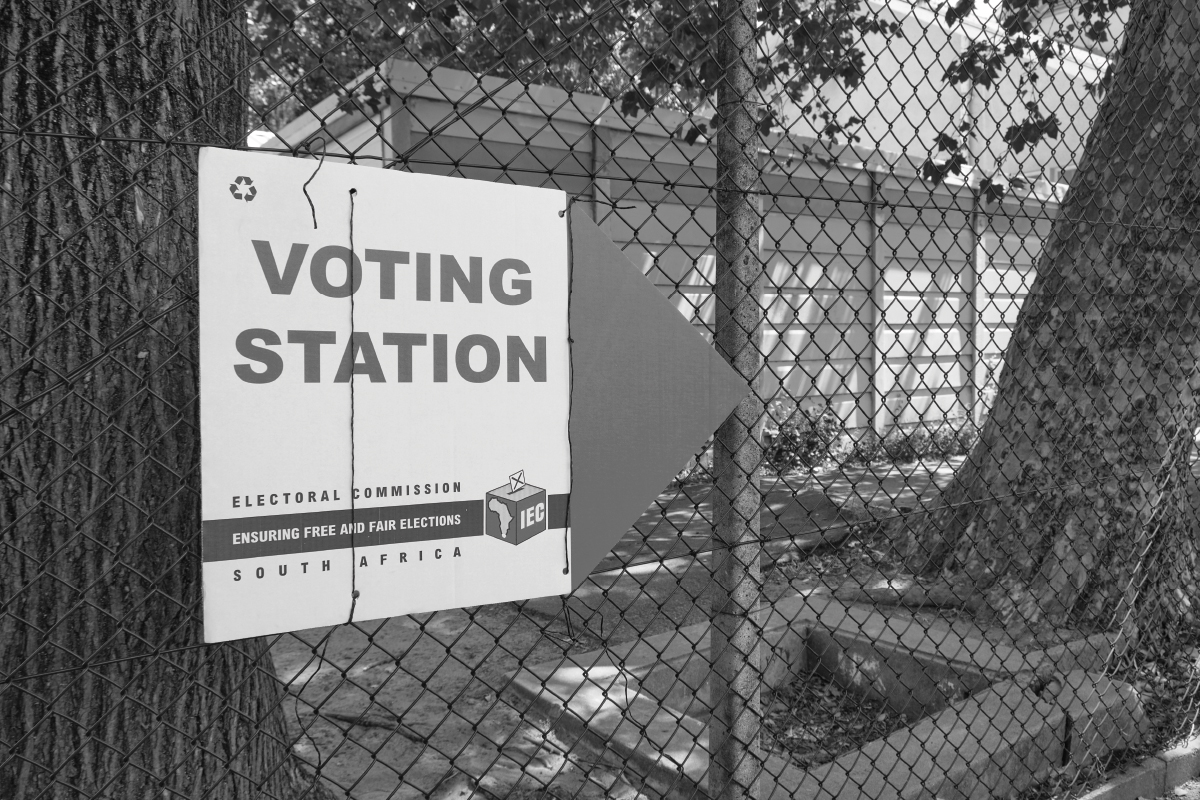
On 30 June 2020, the Centre for Human Rights hosted a webinar onon elections in South Africa and whether individual candidacy will change the game. In June 2020, South Africa’s Constitutional Court ruled the electoral act unconstitutional, for failing to permit individuals to run for a seat in the national or provincial legislatures. No doubt, the Court’s ruling will have significant implications for South African politics – especially for the upcoming national elections slated for 2024. For individuals who have been left outside of party politics, the Constitutional Court’s new ruling represents an opportunity to re-engage with the system, launch an election campaign of their own, and vie for a seat in the legislature. For voters, apathetic ones especially, the court’s ruling will expand the pool of candidates offering them more choices at the ballot box.
Invitation: Human Rights Talks – Webinar on COVID-19, privacy and data protection in Africa (Part 2)
The Centre for Human Rights, University of Pretoria, is hosting a follow-up webinar on privacy and data protection in Africa in the COVID-19 context. Privacy and data protection practitioners from Africa will analyse the current status of data protection and privacy in continent. In the responses to COVID-19, there is collection, sharing, storage and processing of personal information. This raises questions regarding Africa’s preparedness to the security, management and protection of personal information and safeguarding the right to privacy. This will assess privacy and data protection approaches in the various responses to COVID-19.

On 25 June 2020, the Centre for Human Rights, University of Pretoria, held the tenth in a series of discussions, which are now open to the public. These discussions deal with the potential and actual impact on human rights and democratisation of COVID-19 in Africa.The discussion was held in Zoom.
The Centre for Human Rights, University of Pretoria, takes pleasure in inviting you to our COVID-19 Discussion Fora. These discussions deal with the potential and actual impact on human rights and democratisation of COVID-19 in Africa. This Discussion Forum is part of a series of events at which the panelists are alumni of the academic programmes of the Centre. While these Fora had initially been targeting only the Centre’s staff and alumni, they are now public. The panelists of Forum11 are all alumni of the Master’s in Human Rights and Democratisation Africa (HRDA).

In June 2020, South Africa’s Constitutional Court ruled the electoral act unconstitutional, for failing to permit individuals to run for a seat in the national or provincial legislatures. The Democracy and Civic Engagement Unit at the Centre for Human Rights, Faculty of Law, University of Pretoria, is hosting a discussion on the judgment and its implications for South African politics. The discussion aims to unpack the ruling, the actors it implicates and considers what the new electoral act could look like taking into account the Court’s directives.

On 23 June 2020, the Centre for Human Rights facilitated a discussion on data protection and privacy issues in Africa. Data protection authorities explored the status of privacy and data protection on the continent. They highlighted the milestones and challenges faced in the adoption and implementation of data protection legislation. The discussion also included privacy and protection of personal information in the context of COVID-19 and steps that have been adopted to ensure that individual privacy is protected while trying to achieve the broader goal of the protecting public health.

The Centre for Human Rights, University of Pretoria, takes pleasure in inviting you to our COVID-19 Discussion Fora. These discussions deal with the potential and actual impact on human rights and democratisation of COVID-19 in Africa. This Discussion Forum is part of a series of events at which the panelists are alumni of the academic programmes of the Centre. While these Fora had initially been targeting only the Centre’s staff and alumni, they are now public. The panelists of Forum 10 are all alumni of the Master’s in Human Rights and Democratisation Africa (HRDA).
On 19 June 2020, the Centre for Human Rights, University of Pretoria, held the ninth in a series of discussions, which are now open to the public. These discussions deal with the potential and actual impact on human rights and democratisation of COVID-19 in Africa.The discussion was held in Zoom.
On 16 June 2020, the Centre for Human Rights, University of Pretoria, held a webinar organised by the Children’s Rights Unit on the occasion of the Day of the African Child 2020. The webinar focused on the issue of access to a child friendly justice system in Africa, against the backdrop of the 30 year anniversary of the adoption of the African Charter on the Rights and Welfare of the Child, and the prevailing COVID-19 pandemic.
The Centre for Human Rights, University of Pretoria, will host a webinar on data privacy, protection and security in Africa in the COVID-19 context. The discussion will be centred on the notion that while the most urgent on the governments’ agenda is the protection of public health to ensure the pandemic is halted, personal privacy should not be undermined. Also, taking into consideration that the right to privacy is not an absolute right but limitations should be prescribed by law, necessary and proportionate and serve a legitimate aim. Representatives of the African Network of Data Protection Authorities will discuss these data protection and privacy issues on the continent generally and specifically in the context of COVID-19. The discussion on COVID-19 is centred on striking a balance between protecting public health and privacy. The webinar will be held in English and French.
On 11 June 2020, the Centre for Human Rights, University of Pretoria, held the eighth in a series of discussions, which are now open to the public. These discussions deal with the potential and actual impact on human rights and democratisation of COVID-19 in Africa.The discussion was held in Zoom.
The Centre for Human Rights, University of Pretoria, takes pleasure in inviting you to our COVID-19 Discussion Fora. These discussions deal with the potential and actual impact on human rights and democratisation of COVID-19 in Africa. This Discussion Forum is part of a series of events at which the panelists are alumni of the academic programmes of the Centre. While these Fora had initially been targeting only the Centre’s staff and alumni, they are now public. The panelists of Forum 9 are all alumni of the Master’s in Human Rights and Democratisation Africa (HRDA).
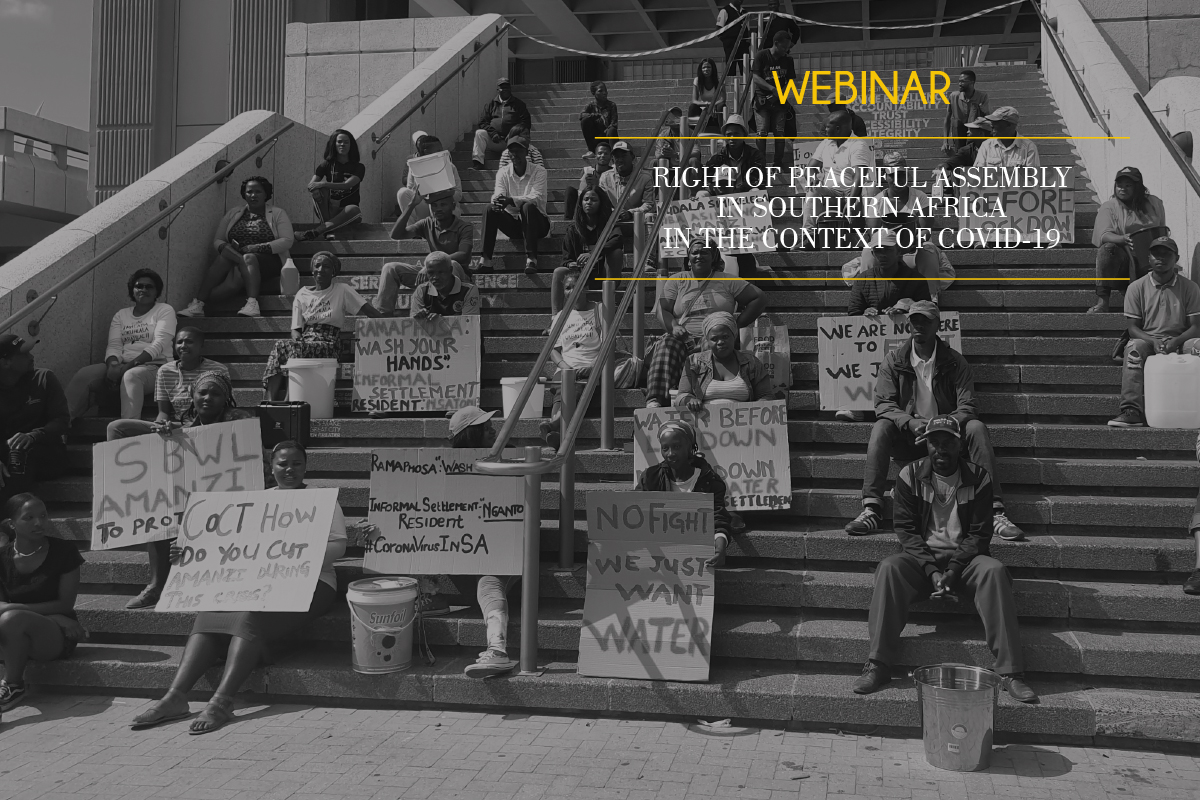
On 9 June 2020, The United Nations Office of the High Commissioner for Human Rights - Regional Office for Southern Africa, in collaboration with the Centre for Human Rights, University of Pretoria (UP), convened a webinar on the right of peaceful assembly in Southern Africa in the context of COVID-19.
The Centre for Human Rights, Faculty of Law, University of Pretoria, cordially invites you to a webinar organised by the Children’s Rights Unit on the occasion of the Day of the African Child 2020. The webinar will speak to the issue of access to a child friendly justice system in Africa, against the backdrop of the 30 year anniversary of the adoption of the African Charter on the Rights and Welfare of the Child, and the prevailing COVID-19 pandemic.
The Centre for Human Rights, University of Pretoria, takes pleasure in inviting you to our COVID-19 Discussion Fora. These discussions deal with the potential and actual impact on human rights and democratisation of COVID-19 in Africa. This Discussion Forum is part of a series of events at which the panelists are alumni of the academic programmes of the Centre. While these Fora had initially been targeting only the Centre’s staff and alumni, they are now public. The panelists of Forum 8 are all alumni of the Master’s in Human Rights and Democratisation Africa (HRDA).
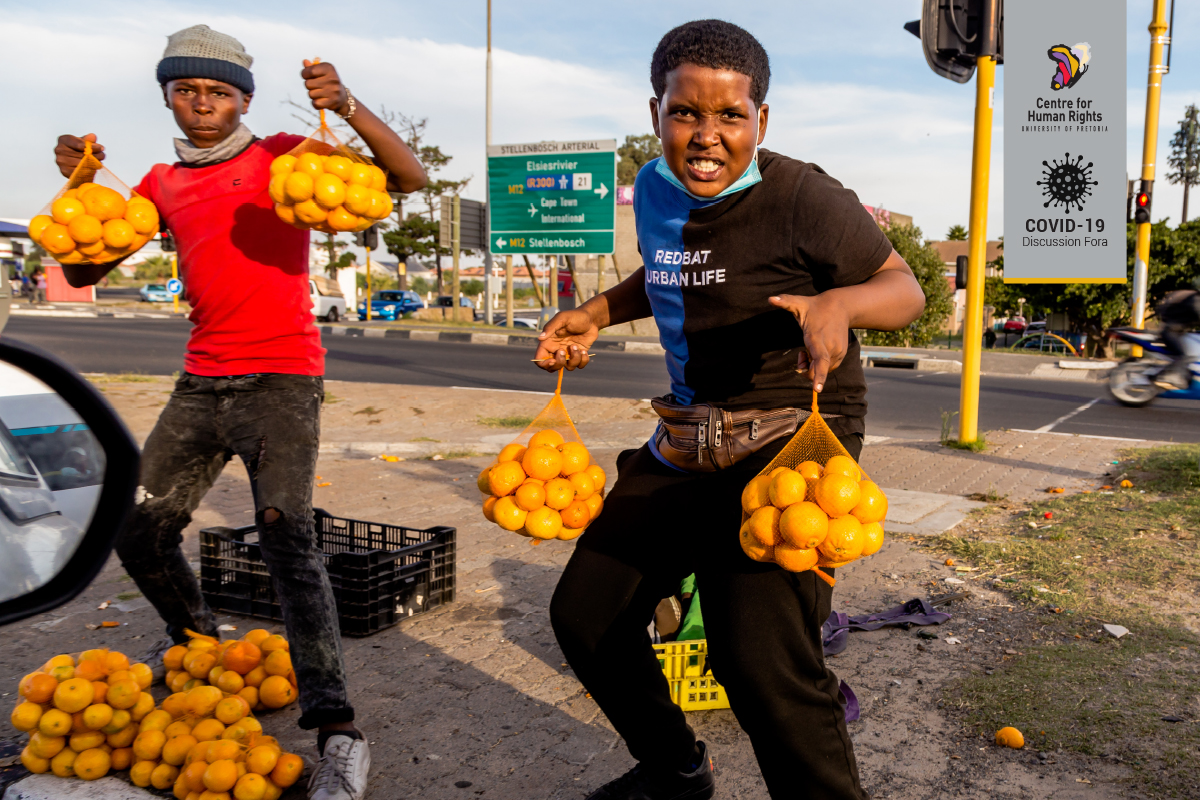
On 4 June 2020, the Centre for Human Rights, University of Pretoria, held the seventh in a series of discussions, which are now open to the public. These discussions deal with the potential and actual impact on human rights and democratisation of COVID-19 in Africa.The discussion was held in Zoom.
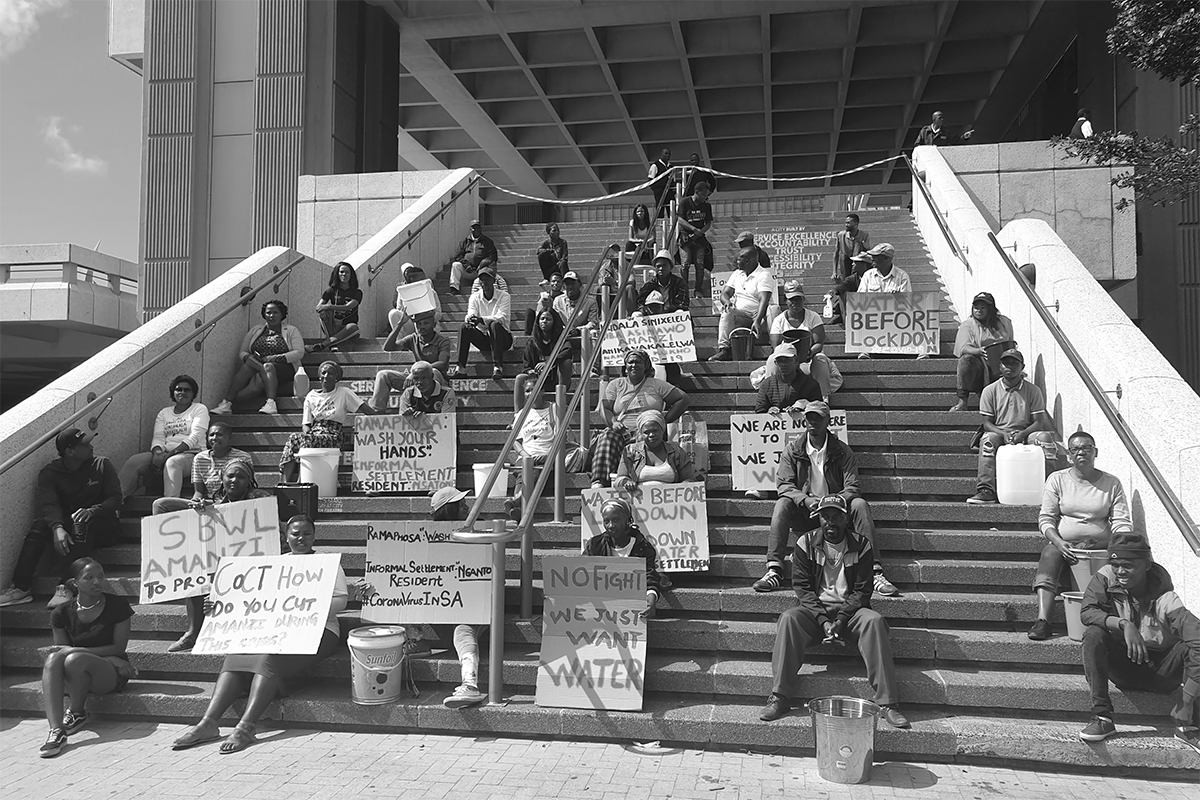
The United Nations Office of the High Commissioner for Human Rights - Regional Office for Southern Africa, in collaboration with the Centre for Human Rights, University of Pretoria (UP), is convening a webinar on the right of peaceful assembly in Southern Africa in the context of COVID-19.
On 2 June 2020, the Centre for Human Rights, University of Pretoria, held a webinar on challenges of hyperandrogenic women in competitive sports. The discussion was held in Zoom.
The Centre for Human Rights, University of Pretoria, takes pleasure in inviting you to our COVID-19 Discussion Fora. These discussions deal with the potential and actual impact on human rights and democratisation of COVID-19 in Africa. This Discussion Forum is part of a series of events at which the panelists are alumni of the academic programmes of the Centre. While these Fora had initially been targeting only the Centre’s staff and alumni, they are now public. The panelists of Forum 7 are all alumni of the Master’s in Human Rights and Democratisation Africa (HRDA).

A webinar on the theme “Assessing the implications of Covid-19 pandemic regulations on human rights and the rule of law in Africa,” is planned for 11-12 August 2020. It is organized by the Institute for International and Comparative Law in Africa and Centre for Human Rights of the University of Pretoria, in partnership with the Konrad Adenauer Stiftung’s Rule of Law Program for Sub-Saharan Africa - Nairobi, Kenya.

The Centre for Human Rights, University of Pretoria, cordially invites you to a webinar to discuss the impact of the World Athletics (formerly IAAF) Regulations on the human rights of hyperandrogenic female athletes.
On 28 May 2020, the Centre for Human Rights, University of Pretoria, held the sixth in a series of discussions, which are now open to the public. These discussions deal with the potential and actual impact on human rights and democratisation of COVID-19 in Africa.The discussion was held in Zoom.
On 26 May 2020, the Centre for Human Rights, University of Pretoria, held a webinar organised by the Democracy and Civic Engagement Unit to unpack the challenges of COVID-19 and its impact on elections on the African continent. The discussion was held in Zoom.
The Centre for Human Rights, University of Pretoria, takes pleasure in inviting you to our COVID-19 Discussion Fora. These discussions deal with the potential and actual impact on human rights and democratisation of COVID-19 in Africa. This Discussion Forum is part of a series of events at which the panelists are alumni of the academic programmes of the Centre. While these Fora had initially been targeting only the Centre’s staff and alumni, they are now public. The panelists of Forum 6 are all alumni of the Master’s in Human Rights and Democratisation Africa (HRDA).

On 21 May 2020, the Centre for Human Rights, University of Pretoria, held the fifth in a series of discussions with Centre alumni, students and staff. These discussions deal with the potential and actual impact on human rights and democratisation of COVID-19 in Africa.The discussion was held in Zoom.

The Centre for Human Rights, Faculty of Law, University of Pretoria, cordially invites you to a webinar organised by the Democracy and Civic Engagement Unit to unpack the challenges of COVID-19 and its impact on elections on the African continent.
On 19 May 2020, the Special Rapporteur on Freedom of Expression and Access to Information in Africa in partnership with the Centre for Human Rights, Faculty of Law, University of Pretoria and ARTICLE 19 (Eastern Africa and Western Africa) convened a webinar to introduce the revised Declaration of Principles on Freedom of Expression and Access to Information in Africa.
On 14 May 2020, the Centre for Human Rights, University of Pretoria, held the fourth in a series of discussions with Centre alumni, students and staff. These discussions deal with the potential and actual impact on human rights and democratisation of COVID-19 in Africa. The discussion was held in Zoom.
The COVID-19 global pandemic has had a major impact on the global public and has disrupted the daily pattern of life for billions of people across the world. As states across the globe impose lockdowns and ‘social distancing’ regulations to contain the spread of the virus, human rights have become severely restricted even in the most liberal democratic countries.
On 12 May 2020, the Centre for Human Rights, University of Pretoria, held a webinar on the need for businesses to respect and promote human rights in Africa, specifically during the COVID-19 pandemic. The discussion was held in Zoom.
The Centre for Human Rights, Faculty of Law, University of Pretoria, cordially invites you to a webinar on the need for businesses to respect and promote human rights in Africa, specifically during the COVID-19 pandemic.
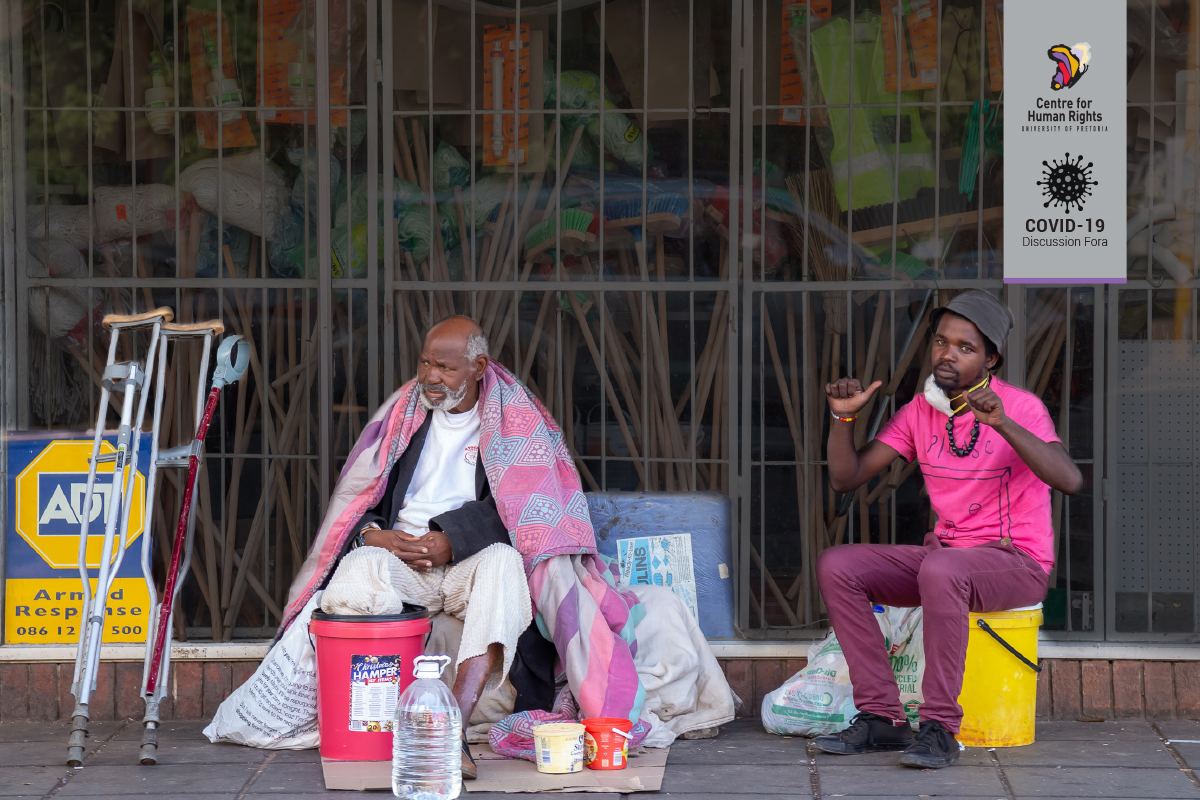
On 7 May 2020, the Centre for Human Rights, University of Pretoria, held the third in a series of discussions with Centre alumni, students and staff. These discussions deal with the potential and actual impact on human rights and democratisation of COVID-19 in Africa. The discussion was held in Zoom.
On 5 May 2020, the Centre for Human Rights, University of Pretoria, held a webinar on human rights abuses by police officers during enforcement of government responses to COVID-19 in Africa. The discussion was held in Zoom.
On 30 April 2020, the Centre for Human Rights, University of Pretoria, held the second in a series of discussions with Centre alumni, students and staff. These discussions deal with the potential and actual impact on human rights and democratisation of COVID-19 in Africa. The discussion was held in Zoom.
The Centre for Human Rights, University of Pretoria, cordially invites you to a webinar on human rights abuses by police officers during enforcement of government responses to COVID-19 in Africa.
 Centre for Human Rights:
Publications on the impact of COVID-19
Our staff, alumni and students have contributed to these publications dealing with the COVID-19 pandemic.
Dr Satang Nabaneh
Centre for Human Rights, University of Pretoria
6 May 2021
Originally published on Verfassungblog
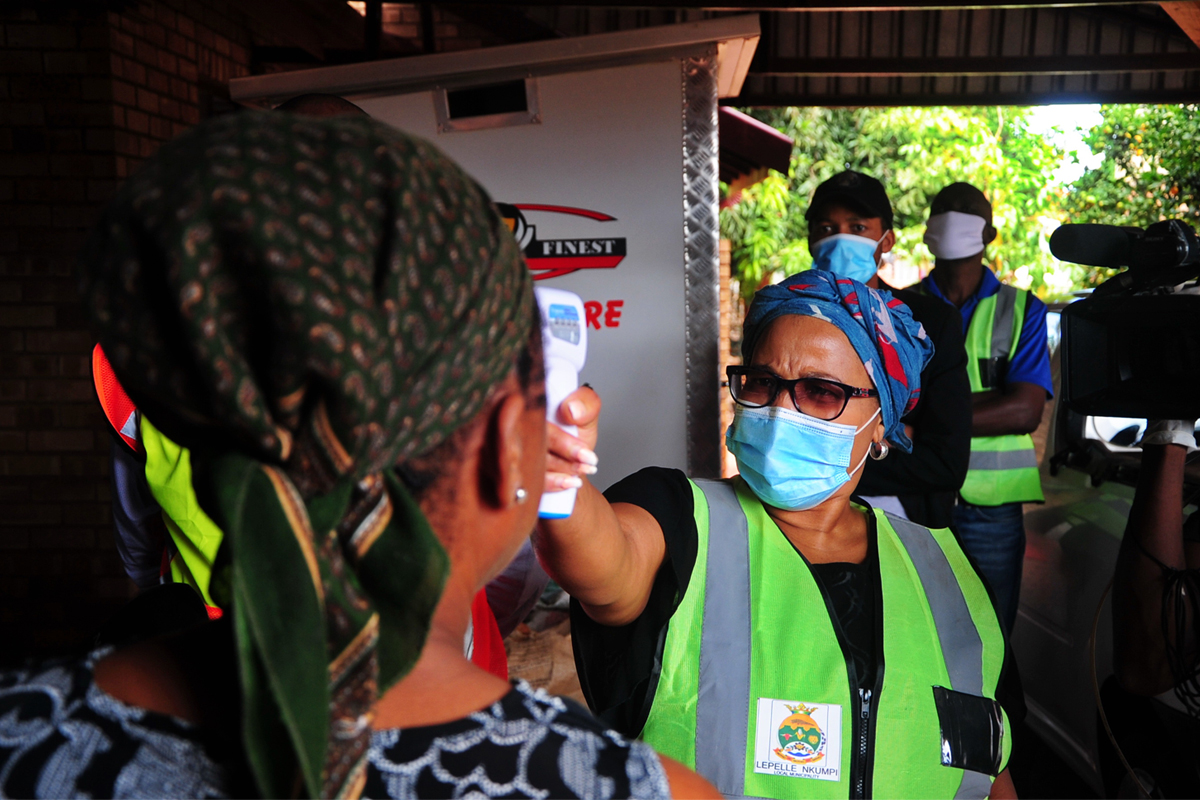
COVID 19 and the working class
Bonolo Makgale
Centre for Human Rights, University of Pretoria
25 September 2020
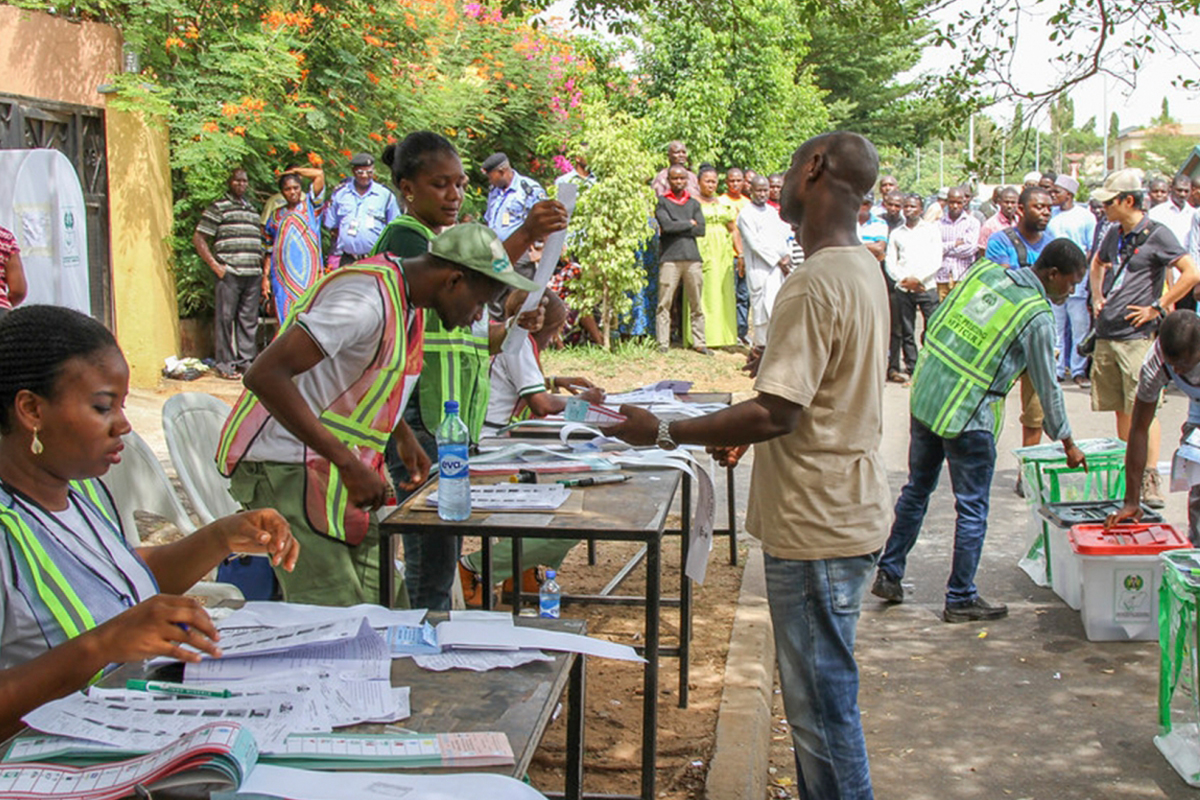
Marystella A. Simiyu
Centre for Human Rights, University of Pretoria
10 September 2020
Godfrey Ayeranga
Legal Research Officer & Lecturer Cavendish University
07 August 2020
Dr Ashwanee Badu
Centre for Human Rights, University of Pretoria
30 July 2020
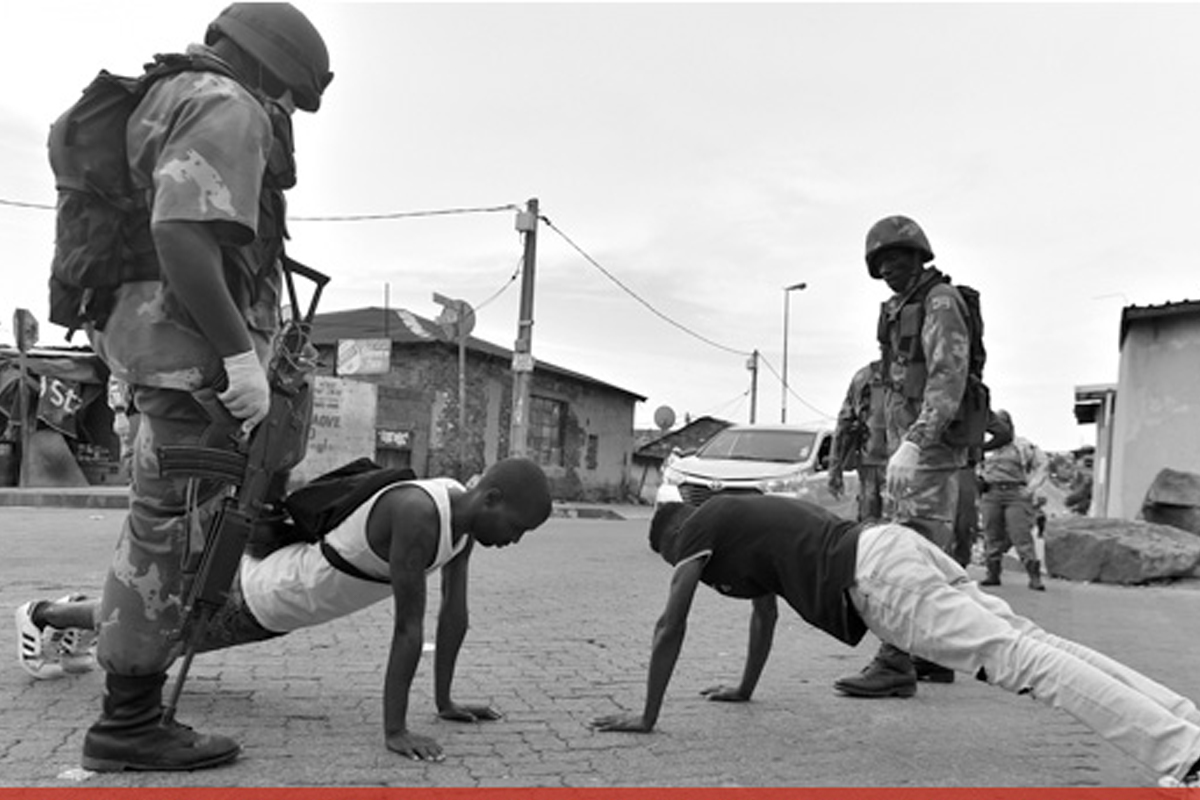
Paul Mudau
PhD Candidate and Researcher, School of Law, WITS
23 July 2020
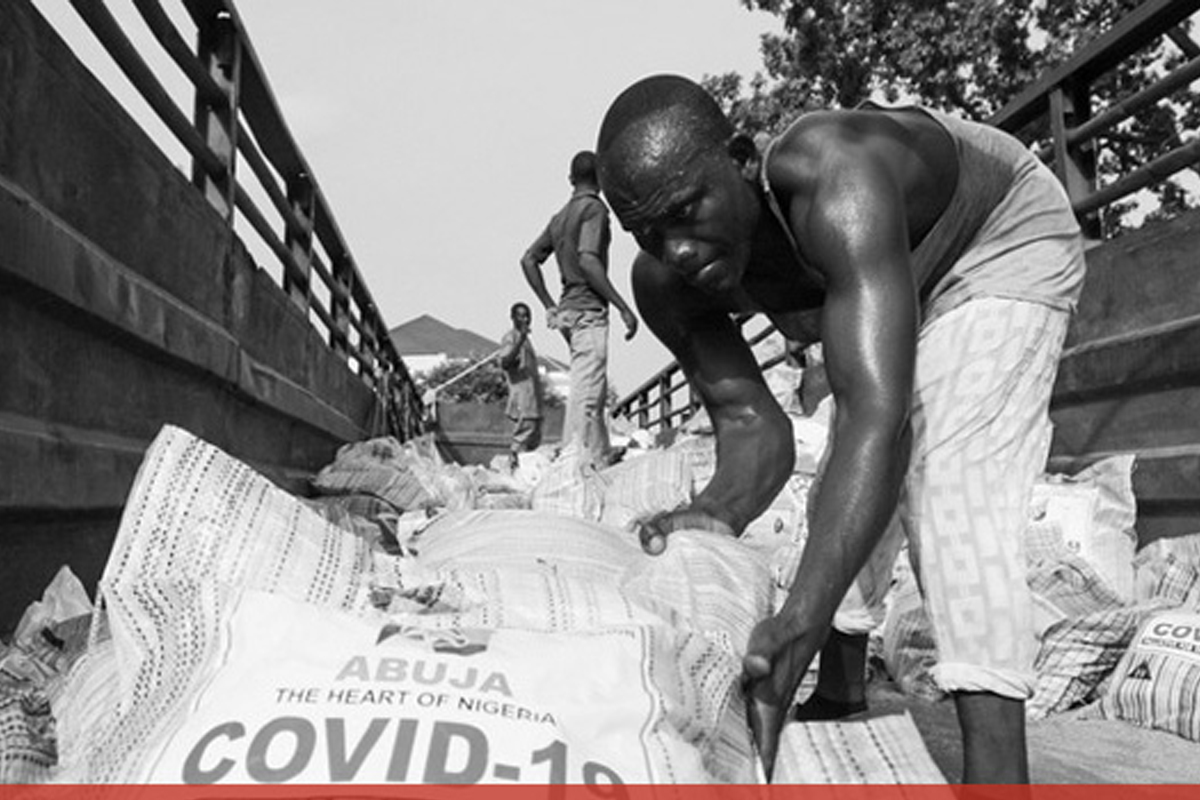
Oyeniyi Abe
Centre for Comparative Law in Africa, University of Cape Town
9 July 2020
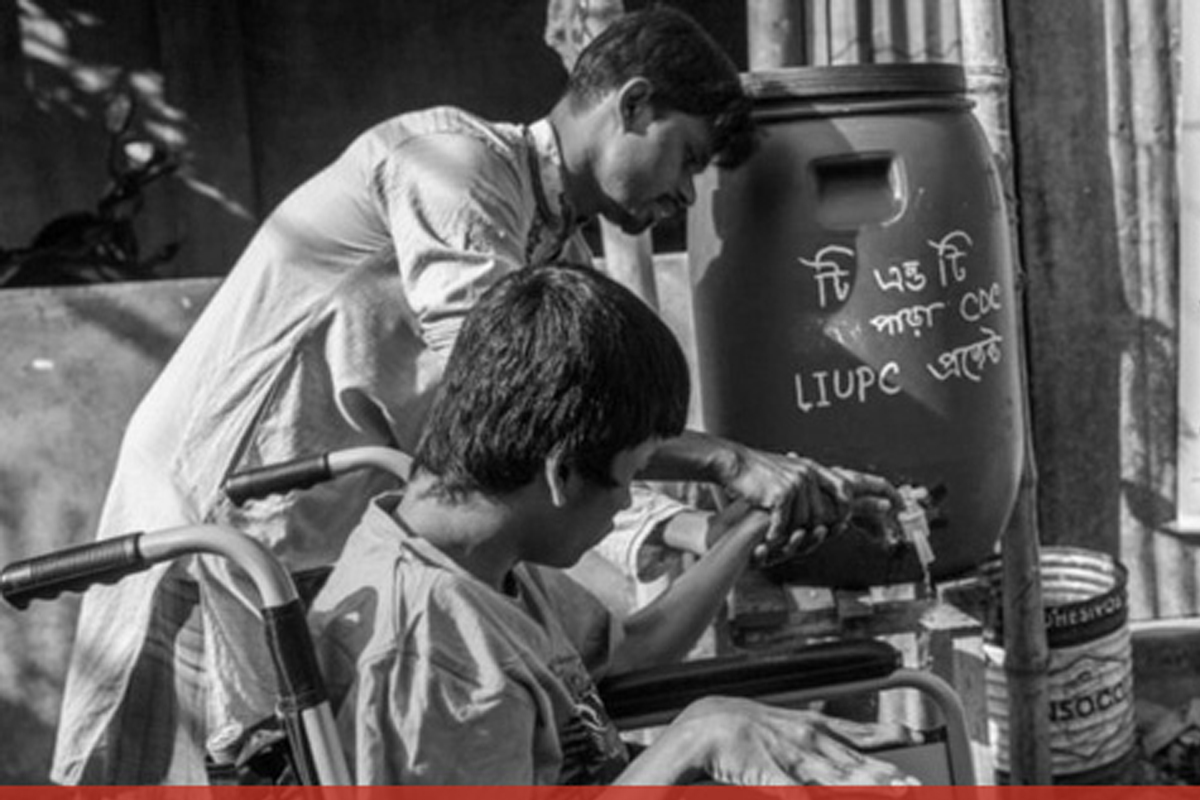
Dagnachew B. Wakene
Centre for Human Rights, University of Pretoria
25 June 2020
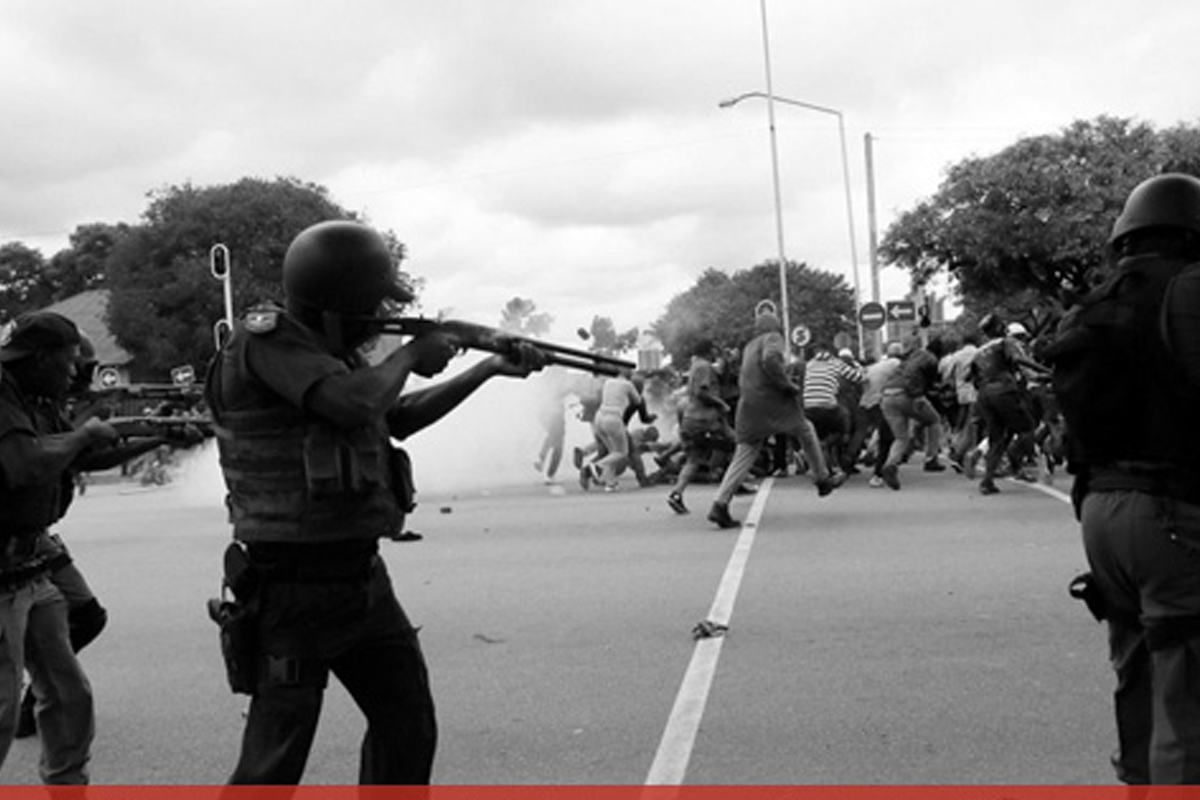
Mary Izobo and Folasade Abiodun
Centre for Human Rights, University of Pretoria
23 June 2020
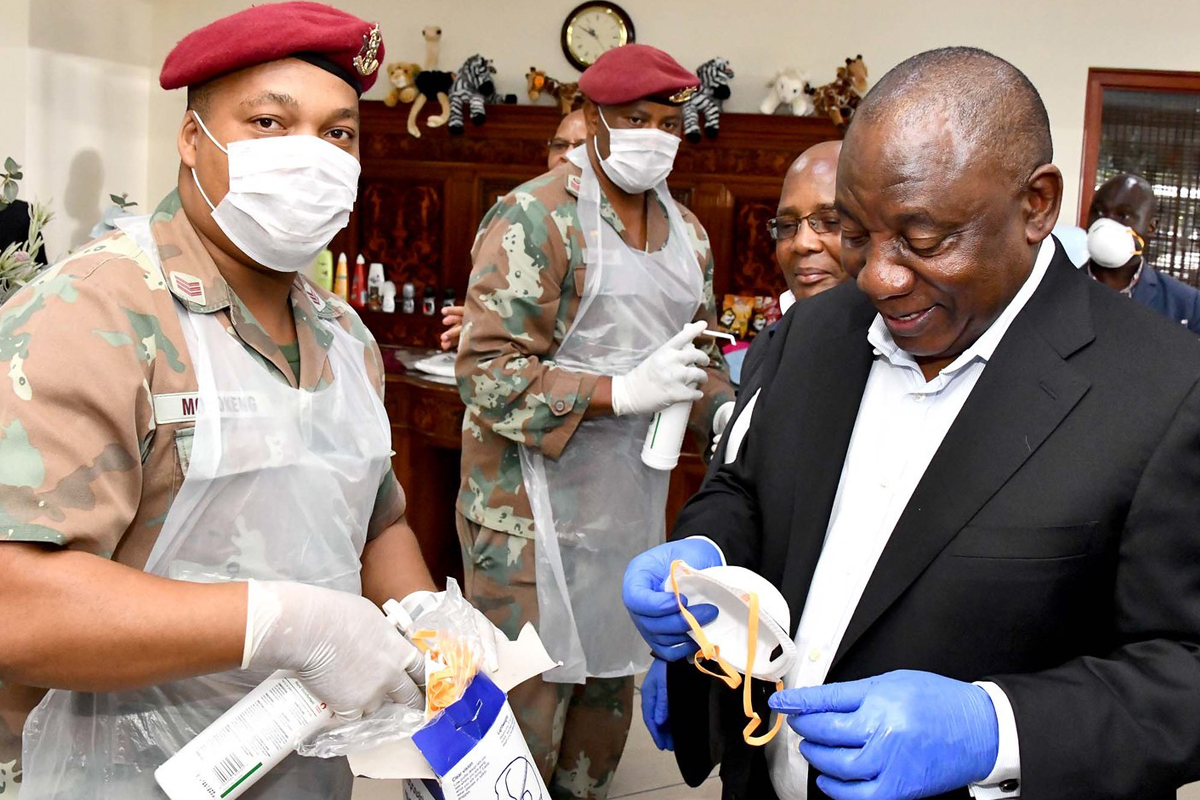
Bonolo Makgale
Centre for Human Rights, University of Pretoria
16 June 2020
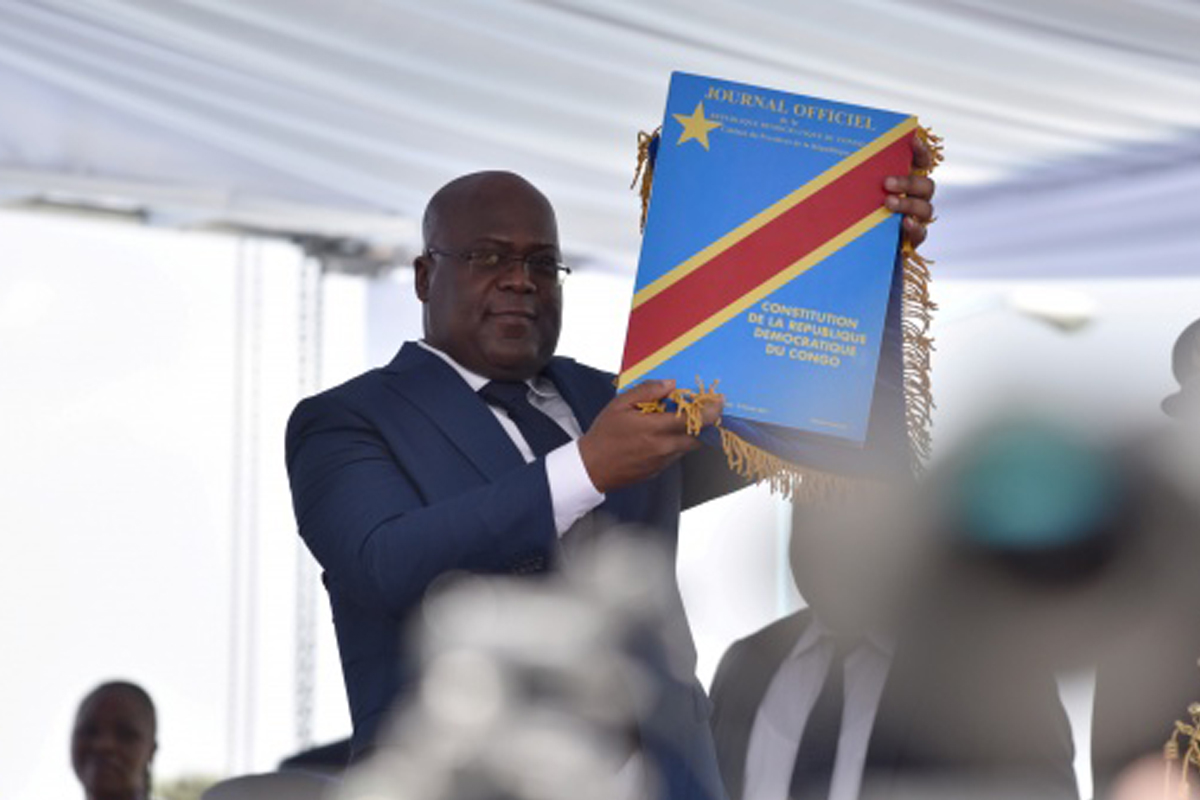
Mr Trésor Makunya
Centre for Human Rights, University of Pretoria
27 May 2020
Originally published in ConstitutionalNet

Ross Booth
Third year LLB student, University of KwaZulu-Natal
26 May 2020

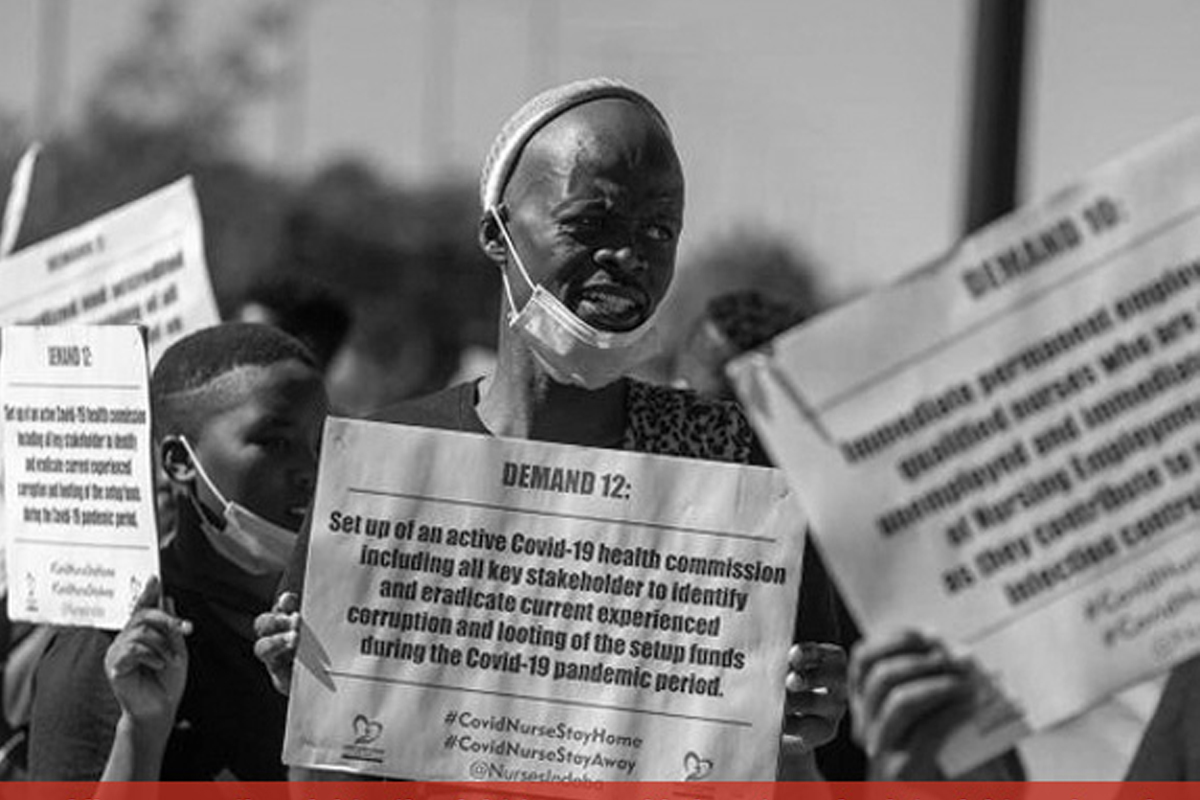
Foluso Adegalu
Centre for Human Rights, University of Pretoria
21 May 2020
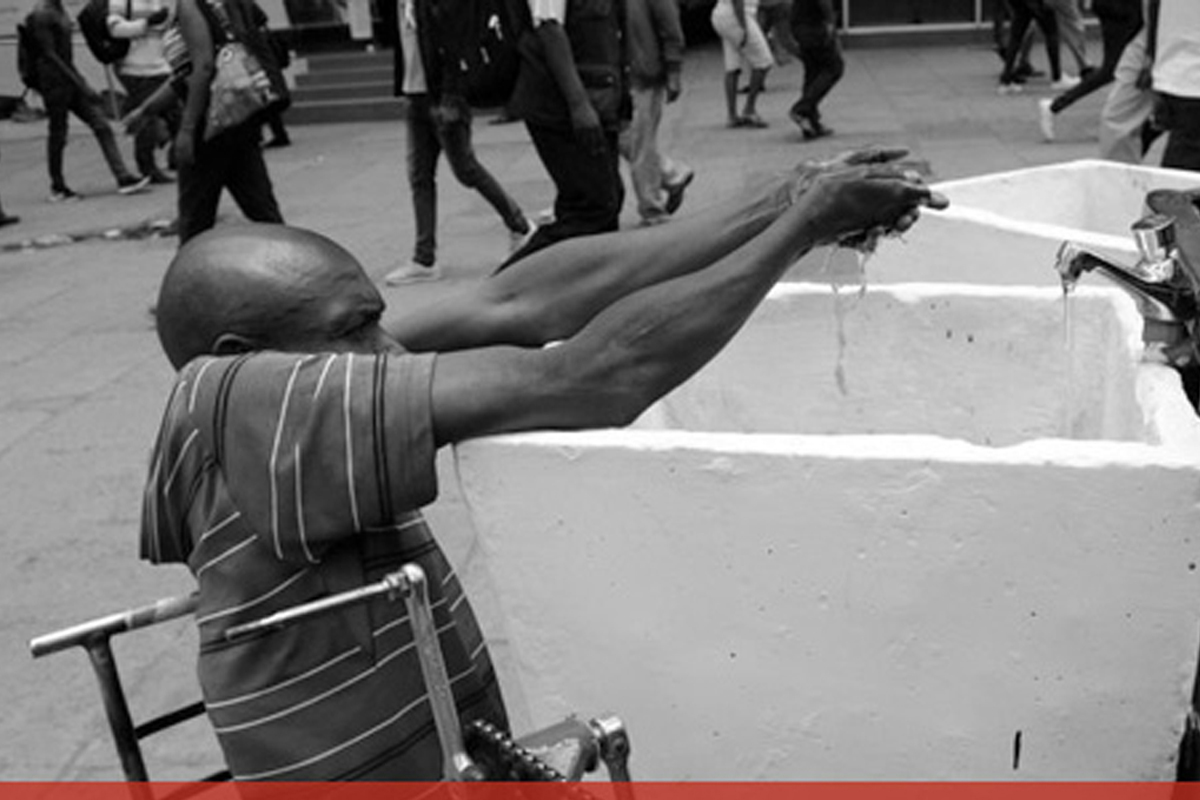
Maluta Mulibana
DRIA Student 2019
18 May 2020
SOGIESC Unit
Centre for Human Rights, University of Pretoria
13 May 2020

Susan Mutambasere
Centre for Human Rights, University of Pretoria
12 May 2020

Dr Ashwanee Budoo
Centre for Human Rights, University of Pretoria
11 May 2020
Originally published in The Conversation
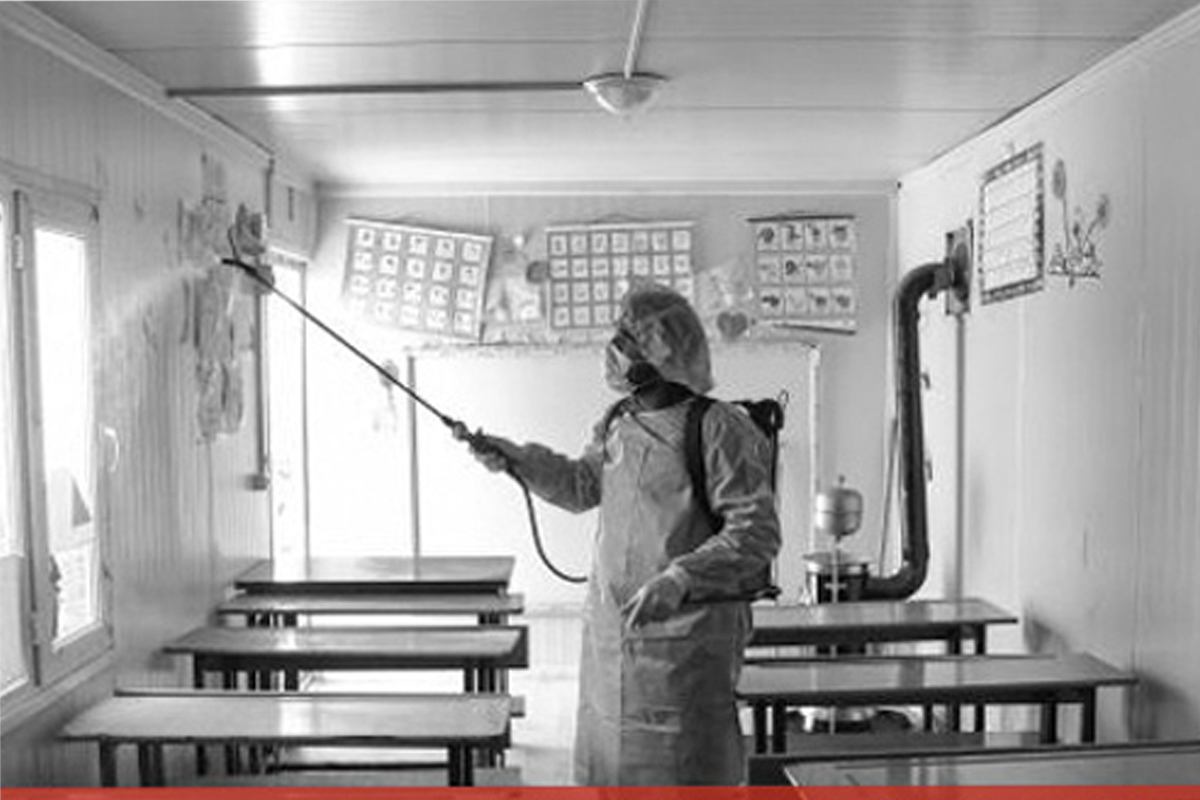
Ayodeji Johnson
Centre for Human Rights, University of Pretoria
8 May 2020
Bonolo Makgale
Centre for Human Rights, University of Pretoria
6 May 2020
Nelly Warega and Tomiwa Ilori
HRDA Alumni
4 May 2020
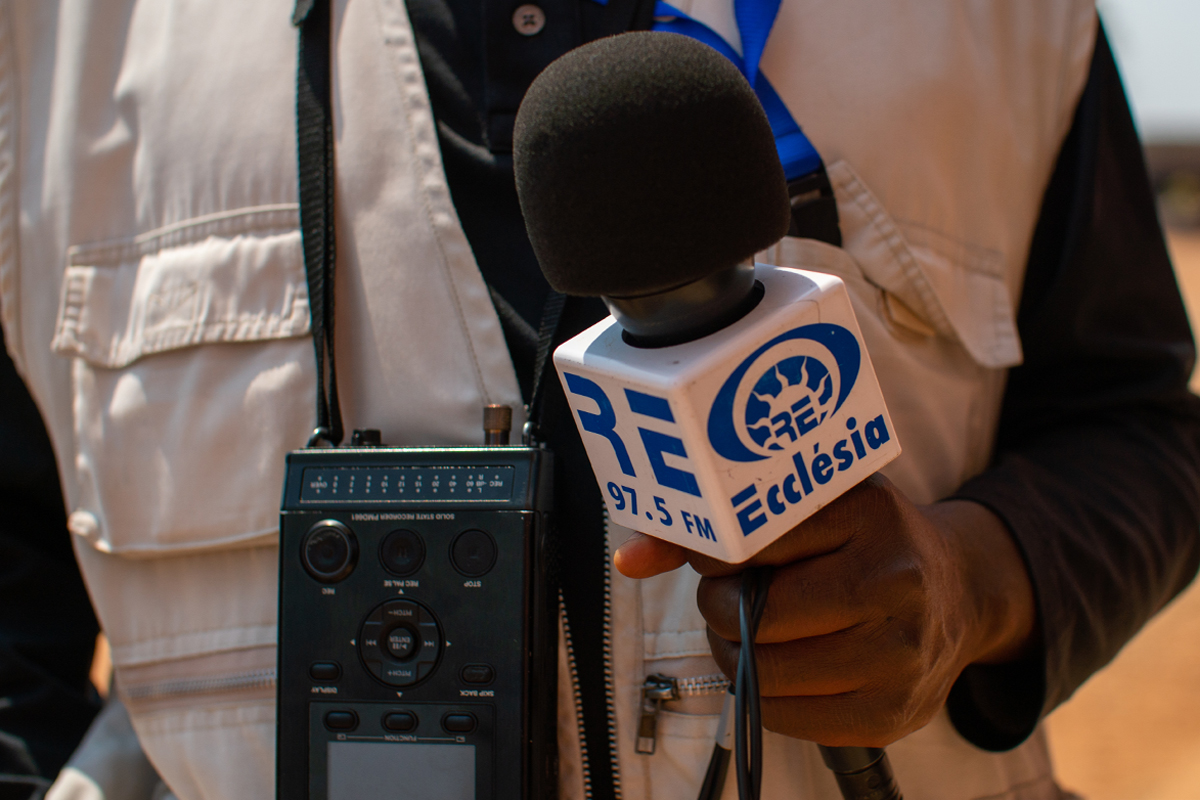
Johnson Mayamba
HRDA student (2020)
3 May 2020
Originally published in Daily Monitor

Dr Ashwanee Budoo
Centre for Human Rights, University of Pretoria
2 May 2020
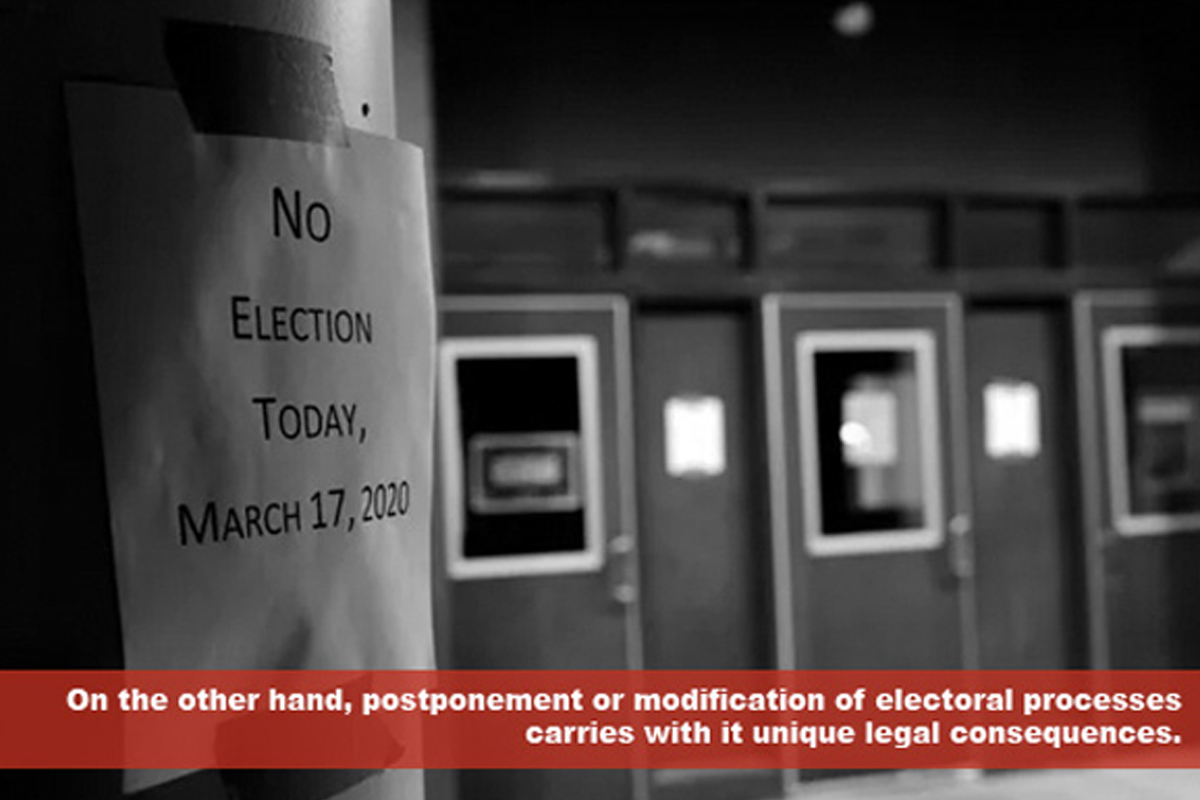
Marystella Auma Simiyu
Centre for Human Rights, University of Pretoria
2 May 2020
Luyanda Sibanda
HRDA student (2020)
27 April 2020
Originally published in Politico Online
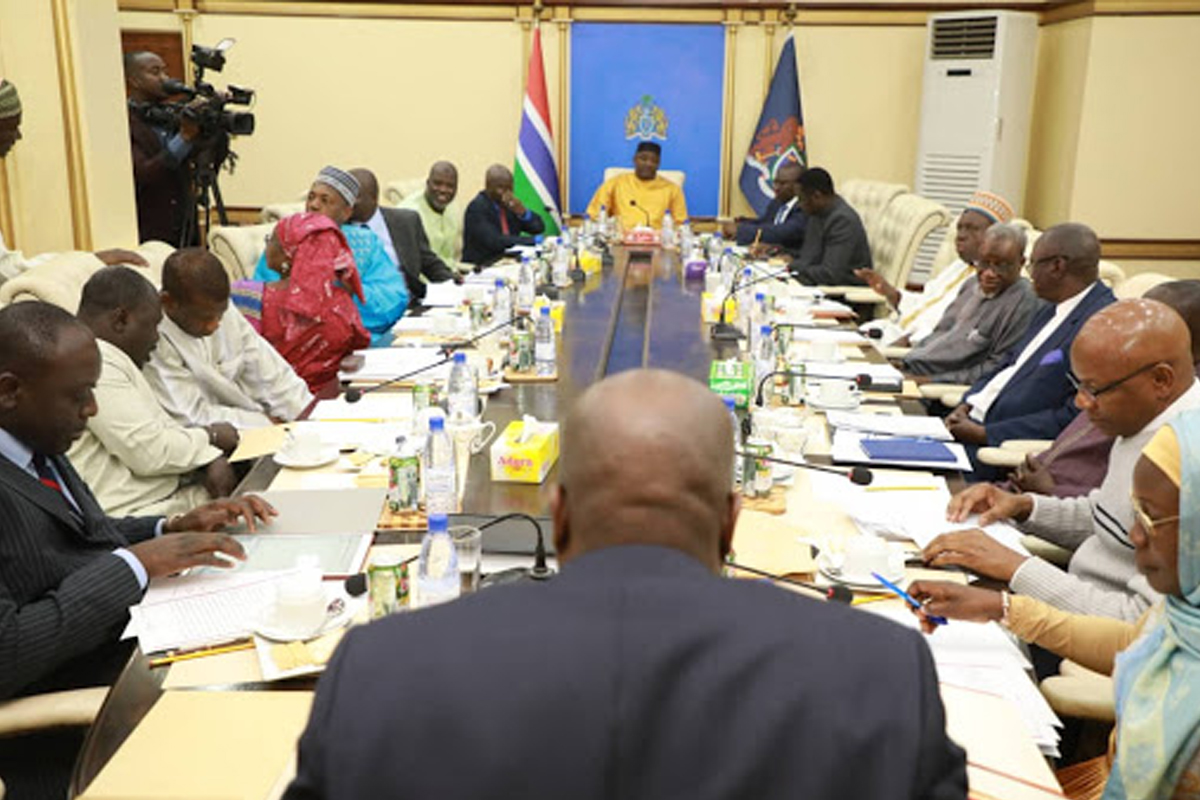
Fatou Bintou Sallah
HRDA student (2020)
27 April 2020
Michael-Khalif Elie Cideka
HRDA student (2020)
25 April 2020
Originally published in Oriental Info
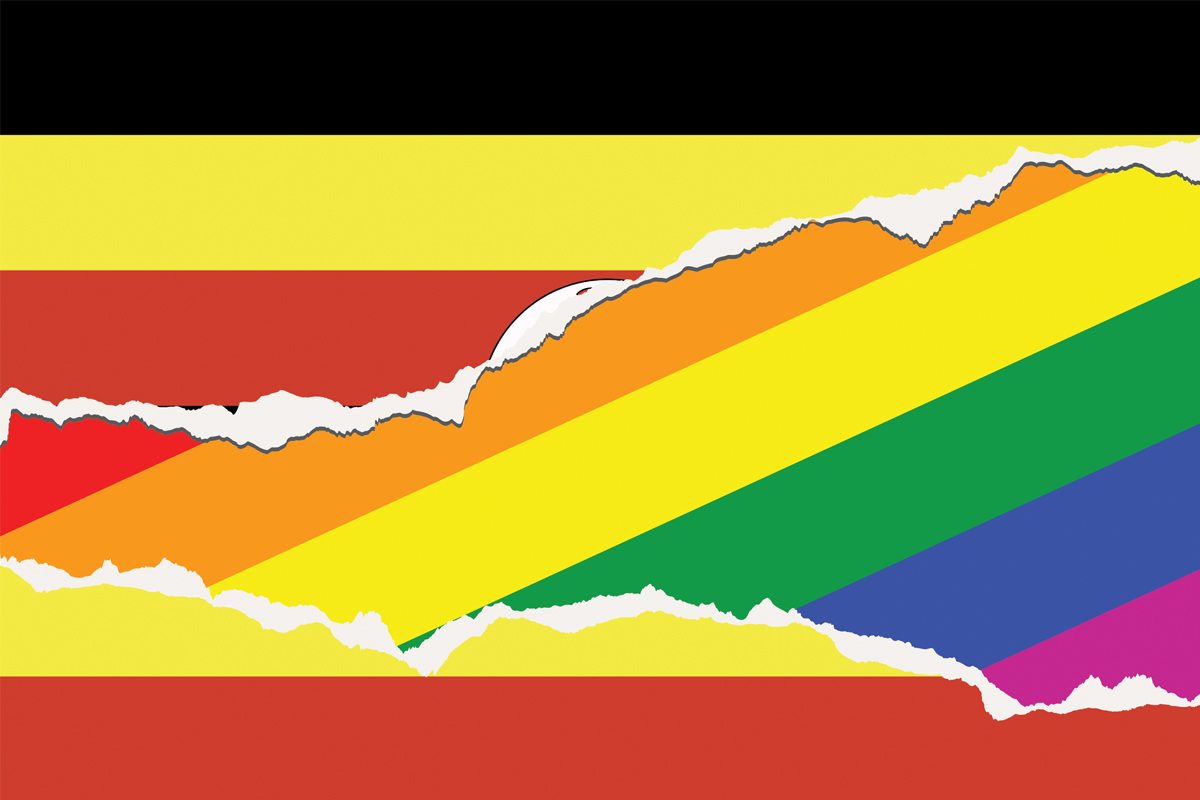
Sylvester Kazibwe
HRDA student (2020)
25 April 2020
Originally published in Kuchu Times
Thomas White
Centre for Human Rights, University of Pretoria
23 April 2020

Mustapha Dumbuya
HRDA student (2020)
22 April 2020
Originally published in Politico Online
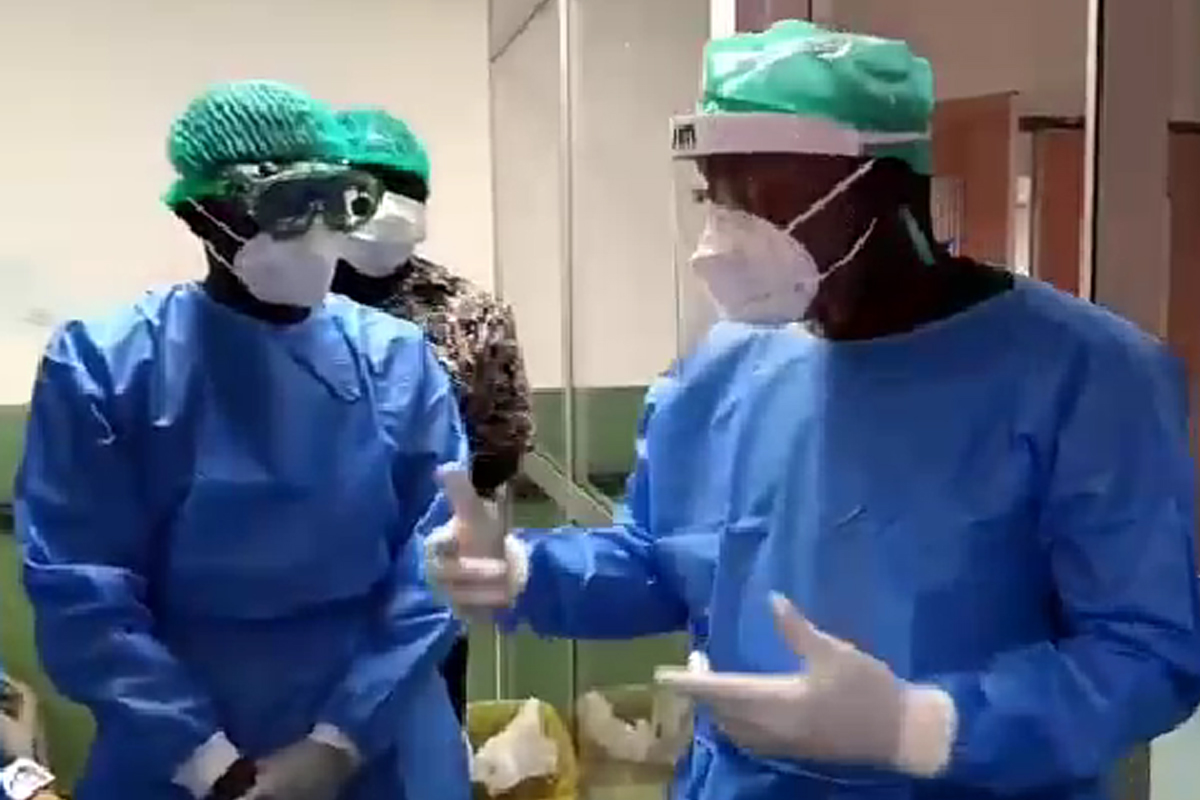
Monique Traore
HRDA student (2020)
22 April 2020

Dr Ashwanee Budoo
Centre for Human Rights, University of Pretoria
22 April 2020
Originally published in Verfassungsblog
Foromo Frédéric Loua
HRDA student (2020)
17 April 2020
Originally published in Mosaiqueguinee
Ady Namaran Coulibaly
HRDA alumna (2009)
17 April 2020
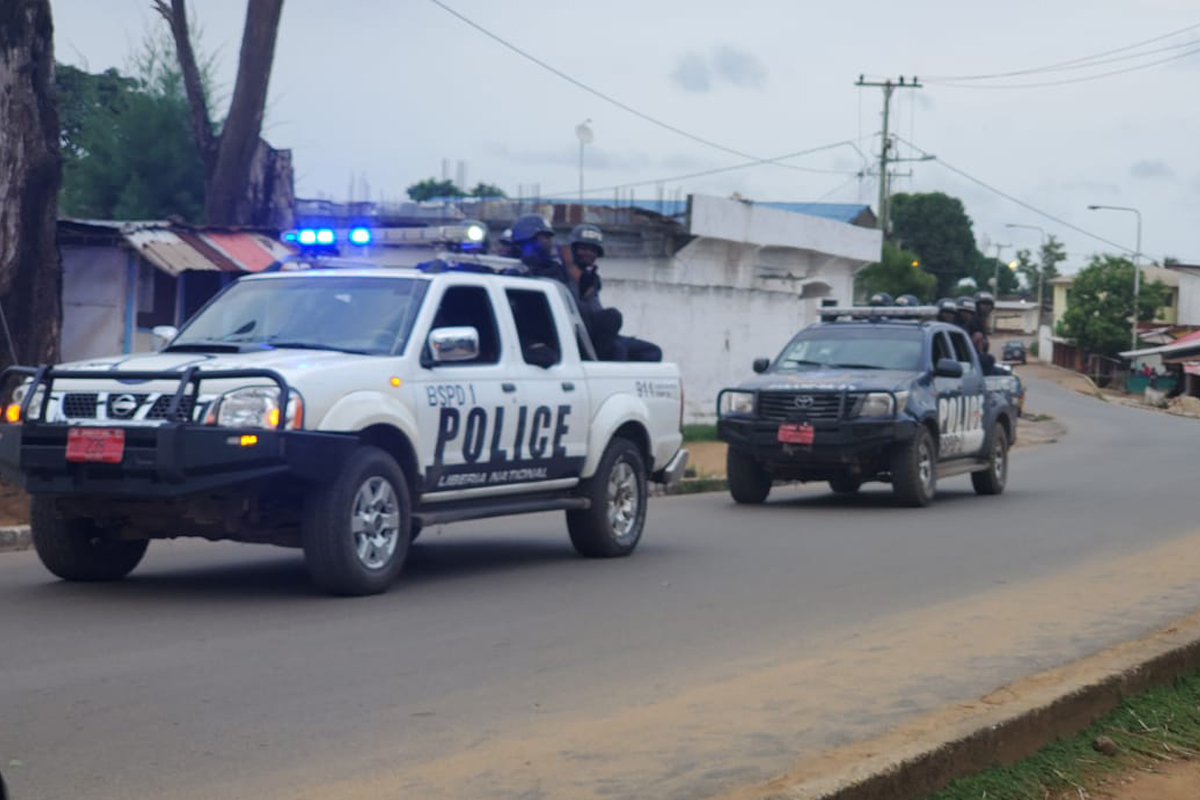
Bowoulo T. Kelley
HRDA student (2020)
17 April 2020
Hlengiwe Dube
Centre for Human Rights, University of Pretoria
10 April 2020
Centre for Human Rights:
COVID-19 discussion fora, talks and webinars
As part of the Centre's response to the public health crisis linked to the coronavirus, a number of regular and other ad-hoc COVID-19 related events are scheduled.
Get notified of upcoming events
Past Events 2021
#Tech4RightsExpo - The role of state and non-state actors in addressing online harms and ensuring a healthy internet ecosystem in Africa
The Expression, Information and Digital Rights Unit held the #Tech4Rights Expo, online from 26 to 29 October 2021.
Read More
1st Live Chat with UN Independent Expert on Albinism
On 27 October 2021, the Disability Rights Unit at the Centre for Human Rights, University of Pretoria, the Disability Student Unit at the University of Venda and the Mandate of the UN Independent Expert on the Enjoyment of Human Rights by Persons with Albinism hosted the 1st Live Chat with the Independent Expert on 27 October which took place virtually via Zoom.
Read More
Roundtable Discussion: What Role Should Central Banks Play in Dealing with Environmental and Soci…
On 22 October 2021, the Project on Public Finance and Human Rights and its co-sponsors, the International Development Law Unit, Centre for Human Rights, University of Pretoria; the Business and Human Rights Initiative, University of Connecticut and the Center for Human Rights and Humanitarian Law, American University Washington College of Law, hosted a virtual roundtable discussion entitled, “What Role Should Central Banks Play in Dealing with Environmental and Social Challenges like Climate Change and Inequality?”.
Read More
Africa Human Rights Day 2021 / Journée des Droits de l’Homme en Afrique 2021
This year, the African Charter on Human and Peoples’ Rights celebrates 40 years since its adoption on 27 June 1981. The Human Rights Institute of South Africa (HURISA), the South African Human Rights Commission (SAHRC) and the Centre for Human Rights, University of Pretoria (CHR), hosted a virtual celebratory event on 21 October 2021 which is ‘Africa Human Rights Day’, marking the day, in 1986, when the African Charter entered into force.
Read More
Webinar: International Day of Older Persons
On 4 October 2021, the African Commission on Human and Peoples’ Rights Working Group on the Rights of Older Persons and Persons with Disabilities in Africa hosted a webinar to commemorate the International Day of Older Persons with countries that have ratified or made progress towards ratifying the Protocol to the African Charter on Human and Peoples’ Rights on the Rights of Older Persons (Older Persons Protocol) targeting the Governments of Benin, Ethiopia, Lesotho and Malawi.
Read More
Event Launch - Model Guidelines on Age-Appropriate Design for Online Services
On 15 September 2021, EndCode and the Centre for Human Rights, University of Pretoria, co-hosted the launch of the Model Guidelines on Age-Appropriate Design for Online Services — an Impact Amplifier Africa Online Safety Fund project, funded by Google.org, Google’s philanthropic arm.
Read More
Discussion - The Financial Services Human Rights Benchmark Project and its Potential Applicability to South Africa’s Financial Sector
On 15 September 2021, the Project on Public Finance and Human Rights hosted an online discussion entitled, “The Financial Services Human Rights Benchmark Project and its Potential Applicability to South Africa’s Financial Sector”.
Read More
Webinar: Spatial (in)justice and the post-apartheid state
On 8 September 2021, the Centre for Human Rights, Faculty of Law, University of Pretoria, hosted a webinar organised by the Democracy and Civic Engagement Unit on spatial (in)justice and the post-apartheid state.
Read More
Virtual Launch of Advancing Sexual and Reproductive Health and Rights in Africa
On 18 August 2021, the Centre for Human Rights, Faculty of Law, University of Pretoria, hosted the virtual launch of 'Advancing Sexual and Reproductive Health and Rights in Africa: Constraints and Opportunities', which explores recent developments, constraints and opportunities relating to the advancement of sexual and reproductive health and rights in Africa. The book is edited by Ebenezer Durojaye, Gladys Mirugi-Mukundi and Charles Ngwena.
Read More
Virtual Launch of the Journal of African Law
On 29 July 2021, the Centre for Human Rights, Faculty of Law, University of Pretoria, the School of Law, SOAS University of London, the SOAS Centre of African Studies and Cambridge University Press, hosted the virtual launch of the Journal of African Law (JAL) Special Issue on Refugees, Returnees and Internally Displaced Persons (edited by Romola Adeola, Lutz Oette, Olivia Lwabukuna and Frans Viljoen).
Read More
Webinar on children’s rights to privacy in the digital sphere in Africa
On 20 July 2021, the Centre for Human Rights, Faculty of Law, University of Pretoria (UP), hosted a webinar organised by the Children’s Rights Unit and the Expression, Information and Digital Rights Unit. The focus was on children’s rights to privacy in the digital sphere in Africa and this event forms part of the Centre’s campaign #Tech4Rights which focuses on the impact of new technologies on different aspects of human interaction and its impact on human rights.
Read More
Julius Osega Memorial Lecture 2021
On 16 July 2021, the Dullah Omar Institute for Constitutional Law, Governance and Human Rights, Faculty of Law, University of the Western Cape, and the Centre for Human Rights, Faculty of Law, University of Pretoria, hosted the Julius Osega Memorial Lecture. The lecture was themed "Poverty is not a crime - Undoing colonial criminal justice” and was delivered by Ms Anneke Meerkotter, Executive Director of the Southern Africa Litigation Centre and Commissioner Chikondi Chijozi of the Malawi Human Rights Commission.
Read More
Helen Kanzira Lecture 2021
On 13 July 2021, the University of Nairobi in partnership with the University of Pretoria, Centre for Human Rights, hosted the Helen Kanzira Lecture. The theme for this year’s annual lecture focused on the ‘Impact of COVID-19 on Sexual and Reproductive Health & Rights in Africa.’ The Helen Kanzira Lecture is an annual lecture on sexual and reproductive rights in Africa, held within the framework of a consortium of 13 African universities that present the Master’s programme in Human Rights and Democratisation in Africa (HRDA).
Read More
Final Round: 13th Nelson Mandela World Human Rights Moot Court Competition- Part 2
The Final Round of the 13th Nelson Mandela World Human Rights Moot Court Competition was held online on Thursday 16 July 2021.
Read More
Final Round: 13th Nelson Mandela World Human Rights Moot Court Competition- Part 1
The Final Round of the 13th Nelson Mandela World Human Rights Moot Court Competition was held online on Thursday 16 July 2021.
Read More
Opening Ceremony: 13th Nelson Mandela World Human Rights Moot Court Competition
The Opening Ceremony of the 13th Nelson Mandela World Human Rights Moot Court Competition was held online on Thursday 1 July 2021.
Read More
Peer-to-peer learning webinar on #Faith4Rights
On 1 July 2021, the peer-to-peer learning webinar on #Faith4Rights was held after the virtual
Read More
Second Annual Nelson Mandela Human Rights Lecture
As part of the Nelson Mandela World Human Rights Moot Court Competition, the Second Annual Nelson Mandela Human Rights Lecture was held virtually on 14 July 2021
Read More
Conference - 40 years of the African Charter
On 2 July 2021, to mark the 40th anniversary of the Charter, and in honour of Professor Heyns’ legacy, the Centre for Human Rights, in collaboration with its partners for the event, the African Commission on Human and Peoples’ Rights and the African Court on Human and Peoples’ Rights, hosted an online one-day conference.
Read More
Conference - 40 years of the African Charter: Panel 3
On 2 July 2021, to mark the 40th anniversary of the Charter, and in honour of Professor Heyns’ legacy, the Centre for Human Rights, in collaboration with its partners for the event, the African Commission on Human and Peoples’ Rights and the African Court on Human and Peoples’ Rights, hosted an online one-day conference.
Read More
Conference - 40 years of the African Charter: Panel 4 & Closing Remarks
On 2 July 2021, to mark the 40th anniversary of the Charter, and in honour of Professor Heyns’ legacy, the Centre for Human Rights, in collaboration with its partners for the event, the African Commission on Human and Peoples’ Rights and the African Court on Human and Peoples’ Rights, hosted an online one-day conference.
Read More
Conference - 40 years of the African Charter: Panel 3
On 2 July 2021, to mark the 40th anniversary of the Charter, and in honour of Professor Heyns’ legacy, the Centre for Human Rights, in collaboration with its partners for the event, the African Commission on Human and Peoples’ Rights and the African Court on Human and Peoples’ Rights, hosted an online one-day conference.
Read More
Conference - 40 years of the African Charter: Panel 2
On 2 July 2021, to mark the 40th anniversary of the Charter, and in honour of Professor Heyns’ legacy, the Centre for Human Rights, in collaboration with its partners for the event, the African Commission on Human and Peoples’ Rights and the African Court on Human and Peoples’ Rights, hosted an online one-day conference.
Read More
Conference - 40 years of the African Charter: Opening & Panel 1
On 2 July 2021, to mark the 40th anniversary of the Charter, and in honour of Professor Heyns’ legacy, the Centre for Human Rights, in collaboration with its partners for the event, the African Commission on Human and Peoples’ Rights and the African Court on Human and Peoples’ Rights, hosted an online one-day conference.
Read More
Virtual Book Launch: National Commissions of Inquiry in Africa
On 29 June 2021, the Pretoria University Law Press (PULP) presented the virtual book launch of National Commissions of Inquiry in Africa: Vehicles to pursue accountability for violations of the right to life?, edited by Thomas Probert and Christof Heyns (2020).
Read More
Celebrating forty years of the African Charter on Human and Peoples’ Rights
On 29 June 2021, the Centre for Human Rights, University of Pretoria (CHR), the Human Rights Institute of South Africa (HURISA) and the South African Human Rights Commission (SAHRC) hosted a celebratory event to reflect on the contributions of South Africa and South Africans to the African Charter and its application and implementation.
Read More
Campus Youth Leadership Round Table
on 17 June 2021, the Centre for Human Rights, Faculty of Law, University of Pretoria, hosted a webinar organised by the Democracy and Civic Engagement Unit on youth interaction and perception of political parties in South Africa.
Read More
Webinar on the inclusion of refugees in Africa in health, education and sports in the context of the COVID-19 pandemic
On 21 June 2021, the Migration Unit at the Centre for Human Rights, University of Pretoria, hosted a webinar on the inclusion of refugees in Africa in health, education and sports in the context of the COVID-19 pandemic. The webinar engaged experts in the field to discuss the critical importance of, and challenges to, the inclusion of refugees in health systems, education and sports in the COVID-19 era in the region.
Read More
Webinar on accelerating the implementation of Agenda 2040 for an Africa fit for children
On 15 June 2021, the Centre for Human Rights, Faculty of Law, University of Pretoria, the Forum for African Women Educationalists (FAWE), the ACERWC CSO FORUM and the Eastern Africa Child Rights Network, hosted a webinar on the occasion of the Day of the African Child (DAC) which is commemorated on 16 June every year. The webinar focused on the theme of Accelerating the implementation of Agenda 2040 for an Africa fit for children.
Read More
Pan-African Parliament Civil Society Forum (9 June 2021)
On 9 June 2021, the Democracy and Civic Engagement Unit at the Centre for Human Rights, University of Pretoria, welcomes you to the Pan-African Parliament Civil Society Forum.
Read More
#IDAHOBIT2021: Launch of report on current practices in conversion therapy
On 17 May 2021, the Sexual Orientation, Gender Identity and Expression and Sex Characteristics (SOGIESC) Unit of the Centre for Human Rights, Faculty of Law, University of Pretoria, hosted the virtual launch of a new report titled Report on Current Practices in Conversion Therapy, Emerging Technology, and the Protection of LGBTQ+ Rights in Africa.
Read More
Webinar on voter apathy and youth participation in South African election: A focus on local government elections
On 1 April 2021, the Centre for Human Rights, Faculty of Law, University of Pretoria, hosted a webinar organised by the Democracy and Civic Engagement Unit on voter apathy in South African youth.
Read More
Webinar on elections, internet shutdowns and access to information: A new threat to democracy?
On 18 March 2021, the Business and Human Rights Unit, the Democracy and Civic Engagement Unit and Expression, Information and Digital Rights Unit at the Centre for Human Rights, University of Pretoria hosted a webinar on elections, internet shutdowns and access to information to discuss how internet shutdowns are fast becoming a new threat to democracy in Africa.
Read More
Webinaire sur L’application des décisions et arrêts de la CADHP, de l’ACtHPR et du CAEDBE
Sur 11 mars 2021, le Human Rights Implementation Centre de l’Université de Bristol et le Centre for Human Rights de l’Université de Pretoria, dans le cadre du Human Rights Law Implementation Project, ont organisé un webinaire sur la mise en œuvre des décisions et arrêts de la Commission Africaine des Droits de l’Homme et des Peuples, de la Cour Africaine des Droits de l’Homme et des Peuples et du Comité Africain d’Experts sur les Droits et le Bien-être de l’Enfant.
Read More
Webinar on the implementation of decisions and judgments of African human rights organs
On 11 March 2021, the Human Rights Implementation Centre at the University of Bristol and the Centre for Human Rights at the University of Pretoria, held a webinar on the implementation of decisions and judgments of the African Commission on Human and Peoples’ Rights, African Court on Human and Peoples’ Rights and the African Committee on the Rights and Welfare of the Child.
Read More
Data Protection Day 2021 in Africa
On 28 January 2021, the Centre for Human Rights in collaboration with the Council of Europe, hosted an online event to commemorate Data Protection Day 2021.
Read More
Virtual Conference on the 70th Anniversary of the UNHCR
On 19 January 2021, the Centre for Human Rights, University of Pretoria, in partnership with the Global Academic Interdisciplinary Network (GAIN), hosted the Southern Africa Regional Sessions of the Virtual Conference on the 70th Anniversary of the founding of the Office of the United Nations High Commissioner for Refugees.
Read More
Virtual Conference on the 70th Anniversary of the UNHCR
On 19 January 2021, the Centre for Human Rights, University of Pretoria, in partnership with the Global Academic Interdisciplinary Network (GAIN), hosted the Southern Africa Regional Sessions of the Virtual Conference on the 70th Anniversary of the founding of the Office of the United Nations High Commissioner for Refugees.
Read MorePast Events 2020
Global webinar on peaceful (and not so peaceful) assemblies
On 16 December 20202, the Centre for Human Rights and the United Nations Office of the High Commissioner for Human Rights hosted a global webinar on peaceful (and not so peaceful) assemblies: A fresh look at the international standards.
Read More
Preventing conflict and forced displacement in Africa
On 8 December 20202, the Centre for Human Rights hosted a High Level Panel of Experts on Internal Displacement and the African Union Theme of 2020 (Silencing the Guns)
Read More
Maputo Protocol Virtual Meeting
On 2 December 2020, the Centre for Human Rights, University of Pretoria, hosted a webinar to assess the status of implementation of the Maputo Protocol and submission of state reports to the African Commission on Human and Peoples’ Rights.
Read More
Youth Dialogue
On 26 November 2020, the Centre for Human Rights, University of Pretoria, in partnership with the Democracy Development Program (DDP), under the umbrella of the established Pan-African Parliament (PAP) CSO forum, hosted a dialogue to engage young Africans on matters related to Africa’s politics and development and the workings of the PAP in particular.
Read More
8th Annual Disability Rights Conference
On 17 and 18 November 2020, the Centre for Human Rights, University of Pretoria, hosted its 8th Annual Disability Rights Conference , which took place virtually via Zoom. The theme of the conference is ‘Realising the right to health of persons with disabilities in Africa’.
Read More
Webinar on the state of the African human rights system: Stakeholder reflections
On 12 November 2020, the Centre for Human Rights, Faculty of Law, University of Pretoria, in partnership with Amnesty International, African Court Coalition, Initiative for Strategic Litigation in Africa (ISLA), Coalition for the Independence of the African Commission (CIAC) and Initiative for Social and Economic Rights (ISER), held a webinar for reflection on the current state of the African human rights system and the role of key stakeholders in strengthening and supporting the regional human rights bodies.
Read More
PULP Virtual Book Launch
On 6 August 2020, the Pretoria University Law Press (PULP) based at the Centre for Human Rights, Faculty of Law, University of Pretoria, held its first-ever virtual book launch.
Read More
African Human Rights Law Journal celebrates 20 years
On 7 October 2020, a webinar was held to celebrate 20 years of the African Human Rights Law Journal (AHRLJ). The AHRLJ is the only peer-reviewed journal focused on human rights related topics of relevance to Africa, Africans and scholars of Africa.
Read More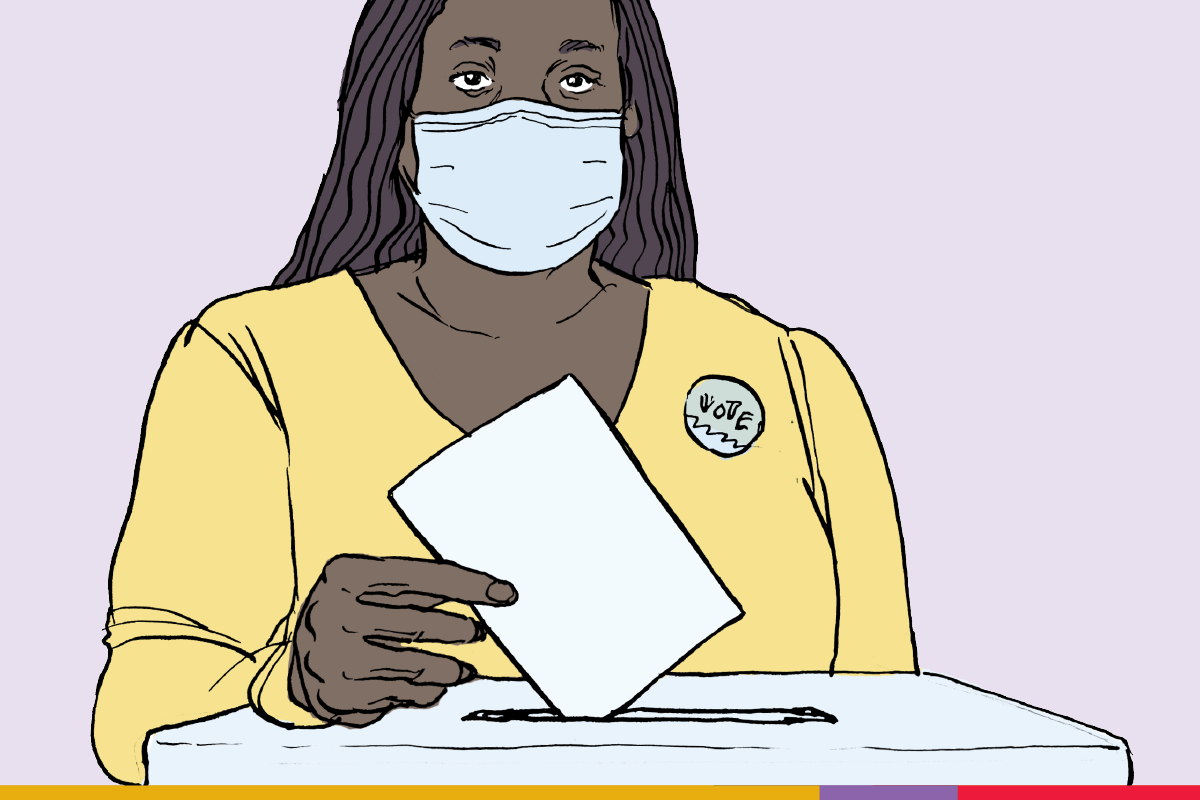
Virtual conference on elections and COVID-19: Harnessing the pandemic to improve elections
On 4 and 5 November 2020, the Centre for Human Rights, University of Pretoria, hosted a virtual conference. The theme of the conference is ‘Elections and COVID-19: Harnessing the pandemic to improve elections.’ The conference is organised by the Democracy and Civic Engagement Unit and the Expression, Information and Digital Rights Unit of the Centre for Human Rights. The conference was attended by academics, policymakers, practitioners, researchers and other stakeholders with a keen interest in democracy and elections, information technology and human rights law in the African context.
Read More
PAP Civil Society Forum on West and East African Parliamentary Monitoring Organisations engagement
On 15 October 2020, the Centre for Human Rights, Faculty of Law, University of Pretoria, in partnership with the Pan-African Parliament (PAP), Parliamentary Network Africa (PNAfrica) and Mzalendo Trust, under the umbrella of the established PAP CSO Forum, held a virtual Civil Society Organisation (CSO) Forum with the aim to sensitise Parliamentary Monitoring Organisations (PMOs) in the West and East African region to the workings of the PAP.
Read More
Shadow Reporting Guidelines
On 1 October 2020, the Centre for Human Rights, Faculty of Law, University of Pretoria, in partnership with the International Commission of Jurists (ICJ Kenya) and Equality Now hosted a validation meeting of the shadow reporting guidelines to the African Commission on Human and Peoples’ Rights.
Read More
Towards an African response to the Second Revised Draft of the Treaty on Business and Human Rights
On 6 October 2020, the African Coalition for Corporate Accountability (ACCA) and the Centre for Applied Legal Studies (CALS) held a webinar on African response to the Second Revised Draft of the Treaty on Business and Human Rights
Read More
Civil society experiences on the shadow reporting mechanism of the African Commission
On 20 August 2020, the Centre for Human Rights, University of Pretoria, the Human Rights Institute of South Africa, DITSHWANELO - The Botswana Centre for Human Rights and the Global Rainbow Foundation (Mauritius) hosted a webinar on civil society experiences on the shadow reporting mechanism of the African Commission on Human and Peoples’ Rights.
Read More
Civil society reflections on the Rules of Procedure 2020 of the African Commission
On 13 August 2020, Amnesty International, the Centre for Human Rights at the University of Pretoria, the Human Rights Institute of South Africa (HURISA), the Institute for Human Rights and Development in Africa (IHRDA) and the Initiative for Strategic Litigation in Africa (ISLA) held a webinar on the Rules of Procedure 2020 of the African Commission on Human and Peoples’ Rights.
Read More
International Day for Universal Access to Information (IDUAI)
On 28 September 2020, the Centre for Human Rights, University of Pretoria, ARTICLE 19 (Eastern and Western Africa), Media Institute of Southern Africa (MISA) Zimbabwe, Transparency International (Kenya), and the Special Rapporteur on Freedom of Expression and Access to Information in Africa hosted a webinar on the occasion of the commemoration of the International Day for Universal Access to Information (IDUAI).
Read More
Virtual Report Launch - Proactive Disclosure of Information and Elections in South Africa
On 17 September 2020, the Centre for Human Rights, University of Pretoria, held a webinar organised by the Expression, Information and Digital Rights Unit on “Proactive disclosure of information and elections in South Africa”. The webinar focused on South Africa’s compliance with the Guidelines on Access to Information and Elections in Africa, issued by the African Commission on Human and Peoples’ Rights. This flows from a collaborative research report on access to information and elections during South Africa’s 2019 elections, that was formally launched.
Read More
Mothers impacted by albinism: A dialogue on gender, albinism and human rights in South Africa
On 10 September 2020, the Disability Rights Unit at the Centre for Human Rights, Faculty of Law, University of Pretoria, hosted a webinar on mothers impacted by albinism. The webinar, which is a dialogue on gender, albinism and human rights in South Africa was held in commemoration of Albinism Awareness Month.
Read More
Children's rights in the digital sphere in Africa
On 8 September 2020, the Centre for Human Rights, hosted a webinar organised by the Children’s Rights Unit on the occasion of the 35th Ordinary Session of the African Committee of Experts on the Rights and Welfare of the Child (ACERWC), focusing on children’s rights in the digital age in Africa.
Read More
Helen Kanzira Memorial Lecture 2020
The 2020 Helen Kanzira Memorial Lecture was co-hosted by the Centre for Human Rights, University of Pretoria, South Africa and the Faculty of Law, University of Lagos, Lagos-Nigeria. The lecture was presented online and held on 18 June 2020. The theme of this year’s lecture was Gender inequalities, social inequities and maternal deaths.
Read More
Julius Osega Memorial Lecture 2020
On 23 July 2020, the Centre for Human Rights, Faculty of Law, University of Pretoria, in collaboration with the University of Ghana and the University of Nairobi, hosted the first online Julius Osega Memorial Lecture.
Read More
LeadUP Global Alumni Virtual Chats
This panel discussion includes UP alumni from across Africa who share their experiences during the global lockdowns necessitated by the COVID-19 pandemic of 2020.
Read More
IDAHOBIT Webinar 2020
In commemoration of IDAHOBIT, the Centre for Human Rights in collaboration with the Centre for Sexualities, AIDS & Gender, University of Pretoria hosted a webinar.
Read MorePast Events: Mandela Talks
Mandela Talk 2
In answer to the question “What would it take to turn the tide of the negation of women’s rights”, a webinar commemorating Women’s Month identified two main responses: the need for mobilisation at grass root street level, and the need for building closer partnerships between men and women to achieve the full dignity and equality of women and men.
Read More
Mandela Talk 1
On 22 July 2020, as part of Mandela Month, during which we remember the birth date of Nelson Rolihlahla Mandela on 18 July 1918, the Centre for Human Rights, Faculty of Law, University of Pretoria, in collaboration with Leading Like Mandela Institute and the Thembekile Mandela Foundation, hosted the first in a series of online Mandela Talks.
Read MorePast Events: Human Rights Talks
COVID-19 Human Rights Talk 12
On 11 August 2020, the Centre for Human Rights, in collaboration with the Centre for Sexualities, AIDS & Gender at the University of Pretoria (UP), co-hosted a webinar on the UP Trans Protocol, a document developed for the Institutional Transformation Committee to address the needs of transgendered, intersex and gender-diverse students and staff members.
Read More
COVID-19 Human Rights Talk 11
On 21 July 2020, the Centre hosted a hosted a discussion that drew out the ways in which governments in Sub-Saharan Africa are tackling the disinformation challenge and delve into the issues these pose for the enjoyment of human rights and freedom of expression in particular in both theory and practice.
Read MoreCOVID-19 Human Rights Talk 10
On 7 July 2020, the Centre hosted a follow-up webinar on COVID-19, privacy and data protection in Africa (Part 2).
Read More
Elections in South Africa: Will individual candidacy change the game?
On 30 June 2020, the Centre hosted a webinar on elections in South Africa and whether individual candidacy will change the game
Read More
COVID-19 Human Rights Talk 8
On 23 June 2020, the Centre hosted a webinar on data protection and privacy issues in Africa within the context of COVID-19.
Read More
COVID-19 Human Rights Talk 7
On 16 June 2020, the Centre for Human Rights, University of Pretoria, held a webinar organised by the Children’s Rights Unit on the occasion of the Day of the African Child 2020.
Read More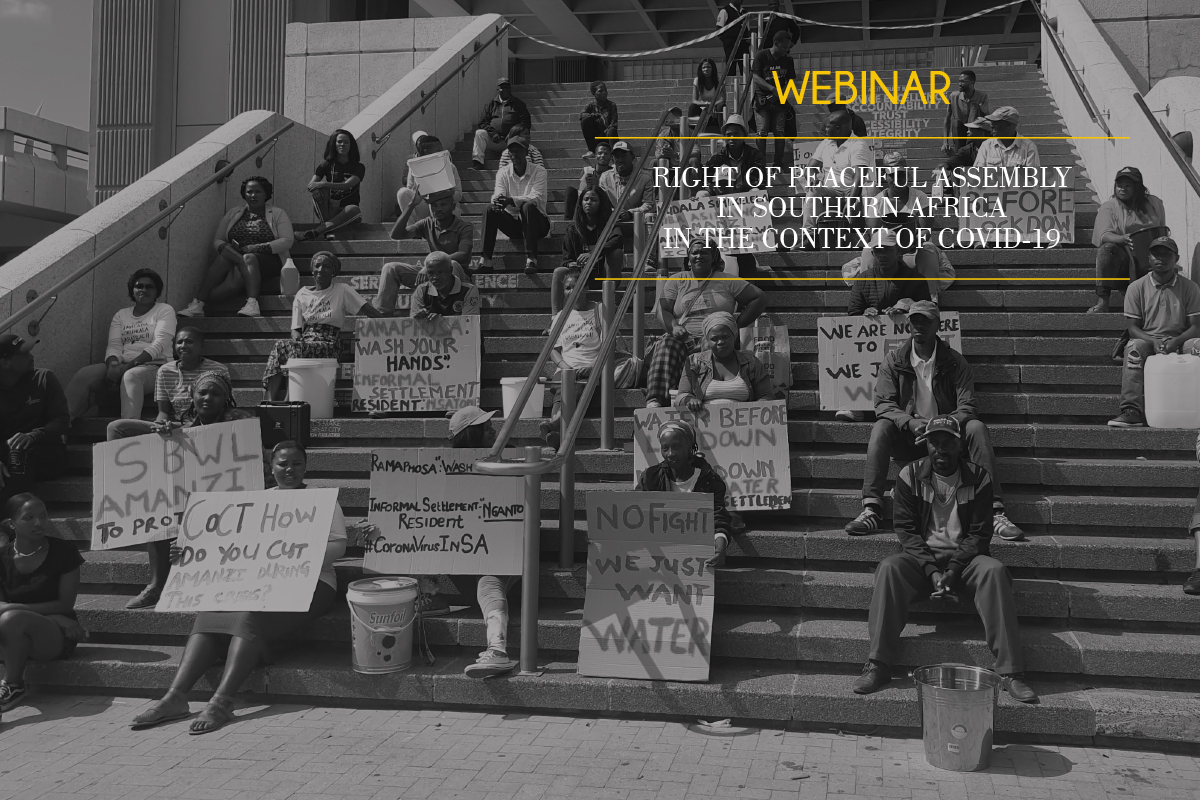
COVID-19 Human Rights Talk 6
On 9 June 2020, the The United Nations Office of the High Commissioner for Human Rights - Regional Office for Southern Africa, in collaboration with the Centre convened a webinar on the right of peaceful assembly in Southern Africa in the context of COVID-19.
Read More
COVID-19 Human Rights Talk 5
On 2 June 2020, the Centre for Human Rights, University of Pretoria, held a webinar on challenges of hyperandrogenic women in competitive sports.
Read More
COVID-19 Human Rights Talk 4
On 26 May 2020, the Centre for Human Rights, University of Pretoria, held a webinar organised by the Democracy and Civic Engagement Unit to unpack the challenges of COVID-19 and its impact on elections on the African continent.
Read More
COVID-19 Human Rights Talk 3
On 19 May 2020, the Special Rapporteur on Freedom of Expression and Access to Information in Africa in partnership with the Centre for Human Rights, Faculty of Law, University of Pretoria and ARTICLE 19 (Eastern Africa and Western Africa) convened a webinar to introduce the revised Declaration of Principles on Freedom of Expression and Access to Information in Africa.
Read More
COVID-19 Human Rights Talk 2
On 12 May 2020, the Centre for Human Rights, University of Pretoria, held a webinar on the need for businesses to respect and promote human rights in Africa, specifically during the COVID-19 pandemic.
Read More
COVID-19 Human Rights Talk 1
On 5 May 2020, the Centre for Human Rights, University of Pretoria, held a webinar on human rights abuses by police officers during enforcement of government responses to COVID-19 in Africa.
Read MorePast Events: Discussion Fora
COVID-19 Discussion Forum 12
On 9 July 2020, the Centre for Human Rights, University of Pretoria, held the ninth in a series of discussions with Centre alumni, students and staff. Discussion Forum 12 is on trends in domestic litigation on the constitutionality of COVID-19 and lockdown regulations in Africa.
Read More
COVID-19 Discussion Forum 11
On 2 July 2020, the Centre for Human Rights, University of Pretoria, held the eleventh in a series of discussions with Centre alumni, students and staff. Discussion Forum 11 centred around the impact of technologies on human rights during the COVID-19 pandemic in Africa.
Read MoreCOVID-19 Discussion Forum 10
On 25 June 2020, the Centre for Human Rights, University of Pretoria, held the ninth in a series of discussions with Centre alumni, students and staff. Discussion Forum 10 which considered how civil society can reposition for more impact during the COVID-19 pandemic in Africa
Read More
COVID-19 Discussion Forum 9
On 18 June 2020, the Centre for Human Rights, University of Pretoria, held the ninth in a series of discussions with Centre alumni, students and staff. Discussion Forum 9 gauges the impact of international human rights organisations during the COVID-19 pandemic in Africa.
Read More
COVID-19 Discussion Forum 8
On 11 June 2020, the Centre for Human Rights, University of Pretoria, held the eighth in a series of discussions with Centre alumni, students and staff. Discussion Forum 8 focused on the impact of UN agencies on the protection of human rights during the COVID-19 pandemic in Africa.
Read More
COVID-19 Discussion Forum 7
On 4 June 2020, the Centre for Human Rights, University of Pretoria, held the seventh in a series of discussions with Centre alumni, students and staff. Disucssion Forum 7 focused on the enjoyment of socio-economic rights during the COVID-19 pandemic in Africa.
Read More
COVID-19 Discussion Forum 6
On 28 May 2020, the Centre for Human Rights, University of Pretoria, held the sixth in a series of discussions, which are now open to the public. Discussion Forum 6 looked at the response of the African Union’s Governance Architecture to COVID-19
Read More
COVID-19 Discussion Forum 5
On 21 May 2020, the Centre for Human Rights, University of Pretoria, held the fifth in a series of discussions with Centre alumni, students and staff. Discussion Forum 6 was on human rights protection and freedom from violence during the COVID-19 pandemic.
Read More
COVID-19 Discussion Forum 4
On 14 May 2020, the Centre for Human Rights, University of Pretoria, held the fourth in a series of discussions with Centre alumni, students and staff on the theme: Impact of COVID-19 in Africa: the national and the international
Read More
COVID-19 Discussion Forum 3
On 7 May 2020, the Centre for Human Rights, University of Pretoria, held the third in a series of discussions with Centre alumni, students and staff on the theme: Economic and trade-related impact of COVID-19 in Africa.
Read More
COVID-19 Discussion Forum 2
On 30 April 2020, the Centre for Human Rights, University of Pretoria, held the second in a series of discussions with Centre alumni, students and staff on the theme: COVID-19: Human rights under threat in Africa?
Read More
COVID-19 Discussion Forum 1
On 23 April 2020, the Centre for Human Rights, University of Pretoria, held the first in a series of discussions with Centre alumni, students and staff on the theme: Exacerbated vulnerability during COVID-19.
Read MoreFor more information, please contact:
Centre for Human Rights:
Adjustment to Centre activities due to COVID-19
The Centre for Human Rights embraces a blended presentation for its human rights education projects, that is, the African Human Rights Moot Court Competition, the Nelson Mandela World Human Rights Moot Court Competition and the Advanced Human Rights Courses.
Moot Courts
In the short-term, the #AfricanMoot2020 and #WorldMoot2020 preliminary rounds will be presented online, and final rounds in person later in the year.
Short Courses
The Advanced Human Rights Course on Judicial Enforcement of Socio-Economic Rights in Africa will in 2020 be presented online.
Centre for Human Rights:
University of Pretoria, Government of South Africa and WHO information on COVID-19
The global pandemic of coronavirus disease 2019 (COVID-19) was first reported on 31 December 2019 by the World Health Organization country office following a cluster of pneumonia cases in Wuhan City, Hubei Province of China. Severe acute respiratory syndrome coronavirus 2 (SARS-CoV-2) has been confirmed as the causative virus of COVID-19. To date, COVID-19 has become a global pandemic and it is continuing to spread across the globe.
Centre for Human Rights:
Response to the impact of the COVID-19 pandemic
The Centre for Human Rights, Faculty of Law, University of Pretoria, is directly affected by the COVID-19 pandemic and the lockdown measures that are being implemented by the South African government.
Although the country is in lock-down (currently at Level 3), the Centre for Human Rights will not shut down during this period. The staff are continuing their work from home, to the extent possible, and will remain virtually connected to colleagues, students and partners, as part of the Centre’s extended family, throughout the time. We are also adapting our projects and reorganising our calendar in line with the demands of the times.
The impact on our regular programmes and functions has been significant. We have therefore had to make efforts to ensure continuity as far as possible and to minimise disruption where possible. While the changes have mostly been reactionary, we recognise their potential to alter our mode of operations, not only in the short term but even the long-term.
Our commitment is driven by the long-term goal of ensuring the advancement of the protection of human rights through education, research and advocacy on the African continent. We are also cognisant of the human rights impact of the pandemic and the response thereto. For instance, we recognise the heightened threats to the rights to life and health, both in the short-term response, but also the longer-term implications for health systems and services. We also see the opportunity this pandemic presents to better understand what reasonable limitation of rights such as the right to freedom of movement entail, particularly in the face of a potentially debilitating health pandemic. It is also a moment that lays bare the insufficiencies of measures put in place to provide a safety net for vulnerable members of our society, particularly older persons, displaced persons and those with very limited resources to adequately respond to exceptional situations, especially in rural areas.

Statements
Events
Publications
Centre for Human Rights:
Research and advocacy related to COVID-19
The Centre, through its Units, is undertaking a number of research and advocacy projects that deals with the COVID-19 pandemic and its impact on human rights in Africa.
COVID-19 Discussion Fora: Centre hosts discussion forum on exacerbated vulnerability during COVID-19
On 23 April 2020, the Centre for Human Rights, University of Pretoria, held the first in a series of discussions with Centre alumni, students and staff. These discussions deal with the potential and actual impact on human rights and democratisation of COVID-19 in Africa. The discussion was held in Zoom.
Centre for Human Rights:
Database on COVID-19
The Centre for Human Rights COVID-19 Database is an Africa-focused collection of information and a series of analysis of the COVID-19 pandemic in African states. The database gathers information from different sources to evaluate the effects of the COVID-19 pandemic on laws, regulations and policies that have been put in place by African states in response to the COVID-19 pandemic.
The analyses in the database include the nature of emergency responses adopted by African states to the COVID-19 pandemic, democracy related issues arising from COVID-19 responses of states such as elections, activities of the executive, legislature and judiciary, transparency issues on COVID-19 measures, and the enforcement of COVID-19 policies by state security agents. The database also contains information on the human rights issues arising from the COVID-19 pandemic and the measures of states. The human rights issues covered under this category are the right to health, the right to housing, the right to water and sanitation, the right to food and nutrition, the right to employment and social security, women’s rights, children’s rights, disability rights, LGBTIQ+ rights, migrant rights, rights of persons deprived of their liberty, right to life, freedom of assembly, freedom of movement, freedom of expression, access to information, privacy and digital rights. The database is revised regularly to reflect up-to-date COVID-19 developments in the countries across selected themes.
The support of the European Union in developing the database is acknowledged.





For information and enquiries, please contact:

Tel: +27 (0) 12 420 3151
Fax: +27 (0) 86 580 5743
foluso.adegalu@up.ac.za
The COVID-19 pandemic, and the resulting restrictions on movement and other aspects of the normal functions of society has resulted in significant disruptions and anxiety over the looming uncertainty. The impact on our regular programmes and functions has been significant. We have therefore had to make efforts to ensure continuity as far as possible and to minimise disruption where possible. While the changes have mostly been reactionary, we recognise their potential to alter our mode of operations, not only in the short term but even the long-term.
Subcategories